Who VTCT Skills is
VTCT Skills is the trading name of the Vocational Training Charitable Trust. It is an awarding organisation recognised by Ofqual since 1 April 2010 (recognition number RN5198) and by CCEA Regulation since 4 May 2016. The VTCT Skills brand launched on 11 November 2024, bringing VTCT, Skillsfirst and Skills for Logistics under one name. VTCT acquired iTEC, which is why course names often read "VTCT Skills (ITEC)" or "VTCT iTEC". VTCT describes itself as an awarding organisation and end-point assessment organisation (EPAO).
What Ofqual regulation means
Ofqual regulates qualifications and awarding organisations, not training providers. In its own words, it does not regulate schools, colleges or training providers, and it does not regulate training courses that only certify that someone attended a course but do not make judgements about an attendee's level of attainment. To check a qualification, search the Ofqual register.
What the levels mean
England, Wales and Northern Ireland use nine qualification levels, from entry level to Level 8. The examples below come from GOV.UK qualification levels. Write "the same level as", never "equivalent to a master's degree".
| Level | Same level as | VTCT aesthetics examples at Cosmetic College |
|---|---|---|
| Level 3 | A level and T Level | Level 3 Access to Aesthetics |
| Level 4 | CertHE and HNC | Level 4 laser or Level 4 skin |
| Level 5 | Foundation degree and HND | Level 5 skin or Level 5 laser tattoo removal |
| Level 7 | Master's degree and postgraduate diploma | Level 7 injectables |
How a VTCT course is taught and assessed at Cosmetic College
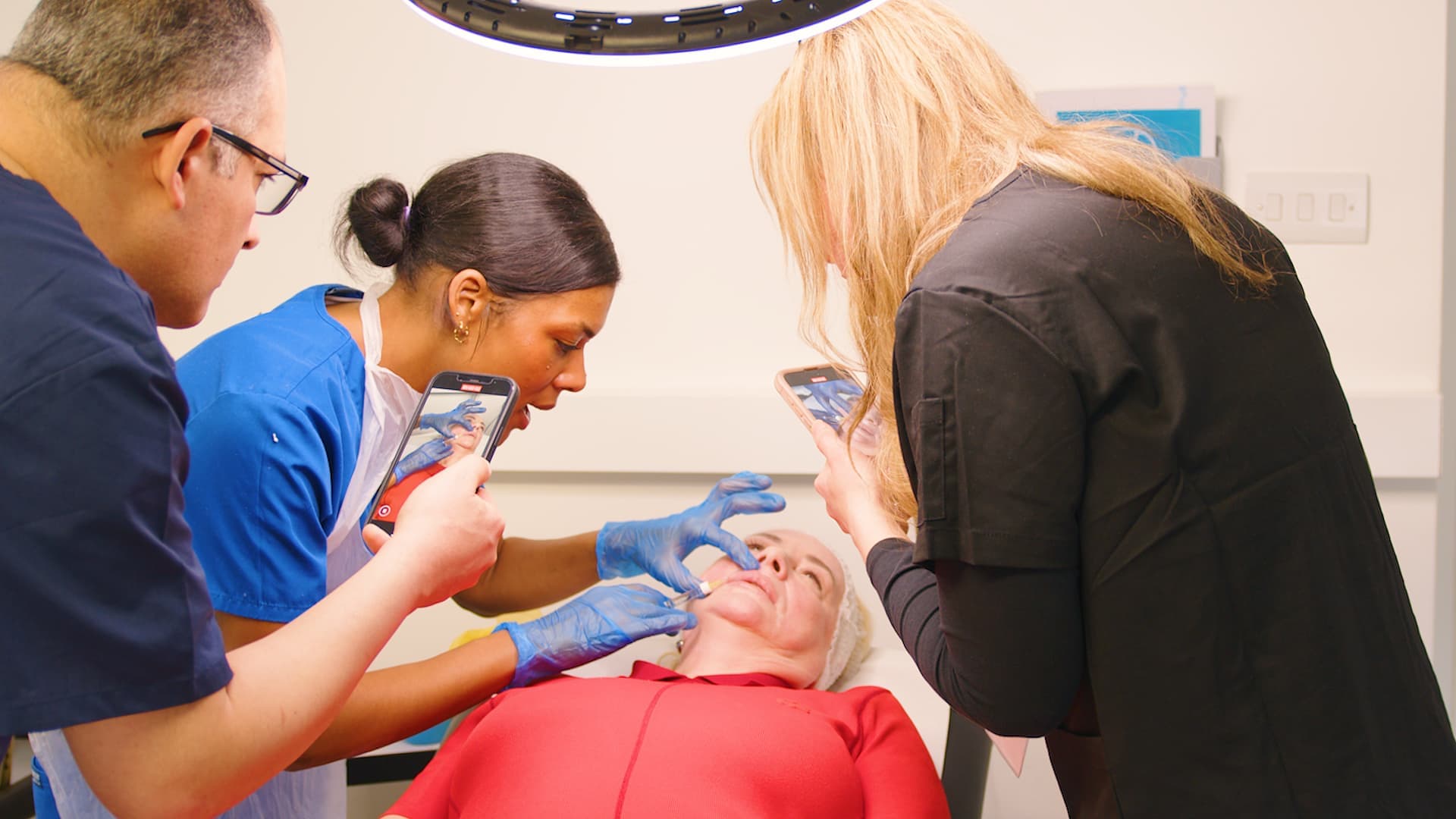
Cosmetic College is a VTCT approved centre. You study theory online, take theory exams remotely, attend practical days on site, and complete the end point assessment on the final onsite day. Work is assessed by tutors and assessors, with internal quality assurance so decisions meet VTCT Skills requirements. Meet our trainers.
VTCT qualification or CPD course?
A CPD certificate shows you attended training; it is not an Ofqual-regulated qualification. Ofqual does not regulate attendance- only certificates that do not judge attainment. A VTCT qualification is regulated, levelled and formally assessed. Many practitioners use both. Compare them in VTCT vs CPD aesthetics courses compared.
Is a VTCT qualification a licence to practise?
No. The national licensing scheme is not in force, and the government has said a further consultation will cover training standards and qualifications. For council rules near the college, see aesthetics licensing in London and Kent.
- VTCT Skills awards the qualification; the college teaches and assesses it.
- Ofqual regulates the qualification and awarding body, not the college.
- Theory exams are remote online exams, never class days.
Related VTCT courses to explore next
Regulated VTCT qualifications at our Orpington training centre, near London.
Skin and laser
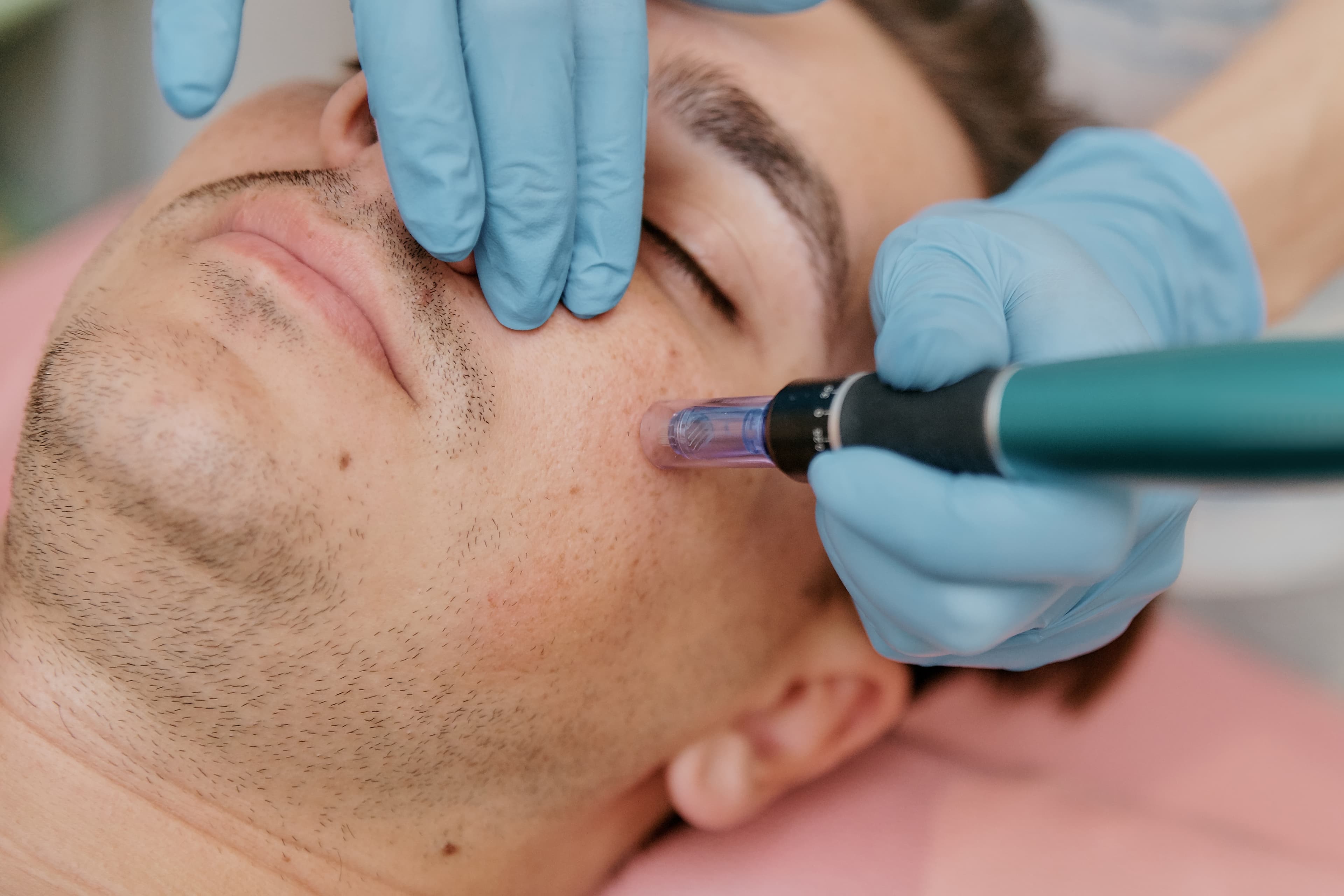
VTCT Level 4 Microneedling
Regulated Level 4 qualification

VTCT Level 4 Chemical Peels
Regulated Level 4 qualification
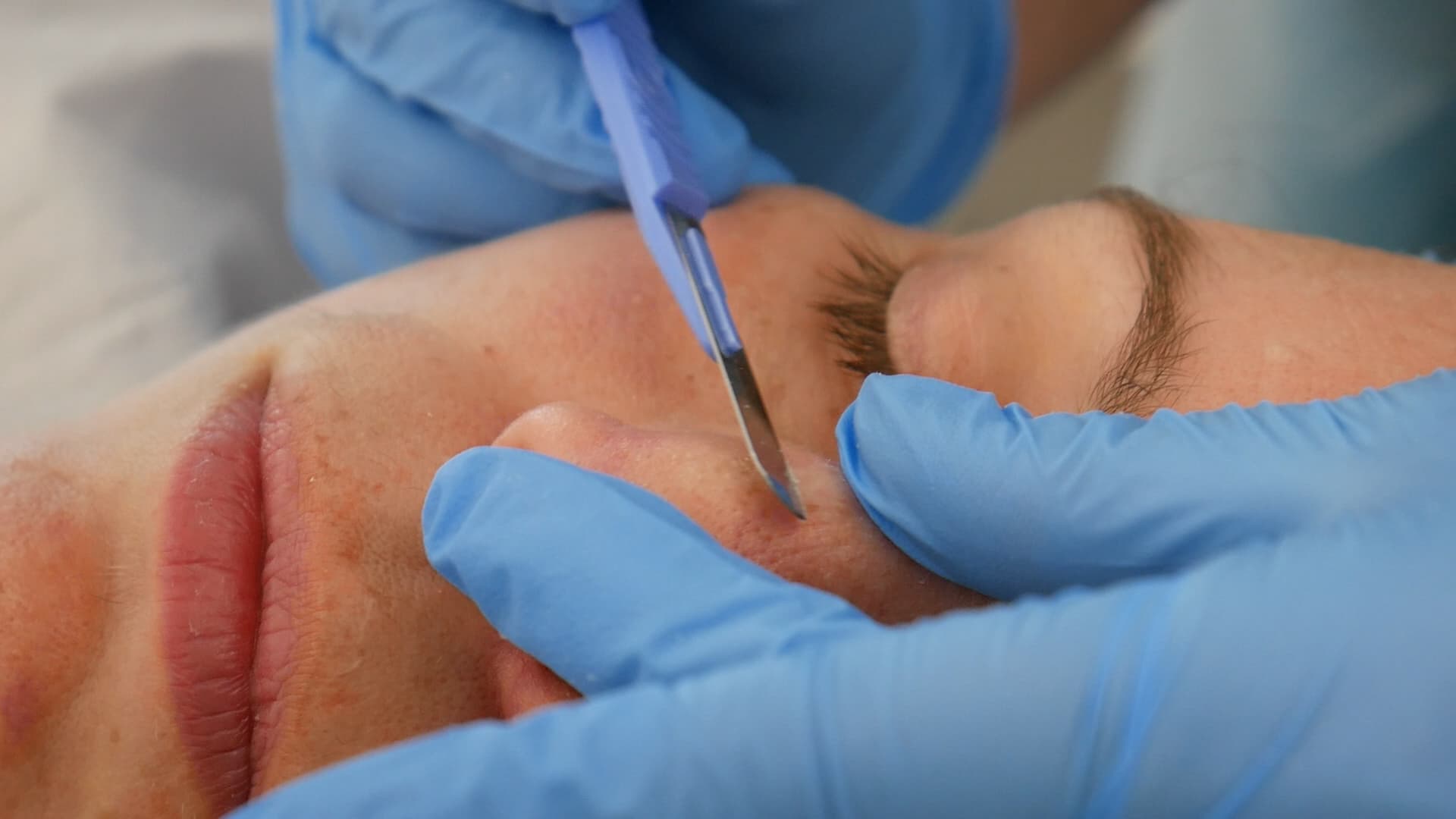
VTCT Level 4 Dermaplaning
Regulated Level 4 qualification
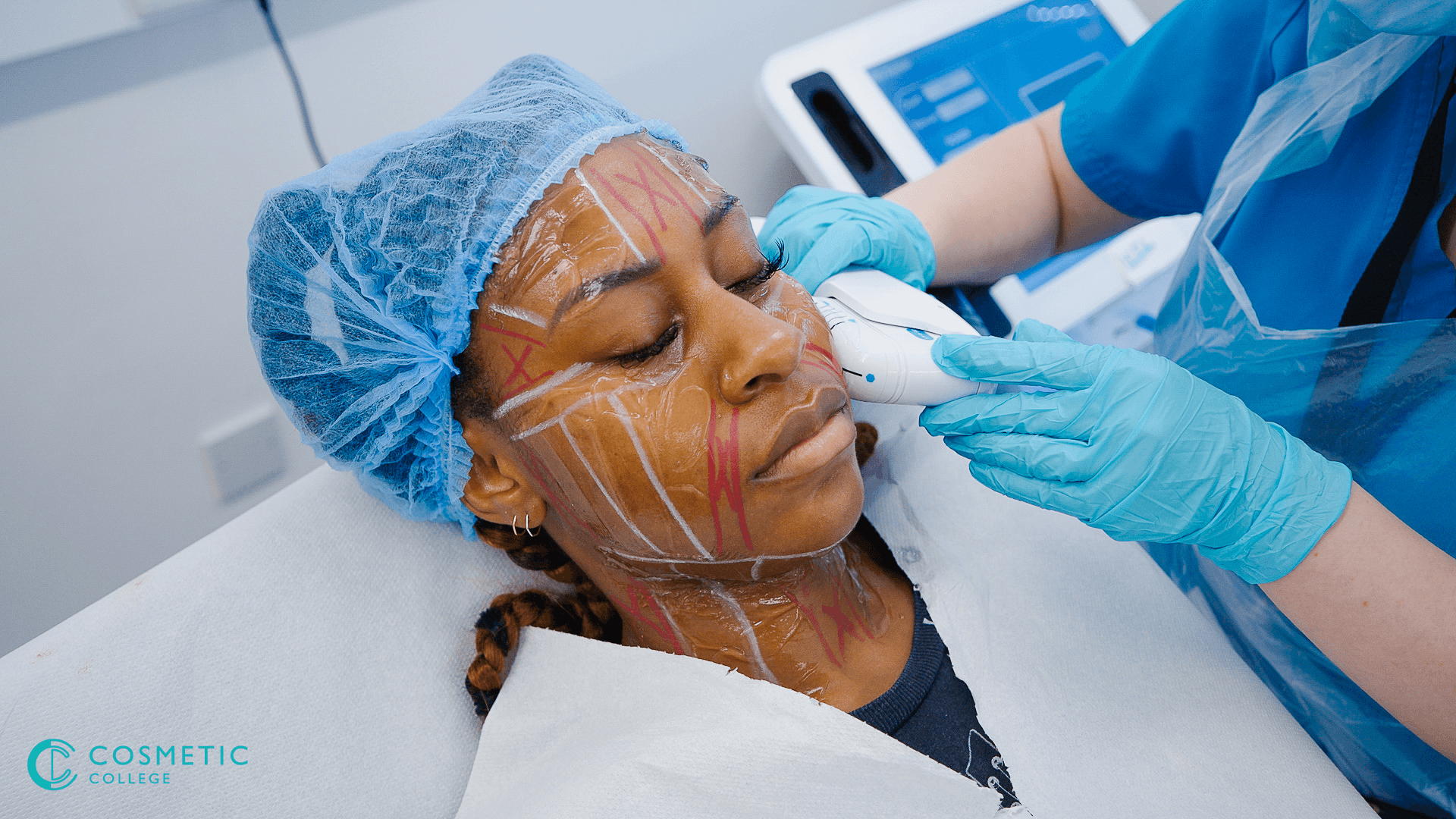
VTCT Level 4 HIFU
Regulated Level 4 qualification
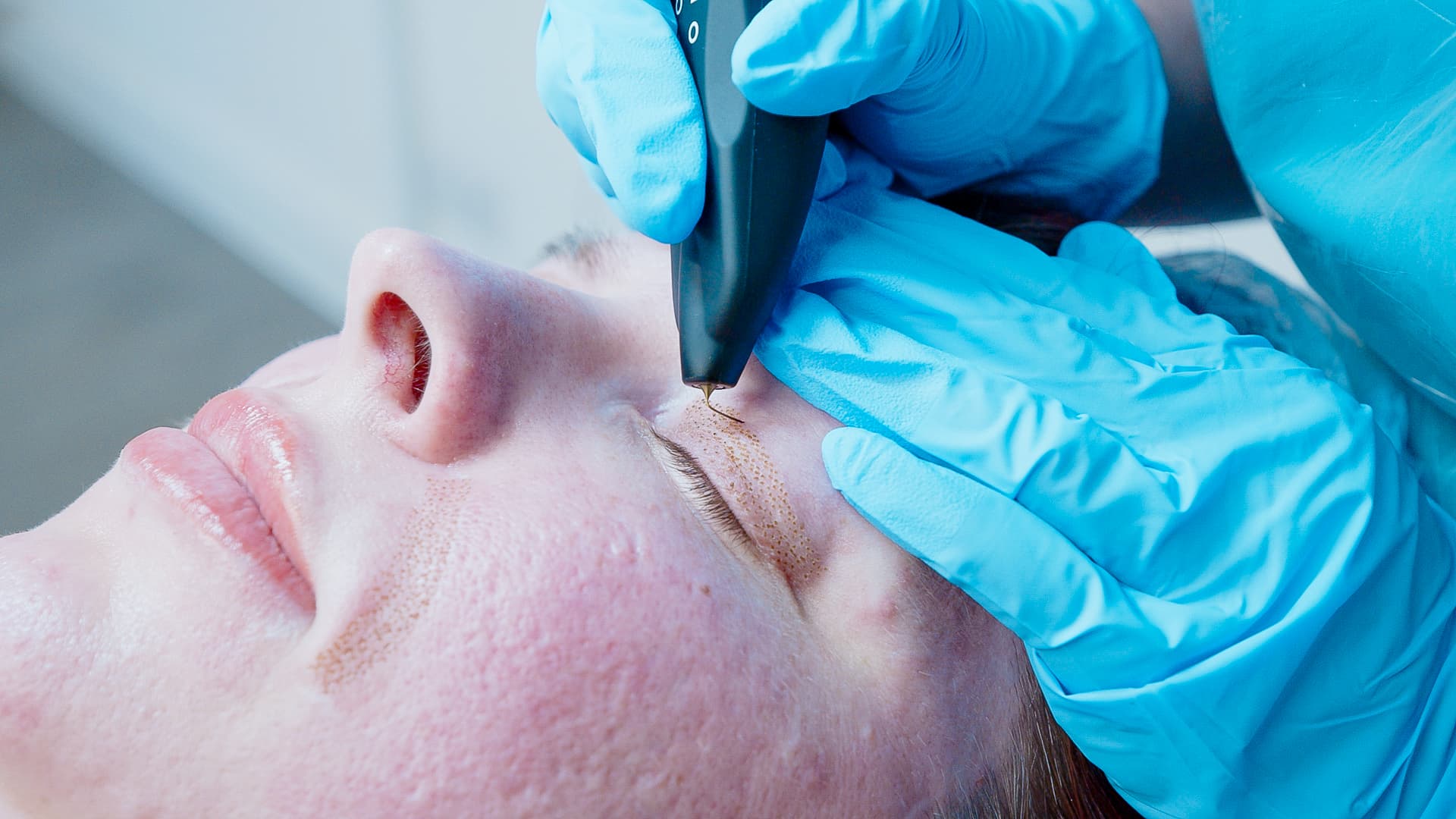
VTCT Level 4 Plasma Pen
Regulated Level 4 qualification
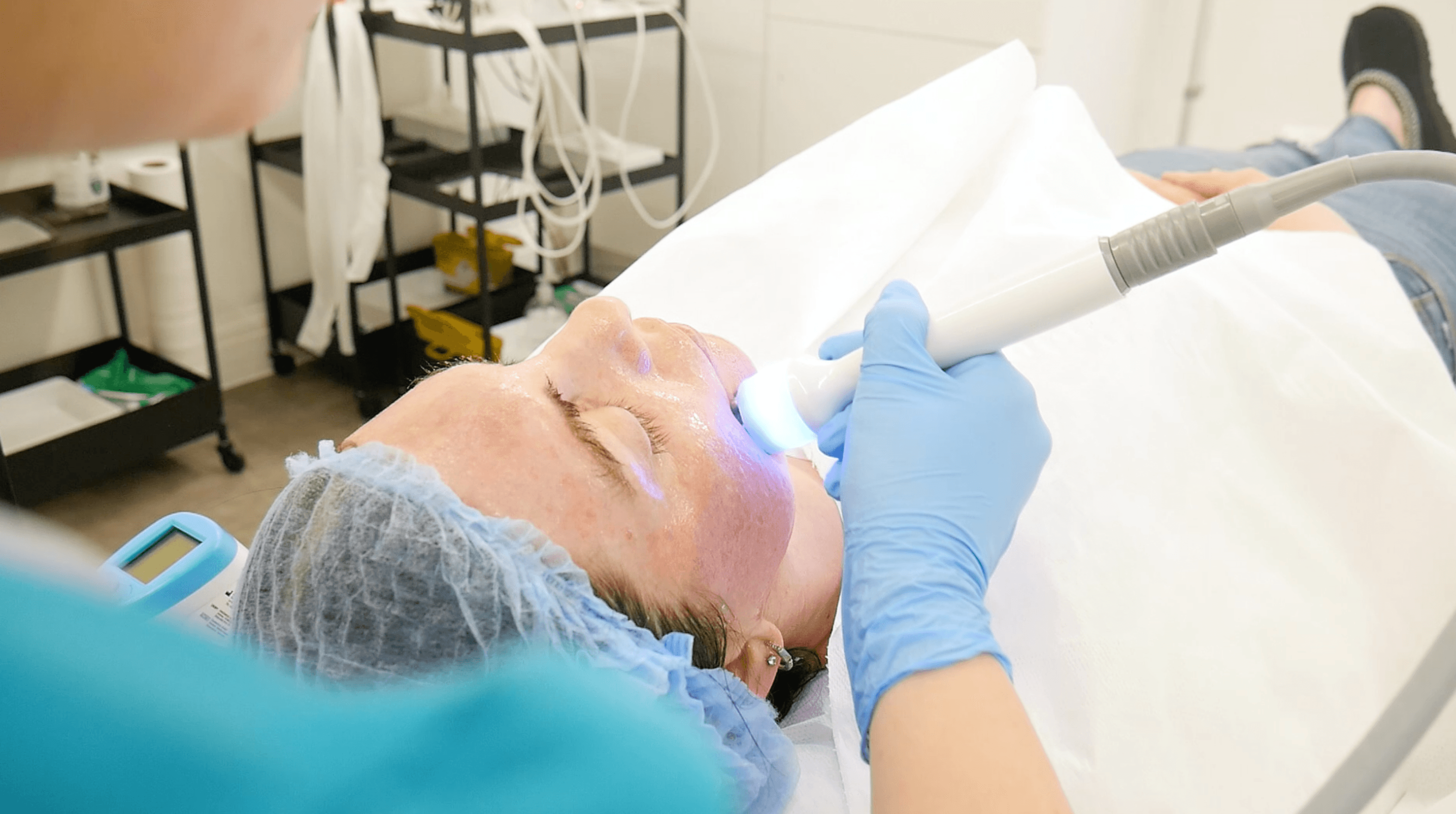
VTCT Level 4 Radio Frequency and Ultrasound
Regulated Level 4 qualification
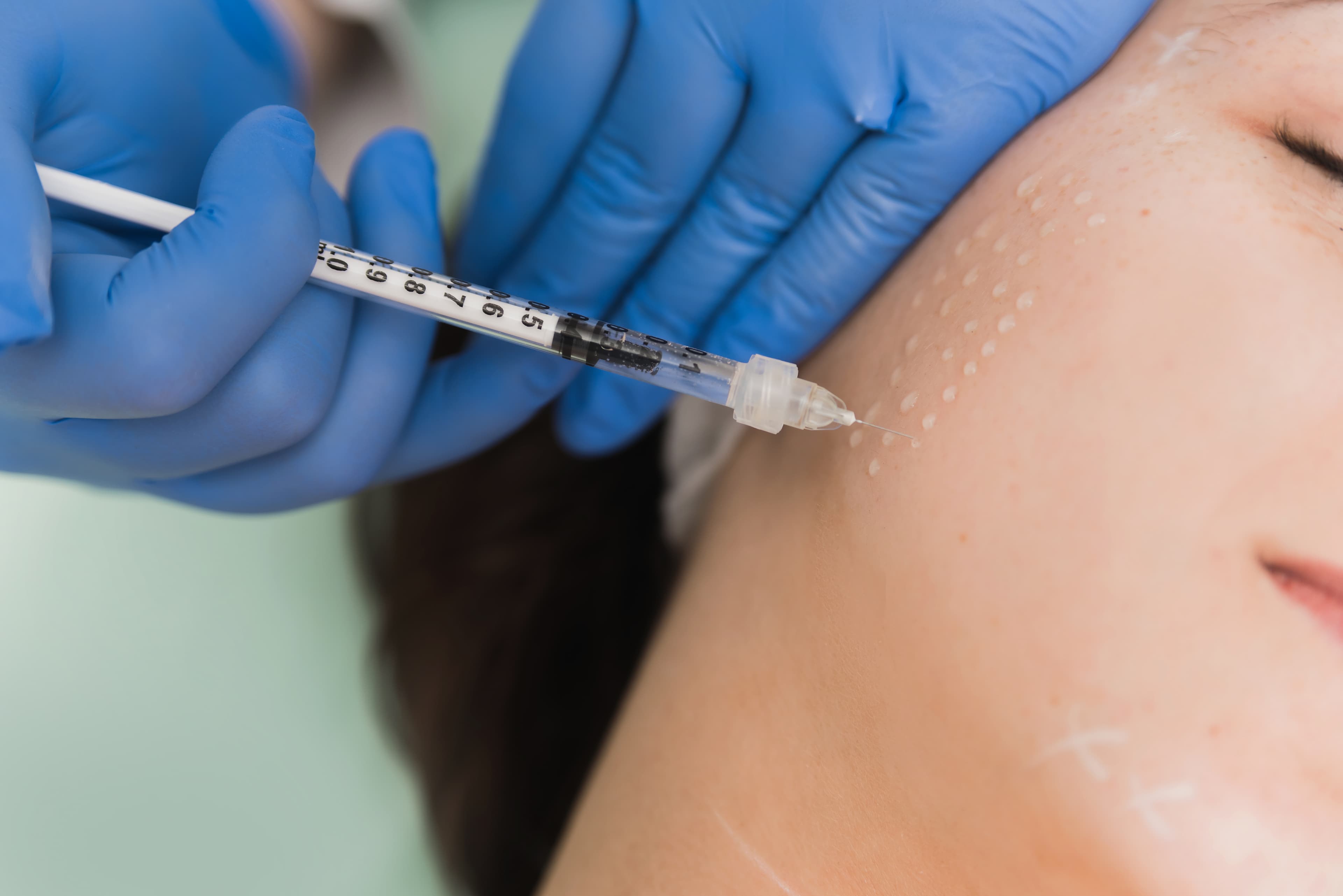
VTCT Level 6 Mesotherapy
Regulated Level 6 qualification
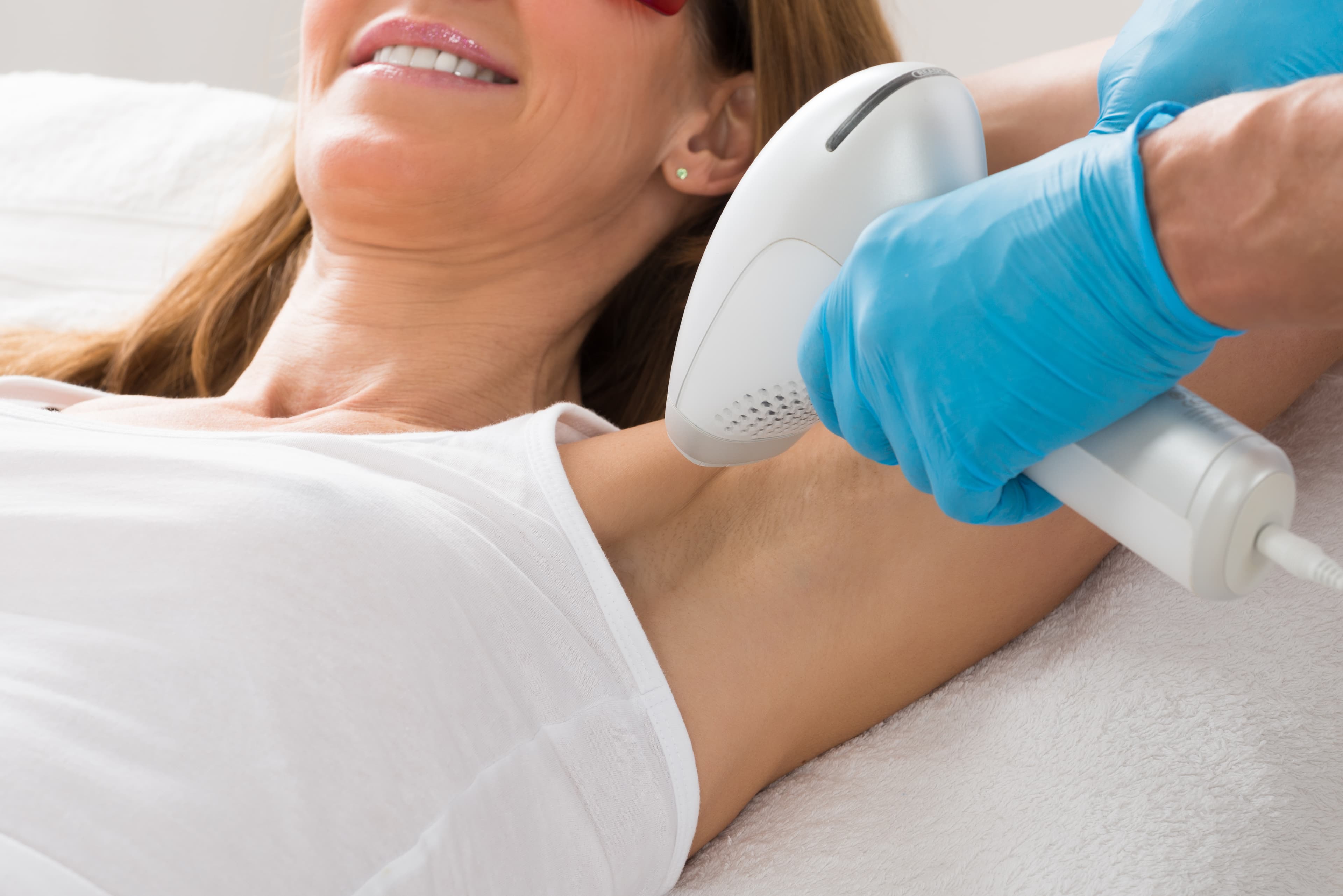
VTCT Level 4 Laser Hair Removal
Regulated Level 4 qualification
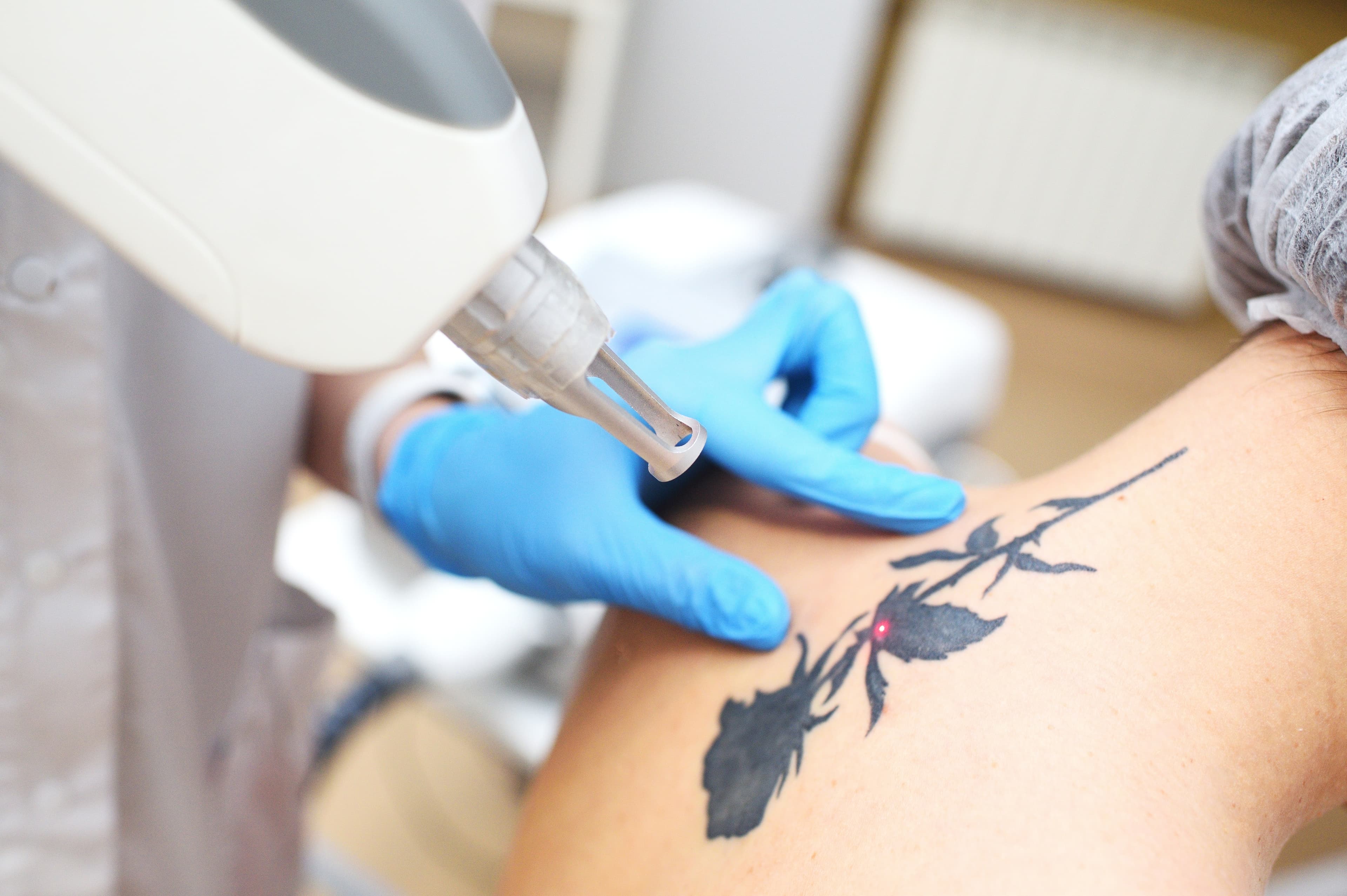
VTCT Level 5 Laser Tattoo Removal
Regulated Level 5 qualification
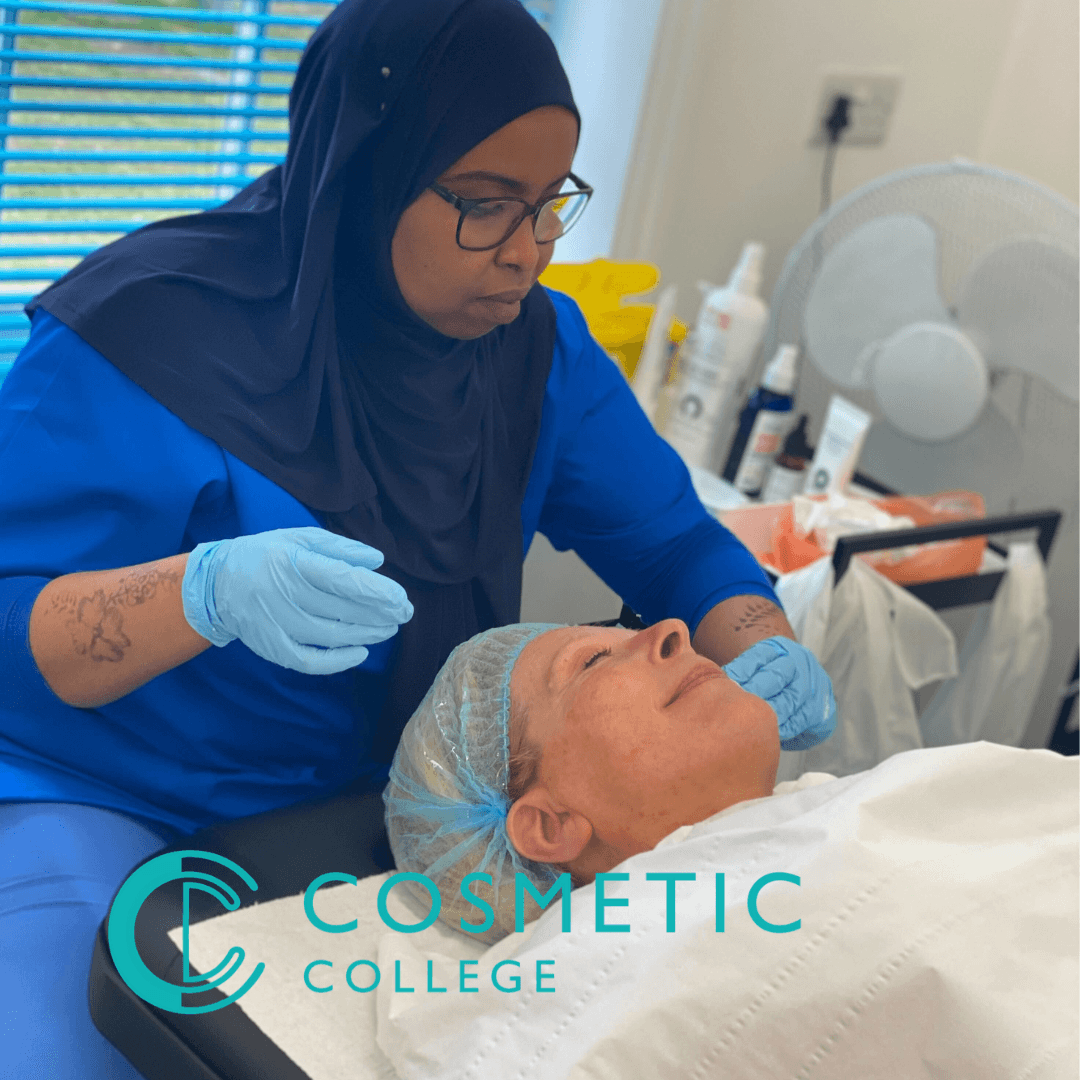
VTCT Level 4 Advanced Aesthetic Therapies for Skin
Regulated Level 4 qualification

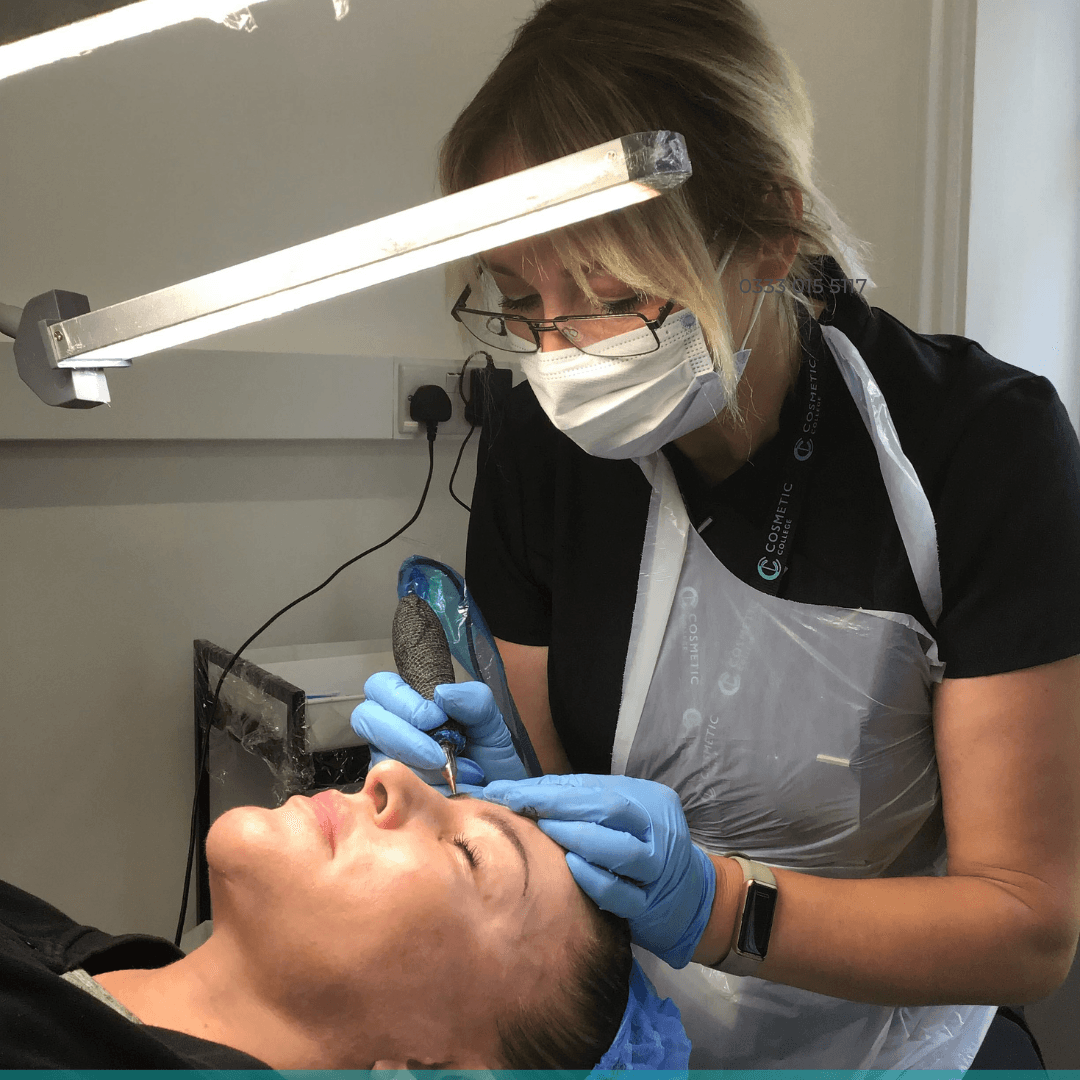
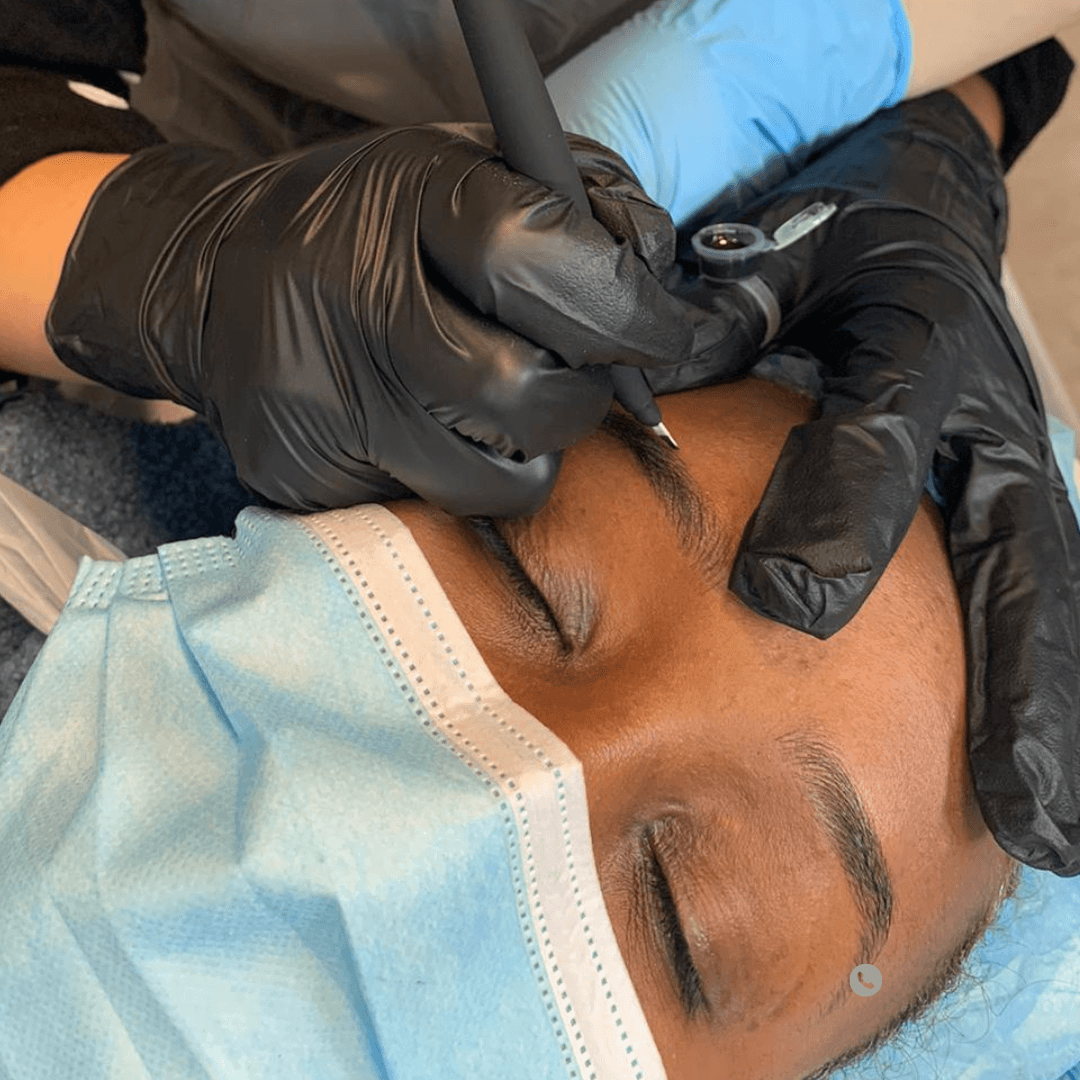
Not sure where to start?
Use the course selector or see how the Pathway to Aesthetics builds from beginner to advanced.