






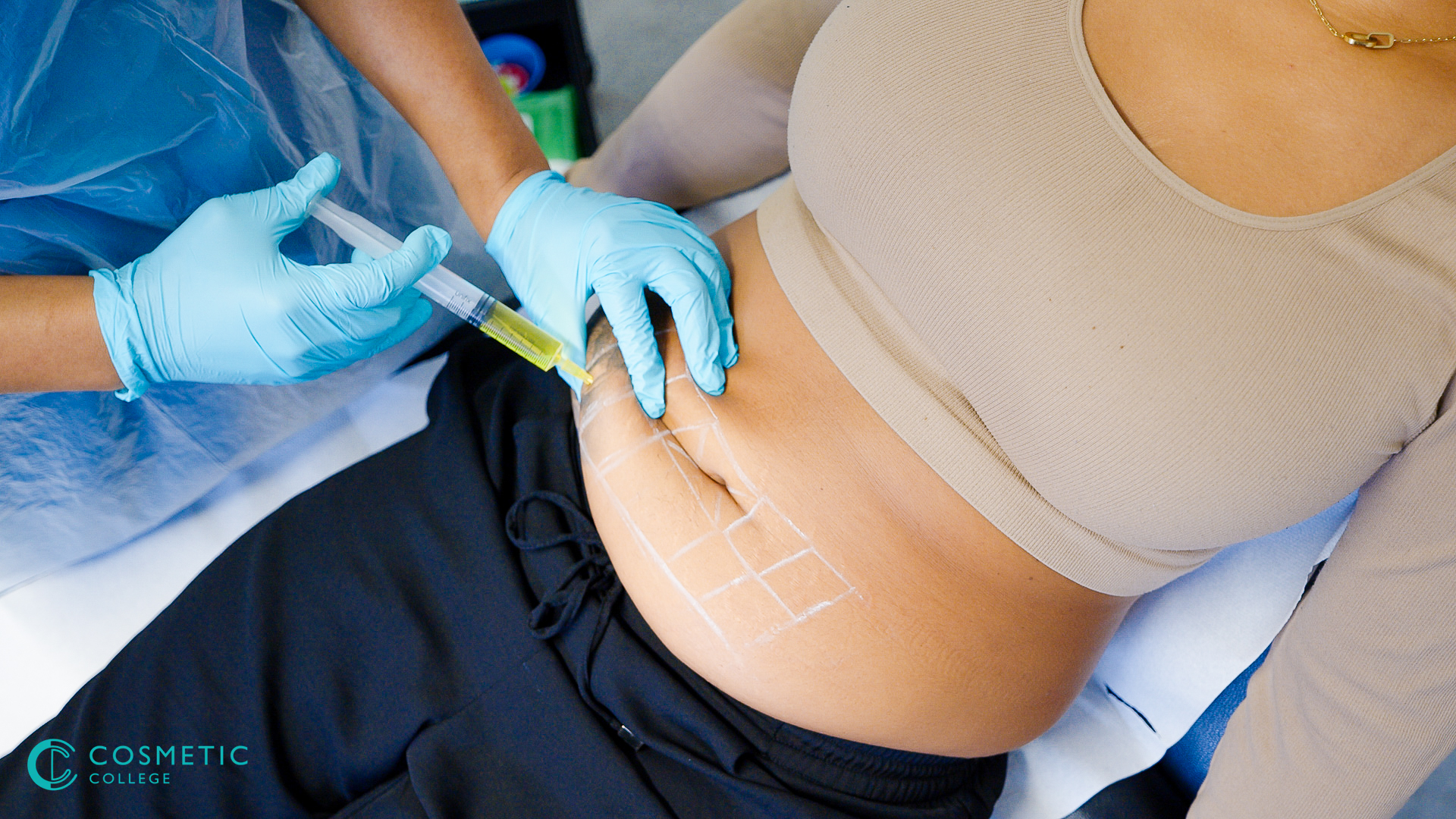
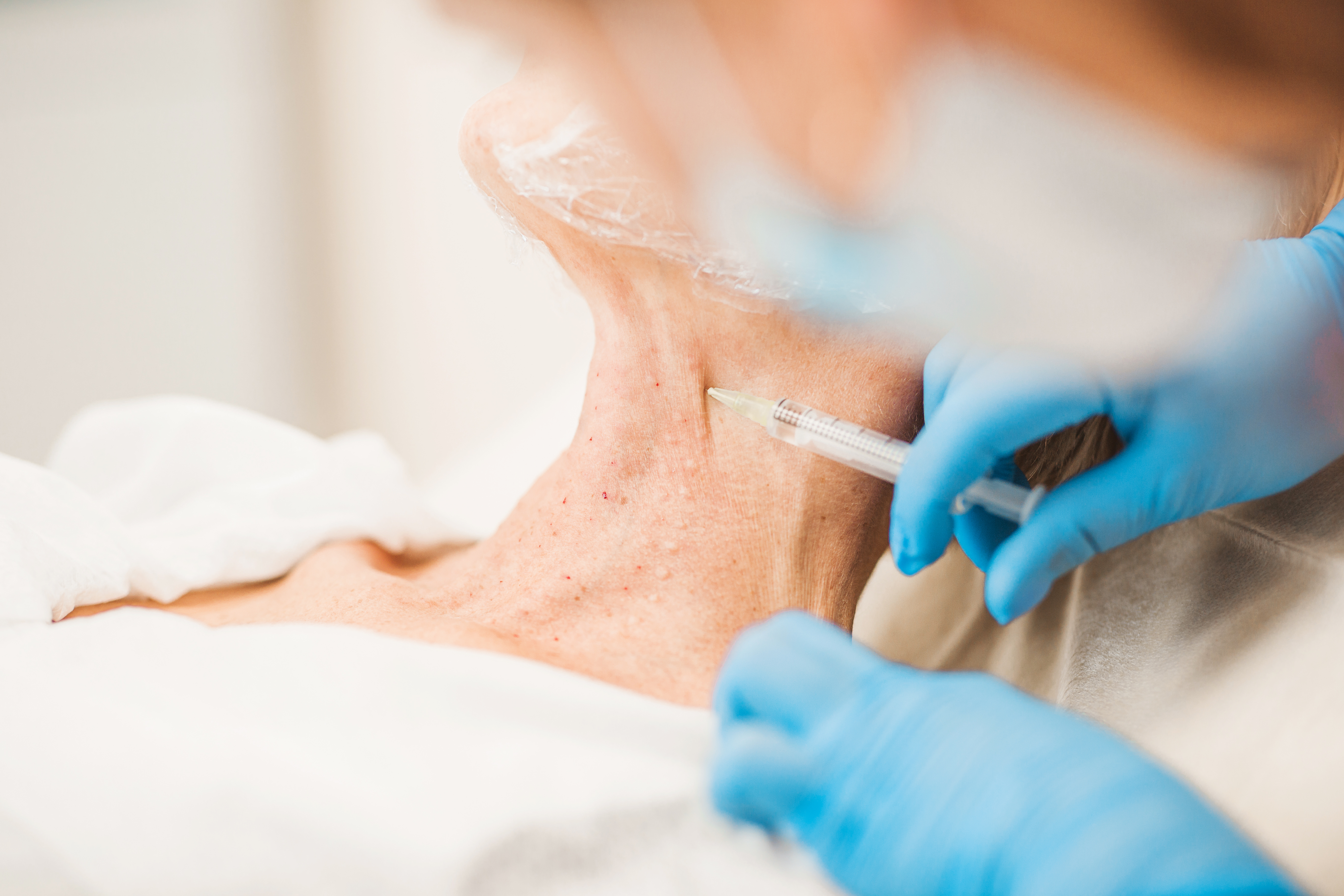



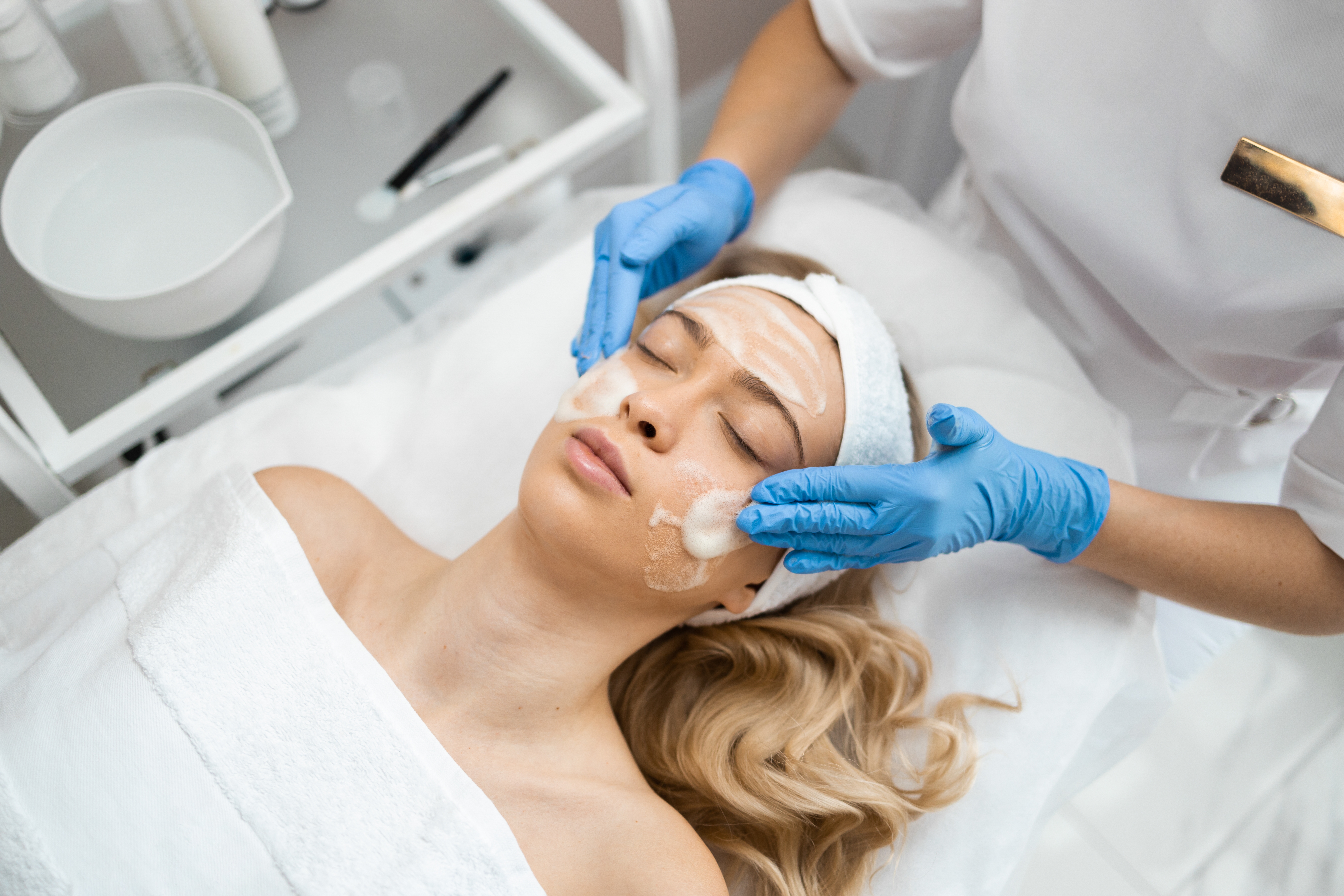
Level 3 to Level 7: Building Your Career in Aesthetics
Your Complete VTCT Pathway at Cosmetic College
The UK aesthetics industry is worth over £3.6 billion and is one of the fastest-growing sectors in the United Kingdom. Client demand for advanced skincare, rejuvenation treatments and non-surgical injectables continues to rise every year. With the Health and Care Act 2022 setting framework for government licensing reforms, the need for properly qualified, regulated practitioners has never been greater.
Whether you are completely new to the field or ready to advance into injectables, the VTCT Level 3 to Level 7 progression route is the safest, most recognised and most future-proofed way to build a professional career in accredited aesthetics training.
Cosmetic College delivers the entire pathway with expert tutors, blended learning and hands-on experience that develops confidence and competence at every stage.
Why Build a Career in Aesthetics
Aesthetics combines clinical skill, artistry and personal care. It offers a wide range of long-term professional and financial benefits for both beginners and experienced practitioners.
High earning potential
Qualified practitioners commonly earn between £40 and £120 per hour. Those who progress to injectables can earn significantly more due to high treatment demand.
A future-proof sector
Demand for non-surgical treatments is increasing due to advancements in technology, growing public awareness of skin health and a preference for natural-looking results. This growth provides long-term career stability and opportunity.
Flexible career options
With Levels 3 to 7, you can:
- Work in clinics or medi-spas
- Open your own business
- Rent a treatment room
- Work mobile
- Specialise in skin, advanced skin therapies or injectables
- Progress into training and education
You are entering at the right time
The Health and Care Act 2022 sets the framework for government licensing of aesthetic practitioners. You will require regulated qualifications aligned with JCCP (Joint Council for Cosmetic Practitioners) and CPSA (Cosmetic Practitioners Standards Authority) standards. The VTCT pathway is Ofqual-regulated and already aligns with the recognised standards that licensing is expected to require. By completing the pathway now, you are preparing for compliance and future career stability.
The Complete Aesthetics Pathway
Below is the full breakdown of each qualification delivered at Cosmetic College, including practical components, theoretical knowledge and career outcomes.
Level 3: Your Essential Foundation
VTCT Level 3 Certificate in Access to Aesthetic Therapies
https://www.cosmetic.college/courses/vtct/level-3-certificate-in-access-to-aesthetic-therapies/
This qualification provides the foundation knowledge for advanced aesthetic practice.
Practical components
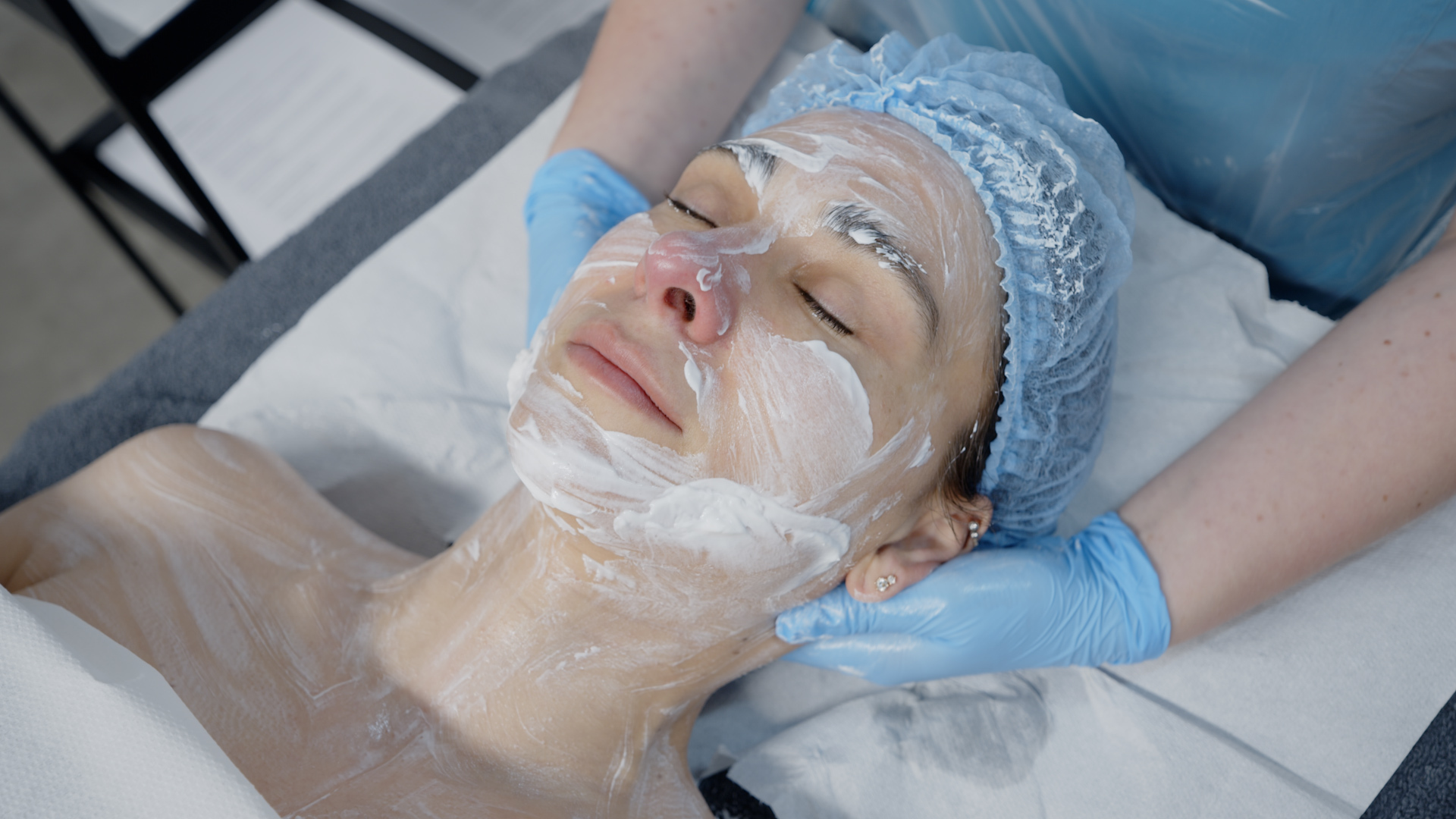
- Facials
- Facial massage
- Basic skincare treatments
Core knowledge
- Anatomy and physiology
- Skin science
- Consultation and client assessment
- Treatment planning
- Hygiene and infection control
- Professional standards and record-keeping
Why Level 3 matters
- Entry requirement for Levels 4, 5 and 7
- Required by insurers
- Forms part of future licensing standards
Mandatory Clinical Safety Qualification
VTCT Level 3 Award in Basic Life Support, AED and Management of Anaphylaxis
This qualification ensures you are prepared to safely manage emergency situations in an aesthetic environment.
You will learn
- CPR
- Safe AED usage
- How to identify and respond to anaphylaxis
- Emergency protocols
- Legal responsibilities of aesthetic practitioners
Why this qualification matters
- Required for Levels 4, 5 and 7
- Required by insurers
- Essential for injectable preparation
Level 4: Introduction to Advanced Aesthetic Treatments
VTCT Level 4 Certificate in Advanced Aesthetic Therapies for Skin Rejuvenation
At Level 4, you progress from basic skincare to advanced rejuvenation treatments.
Practical components
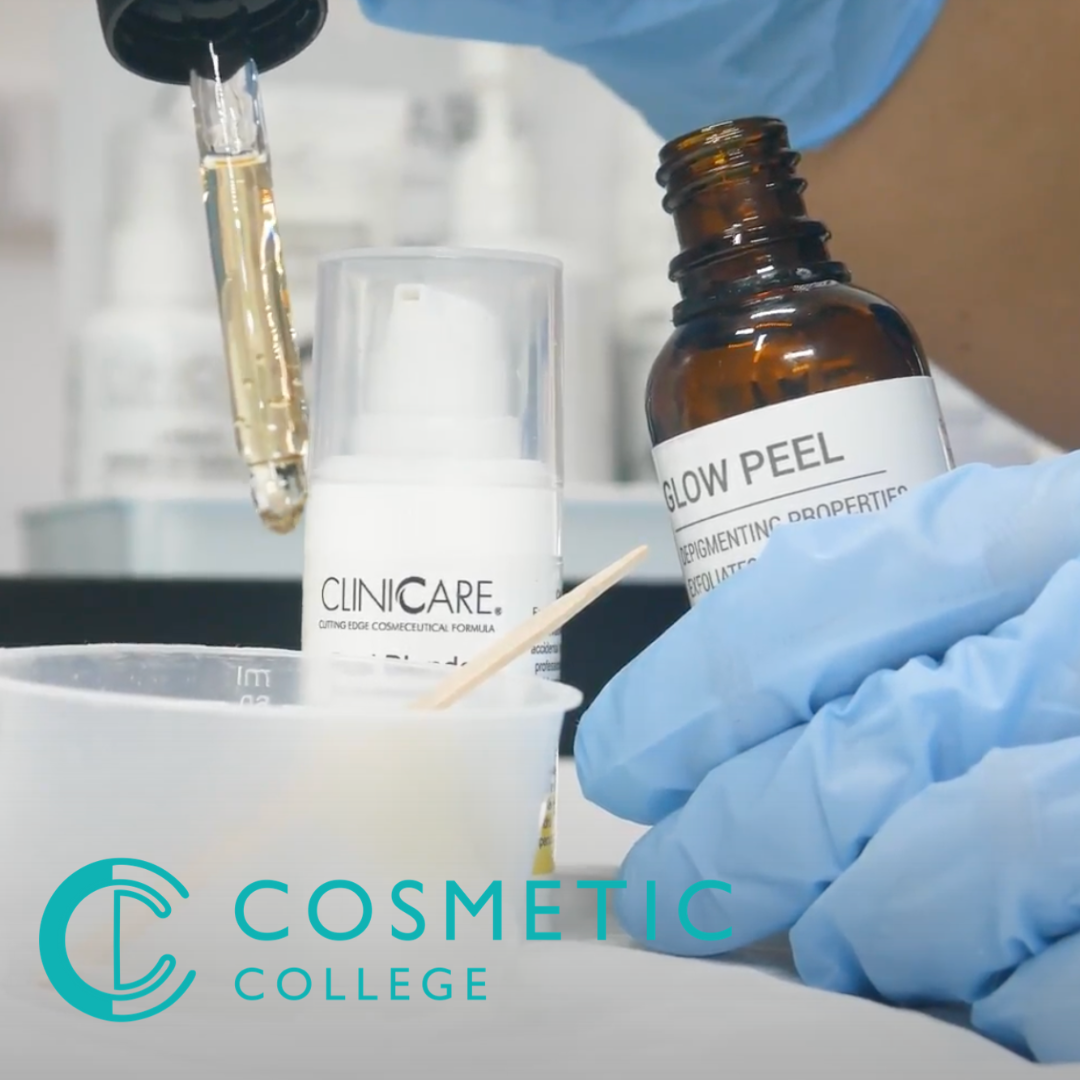
- Chemical skin peels
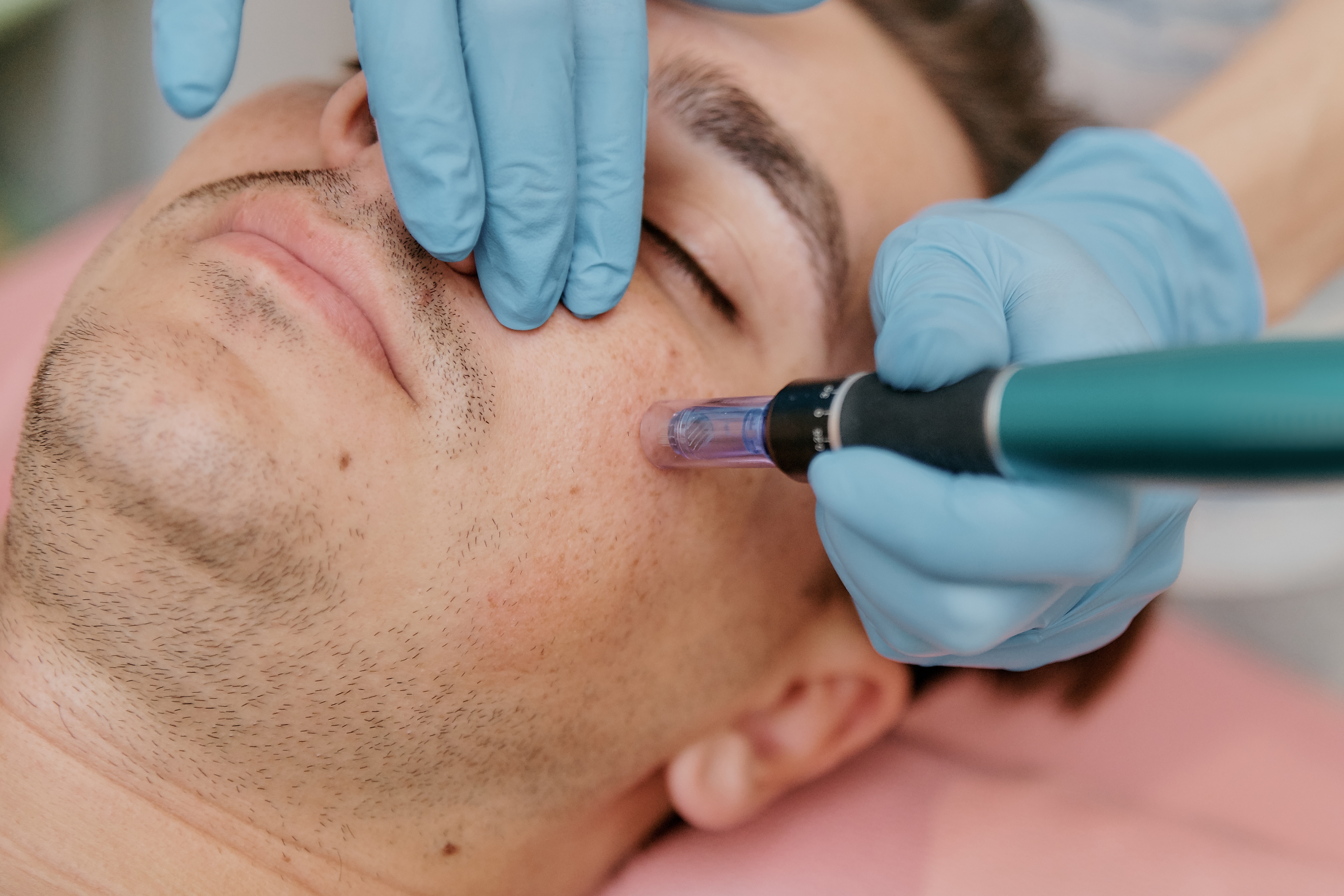
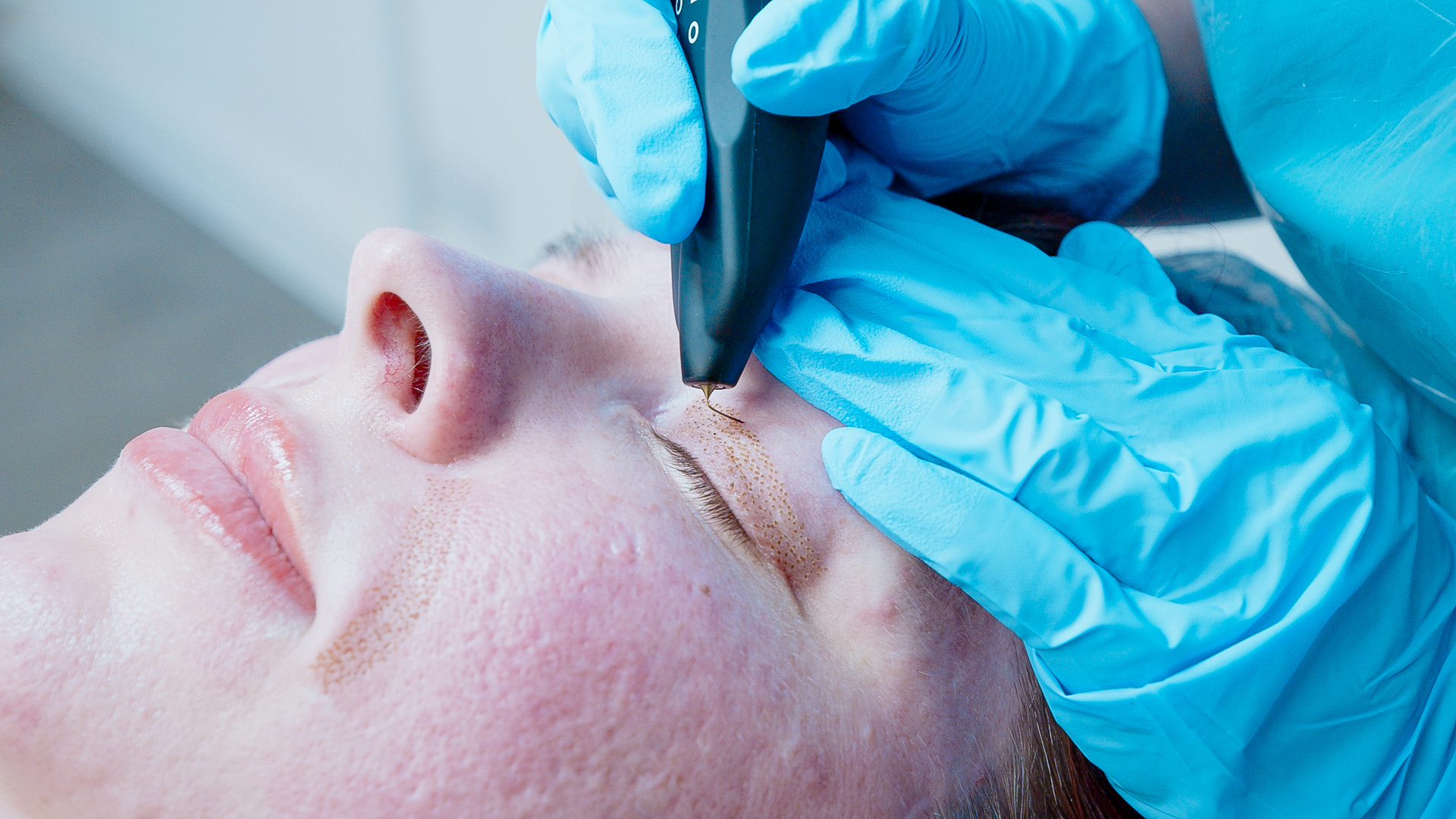
- Microneedling
Knowledge areas
- Skin healing and regeneration
- Peel ingredients and depths
- Microneedling theory and needle depth
- Contraindications and adverse reactions
- Treatment mapping and planning
- Advanced hygiene and safety
Benefits of Level 4
- Enables you to offer high-demand skin rejuvenation treatments
- Required for progression to Level 5
- Recognised within the future licensing framework
Level 5: Advanced Corrective Skin Procedures
VTCT Level 5 Certificate in Non-Surgical Aesthetic Procedures for Skin
Level 5 expands your skills into corrective and targeted skin procedures for more complex client concerns.
Practical components
- Advanced microneedling
- Advanced chemical peels
- Mesotherapy
- LED light therapy
Knowledge areas
- Corrective treatment planning
- Treating pigmentation, acne and ageing
- Mesotherapy formulations
- Advanced wound healing
- Complication management
- Evidence-based practice
Benefits of Level 5
- Expands your treatment menu
- Allows you to address advanced skin concerns
- Provides a clear progression route into injectables
Level 7: The Highest Standard in Injectable Aesthetic Practice
VTCT Level 7 Diploma in Non-Surgical Aesthetic Injectable Procedures (Not a Certificate)
Level 7 is the most advanced Ofqual-regulated qualification in aesthetics and prepares practitioners for safe and professional injectable practice.
Practical components
You will learn to administer:
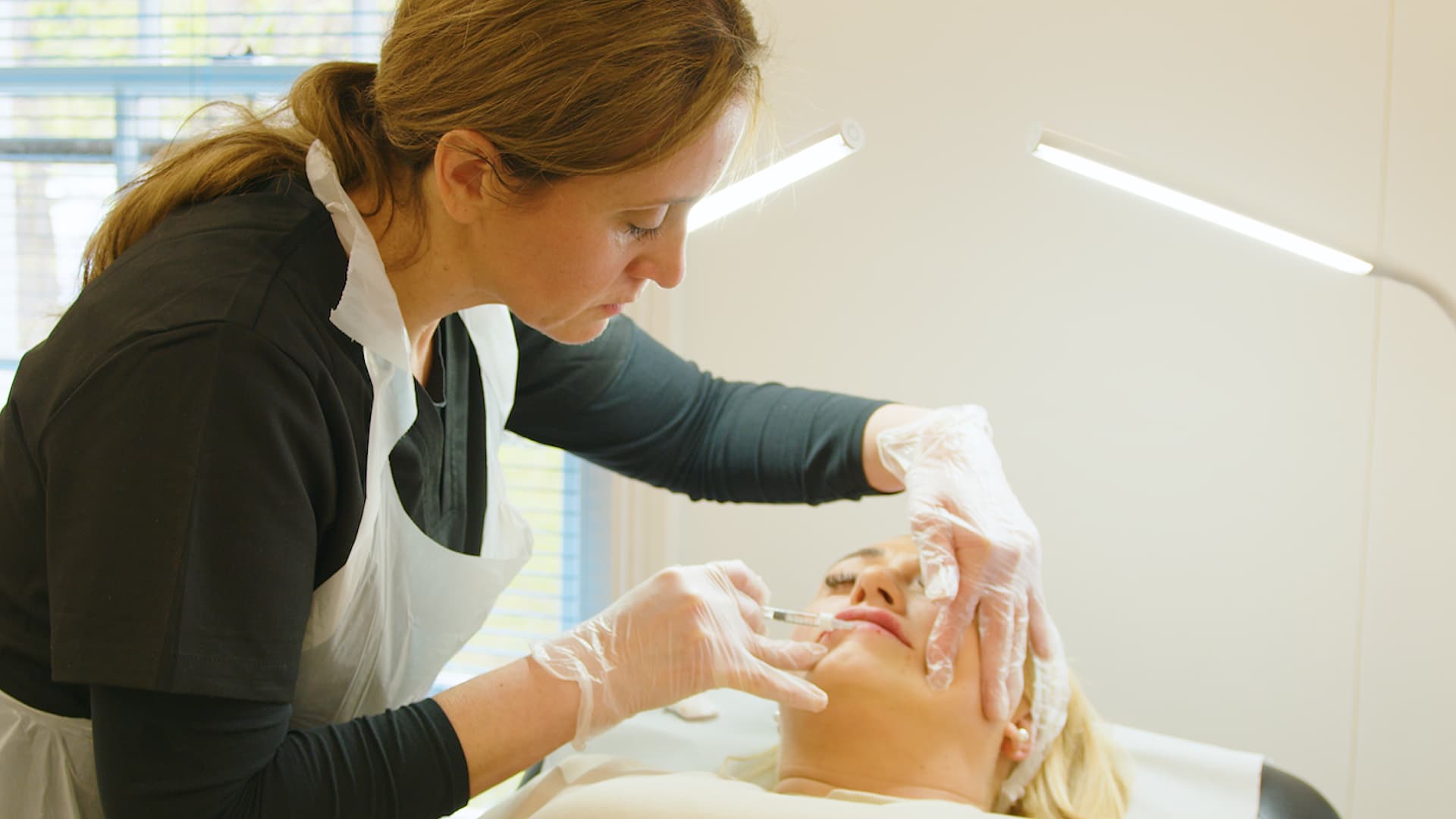
- Dermal fillers
- Anti-wrinkle injections
- Injectable skin boosters
Knowledge areas
- Advanced facial anatomy
- Vascular mapping and injection safety
- Product science and pharmacology
- Needle and cannula techniques
- Complication identification and management
- Client suitability and ethical considerations
- Supervised live model treatments
- Summative clinical assessment and case studies
Benefits of Level 7
- The highest recognised injectable qualification in the United Kingdom
- Preferred by insurers and employers
- Expected to be required under future licensing standards
- Enables full injectable practice and career progression
Your Complete Aesthetic Career Roadmap
| Level | Qualification | Practical Skills | Outcome |
|---|---|---|---|
| 3 | Level 3 Certificate in Access to Aesthetic Therapies | Facials, facial massage, basic skincare | Entry to aesthetics |
| 3 Safety | Level 3 Award in BLS, AED and Anaphylaxis | Emergency response skills | Required for advanced practice |
| 4 | Level 4 Certificate in Advanced Aesthetic Therapies | Chemical peels, microneedling | Advanced skin rejuvenation |
| 5 | Level 5 Certificate in Non-Surgical Aesthetic Skin Procedures | Peels, microneedling, mesotherapy, LED | Corrective and clinical skin treatments |
| 7 | Level 7 Diploma in Injectable Procedures | Dermal fillers, anti-wrinkle injections, injectable skin boosters | Fully qualified injector |
Investment and earning potential at each level
Understanding the cost, earning potential, and ROI timeline for each qualification helps you plan your career progression strategically.
| Level | Typical Cost | Treatment Pricing Unlocked | Earning Range (Annual) | ROI Timeline |
|---|---|---|---|---|
| Level 3 | £1,500–£2,500 | Consultations, facials, basic skincare (£30–£60/session) | £28,000–£45,000 (full-time) | 2–4 months |
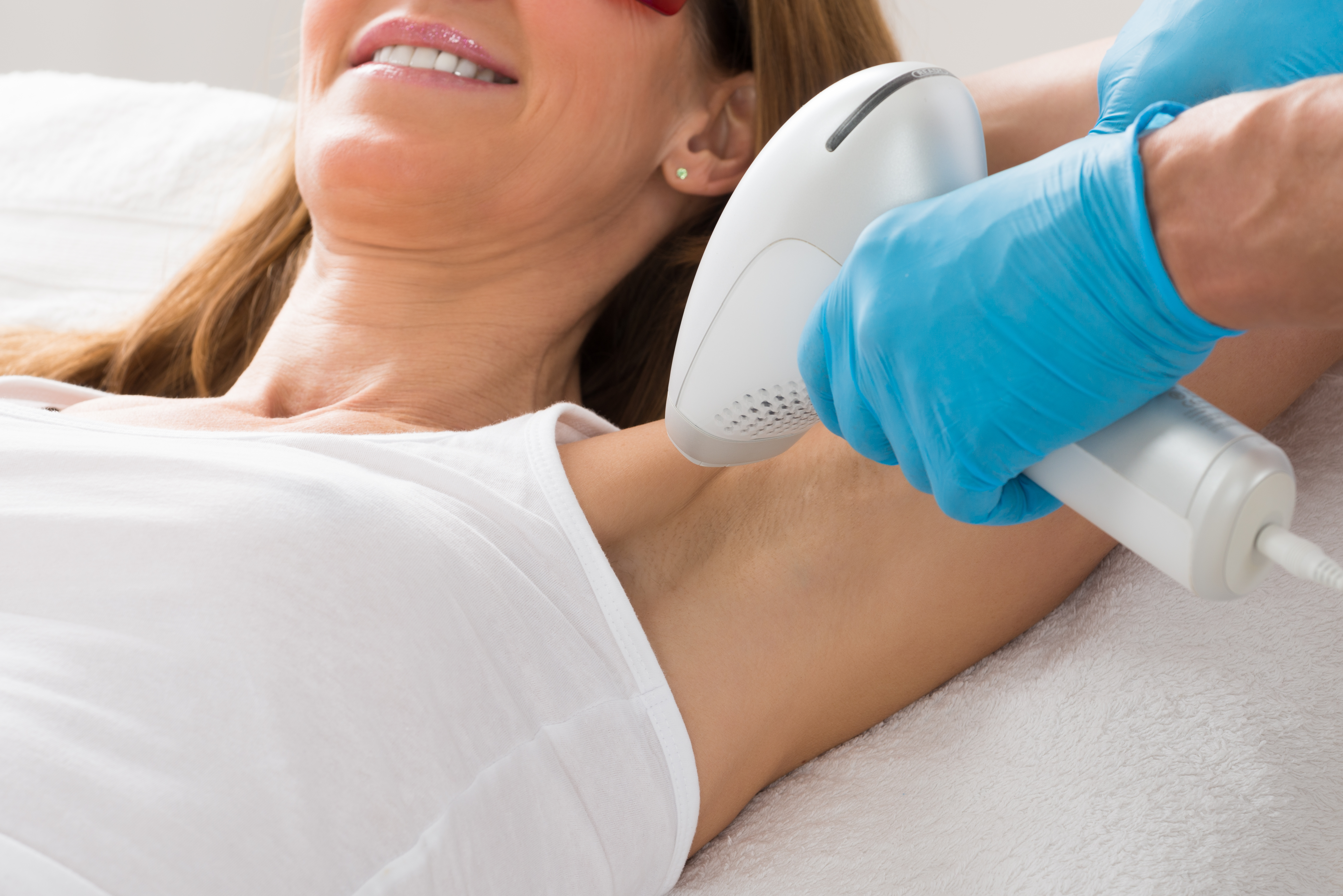
| Level 4 | £2,500–£4,000 | Chemical peels (£80–£200), laser hair removal (£50–£150/area) | £45,000–£75,000 (full-time) | 4–8 months |
| Level 5 | £3,000–£5,000 | Microneedling (£150–£350), mesotherapy (£150–£300), advanced peels (£80–£200) | £50,000–£80,000 (full-time) | 6–10 months |
| Level 7 | £5,000–£8,000 | Dermal fillers (£200–£400/ml), anti-wrinkle injections (£150–£300/area) | £75,000–£120,000+ (full-time) | 10–18 months |
Key insights for progression planning
Level 3 Foundation (2–4 weeks, £1,500–£2,500):
- Entry point to the aesthetic industry
- Builds core knowledge of anatomy, physiology, consultation, and hygiene
- Treatment pricing is modest (£30–£60/session for facials and basic skincare)
- Earning potential is lower (£28,000–£45,000 annually full-time)
- Essential prerequisite for all higher levels
- ROI is fastest because investment is lowest; most practitioners recover costs within 2–4 months of full-time practice
Level 4 Advancement (8–12 weeks, £2,500–£4,000):
- Introduces advanced rejuvenation treatments (chemical peels, microneedling, laser hair removal)
- Earning potential increases by 50–70% compared to Level 3 alone
- Treatment pricing jumps significantly (£50–£200/session)
- ROI timeline extends to 4–8 months because higher course costs are offset by higher treatment demand
- Recommended for practitioners building specialist skin or laser services
Level 5 specialisation (8–12 weeks, £3,000–£5,000):
- Expands treatment menu to corrective procedures (advanced microneedling, mesotherapy, advanced peels)
- Earning potential increases another 10–15% compared to Level 4
- Allows premium positioning and multi-session treatment plans
- ROI timeline is 6–10 months (longer than Level 4 because course is slightly more expensive, but earning potential is higher)
- Ideal stepping stone before Level 7 injectables or for practitioners focusing on advanced skin therapies
Level 7 Premium Route (6–12 months, £5,000–£8,000):
- The highest regulated qualification in UK aesthetics
- Earning potential increases dramatically by 25–50% compared to Level 5
- Unlocks premium injectable services (fillers £200–£400, anti-wrinkle £150–£300/area)
- ROI timeline is longer (10–18 months) due to extended study duration, but lifetime earning potential is 50–100% higher
- Highest insurance credibility and future-proofing for Health and Care Act 2022 licensing reforms
- Recommended for practitioners with clear injectable focus or clinic owners building premium positioning
Cumulative progression strategy
Many practitioners follow a staged progression strategy to manage costs and build confidence:
- Year 1: Level 3 (£1,500–£2,500) + Level 4 (£2,500–£4,000) = £4,000–£6,500 investment, £45,000–£75,000 earning potential
- Year 2: Level 5 (£3,000–£5,000) = Additional £3,000–£5,000 investment, earning potential increases to £50,000–£80,000
- Year 3+: Level 7 (£5,000–£8,000) = Additional £5,000–£8,000 investment for £75,000–£120,000+ earning potential
Total 3-year investment: £12,000–£19,500 Year 3 annual earnings: £75,000–£120,000+
This staged approach spreads costs over time, allows you to validate market demand at each level, and builds clinical confidence progressively.
Begin Your Aesthetics Career Today
Cosmetic College provides the complete regulated route from Level 3 to Level 7 with blended learning (online theory plus in-person practical training). You can begin with no experience and progress to advanced injectable practice with full support from our tutors and admissions team.
Related Career Guides
Before enrolling, explore these supporting guides to understand your options:
- How to Become an Aesthetic Practitioner in the UK
- Aesthetics Training Finance UK: Budget and Cash-Flow Planning
- Career Progression After VTCT Level 4
Frequently asked questions
What's the fastest route from beginner to earning income in aesthetics? Level 3 (2–4 weeks, £1,500–£2,500) is the fastest entry point. Most practitioners begin earning within 2–4 months of completion, offering basic facials and skincare treatments at £30–£60/session. However, if you want to offer higher-revenue treatments immediately (microneedling, peels, injectables), investing in Level 4 and Level 5 first (total 4–6 months, £6,000–£10,000 upfront) will generate £45,000–£80,000 annually once established.
Can I realistically complete Level 3 to Level 5 in one year? Yes, but it requires disciplined scheduling. Level 3 (2–4 weeks) + Level 4 (8–12 weeks) + Level 5 (8–12 weeks) = 18–28 weeks of study, plus practical training hours. Many practitioners complete this over 6–9 months of part-time study while maintaining employment, then transition to full-time practice by month 9–12. Plan for £6,000–£10,000 cumulative investment and dedicate 15–20 hours/week to study and practical sessions.
How much should I expect to spend on professional indemnity insurance? Professional indemnity insurance typically costs £100–£250/year for Level 3–5 practitioners, and £150–£300/year for Level 7 injectors (due to expanded liability scope). Some insurers offer discounts for practitioners holding multiple VTCT qualifications. Budget an additional £150–£300/year for public liability insurance if you're self-employed or renting treatment space.
What are the prerequisites for each level?
- Level 3: No formal prerequisites; good starting point for career changers
- Level 3 Safety (BLS/AED): Required before Level 4, 5, or 7
- Level 4: Must hold Level 3 + Level 3 Safety qualification
- Level 5: Must hold Level 4 + Level 3 Safety
- Level 7: Must hold Level 4 or Level 5 + Level 3 Safety; many providers recommend Level 5 first for non-medics
Does the Health and Care Act 2022 affect my qualification choice? Yes, significantly. The Health and Care Act 2022 signals that government licensing for aesthetic practitioners will be implemented, likely requiring VTCT qualifications aligned with JCCP (Joint Council for Cosmetic Practitioners) and CPSA (Cosmetic Practitioners Standards Authority) standards. All VTCT levels (3–7) are Ofqual-regulated and already meet expected standards. By completing your pathway now, you're future-proofing your credentials and ensuring compliance once licensing is mandatory.
What happens if I only want to offer specific treatments, like laser hair removal? You can specialise, but regulation requires foundational qualifications first. For laser hair removal specifically: Level 3 (foundation) → Level 4 Laser and IPL (specialist). This combination (£4,000–£6,500 investment) unlocks laser hair removal pricing of £50–£150/area, earning potential of £45,000–£75,000 annually. Many practitioners then add Level 5 Laser Tattoo Removal (£3,000–£5,000, 5–10 working days intensive) to expand service scope to tattoo removal (£80–£250/session, 6–12 sessions per client = £480–£3,000 lifetime value).
Is it worth studying while working full-time? Yes, most practitioners do this. Blended learning (online theory + onsite practicals) allows flexibility. Typical schedule: 10–15 hours/week of online study + 2–3 full days/month for onsite practicals. Many study evenings and weekends over 6–12 months, then transition to full-time practice once qualified. Your first-year investment (£4,000–£10,000 depending on route) is usually recouped within 3–8 months of full-time practice, making part-time study financially prudent.
After Level 7, are there further qualifications? Level 7 is the highest VTCT qualification in aesthetics. Beyond Level 7, practitioners typically specialise through: (1) CPD courses in advanced techniques (advanced facial anatomy, advanced complication management), (2) specialist certifications (Master Injector training, advanced filler techniques), or (3) business and clinic management qualifications. Many Level 7-qualified practitioners also pursue related qualifications like Level 5 Laser Tattoo Removal to expand service scope and earning potential.
How do I know if I'm ready to progress from one level to the next? You're ready to progress when: (1) you meet formal prerequisites (Level 3 before Level 4, Level 4 before Level 5, etc.), (2) you've built confidence with current-level treatments (typically 50–100 client treatments), (3) you understand your market and can see demand for next-level services, and (4) you have budgeted for the next course investment. Use Pathway to Aesthetics to confirm readiness and book a callback to discuss your progression timeline with admissions.
Next Steps
Request a callback: Request a Callback
View all VTCT courses: VTCT course hub | View all aesthetics courses
Compare routes with a quick assessment: Best Course Quiz
Map your route in detail: Pathway to Aesthetics
Check course dates: Training Course Calendar
Editorial Standards
Author
Cosmetic College Editorial Team
Aesthetic Education Editorial Team
Cosmetic College specialists and admissions advisers produce this content to help learners choose regulated progression routes and make safer, better-informed training decisions.
Review cycle
Published: 24 November 2025
Last reviewed: 24 November 2025
Reading time: 11 min
Sources and References
- Level 3 to Level 7: Building Your Career in Aestheticsimages.ctfassets.net
- How to Become an Aesthetic Practitioner in the UKcosmetic.college
- Aesthetics Training Finance UK: Budget and Cash-Flow Planningcosmetic.college
- Career Progression After VTCT Level 4cosmetic.college
- Pathway to Aestheticscosmetic.college
- callbackcosmetic.college
- VTCT course hubcosmetic.college
- View all aesthetics coursescosmetic.college
- Best Course Quizcosmetic.college
- Training Course Calendarcosmetic.college