












The right question is not only "what is the laser tattoo removal course cost UK" but "what route gives the strongest commercial and clinical readiness for the money invested?" This guide covers VTCT laser tattoo removal course cost UK structures, what influences pricing, hidden costs, and how to evaluate long-term ROI on your tattoo removal training cost UK investment.
What drives laser tattoo removal course cost UK
Laser tattoo removal course cost UK usually reflects:
- VTCT route structure and qualification strength
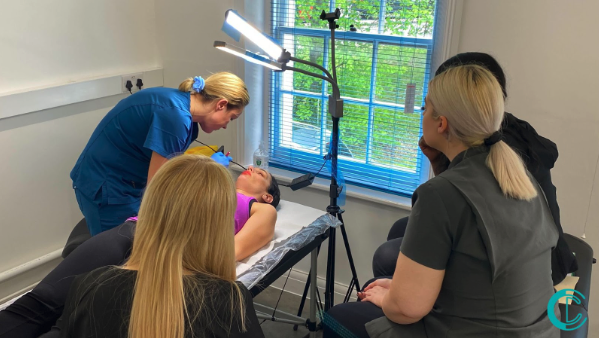
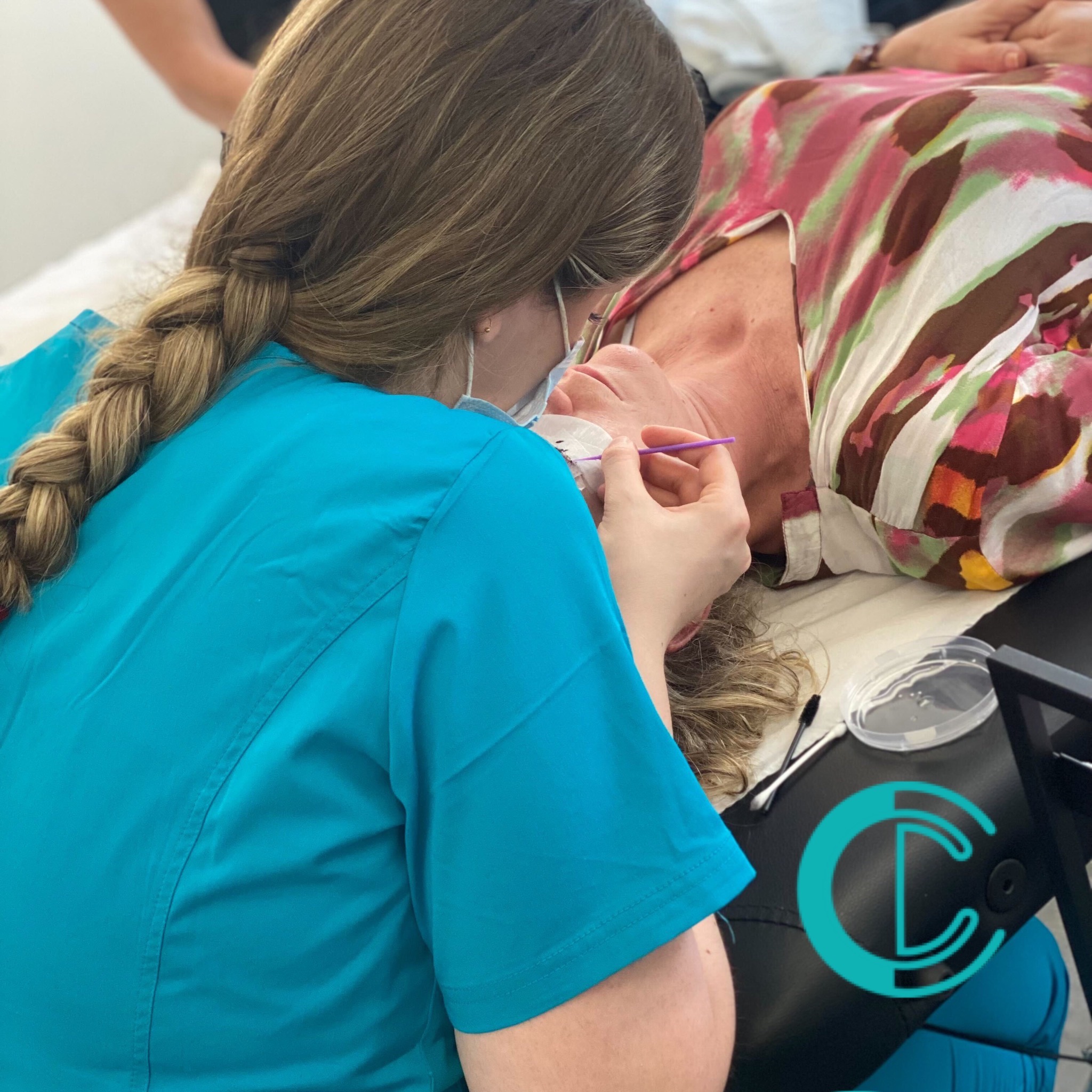
- Practical delivery depth (live model treatments, equipment access, assessment quality)
- Tutor oversight and real-time feedback during practical sessions
- Progression planning and admissions advisory quality
- Technology coverage (Q-switched and picosecond systems)
- Post-qualification support and community access
A low initial tattoo removal training cost UK can become expensive if it delays progression or requires extra retraining later. The cheapest course is rarely the best investment when you factor in quality, speed to competency, and insurance requirements.
Typical cost breakdown
Understanding each cost component helps you budget realistically and compare providers fairly.
Training and assessment costs
| Cost item | Typical range | Details |
|---|---|---|
| VTCT Level 4 prerequisite (if not already qualified) | £1,500–£4,000 | Required before progressing to Level 5; 8–12 weeks duration |
| VTCT Level 5 tattoo removal course | £1,500–£4,000 | 5–10 working days intensive; some providers charge more for concentrated residential formats |
| Assessment and materials | £200–£600 | Included in most course fees, but check if reassessment is extra |
| Reassessment fees (if needed) | £100–£300 | Per component; not all learners require reassessment |
Post-qualification operating costs (first year)
| Cost item | Typical range | Details |
|---|---|---|
| Professional indemnity insurance | £100–£300/year | Non-negotiable; required by most insurers and employment settings |
| Special Treatment Licence (local council) | £50–£500 one-time or annual | Varies significantly by local authority; some areas have no requirement |
| CPD and professional development | £200–£800/year | Staying current with technology updates and safety protocols |
| Equipment (if self-employed) | £8,000–£25,000 | Major capital cost; often shared or clinic-supplied if employed |
| Consumables and PPE (initial stock) | £300–£800 | Protective eyewear, cooling gel, sterile gloves, treatment packs |
Realistic pathway costs (non-equipment scenario)
If you're employed or renting clinic chair space:
- Level 4 (prerequisite, if needed): £1,500–£4,000
- Level 5 course: £1,500–£4,000
- Assessment/materials: £200–£600
- Professional indemnity insurance: £100–£300
- Council licensing: £50–£500
- Initial consumables: £300–£800
- Total: £3,650–£10,200
If you're building as a self-employed practitioner:
- Level 4 prerequisite: £1,500–£4,000
- Level 5 course: £1,500–£4,000
- Assessment/materials: £200–£600
- Professional indemnity insurance: £100–£300
- Council licensing: £50–£500
- Equipment purchase: £8,000–£25,000
- Consumables and PPE: £300–£800
- Total: £11,650–£35,200
Equipment is the largest variable cost. Many new practitioners start employed or with chair rental to avoid capital investment, then transition to self-employment once revenue supports equipment purchase.
Laser tattoo removal course cost UK comparison checklist
Before choosing a laser tattoo removal course cost UK, compare:
- Qualification outcomes: VTCT-regulated Level 5 with clear pathways to service expansion.
- Practical confidence-building: Not just theory coverage; live model treatments, supervised assessment, real-world case scenarios.
- Start-date realism: Completion timeline that fits your business plan.
- Total pathway cost: Include Level 4 prerequisite (if needed), Level 5 tattoo removal training cost UK, and any ongoing support.
- Insurance readiness: Does the course provide guidance on professional indemnity and council licensing requirements?
- Progression support: Post-qualification mentoring or access to advanced modules.
Use VTCT Level 5 Certificate in Laser Tattoo Removal as the reference point and review detailed cost guidance in our VTCT laser tattoo removal course UK guide.
Hidden costs to watch for in laser tattoo removal training
When budgeting your laser tattoo removal course cost UK, account for:
- Delayed progression from weak prerequisite planning (adding 3-6 months to readiness)
- Additional training to fill practical gaps or weak assessment outcomes
- Lost earnings due to slower service readiness and longer time-to-revenue
- Insurance and licensing delays from incomplete compliance guidance
- Re-equipment costs if training uses outdated or proprietary laser systems
Plan progression carefully from laser hair removal and IPL training where relevant, and validate fit with Pathway to Aesthetics tool. For more earnings context, explore whether tattoo removal is a profitable skill and what training you need.
How to protect ROI on your laser tattoo removal training investment
| Decision lever | ROI impact |
|---|---|
| Strong practical supervision | Better treatment confidence, fewer clinical setbacks, faster time-to-earning |
| Clear pathway planning | Faster progression, reduced re-training, faster service expansion |
| Realistic scheduling | Higher completion probability, earlier revenue generation |
| Expert admissions guidance | Right course level, lower route-change risk, better business outcomes |
| Insurance and licensing support | Faster council approvals, fewer compliance delays, quicker service launch |
The best laser tattoo removal course cost UK is the one that minimises total time-to-competency and maximises your commercial readiness. Quality training typically recoup its cost through better client retention and premium pricing within 6–12 months of launch.
For personalised route advice and tattoo removal training cost UK estimates, use Request a Callback and check cohort timing in the training calendar.
Time to profitability
Understanding when you'll break even on training investment helps with business planning and cash flow management.
Realistic profitability timeline
Weeks 1–4 (post-qualification): Most practitioners complete insurance and licensing requirements within 2–4 weeks and begin accepting clients. Initial bookings may be slow as you build client awareness and referral networks.
Weeks 4–8: As referrals increase and word-of-mouth spreads, booking frequency improves. Practitioners doing 10–15 sessions weekly begin generating meaningful revenue. At £150 average revenue per session, 12 weekly sessions generates £1,800/week or £7,200/month.
Weeks 8–16 (2–4 months): Most practitioners break even on training investment around the 8–12 week mark, assuming consistent client bookings. A practitioner investing £3,500 in Level 4 + Level 5 training breaks even after approximately 25–30 billable sessions at an average of £120 per session.
Weeks 16–26 (4–6 months): Established practices with regular referral patterns typically achieve full profitability, covering training investment, insurance, consumables, and generating personal income.
Profitability acceleration factors
Client volume and retention: The faster you fill your schedule, the faster ROI. Building systems for referrals (client testimonials, referral incentives, professional partnerships with tattoo artists) accelerates revenue growth.
Premium pricing: Positioning yourself as a specialist with strong consultation and proven results justifies higher pricing (£150–£250+ per session vs lower-cost competitors). Specialist pricing significantly accelerates profitability.
Repeat client value: Tattoo removal clients typically commit to 6–12 sessions over 12–18 months. A single client acquisition can generate £800–£3,000 lifetime value, reducing the cost of marketing and client acquisition over time.
Service bundling: Practitioners offering both laser hair removal (Level 4) and tattoo removal (Level 5) can cross-sell and improve per-client lifetime value, accelerating profitability.
Profitability scenarios
Scenario 1 (employed practitioner, 10 sessions/week):
- Average revenue per session: £120
- Weekly revenue: £1,200
- Monthly revenue (4.3 weeks): £5,160
- Consumables and overhead allocation: ~30%
- Monthly net contribution: ~£3,600
- Training investment breakeven: 1–2 months (25–30 sessions)
Scenario 2 (self-employed, 20 sessions/week, premium pricing):
- Average revenue per session: £160
- Weekly revenue: £3,200
- Monthly revenue: £13,760
- Consumables and overhead: ~25%
- Monthly net contribution: ~£10,320
- Training investment breakeven: 4–6 weeks (25–30 sessions)
- Full profitability (covering insurance, licensing, CPD): 2–3 months
Most practitioners beginning with employed or shared-clinic models transition to higher revenue scenarios within 6–12 months as experience and reputation grow, significantly accelerating profitability on their training investment.
Is a higher-fee laser tattoo removal course always better? No. A higher headline fee doesn't guarantee better outcomes. Compare VTCT structure, supervision depth, practical model treatments, technology coverage (Q-switched and picosecond systems), and post-course support. Mid-range pricing often provides the best value if quality is strong.
Can I estimate total laser tattoo removal course cost UK before enrolling? Yes. Request a detailed breakdown: (1) Level 4 prerequisite cost if needed, (2) Level 5 course fee, (3) assessment costs, (4) materials and PPE, (5) any post-qualification support or mentoring. Include timeline to understand cost-per-month impact on cash flow.
Should I consider local demand in my area before enrolling in laser tattoo removal training? Yes. Research local competition, average pricing, client demographics, and willingness to pay. Strong local demand for premium services justifies higher training investment; weak demand may require stronger business planning.
What is the biggest pricing mistake learners make when choosing laser tattoo removal training UK? Choosing based only on headline fee without checking full route quality. The cheapest course often costs more in the long run through slower progression, weak practical training, and delay in launching profitable services. Budget for value, not just upfront price.
Does professional indemnity insurance cost factor into laser tattoo removal training cost UK? Yes. Budget £100–£300/year for professional indemnity. Your training provider should confirm that their course meets insurer requirements. Poorly-qualified courses may make insurance difficult to obtain, creating hidden costs.
Can I start as part-time after completing Level 5 tattoo removal training? Yes. Many practitioners start with part-time bookings while maintaining other work, then transition to full-time as demand grows. Part-time practice (5–10 sessions weekly) still breaks even on training investment within 6–12 months; full-time practice achieves breakeven faster (4–8 weeks).
Should I invest in both Q-switched and picosecond laser equipment? Most starting practitioners operate with Q-switched systems (more common, lower entry cost). As revenue grows and client base builds, adding picosecond capability allows you to tackle stubborn colours and market premium "multi-technology" services. This staged equipment investment reduces upfront capital risk.
Is it worth financing a laser tattoo removal course if upfront cost is a barrier? Possibly, if the course provider or your employer offers financing. At £150–£160 per session and 20–25 weekly sessions achievable within 2–3 months, short-term financing at reasonable rates (under 10% APR) pays dividends quickly. Crunch the numbers with your provider or financial advisor.
How much should I budget for marketing and client acquisition after completing Level 5? Budget £200–£500 initially for website updates, before-and-after portfolio photos, professional photography, and local marketing (directory listings, Google Business, social media). As revenue builds, reinvest 5–10% of gross revenue in marketing to accelerate referral growth and client acquisition.
What's the biggest cost mistake practitioners make in tattoo removal training? Underestimating true pathway cost. Practitioners focus on course fees (£2,000–£4,000) but overlook insurance (£100–£300/year ongoing), licensing (£50–£500), equipment if self-employed (£8,000–£25,000), and consumables. Calculate total investment including equipment and post-qualification costs before enrolling, not just headline course price.
Editorial Standards
Author
Cosmetic College Editorial Team
Aesthetic Education Editorial Team
Cosmetic College specialists and admissions advisers produce this content to help learners choose regulated progression routes and make safer, better-informed training decisions.
Review cycle
Published: 23 January 2026
Last reviewed: 23 January 2026
Reading time: 8 min
Sources and References
- VTCT Level 5 Certificate in Laser Tattoo Removalcosmetic.college
- VTCT laser tattoo removal course UK guidecosmetic.college
- laser hair removal and IPL trainingcosmetic.college
- Pathway to Aestheticscosmetic.college
- whether tattoo removal is a profitable skill and what training you needcosmetic.college
- Request a Callbackcosmetic.college
- training calendarcosmetic.college