









If your goal is a sustainable career, aesthetics training UK decisions should be pathway-led. The strongest route is usually one that balances Ofqual-regulated qualification quality, practical confidence, and progression clarity. With the UK aesthetics industry worth over £3.6 billion and growing demand for accredited practitioners, choosing the right training route is critical to your long-term success.
What the UK aesthetics training pathway looks like
The UK aesthetic qualifications framework progresses across four VTCT levels, each unlocking new treatment scope and earning potential:
| Level | Qualification | Duration | Key Focus | You Can Deliver | Earning Range | Typical Role |
|---|---|---|---|---|---|---|
| 3 | Certificate in Access to Aesthetic Therapies | 4-6 weeks | Anatomy, physiology, consultation, ethics, hygiene | Client consultation, skincare assessment, product recommendations, patch testing | £28,000-£45,000/year | Associate/junior therapist |
| 4 | Certificate in Advanced Aesthetic Therapies for Skin | 8-12 weeks | Tissue interaction, laser/IPL fundamentals, contraindications, device safety | Chemical peels (£80-£200), LED therapy, professional facials, basic IPL, laser hair removal (£50-£150/area) | £45,000-£75,000/year | Senior therapist/clinic lead |
| 5 | Certificate in Non-Surgical Aesthetic Procedures for Skin | 8-12 weeks | Advanced skin science, corrective protocols, microneedling, mesotherapy, advanced peels | Microneedling (£150-£350), mesotherapy (£150-£300), advanced chemical peels, skin rejuvenation | £50,000-£80,000/year | Advanced practitioner/freelance |
| 7 | Diploma in Non-Surgical Aesthetic Injectable Procedures | 6-12 months (with portfolio) | Facial anatomy, filler chemistry, botulinum toxin pharmacology, complication management | Dermal fillers (£200-£400), anti-wrinkle injections (£150-£300/area), advanced facial contouring | £75,000-£120,000+/year | Specialist/clinic owner |
All qualifications are blended learning: online theory combined with in-person practical days, allowing you to progress while maintaining work or other commitments. Assessment includes both knowledge tests and practical demonstration with live models (particularly for Level 7).
Where to start in UK aesthetics
Start by defining:
- Your current baseline and experience
- The treatments you want to deliver in 12-24 months
- The qualification sequence needed to get there
Use Pathway to Aesthetics as your route planner. For beginners, review our aesthetics course for beginners UK guide to understand your first steps.
Qualification strategy that scales
A practical progression model often includes:
- Foundation and consultation capability (VTCT Level 3).
- Advanced skin and device competence (VTCT Levels 4-5).
- Specialist/advanced treatment pathways (VTCT Level 7 injectables).
Review VTCT options and match route stages to realistic start dates in the training course calendar. For detailed pathway progression, see our aesthetics career pathway UK guide.
What you'll earn at each stage
Understanding earning potential helps you sequence your investment and judge return on qualification spend:
Level 3 Foundation (4-6 weeks investment)
- Annual earning: £28,000-£45,000 as junior/associate therapist
- Monthly treatment income (typical clinic): £2,300-£3,700
- Typical treatments: consultations, skincare recommendations, product sales, basic facials
- Position: Works in established clinic with senior supervision
- ROI: Level 3 investment (£1,500-£2,500) typically recovered within 2-3 months of trading
Level 4 Advanced Skin (additional 8-12 weeks)
- Annual earning: £45,000-£75,000 as senior therapist
- Monthly treatment income: £3,700-£6,200
- Expanded treatments: laser hair removal (£50-£150/area), chemical peels (£80-£200), IPL facials, professional skin analysis
- Position: Can lead own client relationships, build freelance base, or senior role in clinic
- ROI: Additional investment (£2,500-£4,000) typically recovered within 6-10 months
Level 5 Advanced Procedures (additional 8-12 weeks)
- Annual earning: £50,000-£80,000 as advanced practitioner
- Monthly treatment income: £4,200-£6,700
- New treatment scope: microneedling (£150-£350), mesotherapy (£150-£300), advanced peels (£100-£250)
- Position: Can establish independent practice, specialist clinic role, or high-end freelance
- Typical portfolio: 60-70% skin rejuvenation clients, 30-40% maintenance treatments
- ROI: Additional investment (£3,000-£5,000) recovered within 8-12 months
Level 7 Injectables (additional 6-12 months with portfolio)
- Annual earning: £75,000-£120,000+ as specialist
- Monthly treatment income: £6,200-£10,000+
- High-value treatments: dermal fillers (£200-£400 per treatment), anti-wrinkle injections (£150-£300/area), combination treatments
- Position: Clinic owner, medical aesthetics team, highest-earning independent practitioner role
- Typical portfolio: 40% injectable clients, 30% skin procedures, 30% maintenance and retail
- ROI: Total pathway investment (£12,000-£19,500) recovered within 18-24 months of Level 7 trading
Key financial variables affecting earnings:
- Location: London and southeast practitioners earn 20-30% more than regional UK
- Clinic model: Employed practitioners (£45,000-£75,000) vs. freelance (£60,000-£100,000+) vs. clinic ownership (£75,000-£150,000+)
- Client retention: Strong skincare routines lead to 60-80% repeat rates; injectables support 8-12 week treatment cycles
- Insurance and overhead: Professional indemnity (£100-£300/year), clinic rent (if applicable), product costs reduce net earnings by 15-25%
- Specialisation: Practitioners offering complete face aesthetics (skin + injectables) earn 30-50% more than single-service specialists
Blended learning: balancing theory and practical confidence
Understanding how VTCT training works in practice helps you choose the right format and provider:
Online Theory Component (60% of course time): Your online study typically covers:
- Anatomy & Physiology: Detailed understanding of skin structure, muscle anatomy, vascular pathways, nerve distribution
- Science Behind Treatments: How peels chemically exfoliate, how microneedling triggers collagen, how fillers create volume, how botulinum toxin works at the neuromuscular junction
- Health & Safety: COSHH regulations, infection control, sterilisation protocols, adverse reaction reporting, safeguarding
- Professional Standards: Client confidentiality, record-keeping (GDPR compliance), consent procedures, professional conduct, referral pathways
- Contraindications & Client Selection: Who can and cannot have treatments, medication interactions, pregnancy/breastfeeding considerations, medical condition assessment
Online modules typically take 4-8 hours per week depending on your chosen pace. You access content 24/7, work through knowledge checks, and submit assignments for feedback. This flexibility allows you to study around existing work or commitments.
In-Person Practical Sessions (40% of course time): Scheduled practical days focus on:
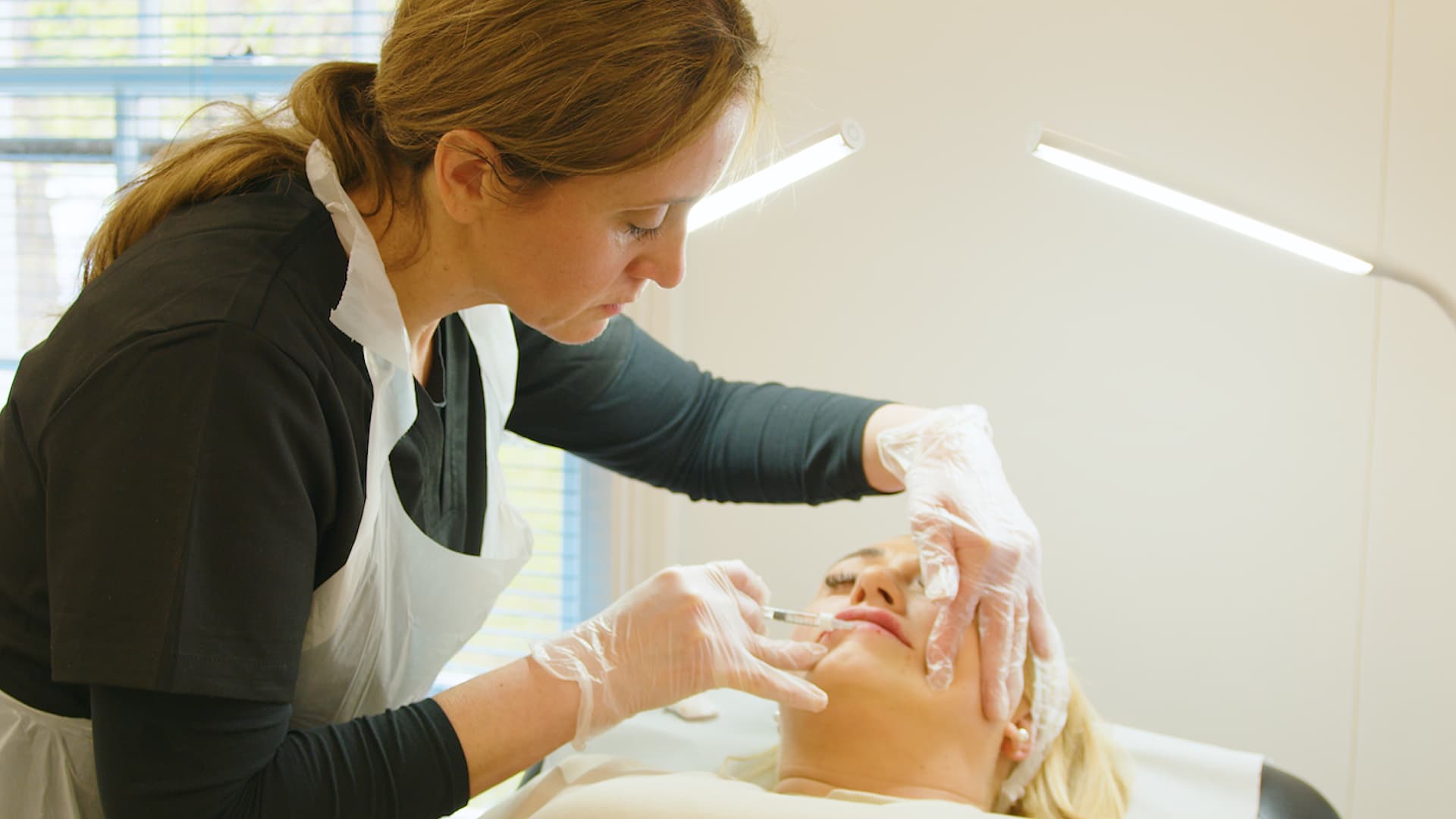
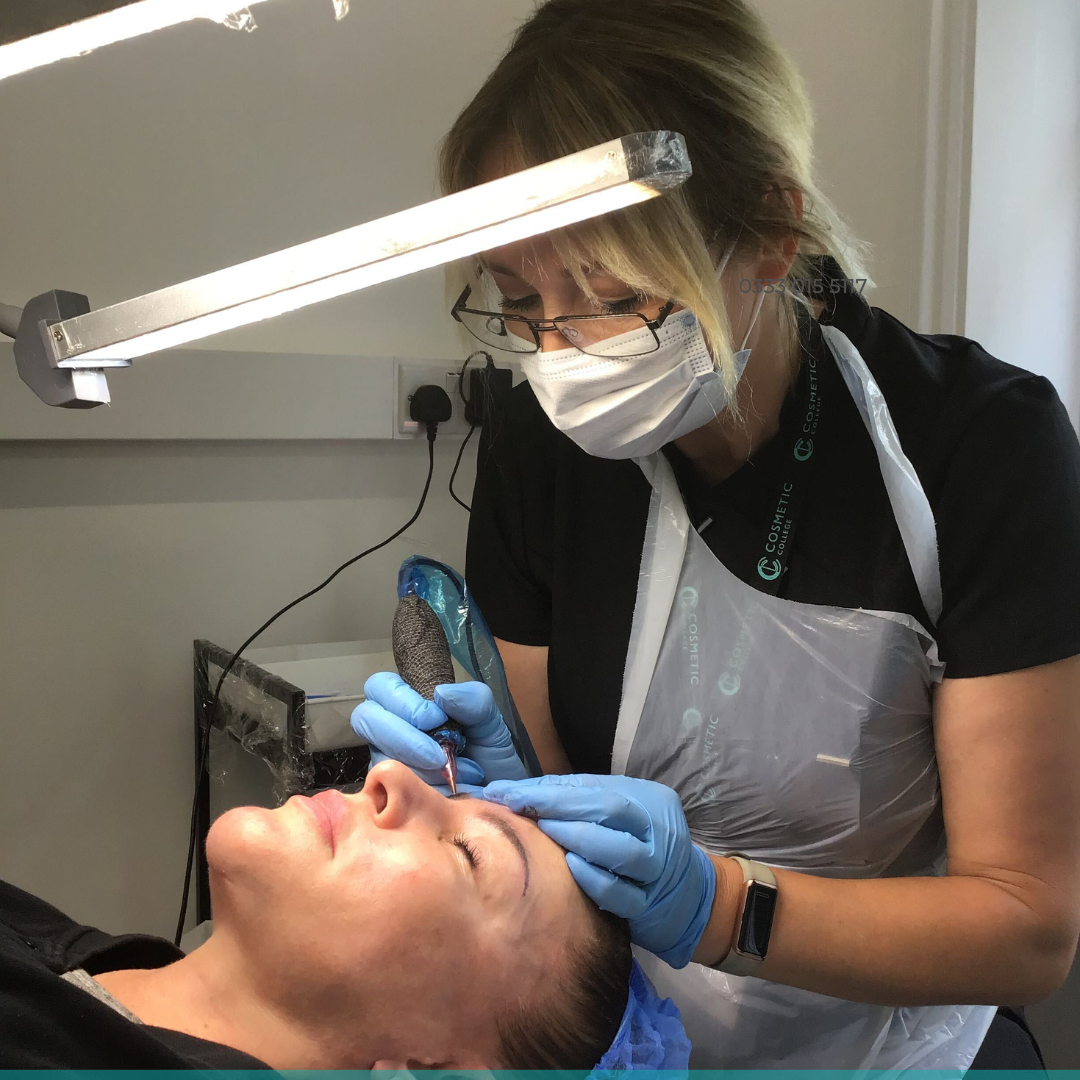
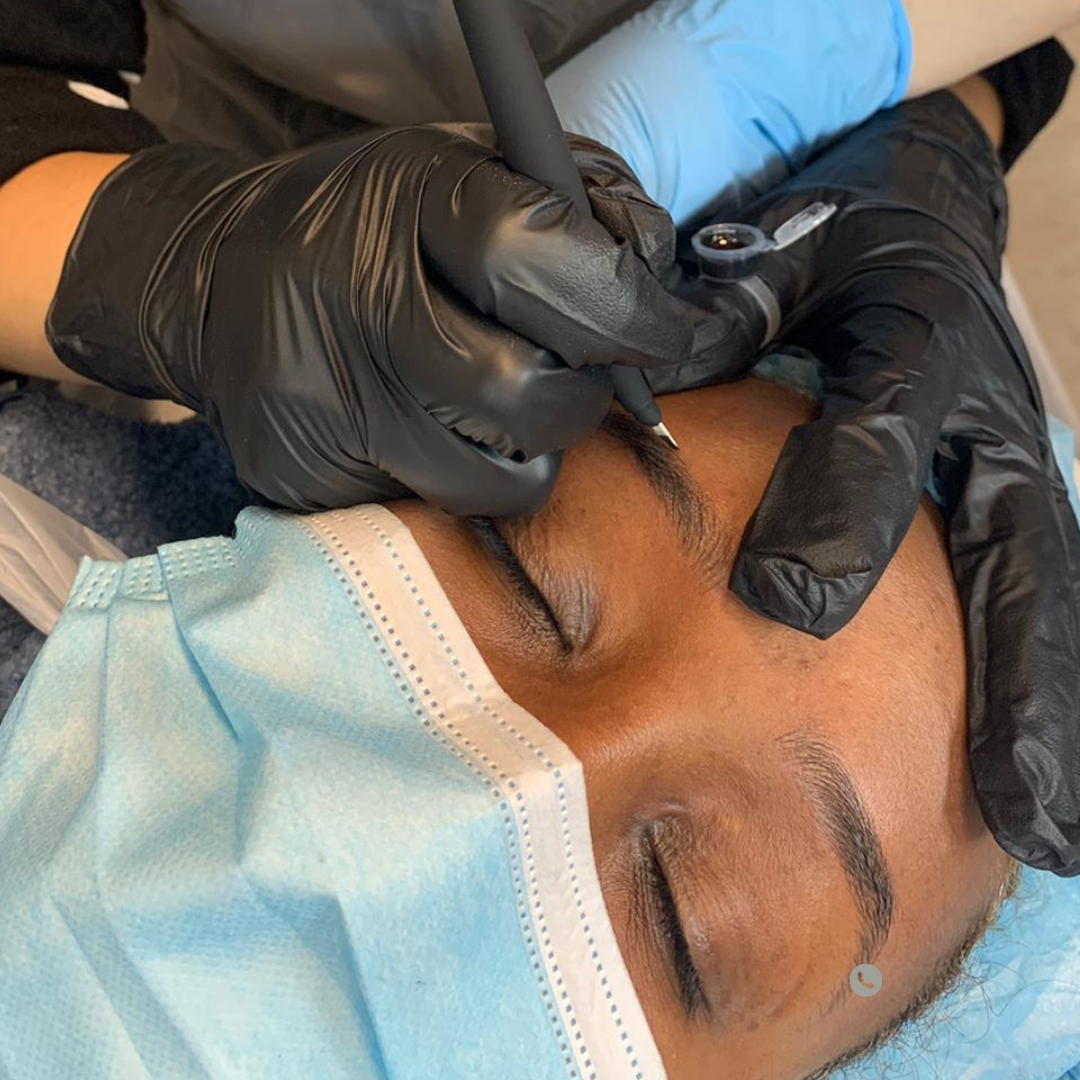
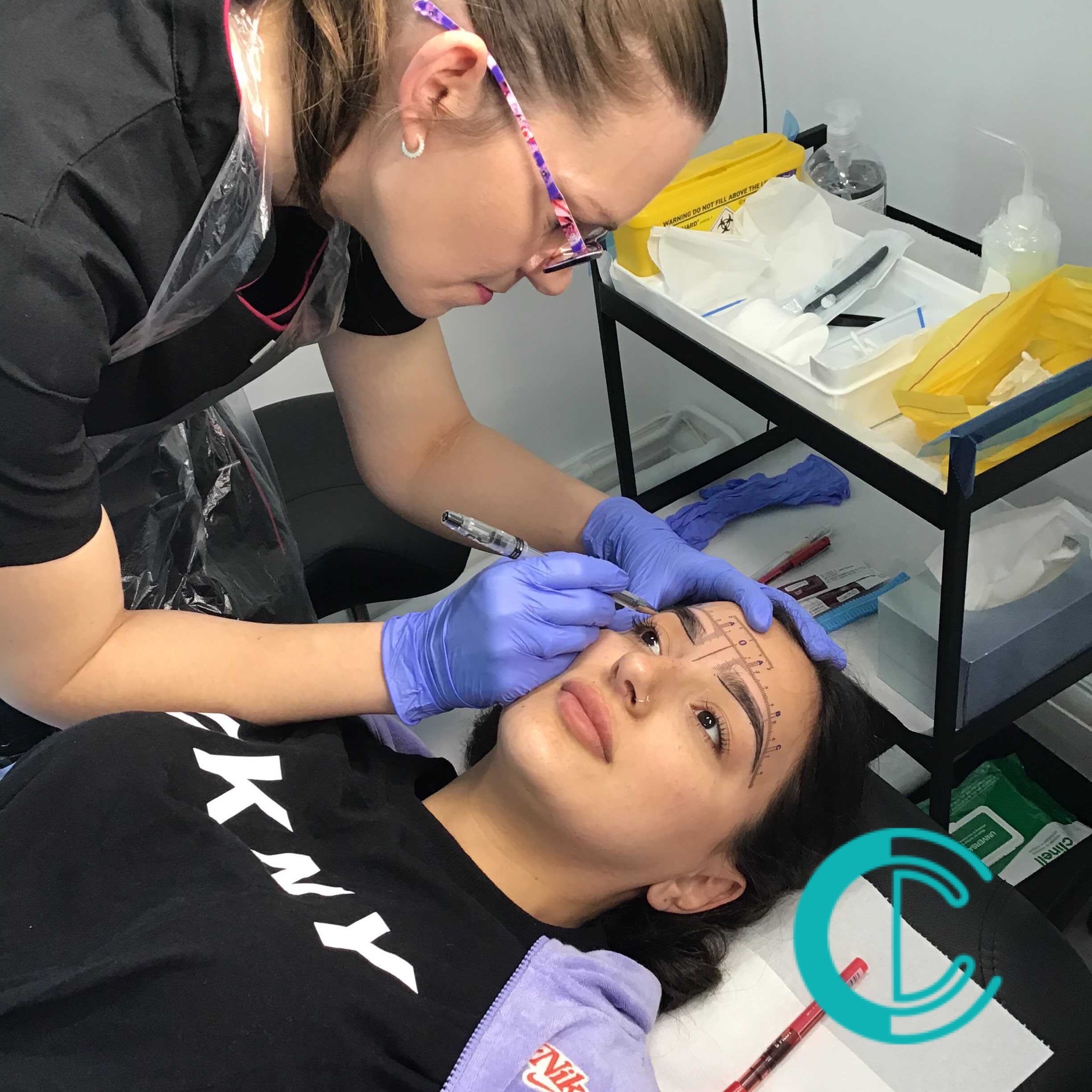
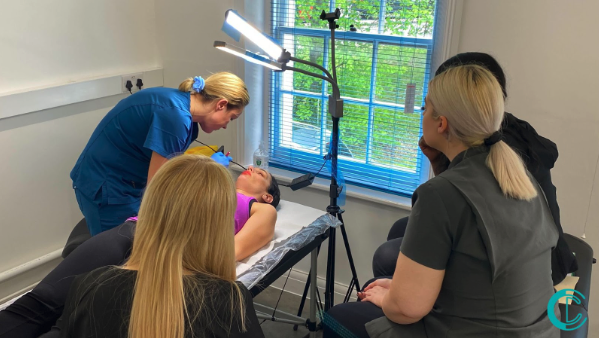
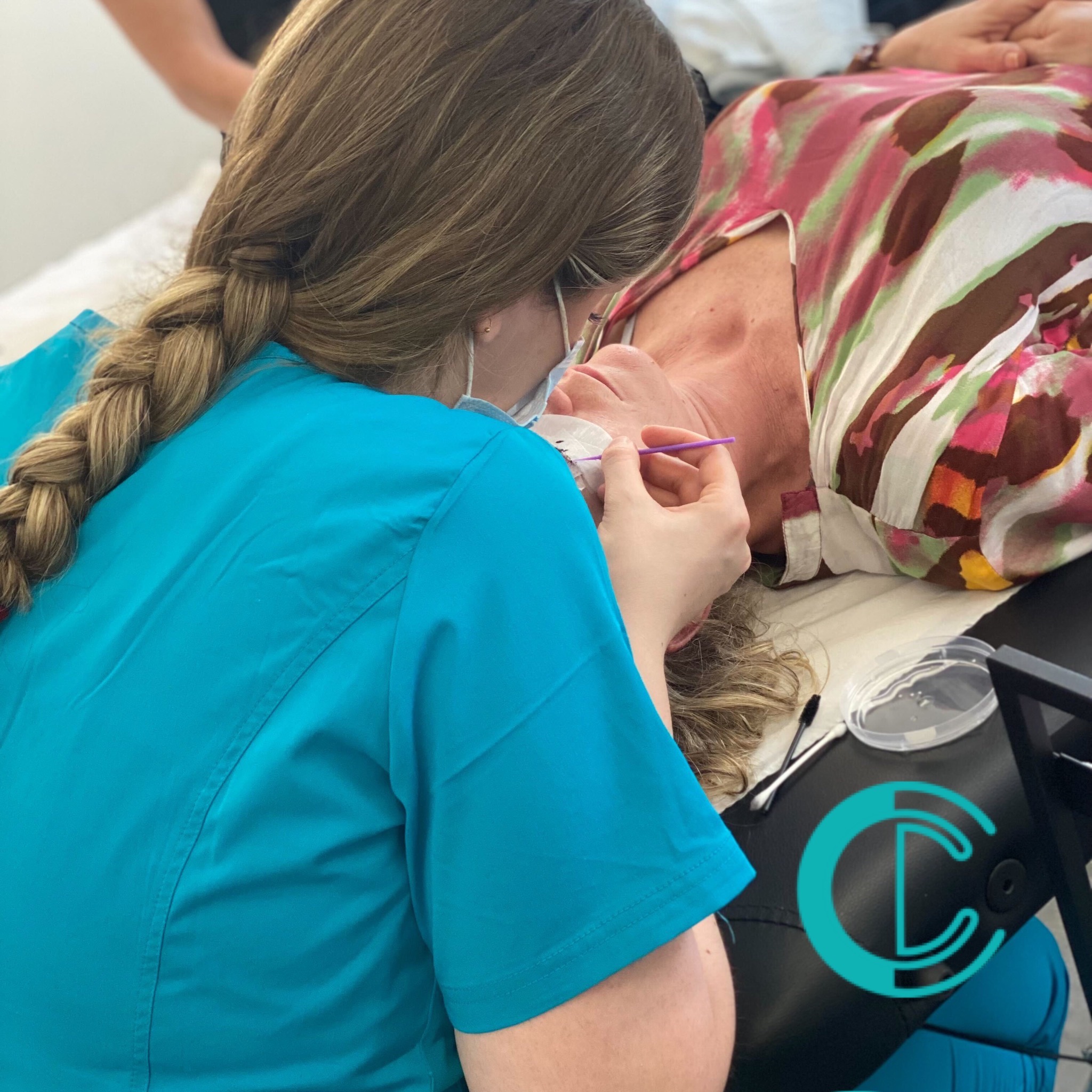
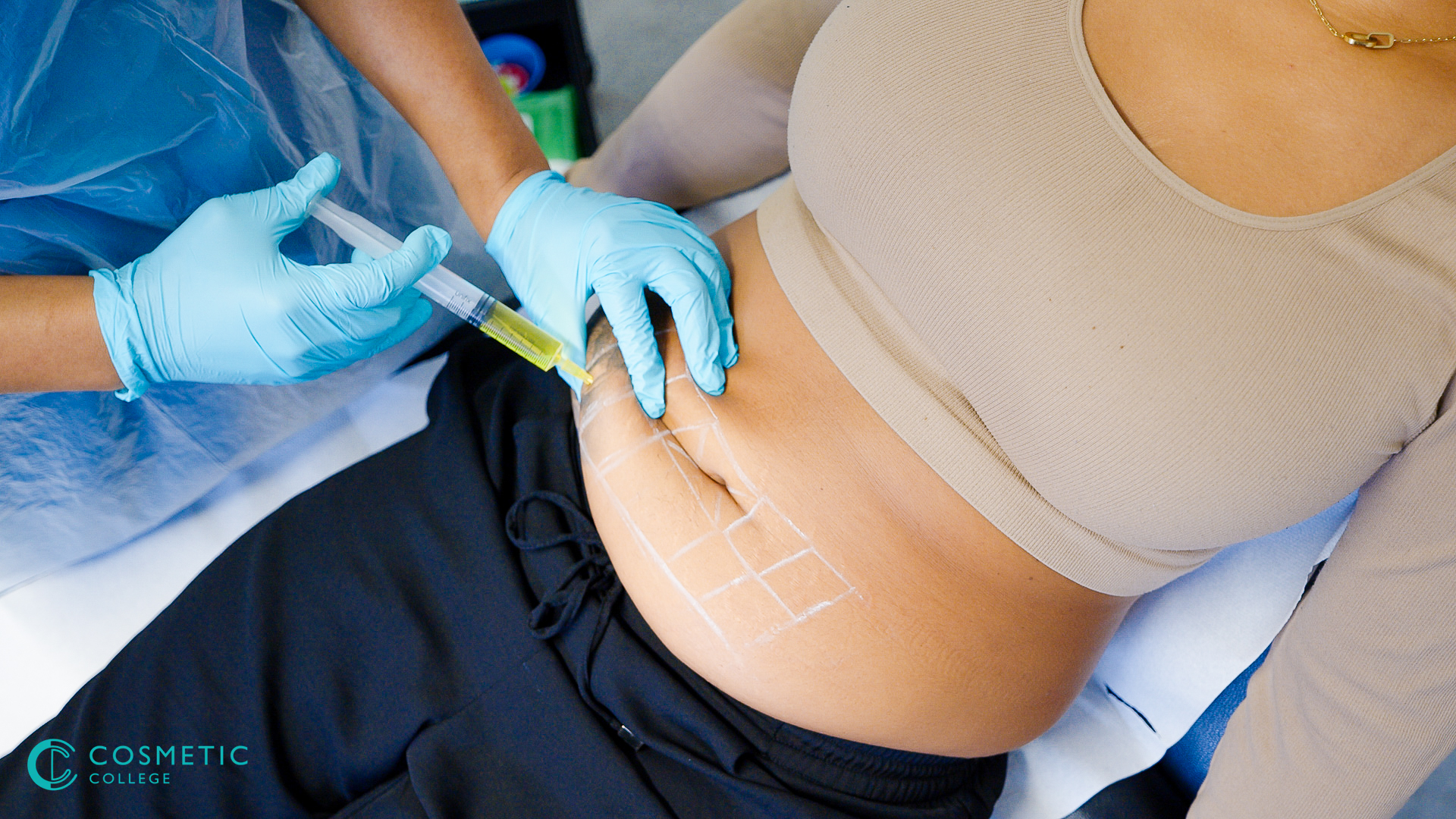
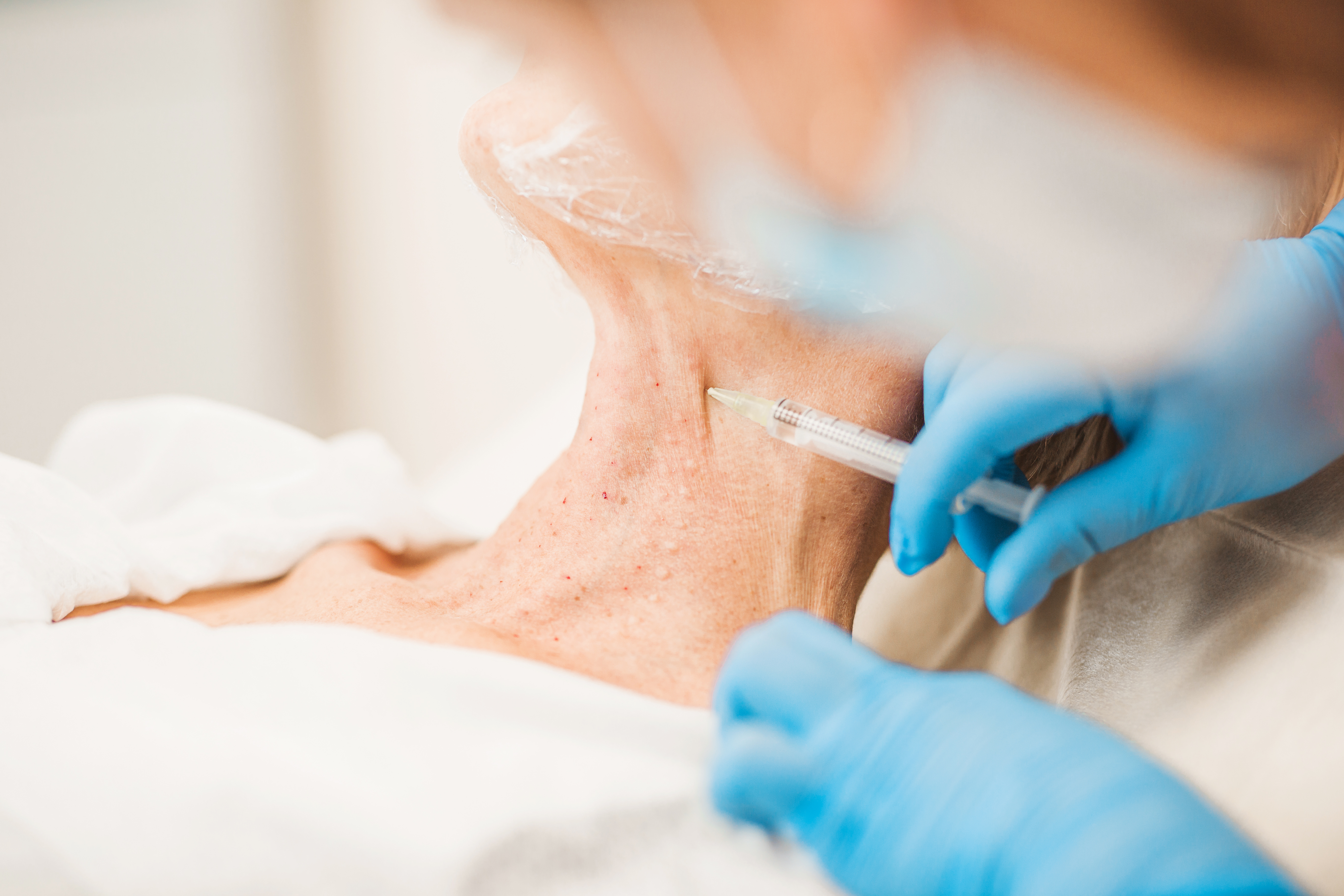
- Live model training: Real clients with diverse skin types, conditions, and concerns. You practice techniques under direct supervision with immediate feedback on pressure, safety, and results.
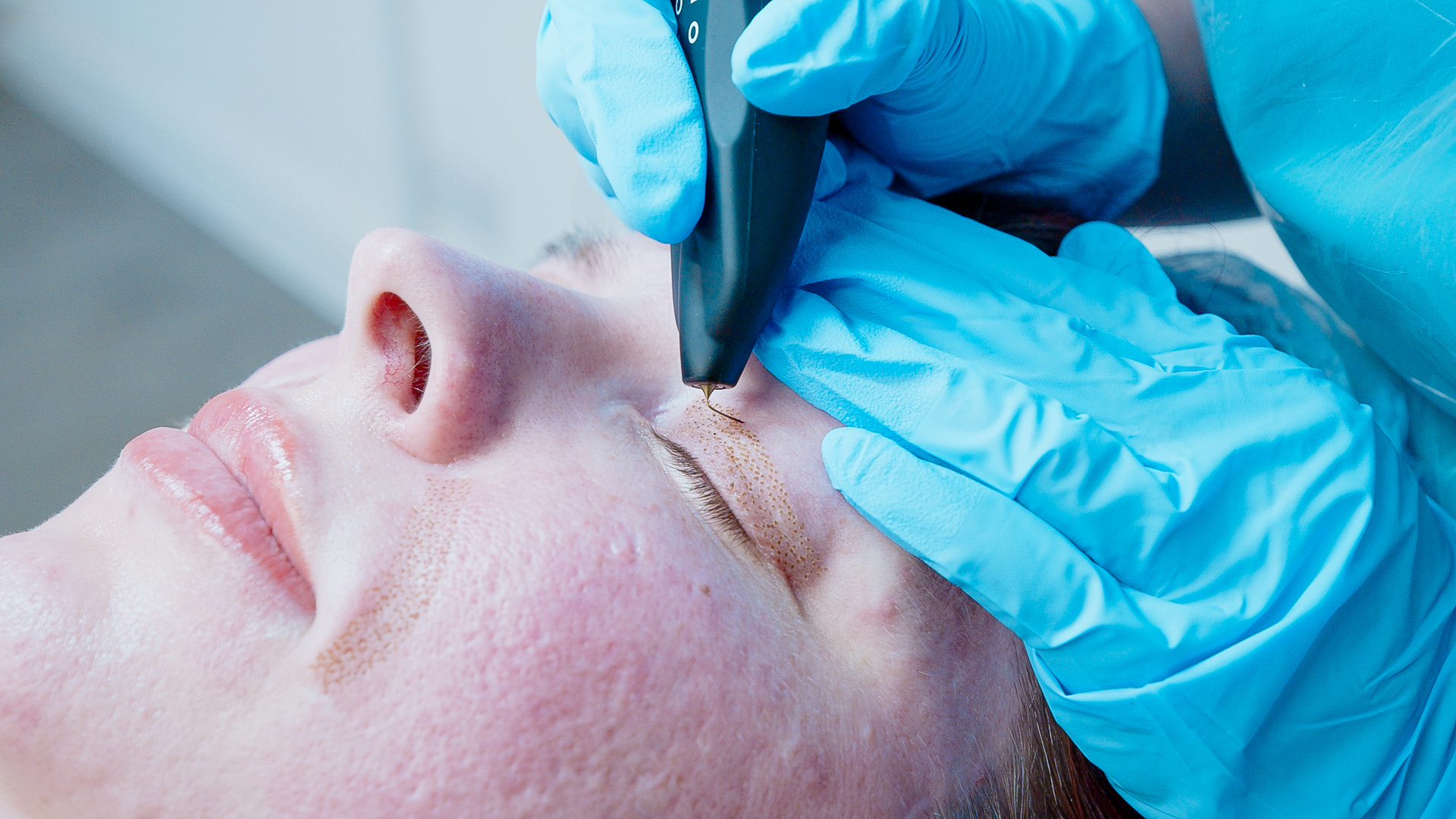
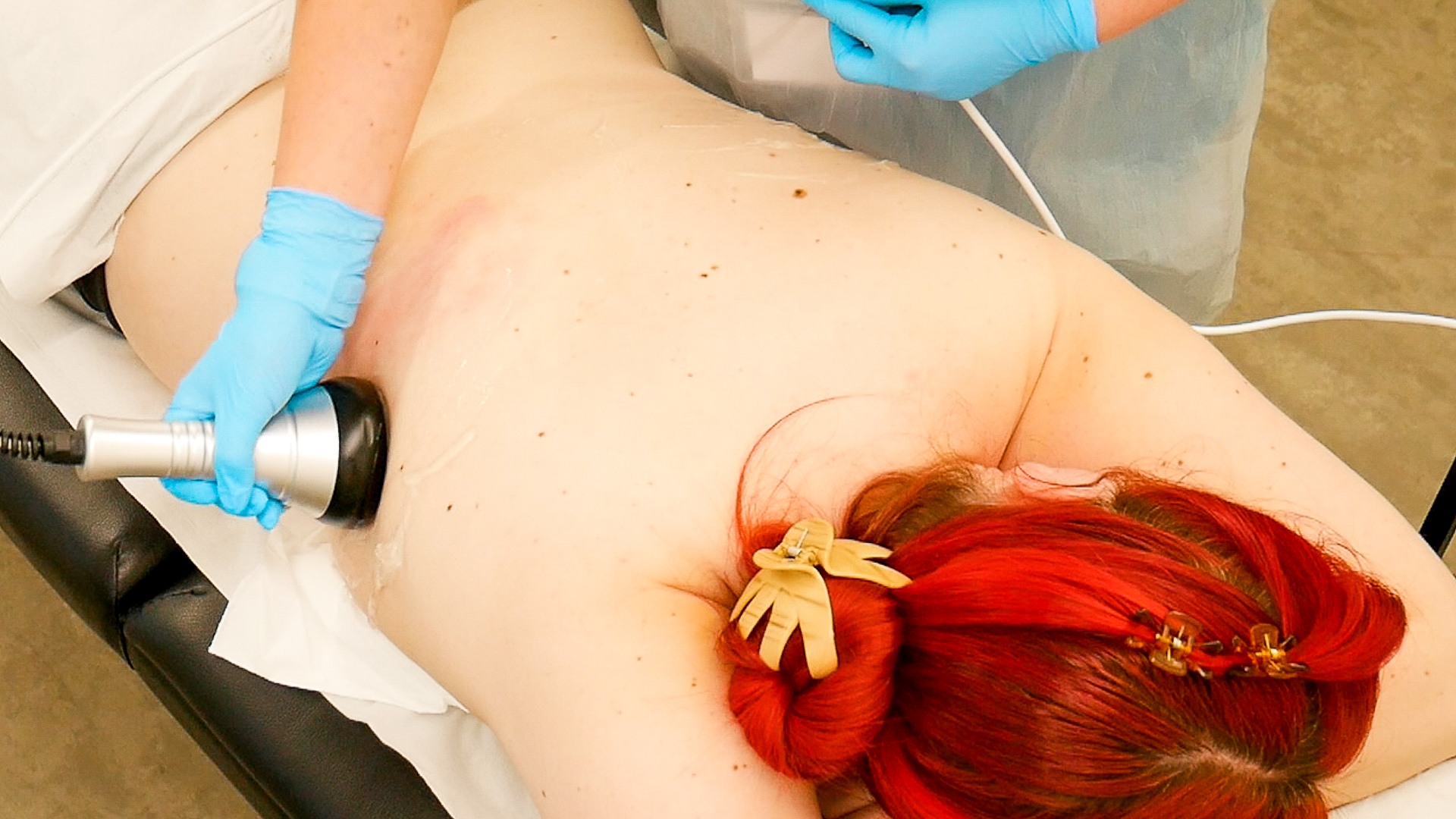
- Hands-on device training: For device-based treatments, you practice on demonstration models and real clients under supervision before delivering independently.
- Consultation skills: Role-play scenarios and real consultations with feedback on communication, needs assessment, managing expectations, and building client relationships.
- Assessment observation: Examiners observe you conducting a full treatment with a live model, evaluating your technique, safety protocols, client communication, and professional conduct.
Typical practical schedule:
- Level 3: 8-12 practical days across 4-6 weeks (2 days per week or intensive blocks)
- Level 4-5: 12-20 practical days across 8-12 weeks (1-2 days per week)
- Level 7: 20-30 practical days plus live model assessment sessions across 6-12 months
Why blended learning works:
- Online theory builds knowledge foundation without needing expensive full-time attendance
- Practical days ensure real competence, not just theoretical knowledge
- You can progress while maintaining work or other commitments
- Supervised live model training reduces risk of client harm post-qualification
- Assessment includes both written knowledge and observed practical performance
Choosing training by intent, not hype
Choose routes based on:
- Qualification credibility: Is it Ofqual-regulated on the RQF? Recognised by JCCP, CPSA, Save Face? Future-proof against licensing requirements?
- Practical supervision depth: What's the trainer-to-learner ratio during practicals? Will you have 1-on-1 feedback or observe from the back of a crowded room?
- Admissions transparency: Do they explain your options clearly, or push you toward the most expensive route?
- Progression support: Do they offer full Level 3-7 pathways, or will you need to switch providers between levels?
- Real earning expectations: Will they discuss realistic earning timelines (not "earn £100k immediately" hype), or do they avoid the topic?
If route decisions feel unclear, get direct guidance through Request a Callback or use the course quiz. A quality provider will invest time in understanding your situation before recommending a course.
What practical training involves
VTCT blended learning combines online theory with in-person practical sessions, designed to build real clinical confidence:
Online Theory Component:
- Self-paced modules covering anatomy, physiology, science behind treatments, safety protocols, ethics
- Typically 4-8 hours per week depending on level
- Access to recorded tutorials, case studies, and knowledge assessments
- Allows flexibility to study around work or other commitments
Practical Days (In-Person):
- Scheduled throughout your course (typically 1-2 days per week for intensive blocks or spread over months)
- Live model training where you practice on real clients under supervision
- Hands-on demonstration of devices, techniques, and client consultation
- Assessment includes direct observation of your skills with live feedback
- Level 3: typically 8-12 practical days across 4-6 weeks
- Level 4-5: typically 12-20 practical days across 8-12 weeks
- Level 7: typically 20-30 practical days plus live model assessments across 6-12 months
Assessment Methods:
- Written exams covering health, safety, anatomy, contraindications
- Practical assessments with live models or skin analysis scenarios
- Portfolio development (especially Level 7) showing treatment progression and client outcomes
- Observation of consultations and treatment delivery
- Professional reflection on learning and clinical decision-making
Live Model Training Benefits:
- Real hands-on experience with diverse skin types, conditions, and client concerns
- Immediate feedback on technique, pressure, safety, and client communication
- Building confidence through supervised practice before working independently
- Understanding contraindications and when to refer clients to medical professionals
- Developing client care protocols and documentation skills
Why blended learning works best:
- Online flexibility allows study-while-working progression
- In-person practicals ensure genuine competence, not just knowledge
- Supervised live model training reduces risk of harm to real clients post-qualification
- Regulated assessment ensures all graduates meet consistent standards
- Recognitaed by professional bodies and insurers as legitimate, accountable training
Why regulated training matters
The UK Health and Care Act 2022 sets framework for future regulation of aesthetic practitioners. Choosing Ofqual-regulated qualifications now prepares you for upcoming licensing requirements. VTCT qualifications are aligned with regulatory standards and recognised by professional bodies like JCCP and CPSA. Unregulated training routes may not satisfy future licensing requirements, meaning practitioners could face re-training or restricted scope within 2-3 years.
FAQ
What is the best aesthetics training route in the UK? The best route depends on your background, goals, and progression timeline, but Ofqual-regulated qualifications are non-negotiable. Level 3 is the entry point (4-6 weeks), followed by Level 4 (8-12 weeks) if you want skin device treatments, Level 5 (8-12 weeks) for advanced procedures, and Level 7 (6-12 months) for injectable specialisation. A complete pathway from Level 3-7 positions you to earn £75,000-£120,000+ within 18-24 months of trading, making the £12,000-£19,500 investment in qualifications highly profitable. Always choose Ofqual-regulated qualifications to future-proof your career against upcoming licensing requirements.
Should beginners start with advanced treatments? No. Most learners benefit from structured progression before advanced scope, which builds clinical safety knowledge and client communication skills first. Start with Level 3 (4-6 weeks) to establish anatomy, physiology, consultation, and ethics foundations. Then progress to Level 4-5 (skin treatments) before attempting Level 7 (injectables). This sequencing ensures you understand contraindications, client selection, and complication management deeply before delivering high-risk treatments. Our level 3 to level 7 career guide outlines the safest progression and realistic timelines.
How long does it take to build a strong route? Most realistic pathways take 12-24 months for staged progression if completed part-time (blended learning). Level 3 alone is 4-6 weeks, plus 8-12 weeks for Level 4, plus 8-12 weeks for Level 5 = approximately 20-30 weeks or 5-7 months if done consecutively. Adding Level 7 (6-12 months) extends the timeline to 12-20 months total. Many learners space qualifications across 18-24 months to allow time for practical experience and assessment between levels. The training course calendar shows realistic start and completion dates.
Can I plan my route before choosing a provider? Absolutely, and this usually leads to better long-term decisions. Use our aesthetics training finance guide to budget your progression route and map 12-24 month investment across all levels. Consider the earning potential at each stage: £28,000-£45,000 (Level 3), £45,000-£75,000 (+ Level 4), £50,000-£80,000 (+ Level 5), and £75,000-£120,000+ (+ Level 7). Most practitioners recoup their full investment within 18-24 months of trading, making financial planning essential before provider selection.
What qualifications does Cosmetic College offer? We provide VTCT-accredited courses from Level 3 (Certificate in Access to Aesthetic Therapies, 4-6 weeks) through Level 7 (Diploma in Non-Surgical Aesthetic Injectable Procedures, 6-12 months), with blended learning combining online theory and in-person practical training including live model sessions. All our qualifications are Ofqual-regulated and recognised by professional bodies (JCCP, CPSA, Save Face), making them eligible for insurance and compliant with future UK licensing requirements.
Editorial Standards
Author
Cosmetic College Editorial Team
Aesthetic Education Editorial Team
Cosmetic College specialists and admissions advisers produce this content to help learners choose regulated progression routes and make safer, better-informed training decisions.
Review cycle
Published: 4 February 2026
Last reviewed: 4 February 2026
Reading time: 9 min
Sources and References
- Pathway to Aestheticscosmetic.college
- aesthetics course for beginners UK guidecosmetic.college
- VTCT optionscosmetic.college
- training course calendarcosmetic.college
- aesthetics career pathway UK guidecosmetic.college
- Request a Callbackcosmetic.college
- course quizcosmetic.college
- level 3 to level 7 career guidecosmetic.college
- aesthetics training finance guidecosmetic.college