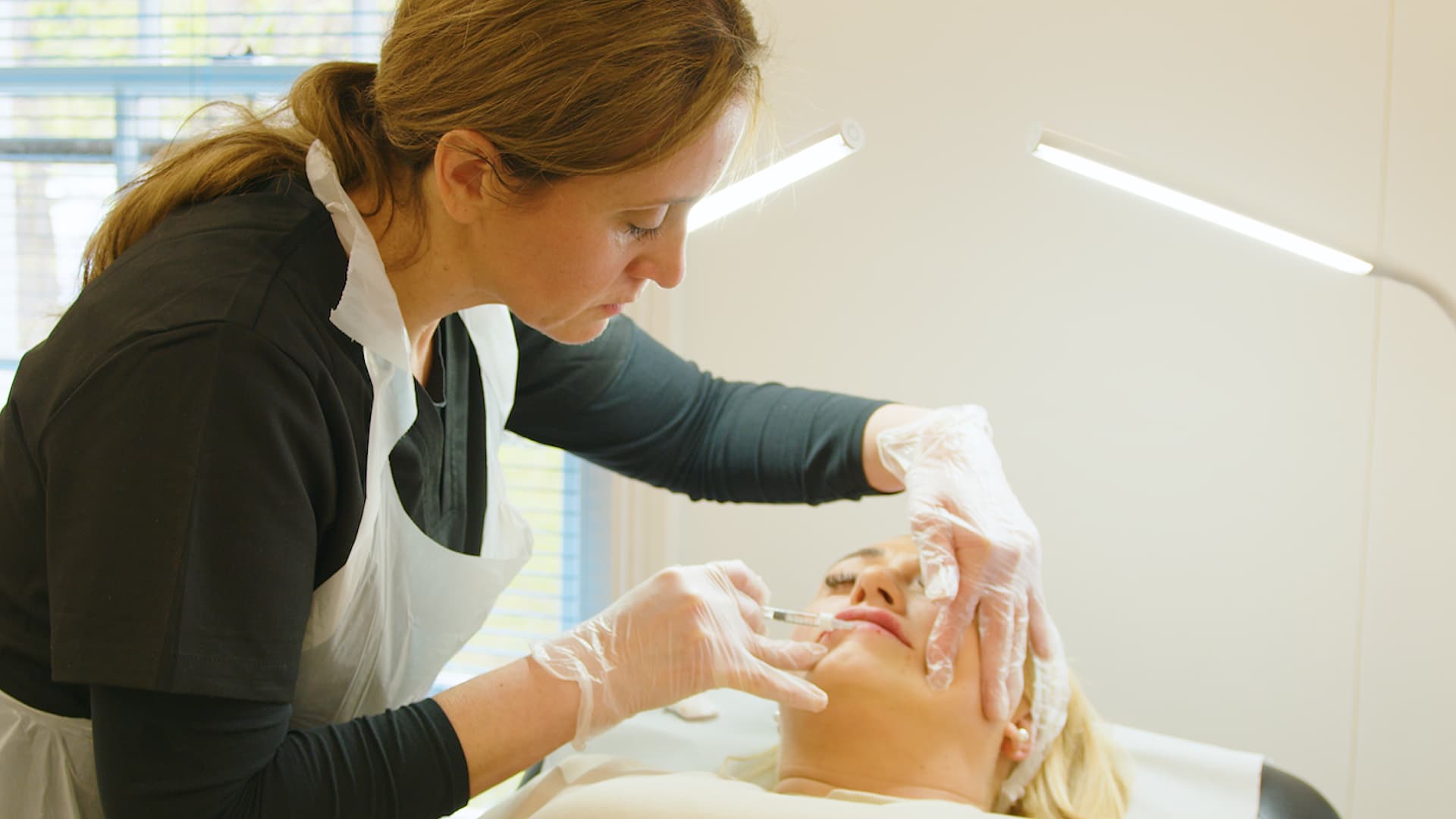

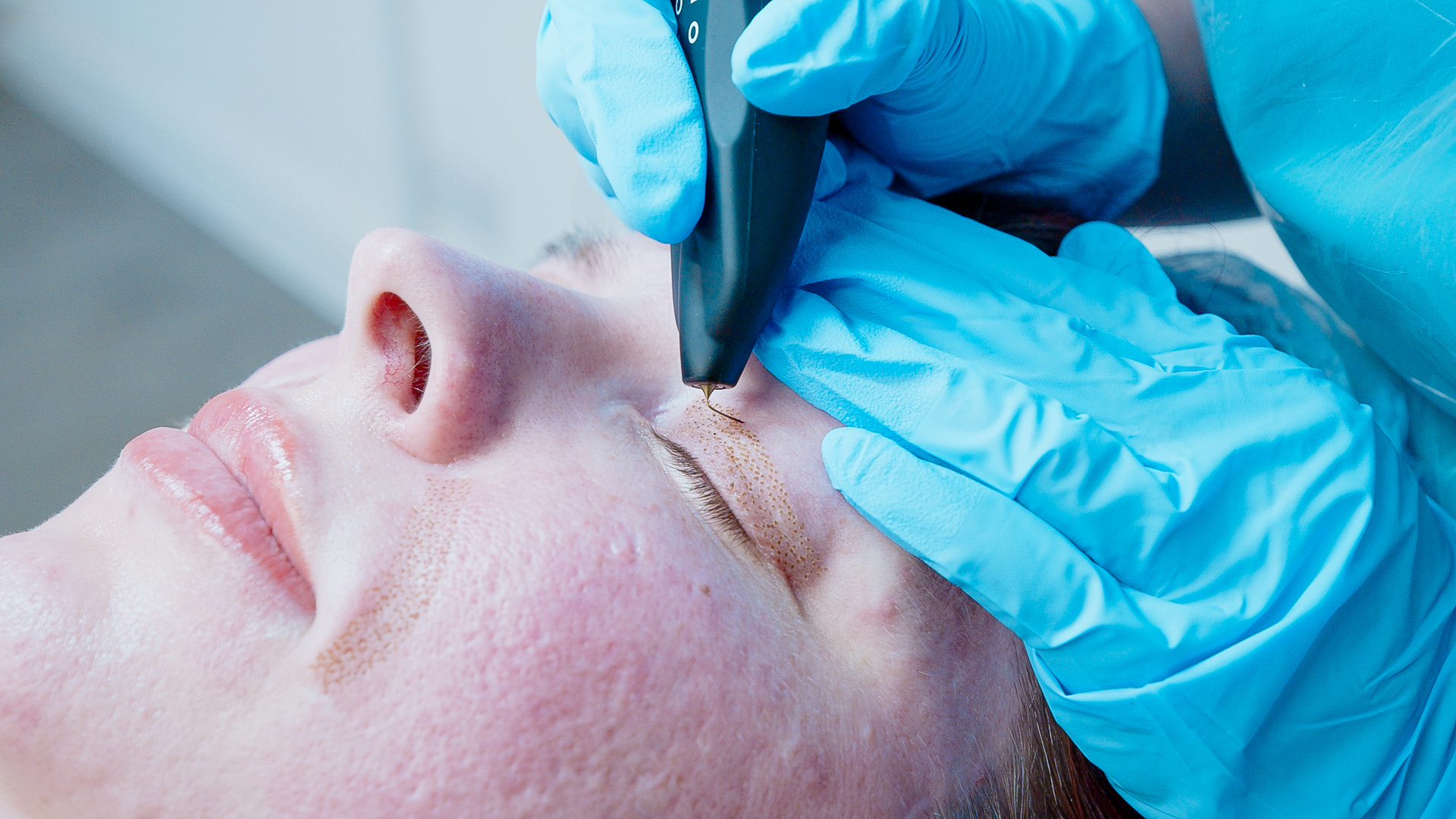
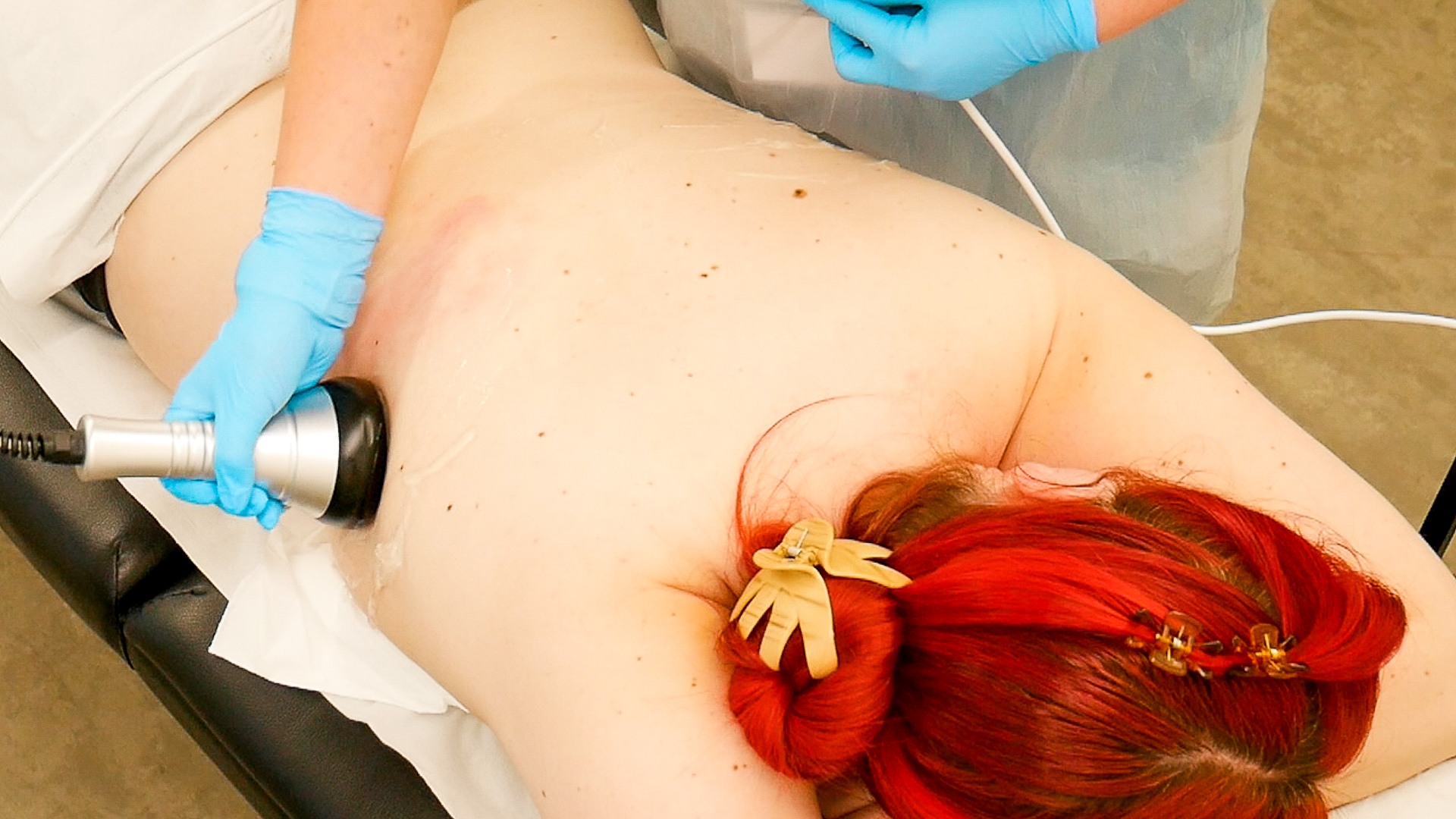




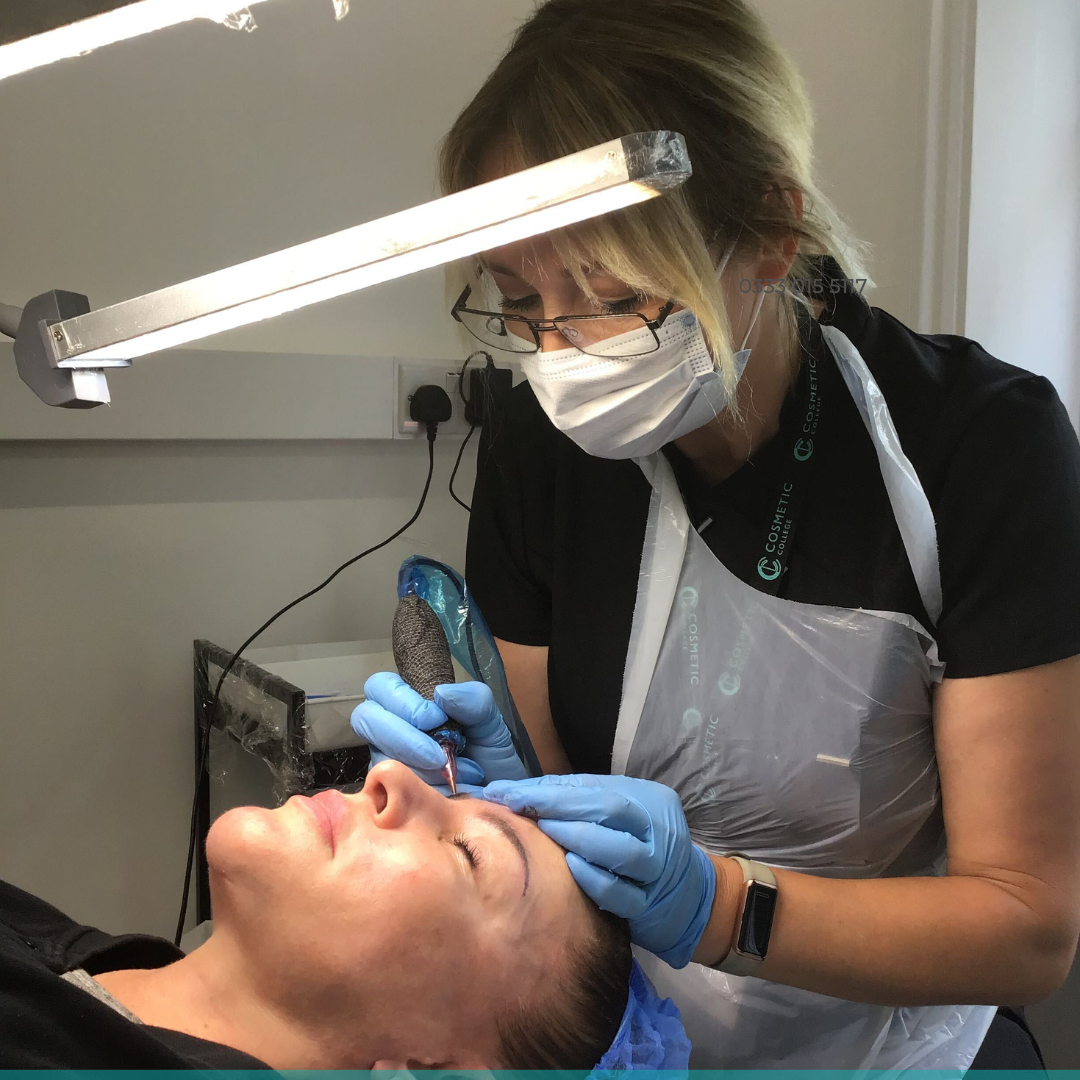
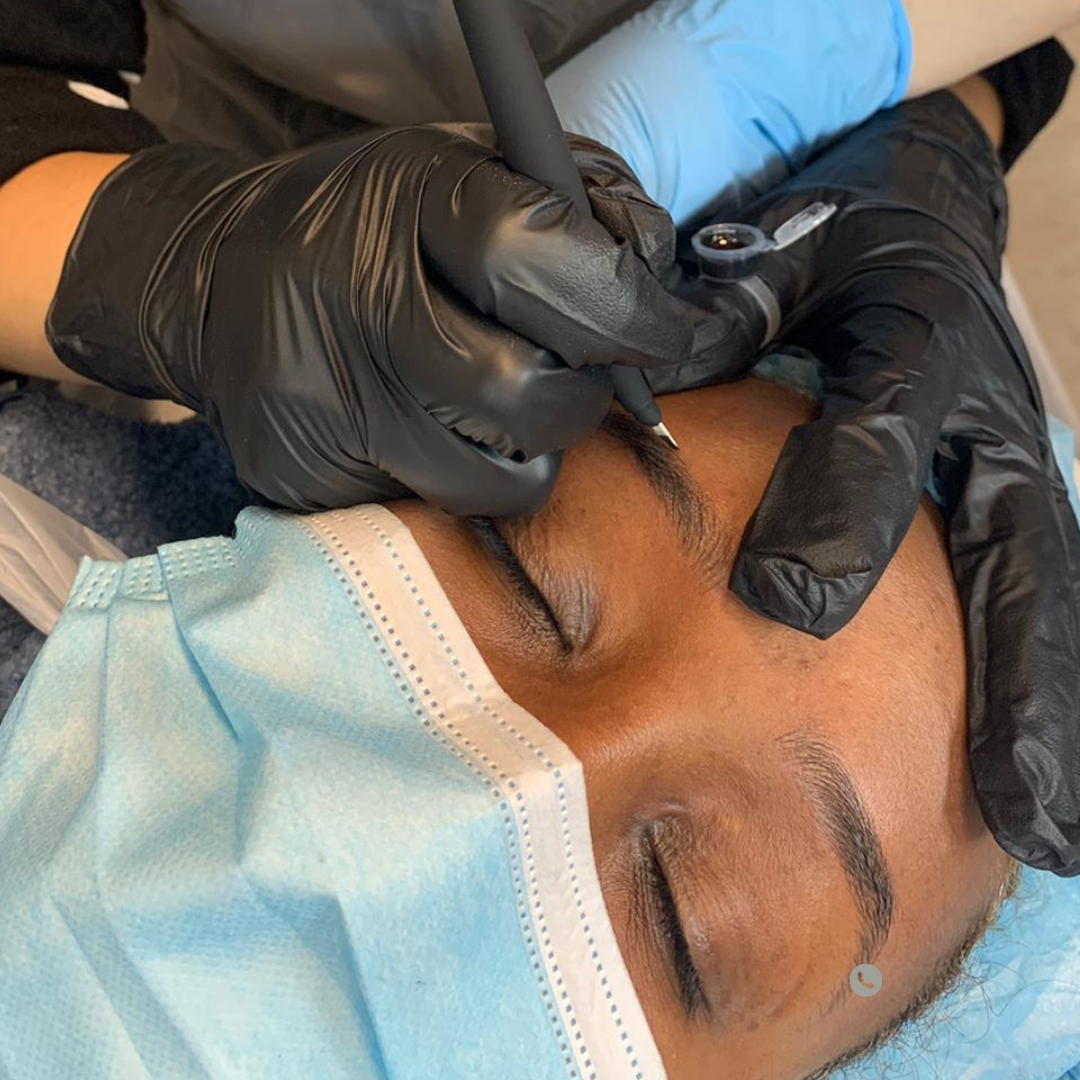
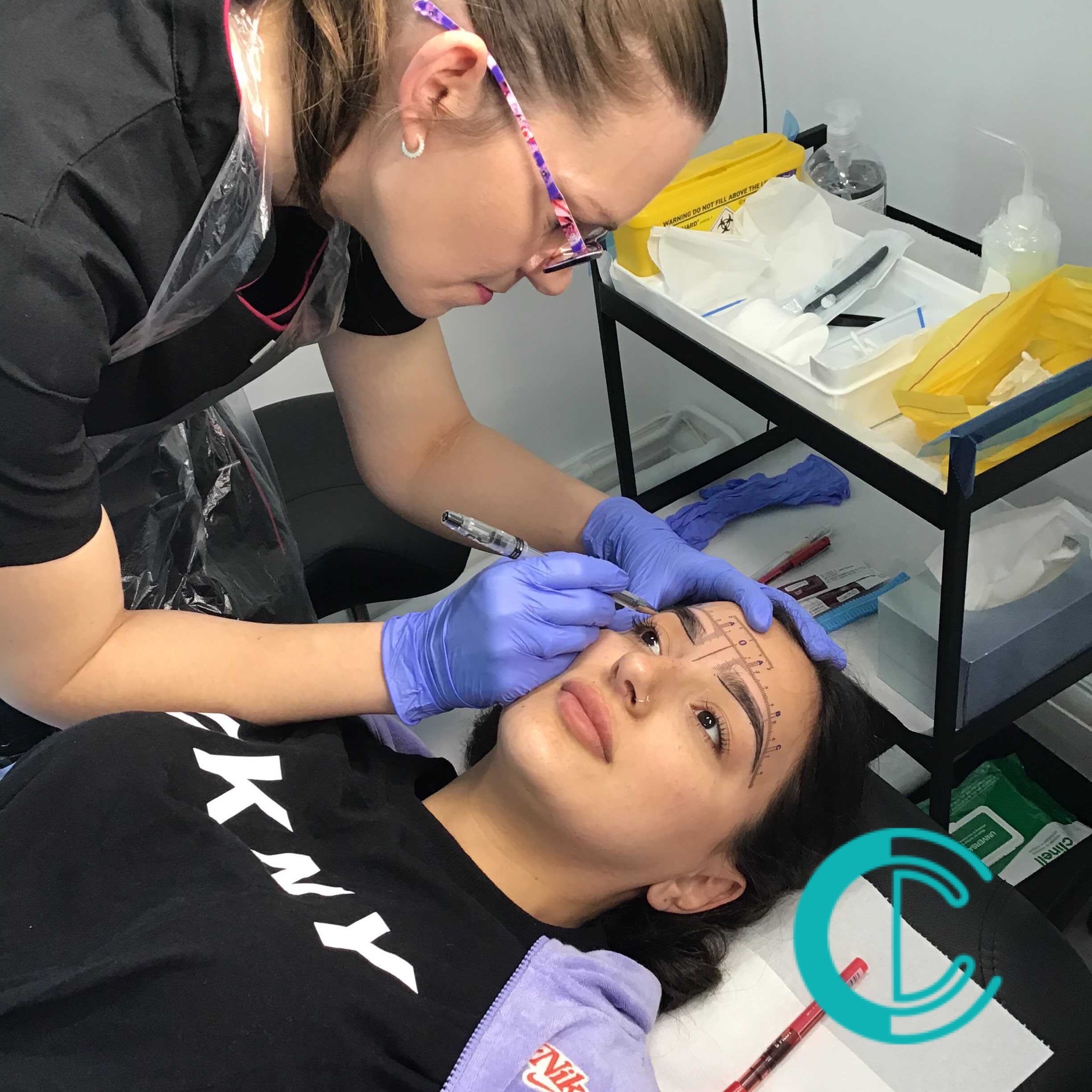
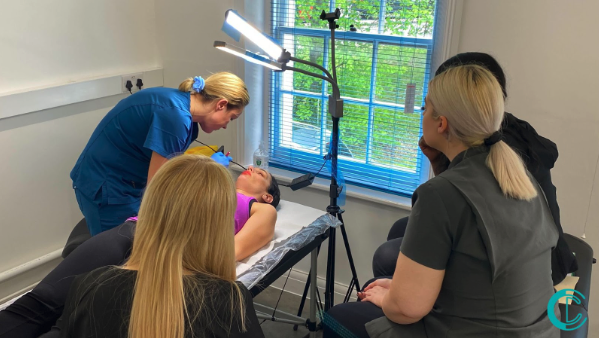





For learners who want a regulated, progression-led route, VTCT training UK is often the strongest foundation for long-term aesthetics growth.
Why VTCT routes matter
VTCT (Vocational Training Charitable Trust) is an Ofqual-regulated awarding body, making VTCT training UK the gold standard for structured aesthetics progression. VTCT routes are commonly chosen for:
- Structured progression across levels aligned to the Regulated Qualifications Framework (RQF)
- Defined learning and assessment standards recognised by insurers and practitioners
- Better clarity for professional development planning and long-term career positioning
Start with the VTCT hub and build your plan from there. For route-specific planning, use the Pathway to Aesthetics tool.
What each VTCT level covers
Before choosing your route, understand the scope and progression across all four VTCT aesthetic levels:
| Level | Qualification Name | Duration | Delivery Format | Key Modules | Treatment Scope | Career Outcome |
|---|---|---|---|---|---|---|
| Level 3 | Certificate in Access to Aesthetic Therapies | 4-6 weeks | Blended (online theory + practical days) | Anatomy & physiology fundamentals, client consultation, health & safety, professional ethics, hygiene standards, record-keeping | Basic consultation, patch testing, retail recommendations, foundational treatment preparation | Foundation practitioner: £28,000-£45,000/year |
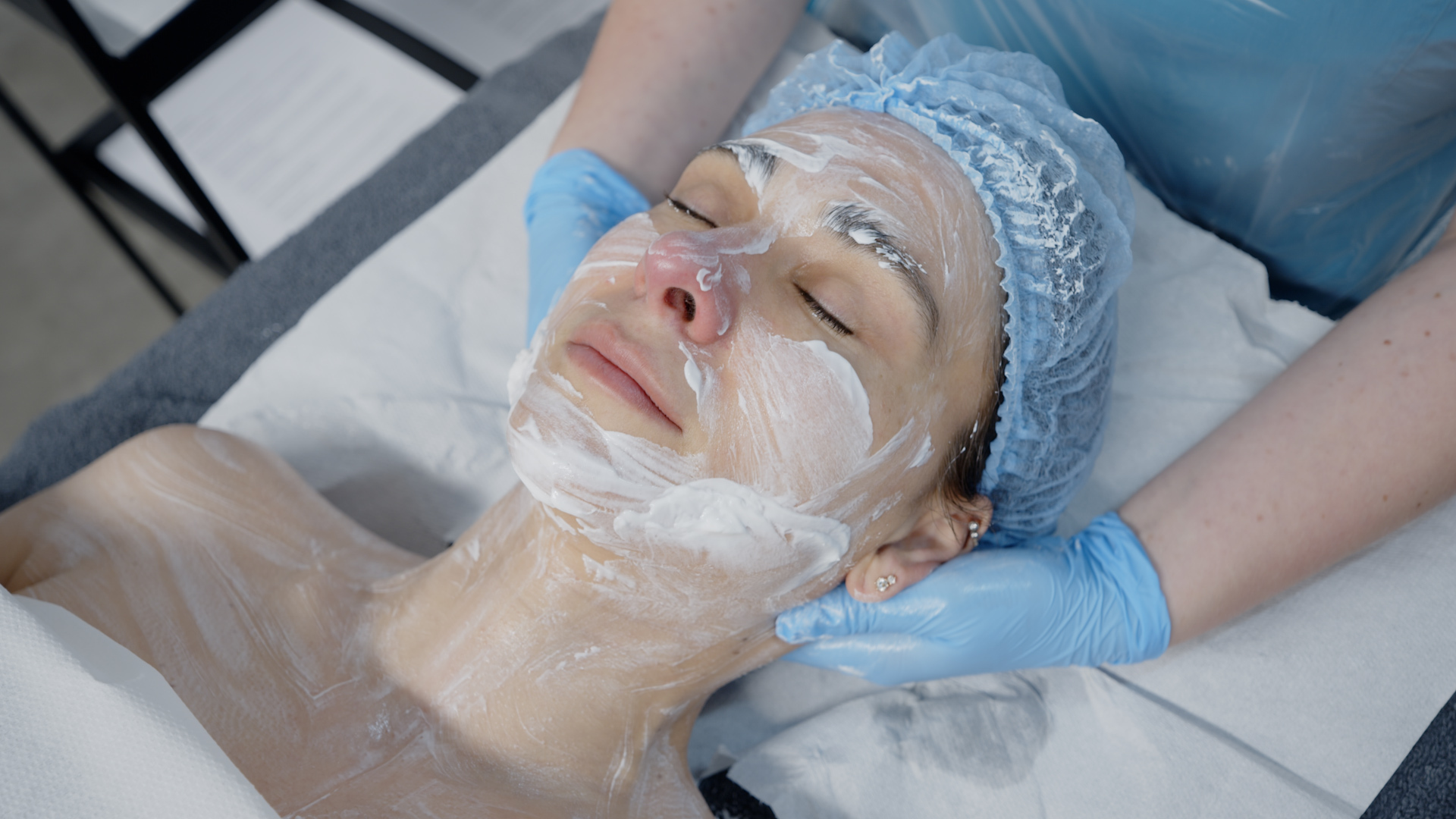
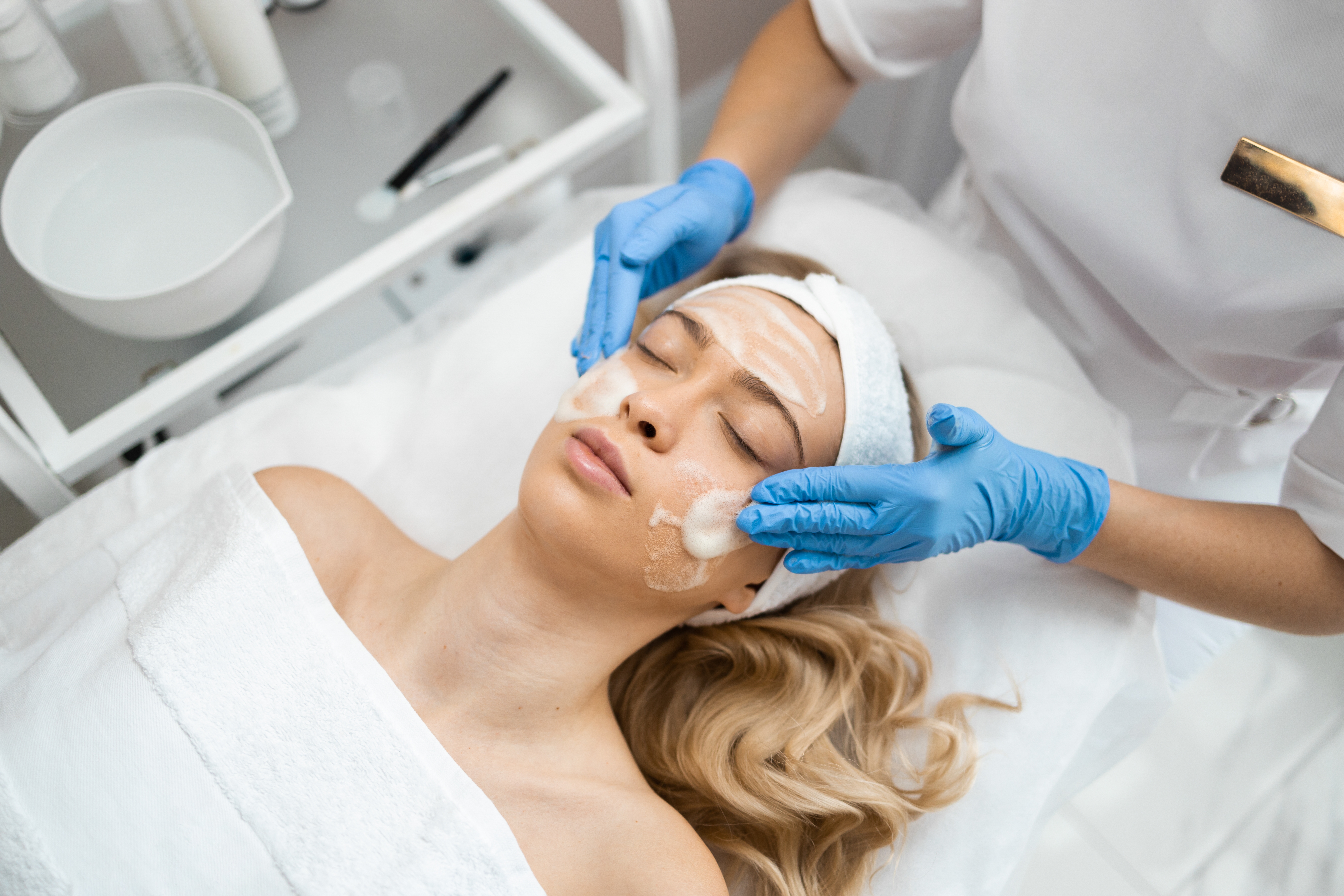
| Level 4 | Certificate in Advanced Aesthetic Therapies for Skin | 8-12 weeks | Blended learning | Tissue interaction with treatments, laser & IPL fundamentals, advanced consultation skills, contraindication assessment, device safety protocols | Chemical peels (£80-£200), LED therapy, microdermabrasion, non-invasive facials, basic IPL | Growth practitioner: £45,000-£75,000/year |
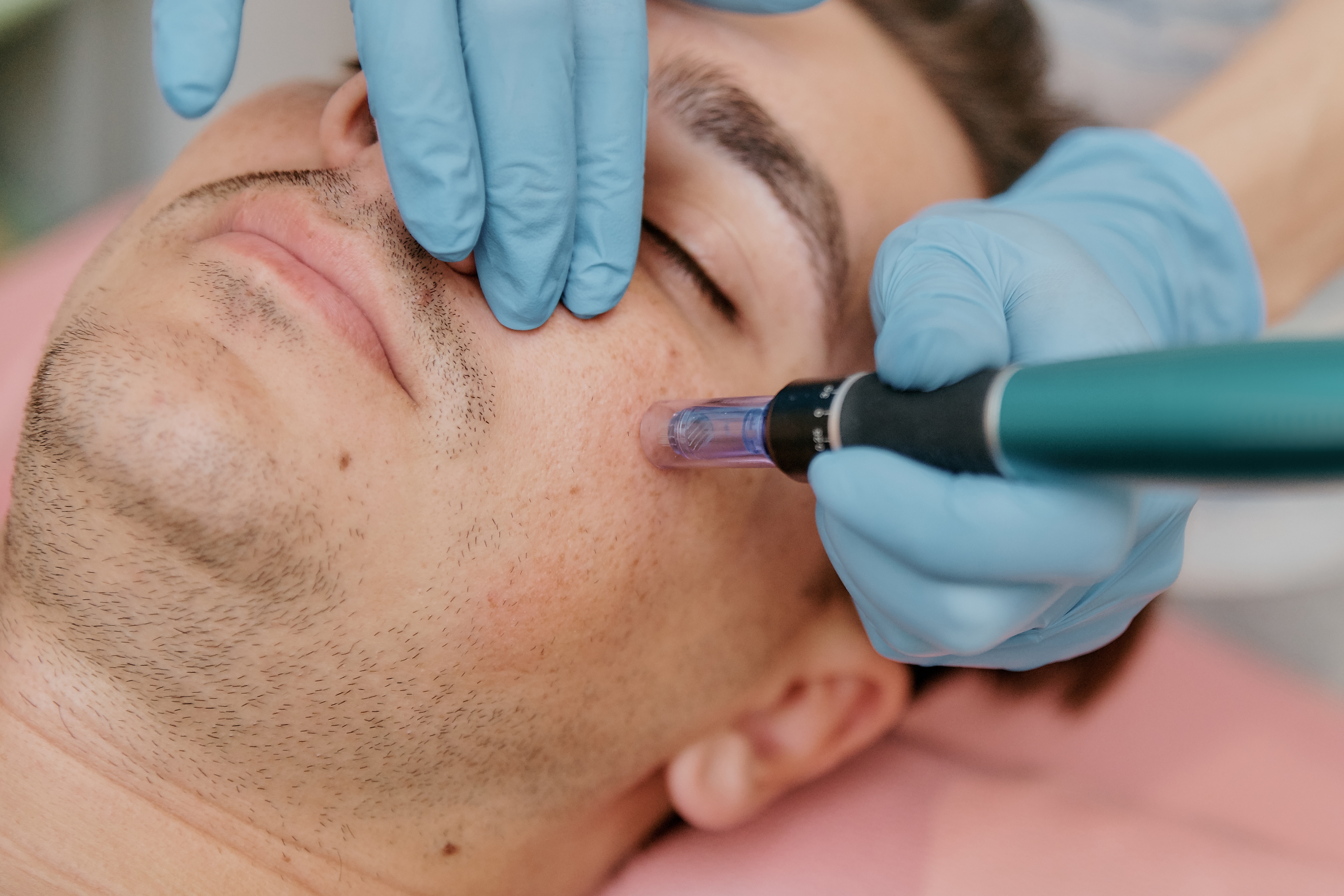
| Level 5 | Certificate in Non-Surgical Aesthetic Procedures for Skin | 8-12 weeks | Blended learning | Advanced skin science, corrective protocols, client assessment & selection, microneedling theory & practice, mesotherapy foundations, advanced chemical peel techniques | Microneedling (£150-£350), mesotherapy (£150-£300), advanced peels, skin rejuvenation procedures | Growth to Advanced practitioner: £50,000-£80,000/year |
| Level 7 | Diploma in Non-Surgical Aesthetic Injectable Procedures | 6-12 months (includes portfolio) | Blended + live model assessments | Advanced facial anatomy & vascular mapping, dermal filler chemistry & placement, botulinum toxin pharmacology & injection technique, complication recognition & management, legal/ethical frameworks, insurance protocols | Dermal fillers (£200-£400), anti-wrinkle injections (£150-£300/area), tear trough correction, advanced facial contouring | Advanced practitioner: £75,000-£120,000+/year |
All VTCT qualifications are Ofqual-regulated and sit on the Regulated Qualifications Framework (RQF), ensuring recognition by insurers, professional bodies (JCCP, CPSA, Save Face), and future licensing under the Health and Care Act 2022.
How to choose the right level
A practical approach:
- Identify current baseline and entry requirements.
- Match next level to your target treatment scope.
- Map the full progression path before enrolling.
Core routes often include Level 3 Access, Level 4, Level 5, and Level 7.
VTCT vs unregulated training: why it matters
The UK aesthetics market is evolving rapidly, and choosing Ofqual-regulated VTCT training now protects your career from significant risks:
Why VTCT regulation matters:
- Ofqual accreditation ensures standardised learning outcomes recognised across the industry and by insurers
- RQF framework positions you within recognised levels, making progression transparent and credible to employers and clients
- Professional body alignment VTCT qualifications are recognised by JCCP (Joint Council for Cosmetic Practitioners), CPSA (UK Cosmetic Practice Standards Authority), and Save Face register
- Insurance recognition Professional indemnity providers (£100-£300/year) are more likely to insure VTCT-qualified practitioners
- Licensing readiness The Health and Care Act 2022 is establishing statutory regulation for aesthetic procedures. Practitioners without regulated qualifications may face restrictions or re-training requirements within 2-3 years
What unregulated CPD-only routes lack:
- No recognised standard or progression framework
- Insurance may exclude practitioners without RQF qualifications
- No credential recognition if licensing becomes mandatory
- Risk of investment loss if you need to re-qualify later to meet licensing thresholds
VTCT routes are structured around defined competencies, meaning your qualification remains valid and recognised regardless of future regulatory changes.
Investment and earning potential by VTCT level
Understanding the financial landscape helps you sequence your investment strategically:
Level 3 Access to Aesthetic Therapies (Foundation)
- Typical investment: £1,500-£2,500 (4-6 weeks)
- Expected earning range: £28,000-£45,000/year as foundation practitioner
- ROI timeline: 2-4 months
- Treatment ceiling: consultations, basic facials, skincare recommendations
- Typical clinic positioning: associate or junior therapist in established clinic
Level 4 Advanced Skin Therapies (Growth Entry)
- Additional investment: £2,500-£4,000 (8-12 weeks)
- Cumulative pathway cost: £4,000-£6,500
- Expected earning range: £45,000-£75,000/year as growth practitioner
- ROI timeline: 6-10 months from Level 4 completion
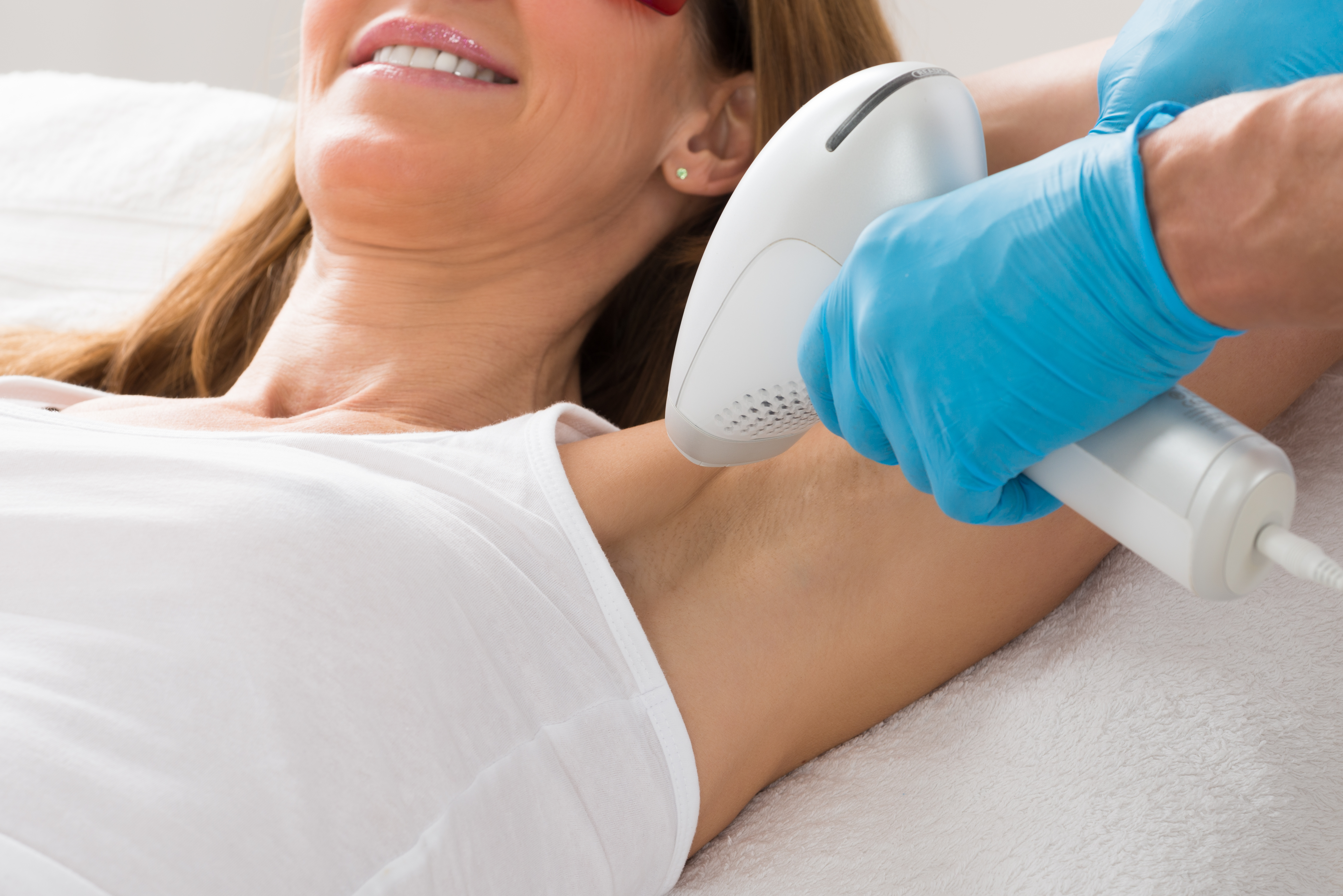
- Treatment scope expansion: laser/IPL procedures (£50-£150/area for hair removal), advanced peels, professional facials, skin analysis
- Typical positioning: senior therapist, possibility to establish freelance client base
Level 5 Non-Surgical Procedures (Advanced Scope)
- Additional investment: £3,000-£5,000 (8-12 weeks)
- Cumulative pathway cost: £7,000-£11,500
- Expected earning range: £50,000-£80,000/year as advanced practitioner
- ROI timeline: 8-12 months from Level 5 completion
- Treatment scope: microneedling (£150-£350), mesotherapy (£150-£300), advanced chemical peels (£80-£200+), skin rejuvenation
- Typical positioning: senior practitioner, freelance clinic operator, or clinic lead
Level 7 Diploma in Injectables (Specialist)
- Additional investment: £5,000-£8,000 (6-12 months including portfolio)
- Cumulative pathway cost: £12,000-£19,500
- Expected earning range: £75,000-£120,000+/year as specialist
- ROI timeline: 10-15 months from Level 7 completion
- Treatment scope: dermal fillers (£200-£400), anti-wrinkle injections (£150-£300/area), advanced facial anatomy work, complication management
- Typical positioning: clinic owner, specialist practitioner, medical aesthetics team member, highest-earning role in independent practice
Key financial insights:
- Each progression level typically increases earning potential by 25-35%
- Level 3 is often paid back within 2-3 months of trading
- A full Level 3-7 pathway (12-20 months total investment) positions you to earn £75,000-£120,000+ annually
- Professional indemnity insurance (required by most clinics) costs £100-£300/year
- Most practitioners see positive ROI on full pathways within 18-24 months
Pathway planning vs one-course decisions
One-off course decisions often create progression friction. A pathway plan helps you:
- Sequence investment more effectively
- Avoid duplicated learning
- Reach commercial readiness faster
- Build toward future licensing readiness under evolving UK aesthetics regulations
- Forecast earnings growth across progression stages
Use Pathway to Aesthetics and the training calendar together. For deeper comparisons between qualification types, see VTCT vs CPD: Which Aesthetic Qualification Is Right for You?
Professional body recognition and insurance considerations
Choosing VTCT routes provides critical advantages beyond just qualification recognition:
Professional Body Registration:
- JCCP (Joint Council for Cosmetic Practitioners): Recognises VTCT qualifications as meeting competency standards for non-surgical aesthetics. Members receive professional standing, client directory listing, and regulatory support. Essential for clinical credibility in UK aesthetics market.
- CPSA (UK Cosmetic Practice Standards Authority): Accredits practitioners meeting specific training and experience criteria. VTCT qualifications satisfy their standards; unregulated courses typically do not. CPSA registration significantly increases client confidence and insurance acceptance.
- Save Face Register: UK government-backed register for aesthetic practitioners. VTCT qualification holders are eligible for registration immediately upon completion, providing clients with practitioner verification and complaint resolution pathway.
Professional Indemnity Insurance:
- VTCT-qualified practitioners can access professional indemnity insurance at standard rates (£100-£300/year)
- Insurance typically requires minimum VTCT Level 3 qualification; unregulated training may not be insurable or may require higher premiums
- Insurance is essential: covers client injury claims, adverse reactions, complaints, and legal defence costs
- Most clinic employers require proof of insurance before hiring; many clients specifically ask for insured practitioners
- A single claim without insurance can result in £50,000-£500,000+ liability depending on injury severity
Why insurance recognition matters:
- Unregulated CPD-only training may not be accepted by insurance providers, leaving you uninsured and exposed to personal financial liability
- VTCT qualifications are universally accepted by major insurers due to Ofqual regulation and RQF framework
- Future licensing requirements (Health and Care Act 2022) will likely mandate professional body registration, making unregulated training progressively less viable
Admissions and next-step guidance
The best next step is an admissions conversation based on your current experience and end goal. Book a callback and validate route fit before payment. During admissions, clarify:
- Your background: Prior healthcare, beauty therapy, or aesthetics experience (influences entry point and pace)
- Your timeline: How quickly do you need to complete each level? 4-month vs. 12-month pathways available depending on intensity
- Your treatment goals: Do you want to specialise in skin treatments (Level 5), injectables (Level 7), or comprehensive aesthetics (both)?
- Your earning target: Are you aiming for £50,000-£80,000 (Levels 3-5) or £75,000-£120,000+ (with Level 7)?
- Your practical constraints: Do you need weekend blocks, weekday evenings, or intensive daytime schedules? Can you commit to 1-2 practical days per week?
- Your financial planning: Full progression cost, payment options, expected ROI timeline, and when you can begin earning
FAQ
Is VTCT training suitable for beginners in UK aesthetics? Yes, absolutely. Most learners begin at Level 3 Access to Aesthetics, which is specifically designed as an entry point covering fundamental anatomy, physiology, consultation, and professional ethics. After Level 3 (4-6 weeks), you'll have the foundation to progress to advanced skin treatments (Level 4) and eventually specialist roles. VTCT's structured progression means beginners gain confidence and clinical competence at each stage before moving to more advanced procedures.
How many VTCT levels should I plan in advance? Plan at least 2-3 stages so route decisions remain coherent and investments are sequenced strategically. Most learners benefit from mapping the full 12-18 month journey from entry through growth. The VTCT Pathway Planner 2026 can help structure your progression. For example, a typical 18-month pathway might be: Level 3 (4-6 weeks) + Level 4 (8-12 weeks) + Level 5 (8-12 weeks), positioning you to earn £50,000-£80,000 annually. Adding Level 7 (6-12 months) extends the timeline but opens access to £75,000-£120,000+ earning potential.
Can VTCT training routes support advanced injectable progression? Yes. Many learners progress through structured pathways toward Level 7 Diploma in Non-Surgical Aesthetic Injectable Procedures and other specialist qualifications. The progression is: Level 3 (foundations) → Level 4-5 (skin procedures) → Level 7 (injectables). This sequencing ensures you understand facial anatomy, contraindications, and client consultation deeply before delivering high-value injectable treatments. Level 7 requires demonstrated competence and a portfolio assessment with live models, so earlier qualifications build the foundational confidence needed for success.
Should I choose VTCT or CPD training first? Choose VTCT for sustainable progression, insurance recognition, and future licensing readiness. CPD-only routes lack RQF recognition and may not be accepted if aesthetic licensing becomes mandatory (expected 2026-2027). See VTCT vs CPD: Which Aesthetic Qualification Is Right for You? for a detailed comparison. If you have prior experience in aesthetics or beauty, you may accelerate through Level 3, but Ofqual-regulated qualification is critical for long-term career protection.
What is the difference between Level 5 skin training and Level 7 injectables? Level 5 focuses on corrective and non-invasive skin procedures (microneedling, mesotherapy, advanced peels), positioning you to earn £50,000-£80,000/year with client retention through skin improvement pathways. Level 7 specialises in injectable techniques (fillers, anti-wrinkle, advanced anatomy), earning potential of £75,000-£120,000+/year due to higher treatment pricing and faster client outcomes. Many practitioners do both to offer complete facial aesthetics services. See VTCT Level 5 vs Level 7 Injectables: UK Injectable Pathways for detailed treatment scope and progression differences.
Editorial Standards
Author
Cosmetic College Editorial Team
Aesthetic Education Editorial Team
Cosmetic College specialists and admissions advisers produce this content to help learners choose regulated progression routes and make safer, better-informed training decisions.
Review cycle
Published: 11 January 2026
Last reviewed: 11 January 2026
Reading time: 8 min
Sources and References
- VTCT hubcosmetic.college
- Pathway to Aestheticscosmetic.college
- Level 3 Accesscosmetic.college
- Level 4cosmetic.college
- Level 5cosmetic.college
- Level 7cosmetic.college
- training calendarcosmetic.college
- VTCT vs CPD: Which Aesthetic Qualification Is Right for You?cosmetic.college
- callbackcosmetic.college
- VTCT Pathway Planner 2026cosmetic.college
- VTCT Level 5 vs Level 7 Injectables: UK Injectable Pathwayscosmetic.college