








If you are searching for VTCT Level 3 Access to Aesthetics requirements UK, you are likely deciding whether this is the right first step into aesthetics. This guide explains eligibility, course expectations, and what progression looks like after qualification.
Who this qualification is for
VTCT Level 3 Access to Aesthetics is built for beginners and career changers who want a regulated starting point before moving into advanced skin or injectable training.
It is usually suitable for:
- New learners with no prior aesthetics qualification
- Beauty professionals moving into regulated pathways
- Learners who want to progress to Level 4 and beyond
Entry requirements in practical terms
Most providers ask for a basic level of English and commitment to completing theory and practical assessments. You do not usually need to be medically qualified for Level 3.
What admissions teams check most often:
- Your career goal (employment, self-employed, clinic ownership)
- Your availability for practical days
- Your willingness to complete case studies and assessments
For course-specific eligibility and next dates, speak with admissions via Request a Callback.
What you'll study in Level 3: detailed curriculum
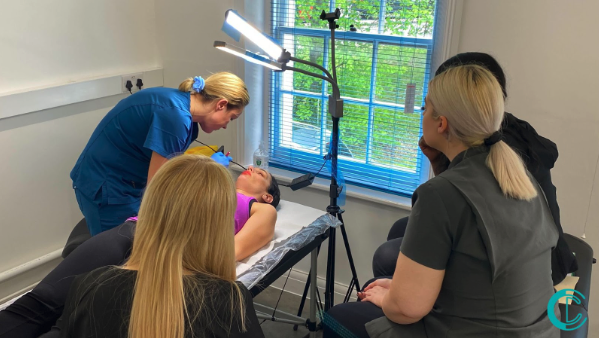
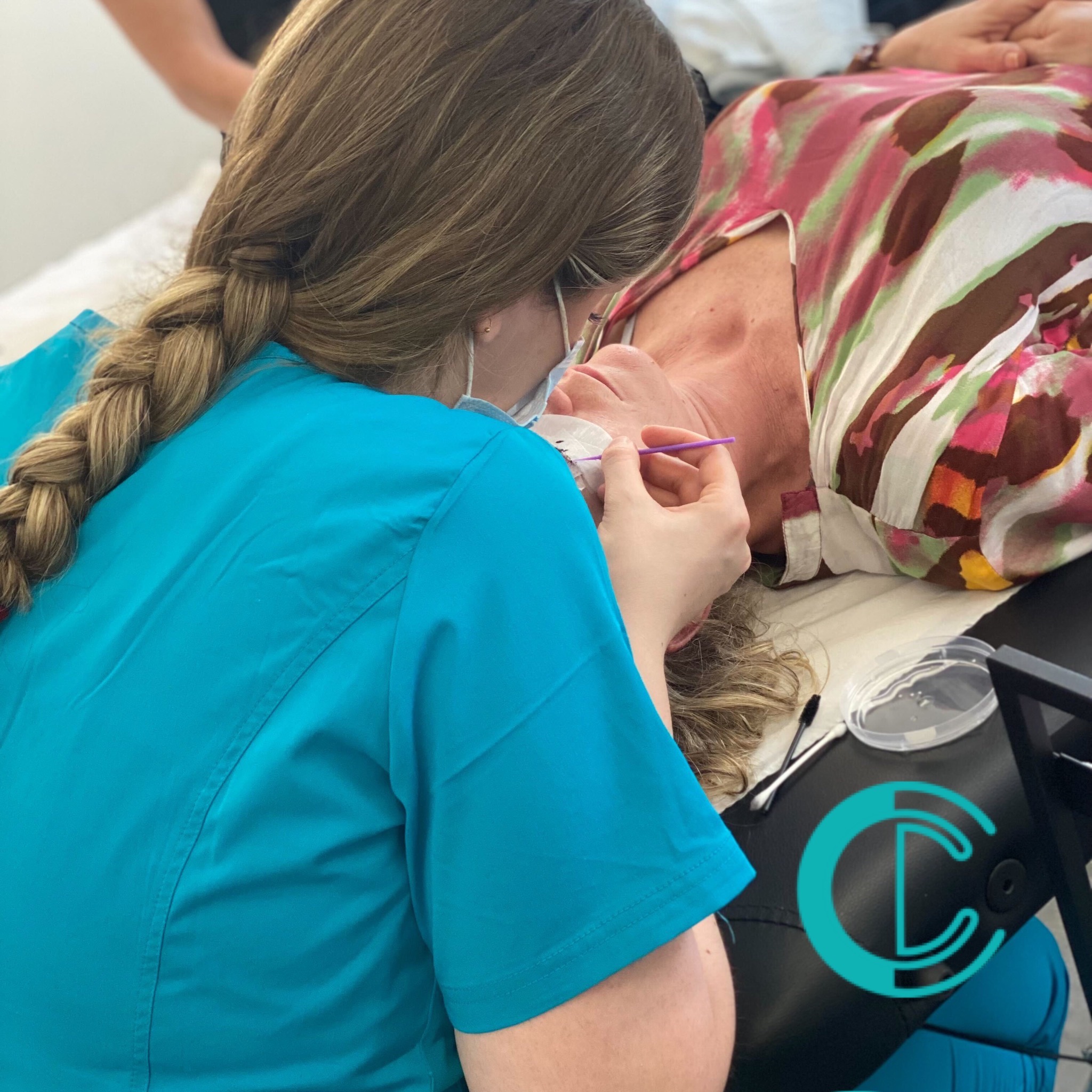
VTCT Level 3 Certificate in Access to Aesthetic Therapies spans 4-6 weeks of blended learning (theory modules, practical sessions, and independent study) and represents the regulated entry point for aesthetics professionals in the UK. The scope is deliberately comprehensive enough to build safe foundations without overwhelming beginners.
Core anatomy and physiology modules:
-
Skin structure and function - Detailed study of epidermis, dermis, hypodermis, their cellular composition, and physiological roles in temperature regulation, barrier function, and healing. Understanding skin appendages (hair follicles, sweat glands, sebaceous glands) and how they affect treatment planning at higher levels.
-
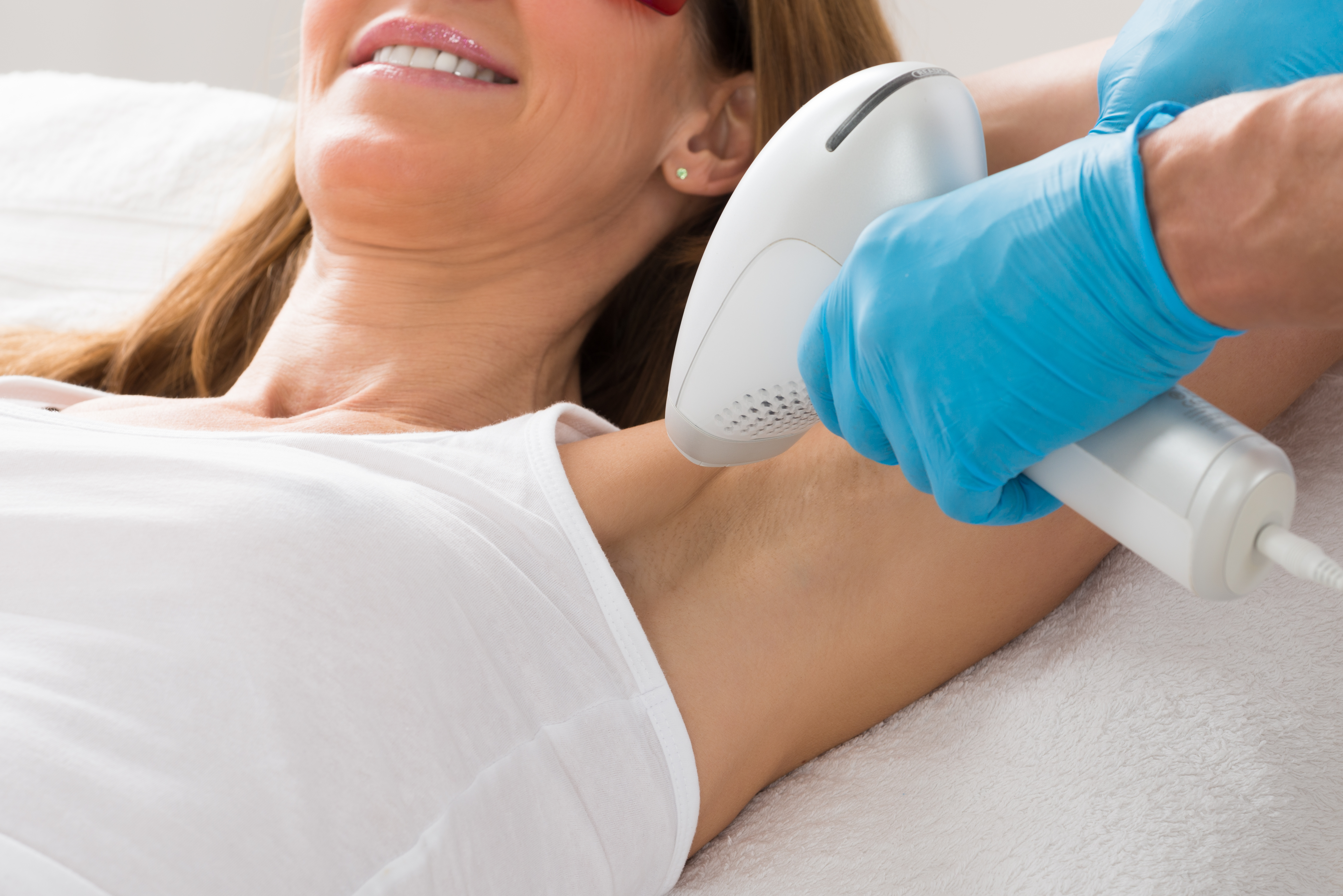
Hair growth cycle and follicle biology - Anagen, catagen, and telogen phases, hair bulb structure, and why laser treatment targets actively growing follicles. This foundational knowledge directly supports Level 4 laser training.
-
Blood and lymphatic circulation in skin - How nutrients and oxygen reach skin cells, how waste products are cleared, and why understanding circulation matters for treatment timing and post-care protocols.
-
Skin conditions and contraindications - Acne, rosacea, eczema, psoriasis, melasma, and other common presentations. Understanding which conditions absolutely prevent treatment and which require modified protocols.
Professional standards and health and safety:
-
Health and Care Professions Council (HCPC) alignment - Understanding regulatory frameworks, professional boundaries, and scope of practice. While Level 3 may not require HCPC registration directly, it builds the professional mindset required for regulated practice.
-
Infection control and cross-contamination prevention - Sterilization protocols for tools, hand hygiene standards, PPE usage, and managing bloodborne pathogen exposure (critical for any treatment involving needle contact).
-
Electrical safety and equipment hazards - Basic understanding of equipment grounding, circuit breaker function, and safe device operation. Prepares learners for safe handling of electrical aesthetic devices at higher levels.
-
Incident reporting and documentation - Legal requirements for adverse event documentation, client record-keeping standards, and understanding why detailed notes protect both practitioner and client legally.
Client consultation and psychology:
-
Structured consultation frameworks - Step-by-step approach to client questioning, assessing client goals vs. realistic outcomes, identifying contraindications through systematic questioning, and documenting informed consent.
-
Difficult conversation management - How to respectfully decline unsuitable clients, manage expectations for slower results, and discuss price without appearing desperate. These soft skills prevent costly mistakes and build professional reputation.
-
Cultural sensitivity and inclusive practice - Understanding diverse skin types, cultural attitudes toward beauty and treatment, and adapting communication styles appropriately.
Foundational skincare science:
-
Skin pH and the acid mantle - Understanding how products interact with skin's natural protective barrier and why certain aftercare products support healing better than others.
-
Product ingredients and their effects - Common skincare actives (vitamin C, retinol, hyaluronic acid, niacinamide), how they work, and which are appropriate at different skin-condition stages.
-
The skin barrier and transepidermal water loss (TEWL) - Why compromised barriers lead to sensitivity, flaking, and irritation after treatments, and how post-care protocols restore barrier function.
Basic practical skills:
-
Professional consultation delivery - Role-play and real client consultations, documenting client goals, assessing suitability, and creating simple treatment plans.
-
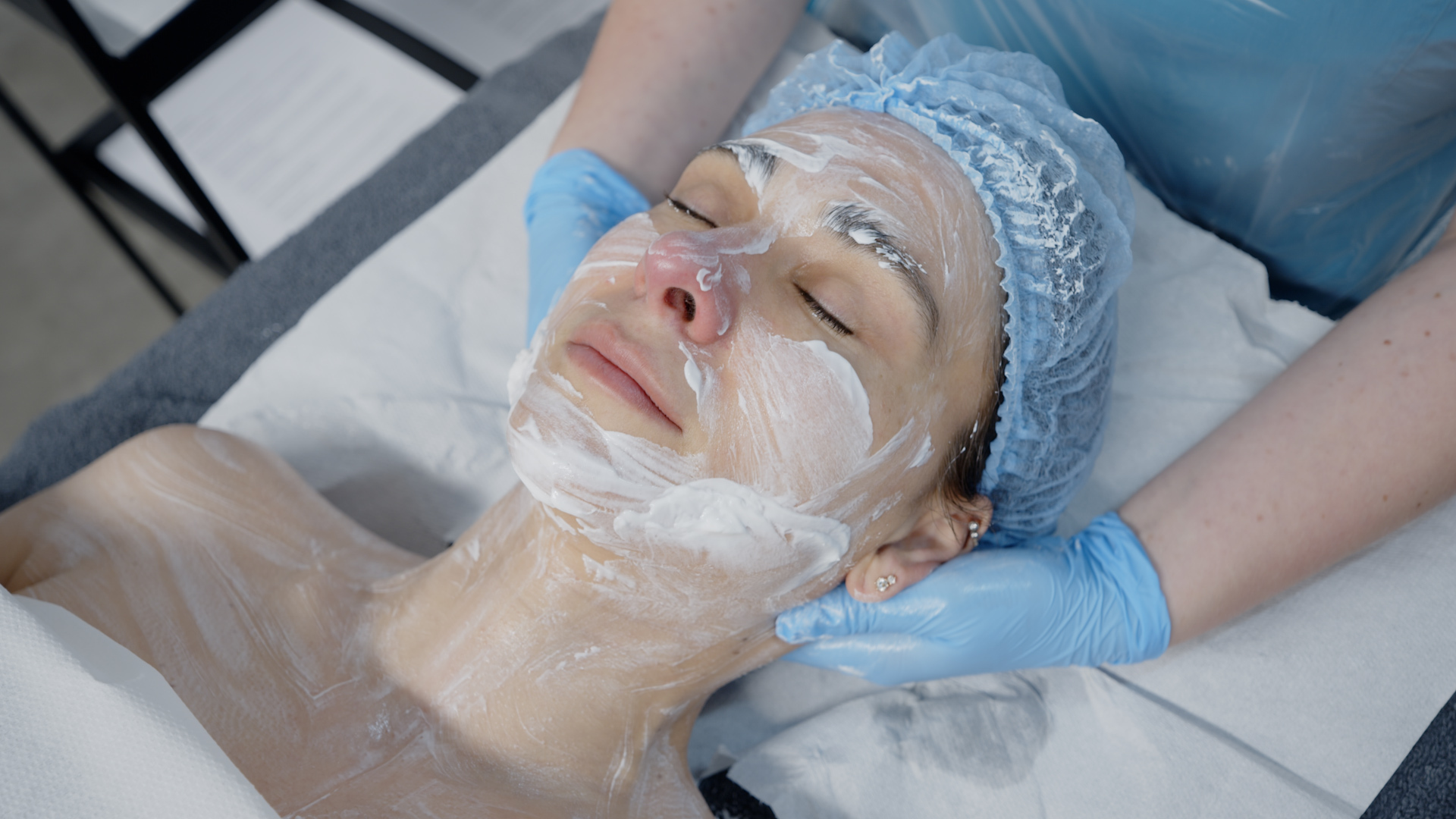
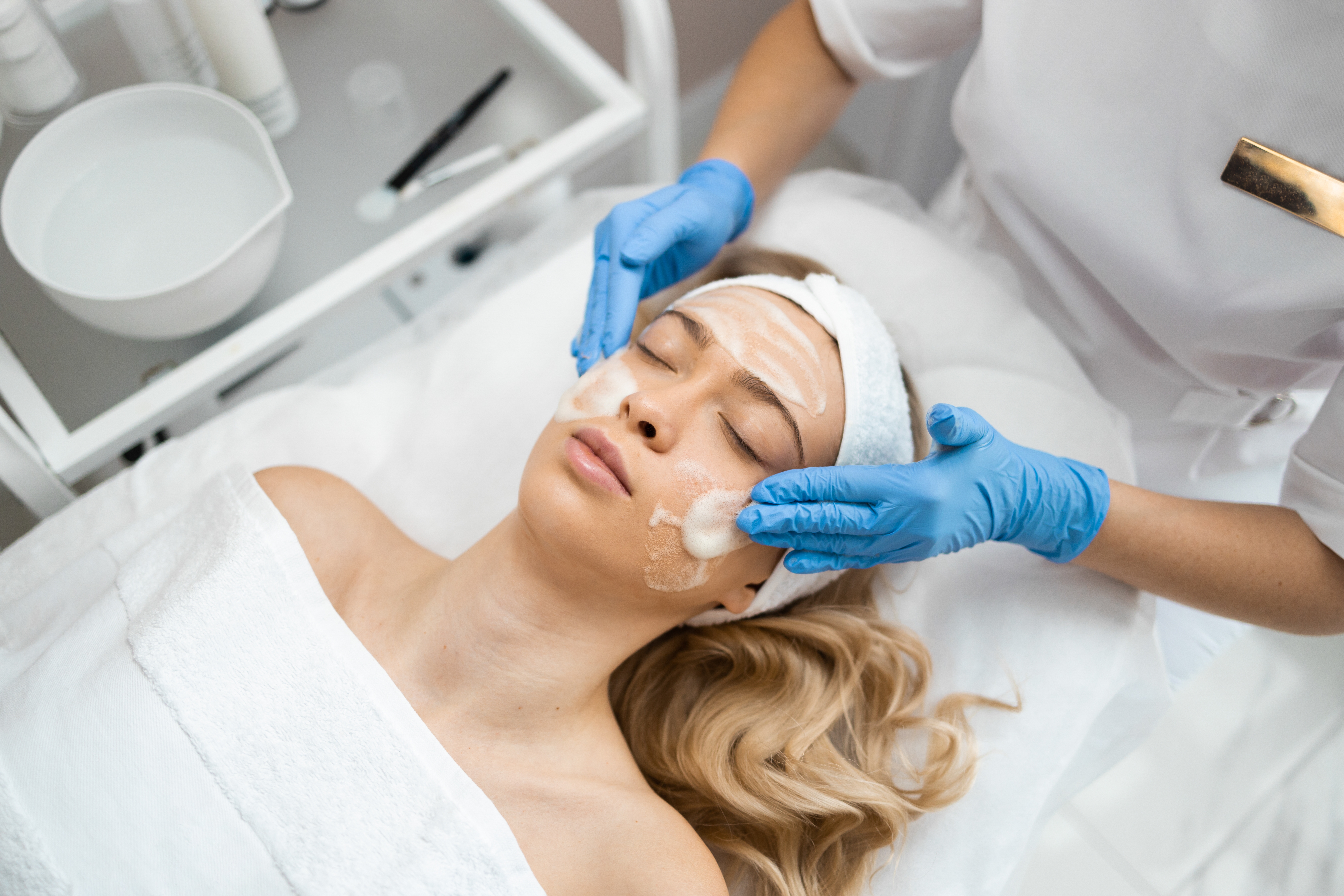
Basic facial and skincare protocols - Understanding a full facial treatment workflow, product application techniques, and basic extraction/exfoliation methods (though advanced device use comes at Level 4-5).
-
Client communication and aftercare instruction - Practical training in explaining post-treatment expectations, providing written aftercare guidance, and fielding common questions professionally.
Assessment methods for Level 3:
-
Written examinations - Theory assessment covering anatomy, physiology, contraindications, health and safety, and professional standards. Typically 90-120 minutes, covering multiple-choice and short-answer questions.
-
Practical demonstrations - Conducting a full consultation with unseen client, demonstrating understanding of suitability assessment, and delivering a basic facial or skincare treatment under observation.
-
Case studies - Documenting 3-5 real client consultations and treatments, including client goal, suitability assessment, treatment provided, and outcomes. These demonstrate systematic thinking and professional documentation habits.
-
Professional discussion - Structured conversation with assessor about decision-making, understanding of contraindications, and how knowledge applies to real-world scenarios.
What Level 3 qualifies you to do independently:
Level 3 itself does not qualify you to deliver advanced treatments (laser, injectables, advanced peels) - it's explicitly the foundation stage. However, Level 3 positions you to:
- Offer basic facial treatments and skincare analysis
- Conduct professional consultations and suitability assessments
- Progress to Level 4 (laser/IPL treatments) or other specializations
- Work in beauty clinics, spas, or medical aesthetics clinics in junior/support roles
- Understand contraindications and safety protocols that protect clients and your professional liability
The 4-6 week duration allows learners to absorb anatomy and safety knowledge without rushing assessment - critical given that this foundation supports everything that comes next.
What you learn at Level 3
A strong Level 3 route builds the knowledge you need for safe progression, including:
- Skin anatomy and physiology basics
- Client consultation and suitability checks
- Hygiene, infection control, and professional standards
- Foundational practical skin treatment workflows
This foundation is critical if you later plan to move into advanced pathways such as Level 4 skin training or Level 7 injectables.
Career and earnings context for Level 3 graduates
Level 3 graduates typically enter the aesthetics industry at junior or foundation-stage roles, reflecting that Level 3 is an entry point rather than an advanced qualification.
Typical employment paths after Level 3:
- Junior aesthetics therapist in medical spas or beauty clinics (£20,000-£28,000 annually)
- Beauty therapist with expanded aesthetics knowledge in salon or clinic (£18,000-£25,000)
- Clinic reception/administrative roles with knowledge advantage over non-qualified staff (£18,000-£23,000)
- Self-employed with basic facial services while building toward Level 4 (£15,000-£30,000 depending on client volume, typically part-time initially)
The earning is modest at Level 3 alone because the treatment scope is limited - basic facials and consultations don't command the pricing that laser treatments (£50-£150/area) or injectables (£150-£300/area) do.
Progression timeline and earnings growth:
- Level 3 completion: £20,000-£28,000 foundation earnings (Year 1)
- Level 4 completion (typically 6-12 months after Level 3): £28,000-£45,000 as you transition to laser/IPL treatments
- Level 5 completion (12-24 months after Level 4): £45,000-£75,000 with advanced scope and premium positioning
- Level 7 (optional, 6-12 months after Level 5): £75,000-£120,000+ if pursuing injectable specialisation
This progression model assumes consistent work in the field and strategic qualification timing. Practitioners who delay Level 4 after Level 3 (e.g., staying at junior clinic roles for 2+ years) often need to catch up through accelerated multi-level planning to unlock higher earnings.
The financial case for Level 3 as foundation: Investing £2,000-£4,000 in Level 3 training (4-6 weeks) establishes credentials that support £20,000-£28,000 annual earnings immediately. This ROI is achieved within 6-8 weeks of clinic employment. The investment is small enough that most career changers can afford it without external financing.
The real financial leverage comes from completing Level 4 within 6-12 months of Level 3 - this is where treatment pricing jumps £50+ per session and annual earnings increase £8,000-£17,000. Delaying Level 4 indefinitely wastes Level 3 credentials and frustrates earning growth.
Progression after Level 3
Most learners progress in this order:
- Level 3 Access
- Level 4 Advanced Skin
- Level 5 advanced procedures or laser pathways
- Level 7 injectables (route dependent)
If you are unsure which route applies to your background, use the course match quiz or review the Pathway to Aesthetics.
How to choose the right provider
When comparing providers, check:
- Awarding body and regulated status
- Tutor support and practical exposure
- Transparent progression advice
- Published start dates and support after qualification
You can compare regulated options on the VTCT course hub and check upcoming availability in the training calendar.
Entry-readiness scorecard (quick self-audit)
Use this scorecard before applying so admissions can place you on the right route quickly.
| Area | Strong answer looks like | If you are not there yet |
|---|---|---|
| Time availability | You can protect weekly study and practical time | Pick a later intake and lock calendar blocks now |
| Career direction | You know whether you want employment, mobile, or clinic path | Use Pathway to Aesthetics to choose a realistic 12-month route |
| Financial planning | You have course and setup budget assumptions | Review finance options before enrolment |
| Learning commitment | You are ready for theory, case studies, and assessment deadlines | Book a callback and ask for a staged plan |
This step matters because learners who start with clear availability and route intent usually progress faster from Level 3 to Level 4. If your end goal is advanced skin or injectables, planning the sequence now reduces rework and avoids paying twice for disconnected training choices.
90-day action plan after enrolment
The strongest Level 3 learners treat the first 90 days like a launch sprint.
- Weeks 1-2: Confirm your progression target and map next qualification checkpoints.
- Weeks 3-6: Build assessment discipline with fixed weekly revision and practical hours.
- Weeks 7-10: Document consultation structure, contraindications, and treatment planning.
- Weeks 11-12: Pre-plan your Level 4 conversation and short-list likely next dates.
If your goal is to move quickly without sacrificing competence, pair this plan with the training calendar and schedule an admissions review through Request a Callback.
FAQ
Do I need previous beauty qualifications for VTCT Level 3 Access to Aesthetics UK? Not usually. This Ofqual-regulated route is designed for beginners, but providers assess suitability based on learning commitment and availability. See VTCT Training UK: Complete Guide for progression context.
Can I progress to Level 4 after Level 3 Access to Aesthetics? Yes. Level 3 is commonly used as the regulated progression base for Level 4 Advanced Aesthetic Therapies for Skin. See VTCT Level 4 vs Level 5 for comparison.
Is VTCT Level 3 enough to offer advanced treatments? No. Advanced treatment scope usually requires progression to higher levels aligned to your intended service mix.
How long does a VTCT Level 3 route usually take? Typically 4-6 weeks of blended learning (combining online theory, weekly practical sessions, and independent study), depending on provider delivery model and your pace. Full-time intensive routes can compress to 2-3 weeks; part-time routes over 8-10 weeks. Use the training calendar to check availability and format options.
Is this qualification useful for non-medics entering aesthetics? Essential. Level 3 is the designated entry point for non-medics in the UK aesthetics industry. Medical professionals (nurses, doctors, healthcare professionals) sometimes skip Level 3 due to existing anatomy/physiology knowledge, but most beauty therapists and career changers need Level 3 as regulated foundation. See Aesthetics Licensing UK 2026 for compliance information.
What insurance costs should I expect after Level 3? Professional liability insurance for Level 3 practitioners (performing basic facials and consultations) typically costs £100-£150 per year. This is a minimal cost and should be factored into your setup budget. Cost increases to £150-£250/year once you progress to Level 4 laser treatments and £250-£400+/year for Level 5 advanced procedures or injectables at Level 7.
Do employers recognize VTCT Level 3 qualifications? Yes, absolutely. VTCT Level 3 is Ofqual-regulated and nationally recognized. All UK medical spas, aesthetics clinics, beauty salons with aesthetics services, and clinic chains recognize it as legitimate qualification. It's the baseline credential that separates qualified practitioners from unqualified "beauty therapists" without accreditation.
What is the best next step after reading this? Review VTCT course options and book a callback to confirm your route fit.
How do I avoid enrolling on the wrong level? Share your full background and end goal with admissions first, then confirm your staged route in writing. Use the course match quiz to identify potential prerequisites.
Should I plan Level 4 now or wait until I finish Level 3? Plan early. Early planning via Pathway to Aesthetics reduces timeline gaps and momentum loss between levels.
Editorial Standards
Author
Cosmetic College Editorial Team
Aesthetic Education Editorial Team
Cosmetic College specialists and admissions advisers produce this content to help learners choose regulated progression routes and make safer, better-informed training decisions.
Review cycle
Published: 16 January 2026
Last reviewed: 16 January 2026
Reading time: 10 min
Sources and References
- Request a Callbackcosmetic.college
- Level 4 skin trainingcosmetic.college
- Level 7 injectablescosmetic.college
- course match quizcosmetic.college
- Pathway to Aestheticscosmetic.college
- VTCT course hubcosmetic.college
- training calendarcosmetic.college
- finance optionscosmetic.college
- VTCT Training UK: Complete Guidecosmetic.college
- VTCT Level 4 vs Level 5cosmetic.college
- Aesthetics Licensing UK 2026cosmetic.college