








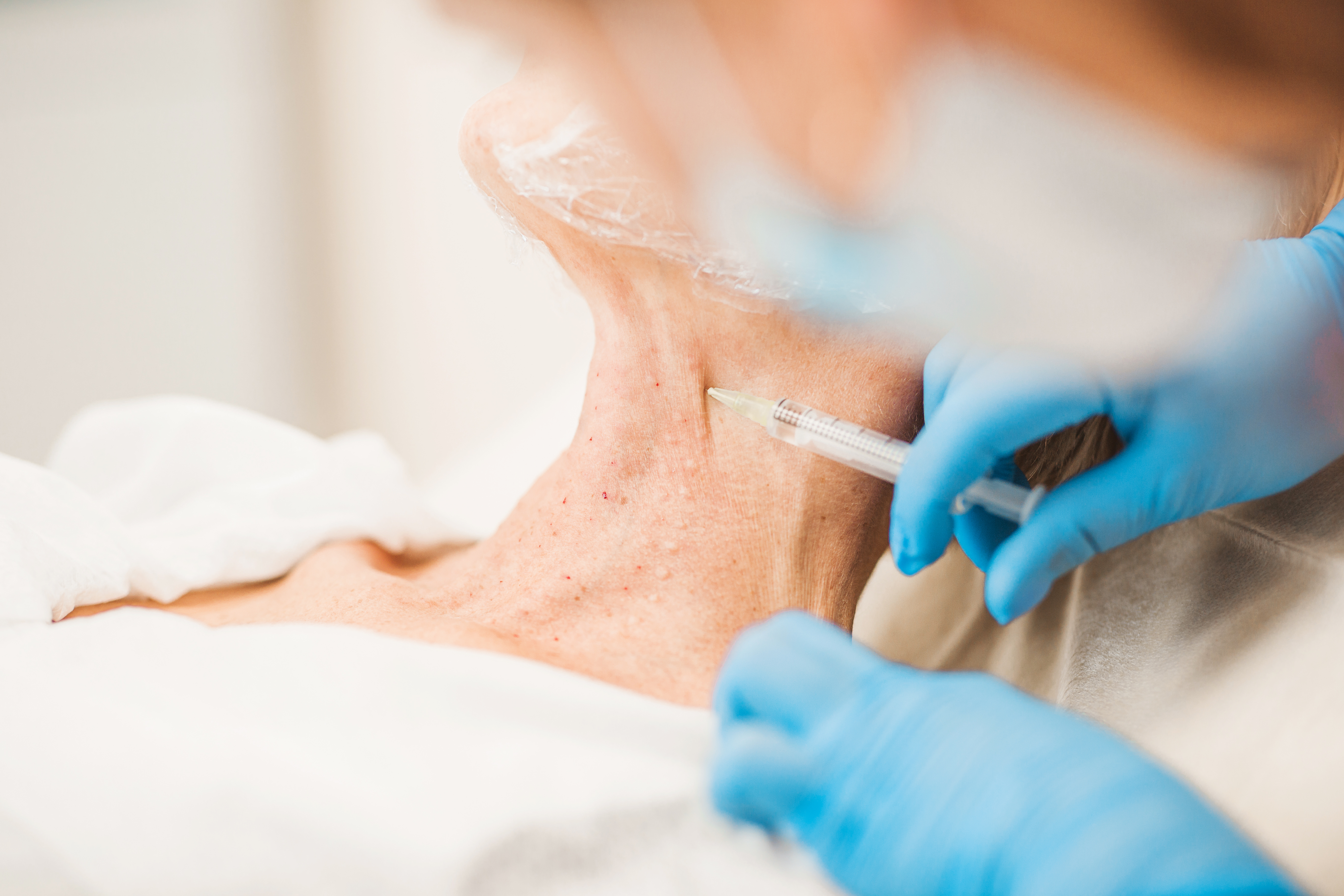



This UK aesthetics salary benchmark 2026 is designed as a planning framework, not a promise of earnings. Income varies by treatment mix, pricing strategy, repeat booking rate, and progression level. As you advance through aesthetics training UK qualifications, your earning potential increases significantly due to expanded treatment scope and market positioning.
Benchmark assumptions
The ranges below assume:
- UK-based practitioner model
- Blended service mix across skin and advanced treatments
- Consistent marketing and retention activity
- Clinical and compliance standards maintained
Indicative annual earnings framework
| Stage | Typical service mix | Indicative range |
|---|---|---|
| Foundation stage | Entry and core skin treatments | GBP 28,000 to GBP 45,000 |
| Growth stage | Advanced skin + improved retention | GBP 45,000 to GBP 75,000 |
| Advanced stage | Premium scope + stronger brand position | GBP 75,000 to GBP 120,000+ |
What drives movement between bands
Most practitioners move bands by improving:
- Qualification depth and treatment scope
- Consultation-to-booking conversion quality
- Rebooking and client lifetime value
- Operational consistency and pricing confidence
Progression pathways to review:
Related guides on career earnings:
Earnings by treatment speciality
Your income potential varies significantly depending on which treatments you specialise in. Here's a realistic breakdown:
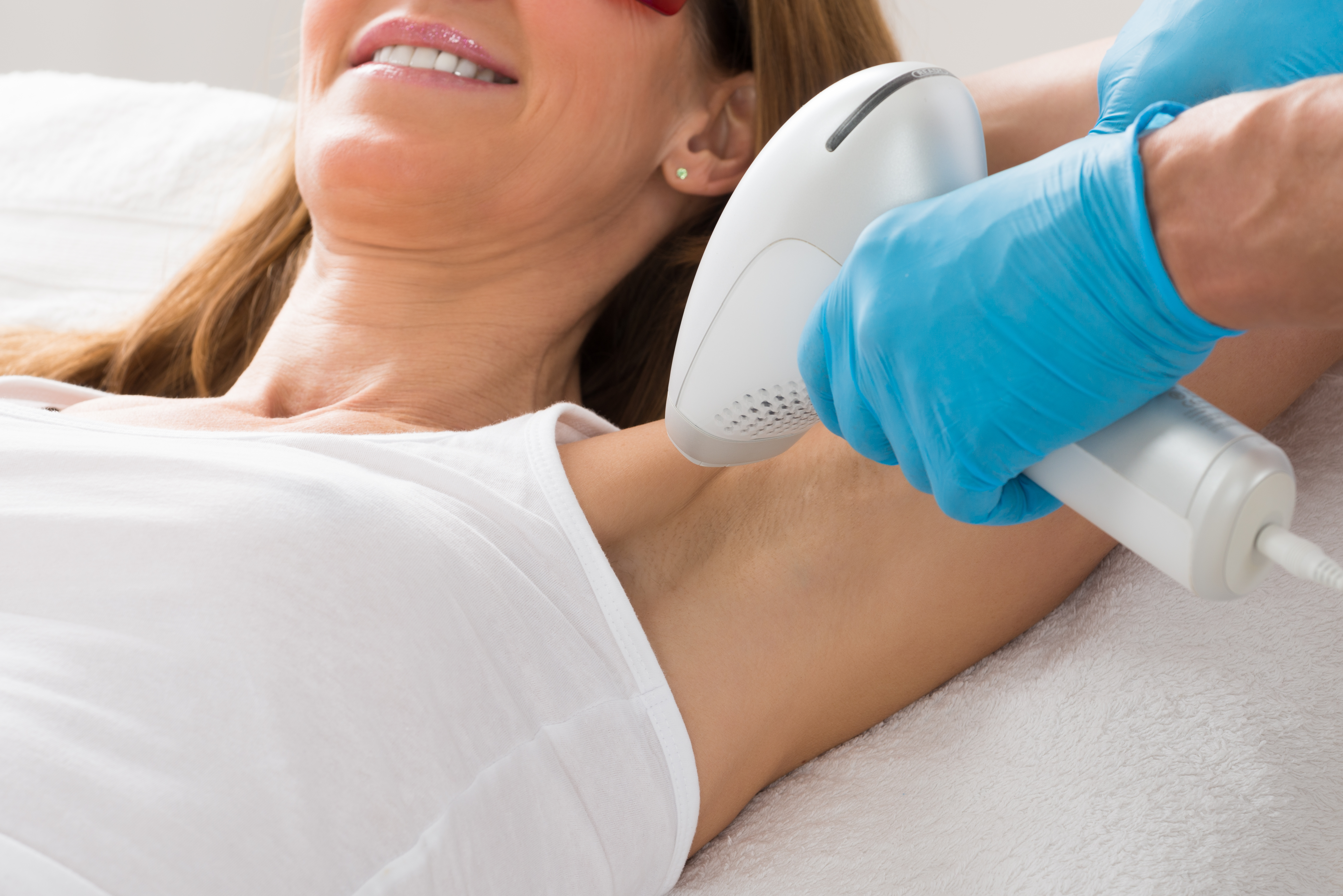
Laser Practitioners (Level 4 specialists)
- Typical services: Laser hair removal (£50–£150/area), IPL photorejuvenation, light therapy
- Average utilization: 15–18 billable hours/week, 4–6 clients/day
- Income breakdown:
- Conservative estimate (12 treatments/week at £80 avg): £960/week = £50k annual
- Strong estimate (15 treatments/week at £120 avg): £1,800/week = £94k annual
- High-end (18 treatments/week at £140 avg): £2,520/week = £131k annual
- Typical range: £35k–£60k (employed/salon-based) to £45k–£95k (self-employed with strong bookings)
- Repeat booking rate: 40–50% (clients book follow-up laser sessions every 4–6 weeks)
- Margin pressure: Medium (equipment depreciation and consumable cost eat into gross margin)
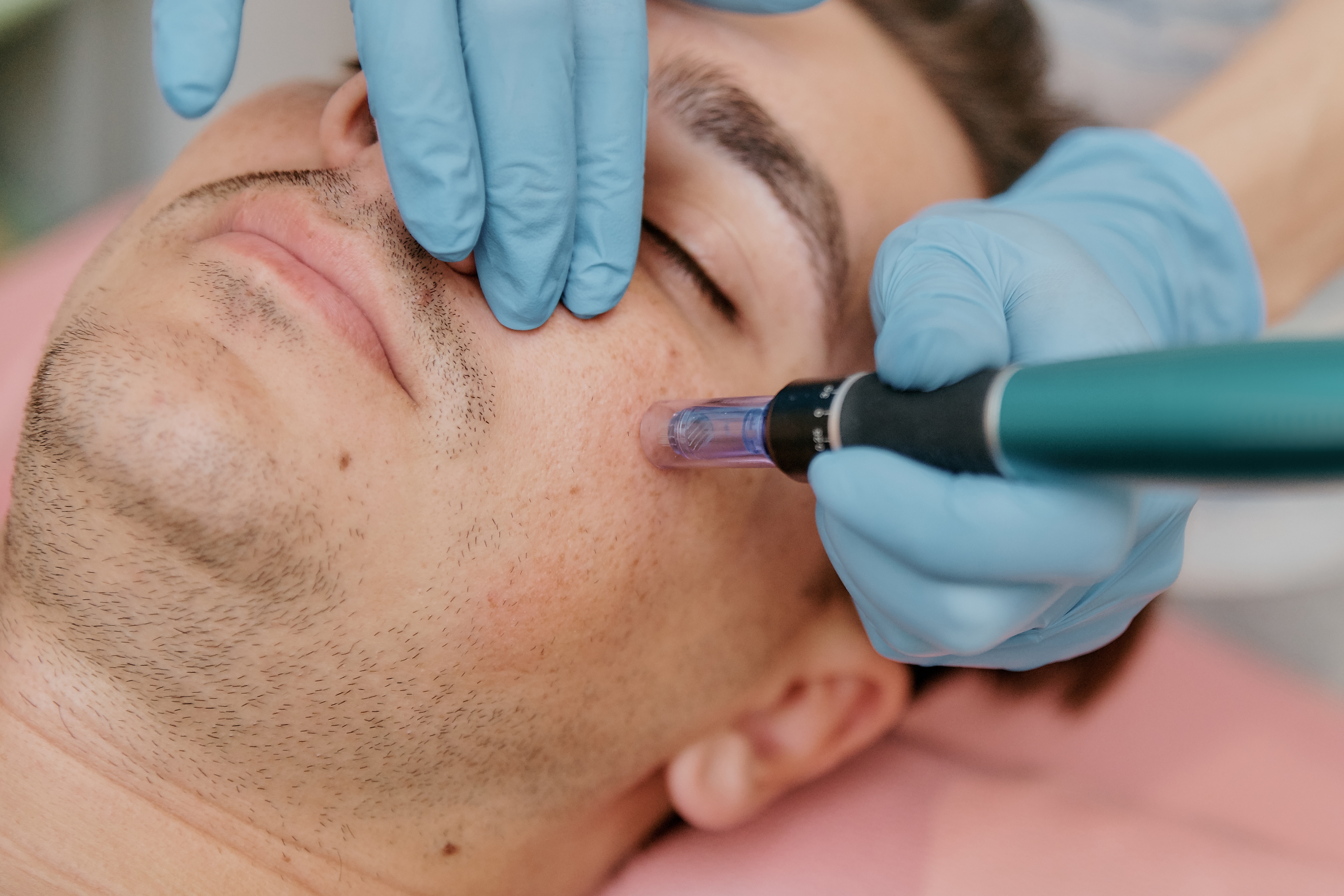
Advanced Skin Specialists (Level 5: microneedling, mesotherapy, peels)
- Typical services: Skin boosters (£200–£350), mesotherapy (£150–£300), advanced peels (£80–£200), RF microneedling
- Average utilization: 12–15 billable hours/week, 5–7 clients/day
- Income breakdown:
- Conservative estimate (10 treatments/week at £200 avg): £2,000/week = £104k annual
- Strong estimate (12 treatments/week at £250 avg): £3,000/week = £156k annual
- High-end (15 treatments/week at £280 avg): £4,200/week = £218k annual
- Typical range: £40k–£70k (employed) to £60k–£130k (self-employed)
- Repeat booking rate: 55–65% (clients rebook for courses of 4–6 treatments every 6–8 weeks)
- Margin pressure: Low–Medium (product costs 15–25% of revenue, but strong repeat bookings offset)
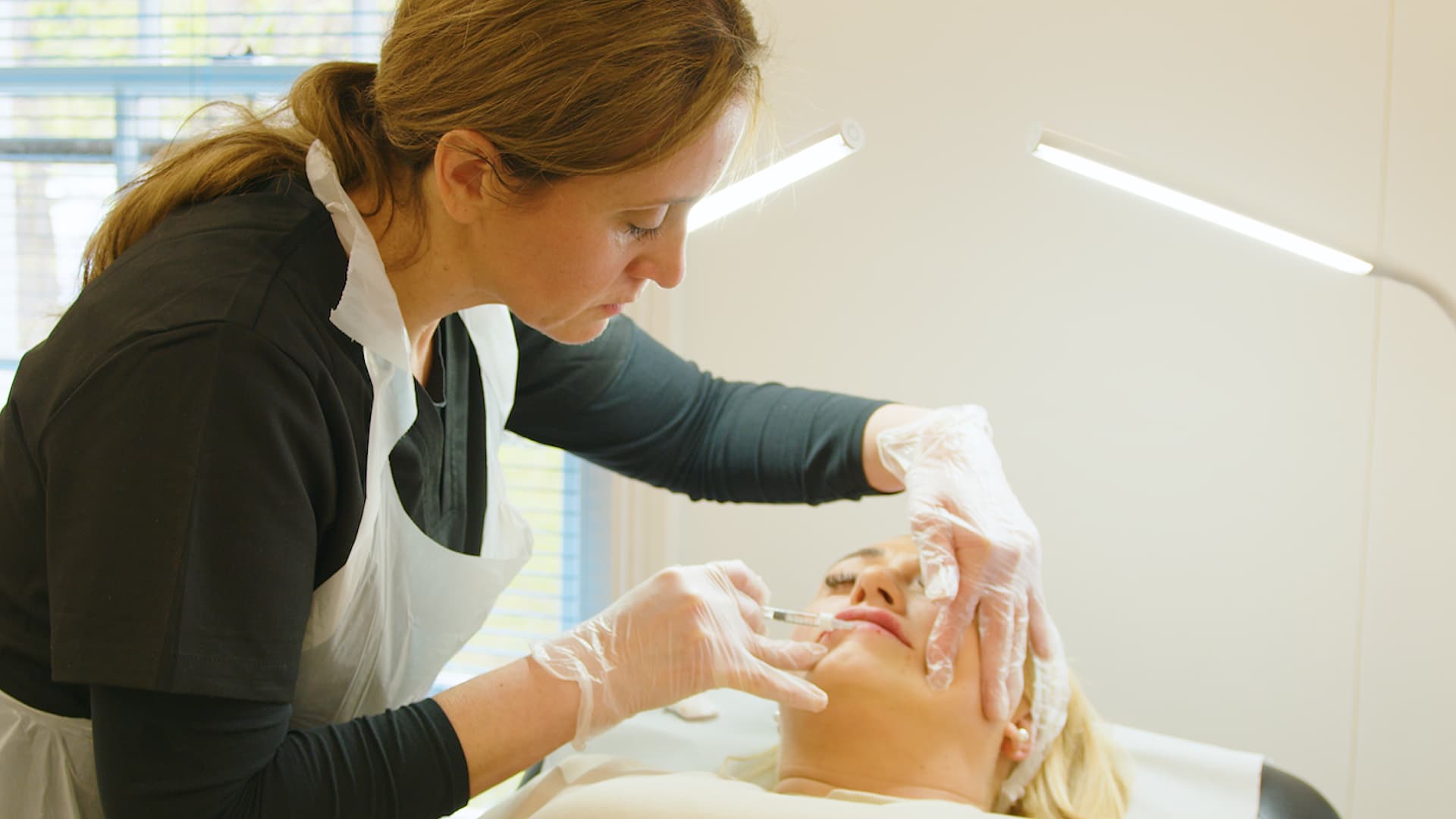
Injectable Specialists (Level 7: fillers, botulinum toxin)
- Typical services: Dermal fillers (£200–£400), botulinum toxin (£150–£300/area), lip fillers, advanced assessments
- Average utilization: 12–16 billable hours/week, 5–8 clients/day
- Income breakdown:
- Conservative estimate (6 clients/week at 2 areas avg, £225/area): £2,700/week = £140k annual
- Strong estimate (8 clients/week at 2.5 areas avg, £275/area): £5,500/week = £286k annual
- High-end (10 clients/week at 3 areas avg, £300/area): £9,000/week = £468k annual
- Typical range: £60k–£120k (employed) to £90k–£250k+ (premium self-employed)
- Repeat booking rate: 65–75% (clients return every 3–4 months for maintenance and touch-ups)
- Margin advantage: Highest of all specialities (product cost ~30% of revenue, but volume and repeat bookings drive scale)
- Premium positioning: Injectable specialists often command 20–30% pricing premium in same location vs skin-only practitioners
Key insight: Treatment choice directly impacts income. A Level 7 injectable practitioner can earn 2–3x what a Level 4 laser specialist earns, assuming equal utilization and marketing. However, injectable practitioners require more advanced training and typically take longer to build client trust.
Employed vs self-employed earnings
Income structure varies significantly based on your employment model:
| Employment model | Typical structure | Income range | Pros | Cons |
|---|---|---|---|---|
| Salon employee (Level 3–4) | Base salary + commission (typically 30–40% of treatment revenue) | £25k–£50k | Stable base, no overhead risk, training investment may be covered by employer | Capped income, limited autonomy on pricing |
| Salon employee (Level 5) | Base salary £28k–£35k + commission 35–45% | £40k–£70k | Better base, stronger earning potential | Still capped at employer commission structure |
| Salon employee (Level 7 injectables) | Base salary £35k–£45k + commission 40–50% | £60k–£120k | Premium positioning, higher base for stability | Employer takes significant margin; your income capped |
| Self-employed (chair rental model) | Pay £200–£500/month for dedicated treatment chair, keep 85–90% of revenue | £35k–£80k (depending on utilization) | Full pricing control, high margin potential | No salary security, must manage own bookings and marketing |
| Self-employed (private practice) | Own all costs and revenue, but pay rent, utilities, insurance, staff | £45k–£250k+ (high variance) | Maximum earning potential, full autonomy, build equity in business | High overhead risk, requires strong business management |
| Hybrid (part-time employed + self-employed) | Employed 2–3 days/week + own clients 2 days/week | £40k–£100k (blended) | Risk diversification, steady base + upside | More demanding schedule, split focus |
Key insight: Self-employed practitioners typically earn 30–50% more than salon employees at the same qualification level, but carry higher operational risk and variable income. Most practitioners start employed (Level 3–4) to validate the business, then move self-employed (Level 5+) once utilization and client loyalty are strong.
How treatment volume drives income
Your billable hours per week is the single largest income driver. Here's how volume affects take-home income:
Scenario: Level 5 practitioner (Advanced Skin) at £250/treatment average
| Billable hours/week | Treatments/week (assuming 1–1.5 hrs per treatment) | Gross revenue | Consumable cost (20%) | Gross margin | Annual gross margin |
|---|---|---|---|---|---|
| 10 | 7–10 | £2,000 | £400 | £1,600 | £83k |
| 15 | 10–15 | £2,500–£3,750 | £500–£750 | £2,000–£3,000 | £104k–£156k |
| 20 | 13–20 | £3,250–£5,000 | £650–£1,000 | £2,600–£4,000 | £135k–£208k |
Takeaway: Moving from 10 to 20 billable hours/week (part-time to full-time) can increase gross margin by £50k–£125k annually. This is why scaling utilization is more important than pursuing price increases alone.
Scenario: Level 7 practitioner (Injectables) at £250/area, 2.5 areas per client
| Billable hours/week | Clients/week | Revenue (2.5 areas × £250) | Product cost (30%) | Gross margin | Annual gross margin |
|---|---|---|---|---|---|
| 12 | 6 | £3,750 | £1,125 | £2,625 | £137k |
| 16 | 8 | £5,000 | £1,500 | £3,500 | £182k |
| 20 | 10 | £6,250 | £1,875 | £4,375 | £227k |
Takeaway: Injectable practitioners who achieve 20 billable hours/week at strong pricing can gross £230k+ annually before overheads. After rent (£300–£500/month), insurance, staff, and marketing, net income is typically £150k–£180k for self-employed practitioners in premium markets.
How to use this benchmark
Use it as a quarterly planning tool:
- Set target service mix by qualification level
- Define monthly utilization and rebooking goals
- Align training investment with pricing strategy
- Revisit targets every quarter
Need route help? Book a callback or take the course quiz.
Revenue levers that matter more than hourly rates
Practitioner income rarely improves from single price increases alone. It usually improves when these levers move together:
- Treatment scope quality: wider, progression-backed service capability.
- Consultation conversion: clearer diagnosis, expectation setting, and treatment plans.
- Rebooking rate: consistent follow-up systems and outcome reviews.
- Capacity utilization: reliable attendance and cancellation control.
- Positioning strength: ability to command value-based pricing.
Use this benchmark as a planning baseline, then track your own data monthly. Your clinic model, local demand, and progression route will always shape your real income trajectory more than national averages.
Practical planning model by career stage
| Stage | 90-day priority | 12-month target |
|---|---|---|
| Foundation | Improve consultation consistency and treatment confidence | Reach stable utilization with a repeatable service mix |
| Growth | Expand higher-value services with route-backed competence | Increase rebooking and average order value |
| Advanced | Refine premium positioning and operational systems | Grow sustainable income with controlled capacity |
If you are unsure which route best supports your next stage, compare options on the VTCT hub, review Pathway to Aesthetics, align milestones to upcoming dates in the training course calendar, and take the best aesthetic course quiz.
FAQ
Are these salary figures guaranteed? No. They are planning benchmarks based on common UK practitioner patterns.
What affects earnings most? Service mix, repeat bookings, pricing, and progression level usually have the biggest impact.
Can beginners reach high bands quickly? Usually this requires staged progression and consistent execution over time.
Does qualification level impact earning power? Yes. Broader and deeper qualification scope often supports higher-value services. VTCT Level 7 practitioners typically command premium pricing due to injectable treatment scope.
How do I plan my progression route? Use Pathway to Aesthetics, VTCT courses, and review how to become an aesthetic practitioner in the UK.
What should I do next? Request a callback to build a route around your goals.
How often should I benchmark my income model? Monthly for key metrics and quarterly for full strategic review.
What is the biggest income mistake early practitioners make? Focusing only on new client acquisition and neglecting retention and rebooking systems. Practitioners who improve repeat booking rate by 10–15% typically earn 20–30% more without acquiring any new clients. Invest in outcome tracking, follow-up messaging, and loyalty systems from day one.
How much should I expect to earn in my first year of practice? First-year earnings are typically 50–60% of your year 2–3 potential because you're still building client base and reputation. A Level 4 practitioner might earn £20k–£30k year 1, then £40k–£60k year 2–3. Level 7 practitioners might earn £30k–£50k year 1, reaching £80k–£150k by year 3. This assumes consistent effort on marketing, consultation quality, and client management.
Does location significantly affect my earnings potential? Yes. London and Southeast practitioners can typically charge 20–30% higher prices than Midlands/North, but this is partially offset by higher rents and competitive density. A Level 5 practitioner in London might earn £60k–£100k; the same practitioner in Manchester might earn £45k–£75k. However, lower overheads in provincial areas often result in higher net income despite lower gross revenue.
What happens to my income if I add a new treatment speciality? Adding a higher-value speciality (e.g., Level 5 practitioner adding Level 7 injectables) typically increases annual income by £30k–£60k once fully booked, assuming your existing client base has demand for it. Plan for 3–6 months of lower booking rates during the transition while you build injectable reputation, but long-term upside is significant.
Editorial Standards
Author
Cosmetic College Editorial Team
Aesthetic Education Editorial Team
Cosmetic College specialists and admissions advisers produce this content to help learners choose regulated progression routes and make safer, better-informed training decisions.
Review cycle
Published: 19 January 2026
Last reviewed: 19 January 2026
Reading time: 8 min
Sources and References
- All aesthetics coursescosmetic.college
- VTCT routescosmetic.college
- Level 7 diploma progressioncosmetic.college
- Pathway to Aestheticscosmetic.college
- UK Aesthetic Treatment Pricing Benchmark 2026cosmetic.college
- Aesthetics Career Pathway UK: Beginner to Advancedcosmetic.college
- callbackcosmetic.college
- course quizcosmetic.college
- training course calendarcosmetic.college
- how to become an aesthetic practitioner in the UKcosmetic.college