







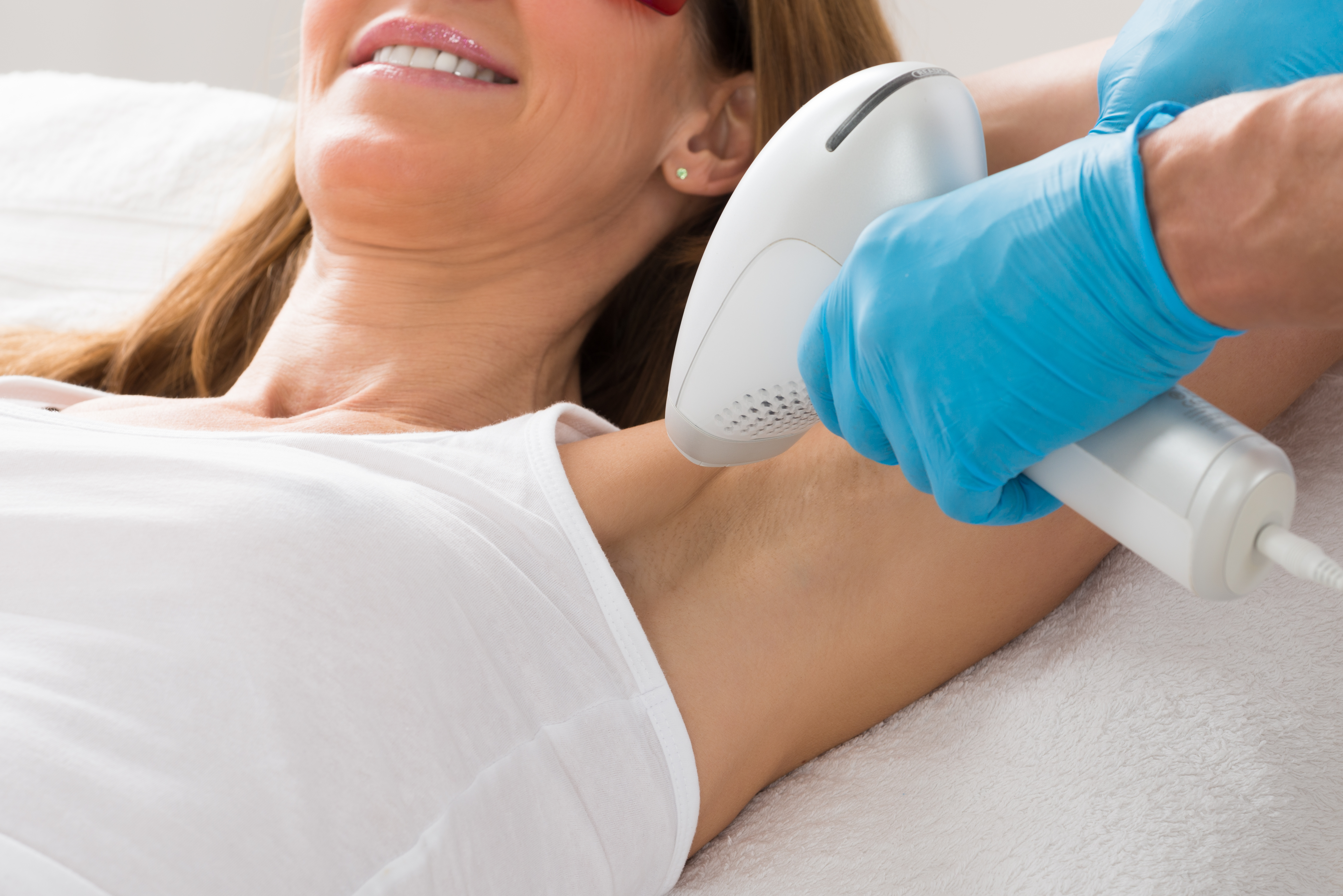
Laser Hair Removal Training: What Does VTCT Level 4 Cover?
Learn exactly what the VTCT Level 4 Certificate in Laser and Intense Pulsed Light (IPL) Treatments includes - from course structure to skills gained, practical training, and career outcomes. This comprehensive laser hair removal training covers both the theory and practical application required for Ofqual-regulated professional practice.
Introduction
Laser hair removal is one of the most sought-after treatments in the aesthetics industry - offering long-term results, high client satisfaction, and excellent earning potential for practitioners.
If you’re ready to specialise in advanced skin and light-based procedures, the VTCT Level 4 Certificate in Laser and Intense Pulsed Light (IPL) Treatments is your next step.
In this guide, we’ll break down what the qualification covers, who it’s for, how training works, and why studying with Cosmetic College can fast-track your success in the field.
What Is the VTCT Level 4 Laser & IPL Qualification?
The VTCT Level 4 Certificate in Laser and Intense Pulsed Light Treatments is an Ofqual-regulated qualification, designed to teach practitioners how to safely and effectively perform hair removal and skin rejuvenation using advanced laser and IPL devices.
This course is recognised by insurance providers, employers, and licensing authorities, making it essential for anyone wanting to offer professional laser or IPL services.
Who It’s For
- Qualified Level 3 Beauty Therapists or Aesthetic Practitioners.
- Those looking to progress into medical-grade treatments such as laser hair removal, vascular lesion reduction, and pigmentation correction.
- Practitioners who want to gain a qualification aligned with upcoming UK aesthetics licensing reforms.
What You’ll Learn
The VTCT Level 4 qualification combines theoretical knowledge with hands-on clinical practice.
Training covers four key units that prepare you to deliver laser and light-based treatments safely, confidently, and in line with current industry standards.
Core Units
-
Client Care and Consultation
Develop the ability to assess client needs, identify contraindications, and deliver tailored treatment plans. You’ll also learn effective communication and informed-consent procedures. -
Management of Health, Safety, and Security in the Salon
Learn essential protocols for infection control, risk assessment, and safe equipment handling - ensuring full compliance with legislation and insurance standards. -
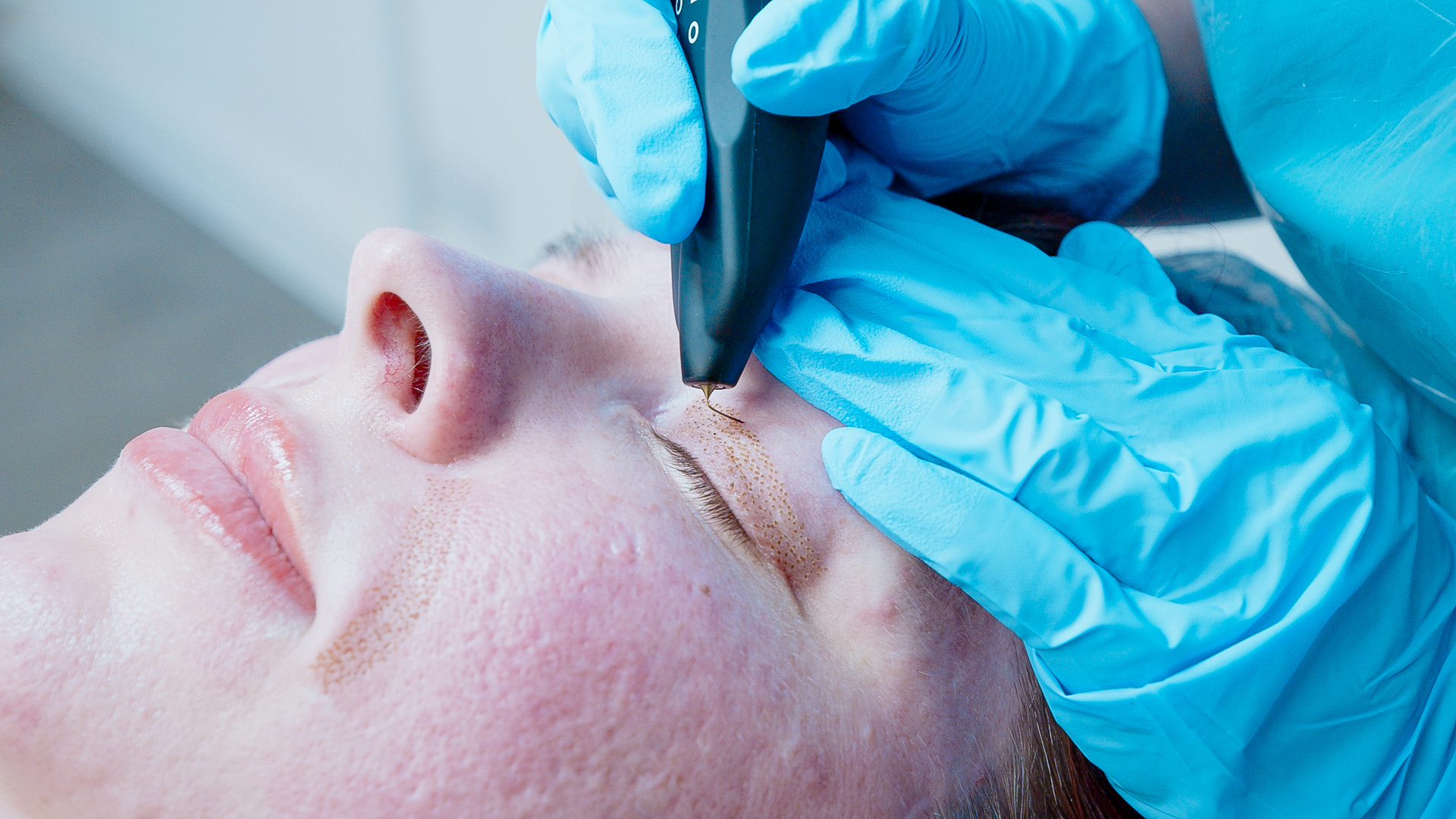
Laser and Light Treatments for Hair Removal
Gain in-depth understanding of how laser and IPL technologies target hair follicles to achieve long-term reduction. Includes:- Fitzpatrick skin typing and contraindications
- Pre- and post-treatment care
- Managing complications and adverse effects
- Practical sessions on live models using professional-grade systems
-
Laser and Light Treatments for Skin Rejuvenation
Explore how light energy stimulates collagen production to treat uneven tone, texture, and pigmentation. Includes:- Tissue interaction and photothermolysis principles
- Treatment planning for rejuvenation and pigmentation
- Adverse reaction management
- Hands-on practice under tutor supervision
Course Format and Assessment
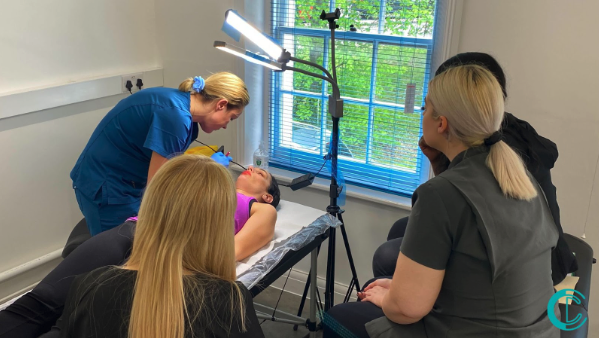
At Cosmetic College, training follows a blended format to balance flexibility with practical experience.
| Component | Delivery | Details |
|---|---|---|
| E-Learning Modules | Online | Four interactive theory courses covering anatomy, safety, and device science. |
| Written Assignments | Online | Assess understanding of core concepts and underpinning knowledge. |
| Webinars | Virtual | Consolidate learning, review case studies, and prepare for assessments. |
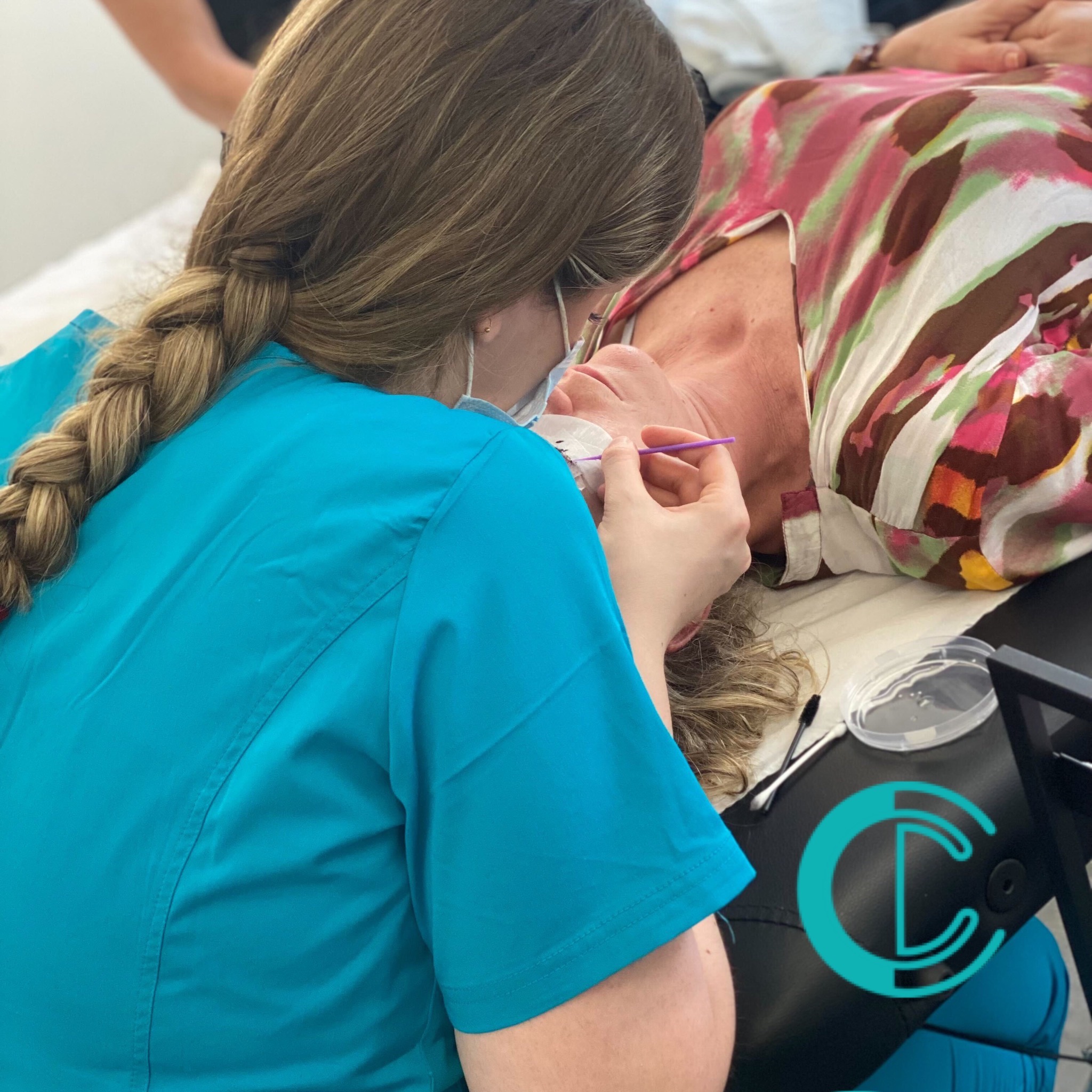
| Practical Training | Onsite | Supervised laser and IPL sessions on live models. |
| Summative Assessment | Onsite | Independent treatments performed under examiner observation. |
Successful completion demonstrates full competence across theory, practical application, and safety management - leading to an Ofqual-regulated VTCT certificate. For cost considerations when comparing providers, see our laser hair removal course price guide.
Why Choose Cosmetic College
Studying at Cosmetic College means training with one of the UK’s most innovative and trusted providers in aesthetics education.
We offer:
- CPD and VTCT-Accredited Courses recognised by insurers and employers.
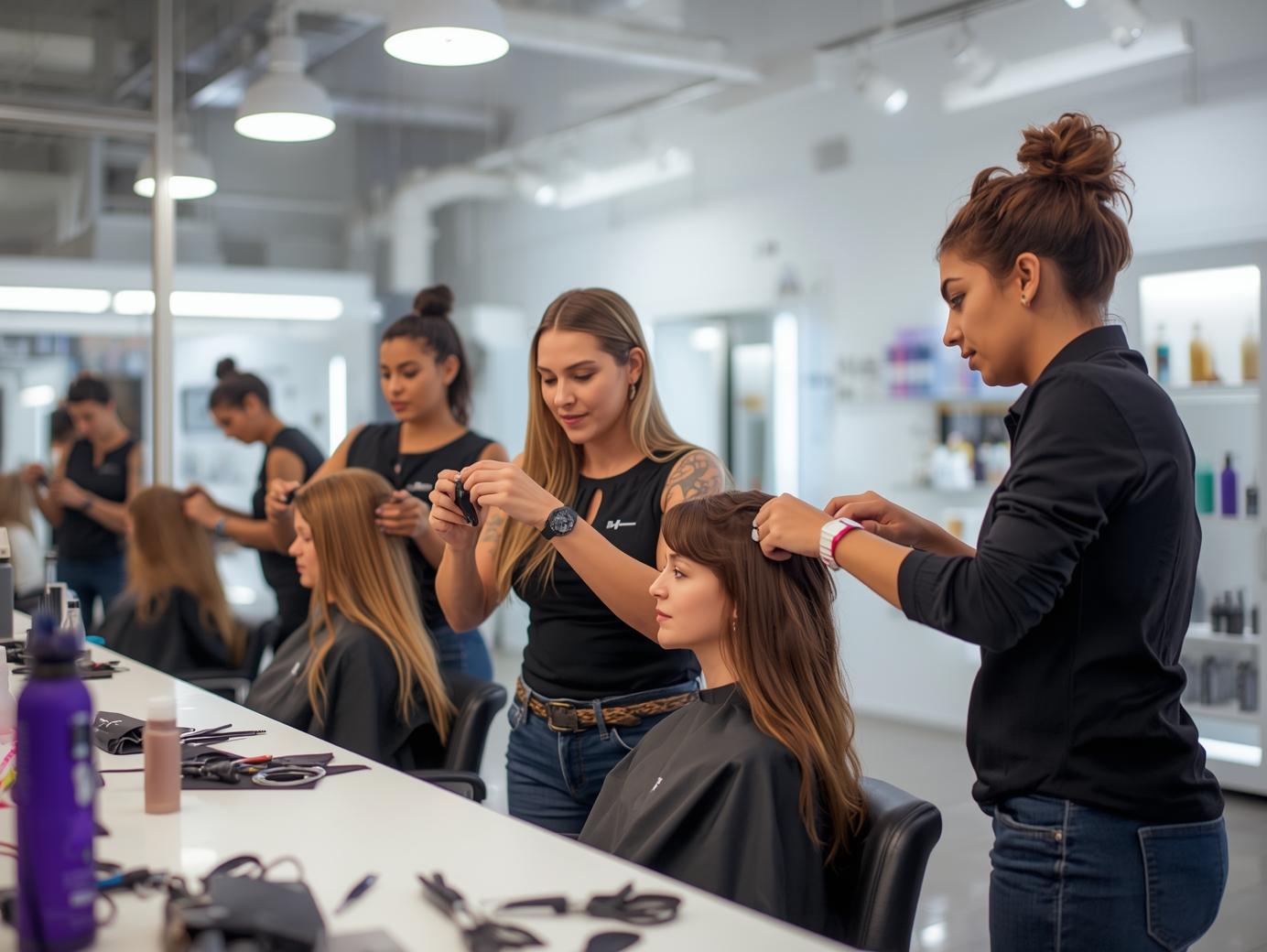
- Blended Learning – study theory online and complete hands-on practicals in our advanced training facilities.
- Small Group Training – maximise tutor attention and treatment opportunities.
- Real Client Experience – complete live case studies to build confidence and insurance-ready portfolios.
- Digital Learning Platform – access your materials, assignments, and feedback 24/7.
Our tutors are experienced aesthetic professionals who ensure every learner gains the confidence, compliance, and clinical skill required to perform at industry level.
Career Opportunities After Level 4
Once qualified, you can work as a Laser or IPL Practitioner within:
- Aesthetic or dermatology clinics
- Beauty and medi-spa environments
- Independent practice or self-employment
Example Treatments You Can Offer
- Laser hair removal
- Skin rejuvenation and resurfacing
- Pigmentation and vascular lesion reduction
With experience, many practitioners progress to the VTCT Level 5 Certificate in Laser Tattoo Removal to expand laser services, or explore VTCT Level 5 for broader skin treatments. Some also specialise in Level 7 Injectables, opening the door to advanced clinical practice. Read our career progression guide for pathway options.
Earning potential after Level 4 laser qualification
VTCT Level 4 Laser and IPL Treatments qualification positions you to offer professional laser hair removal services with strong earning potential.
Treatment pricing and client lifetime value
| Service | Price Per Session | Typical Sessions Per Client | Client Lifetime Value | Session Duration |
|---|---|---|---|---|
| Full leg laser hair removal | £120–£250 | 6–8 sessions | £720–£2,000 | 30–45 minutes |
| Underarm laser hair removal | £50–£100 | 6–8 sessions | £300–£800 | 15–20 minutes |
| Bikini/intimate area | £80–£150 | 6–8 sessions | £480–£1,200 | 20–30 minutes |
| Full back laser hair removal | £150–£250 | 6–8 sessions | £900–£2,000 | 45–60 minutes |
| Face/facial hair removal | £60–£120 | 6–8 sessions | £360–£960 | 15–20 minutes |
| Small areas (underarms, bikini) packages | £400–£600 | 6–8 sessions total | £400–£600 | Multiple sessions |
Average client lifetime value: £300–£1,200 depending on treatment area and repeat booking rates.
Annual earning potential
Part-time practice (15–20 hours/week):
- £25,000–£40,000/year
- Typically 8–12 clients/week at average £80–£120 per session
- Best for practitioners combining laser work with other services or working multiple part-time roles
Full-time practice (40+ hours/week):
- £45,000–£75,000/year (foundation earners)
- £60,000–£90,000/year (experienced practitioners with strong client loyalty and package/repeat booking rates)
- Typically 20–30 clients/week at average £100–£150 per session
High-performing clinics (40+ hours/week + team leverage or premium positioning):
- £75,000–£120,000+/year
- Premium pricing (£150–£250/session for prime time slots or high-demand areas)
- High repeat and referral rates; package and payment plan adoption
- Potential for clinic owner income when managing team of practitioners
Operating costs and profit margins
| Cost Category | Annual Cost | Notes |
|---|---|---|
| Professional indemnity insurance | £100–£250 | Covers laser-specific liability; may increase if adding tattoo removal |
| Public liability insurance | £150–£300 | Typical for self-employed practitioners |
| Consumables (cooling gel, protective eyewear, disposables) | £5–£15 per treatment | Roughly 5–10% of session revenue |
| Equipment maintenance/servicing | £500–£1,500/year | Annual calibration and servicing for medical-grade lasers |
| Room rental (if not self-employed) | £0 (clinic-employed) or £200–£800/month | Rent or booth rental if independent |
| Continuing professional development (CPD) | £200–£500/year | Optional but recommended for staying current |
| Total annual operating costs (self-employed) | £1,500–£4,000 | Varies by setup; clinic-employed practitioners typically have lower personal costs |
Gross margin after consumables: 60–75% (industry standard)
Breakeven timeline
- Initial qualification investment: £2,500–£4,000 (Level 4 course cost)
- Breakeven point: 3–6 months of full-time practice (typical for practitioners building client base from scratch)
- Cash flow positive: Months 4–6 for full-time practitioners; months 8–12 for part-time practitioners
- ROI achieved: Most practitioners recover course investment and begin building profit by month 6–9
Growth trajectory
Month 1–3 (Client acquisition phase):
- Earning: £2,000–£5,000/month (ramp-up as client base builds)
- Clients: 5–15 new clients/month
- Focus: Marketing, consultation quality, building referral patterns
Month 4–6 (Momentum phase):
- Earning: £3,500–£7,500/month
- Clients: 15–25 clients/month, increasing repeat and package bookings
- Focus: Client retention, package upselling, referral incentives
Month 7–12 (Established practice phase):
- Earning: £4,000–£8,000+/month
- Clients: 25–35 clients/month, high repeat rate
- Focus: Premium positioning, client lifetime value maximization, potential for team expansion
Strategies to maximize laser hair removal earnings
- Package pricing: Offer 6–8 session packages at 15–20% discount (reduces upfront booking friction and improves cash flow)
- Maintenance packages: After initial series, offer annual maintenance sessions at premium rates
- Referral incentives: Reward existing clients for referrals (£20–£50 credit per referral)
- Area combinations: Bundle small areas (underarms + bikini) at favourable rates to increase transaction value
- Loyalty programmes: Repeat client discounts or VIP rates to maximize lifetime value
- Premium time slots: Charge higher rates for evening/weekend availability
- Related services cross-sell: Offer skin rejuvenation or IPL treatments to clients during downtime
- Progression to Level 5 laser tattoo removal: Add tattoo removal (£80–£250/session, 6–12 sessions per client) to expand service scope and client base
Entry Requirements
You’ll need:
- A recognised Level 3 Beauty Therapy or Access to Aesthetics qualification.
- A good understanding of anatomy, physiology, and client consultation.
If you’re just beginning your journey, start with the VTCT Level 3 Certificate in Access to Aesthetic Therapies.
How to Enrol
You can enrol online or request a callback to speak directly with our admissions team.
Ready to take the next step? Request a Callback or browse our VTCT Laser Hair Removal Course to get started today. Use the training calendar to find your ideal start date.
Final Thoughts
Laser and IPL treatments are a cornerstone of modern aesthetic practice - delivering exceptional results and long-term client satisfaction.
The VTCT Level 4 Laser & IPL qualification gives you the professional credibility, safety knowledge, and hands-on skills to perform these advanced procedures with confidence.
At Cosmetic College, our goal is to help you build a career that's future-proof, compliant, and profitable. Train with experts, gain real experience, and become a certified laser specialist ready to thrive in the aesthetics industry.
FAQ
Is the VTCT Level 4 laser qualification recognised by insurance companies? Yes, absolutely. The Ofqual-regulated VTCT Level 4 Certificate in Laser and IPL Treatments is widely recognised by professional indemnity insurers and is a standard requirement for practising laser hair removal safely and legally. Insurance typically costs £100–£250/year for laser practitioners. Many insurers will not cover you without this qualification; some explicitly require it before issuing a policy. Before starting your qualification, contact your preferred insurer to confirm coverage scope and requirements - this ensures you're aligned with their standards from day one.
Do I need prior experience to enrol in VTCT Level 4? You typically need a Level 3 Beauty Therapy or Access to Aesthetics qualification (2–4 weeks, £1,500–£2,500) before enrolling in Level 4. If you don't have this, start with the VTCT Level 3 Certificate in Access to Aesthetic Therapies first. Level 3 teaches foundational anatomy, physiology, consultation, and hygiene - knowledge that underpins laser safety. Total pathway: Level 3 (2–4 weeks) + Level 4 (8–12 weeks) = 10–16 weeks, £4,000–£6,500 investment for immediate earning potential of £45,000–£75,000 annually.
What's the difference between laser hair removal and IPL training in this course? The Level 4 covers both laser and IPL technologies comprehensively. Laser uses concentrated light energy at a specific wavelength (typically 810nm for diode lasers, 1064nm for Nd:YAG), which directly targets hair pigment. IPL (Intense Pulsed Light) uses a broader spectrum (typically 500–1200nm), making it versatile for hair removal, skin rejuvenation, and pigmentation. Both are equally valuable for earning potential; laser is often preferred for finer precision and darker skin types, while IPL is popular for multi-purpose clinics. You'll train on both, giving you flexibility to choose technology based on client needs and clinic equipment.
How much practical training is included? Our blended approach includes supervised onsite practical sessions on live models plus independent assessment under examiner observation. Typically 30–50+ hours of hands-on practical training across 2–3 intensive onsite days or multiple half-day sessions. The exact hours depend on delivery intensity and your learning pace, so check with admissions for your specific start date. Most practitioners report feeling confident and competent after 15–20 live client treatments, which usually occurs by the end of the course or shortly after.
Can I work immediately after passing Level 4? Yes, absolutely. Once you've completed and passed all assessments (theory + practical), you can immediately work as a qualified laser and IPL practitioner - provided you have professional indemnity insurance in place. Many of our learners secure roles or launch self-employed practices within 2–4 weeks of qualification. First-month earnings for full-time practitioners range from £2,000–£5,000 as client base builds; by month 3–4, full-time practitioners typically earn £3,500–£7,500/month as momentum accelerates. Part-time practitioners often start earning within 1–2 weeks of qualification.
What should I do after completing Level 4? Career options after Level 4 include: (1) specialise in tattoo removal: Progress to Level 5 Laser Tattoo Removal (5–10 working days intensive, £3,000–£5,000) to unlock tattoo removal services (£80–£250/session, 6–12 sessions per client = £480–£3,000 lifetime value). (2) Expand to broader skin treatments: Complete Level 5 Certificate in Non-Surgical Aesthetic Procedures for Skin (8–12 weeks, £3,000–£5,000) to add microneedling, mesotherapy, and advanced peels. (3) Progress to injectables: Build platform toward Level 7 Injectable Diploma (6–12 months, £5,000–£8,000) for £75,000–£120,000+ earning potential. See our career progression guide to explore your options.
Editorial Standards
Author
Cosmetic College Editorial Team
Aesthetic Education Editorial Team
Cosmetic College specialists and admissions advisers produce this content to help learners choose regulated progression routes and make safer, better-informed training decisions.
Review cycle
Published: 12 November 2025
Last reviewed: 12 November 2025
Reading time: 10 min
Sources and References
- Laser Hair Removal Training: What Does VTCT Level 4 Cover?images.ctfassets.net
- laser hair removal course price guidecosmetic.college
- VTCT Level 5 Certificate in Laser Tattoo Removalcosmetic.college
- VTCT Level 5 for broader skin treatmentscosmetic.college
- Level 7 Injectablescosmetic.college
- career progression guidecosmetic.college
- VTCT Level 3 Certificate in Access to Aesthetic Therapiescosmetic.college
- Request a Callbackcosmetic.college
- VTCT Laser Hair Removal Coursecosmetic.college
- training calendarcosmetic.college