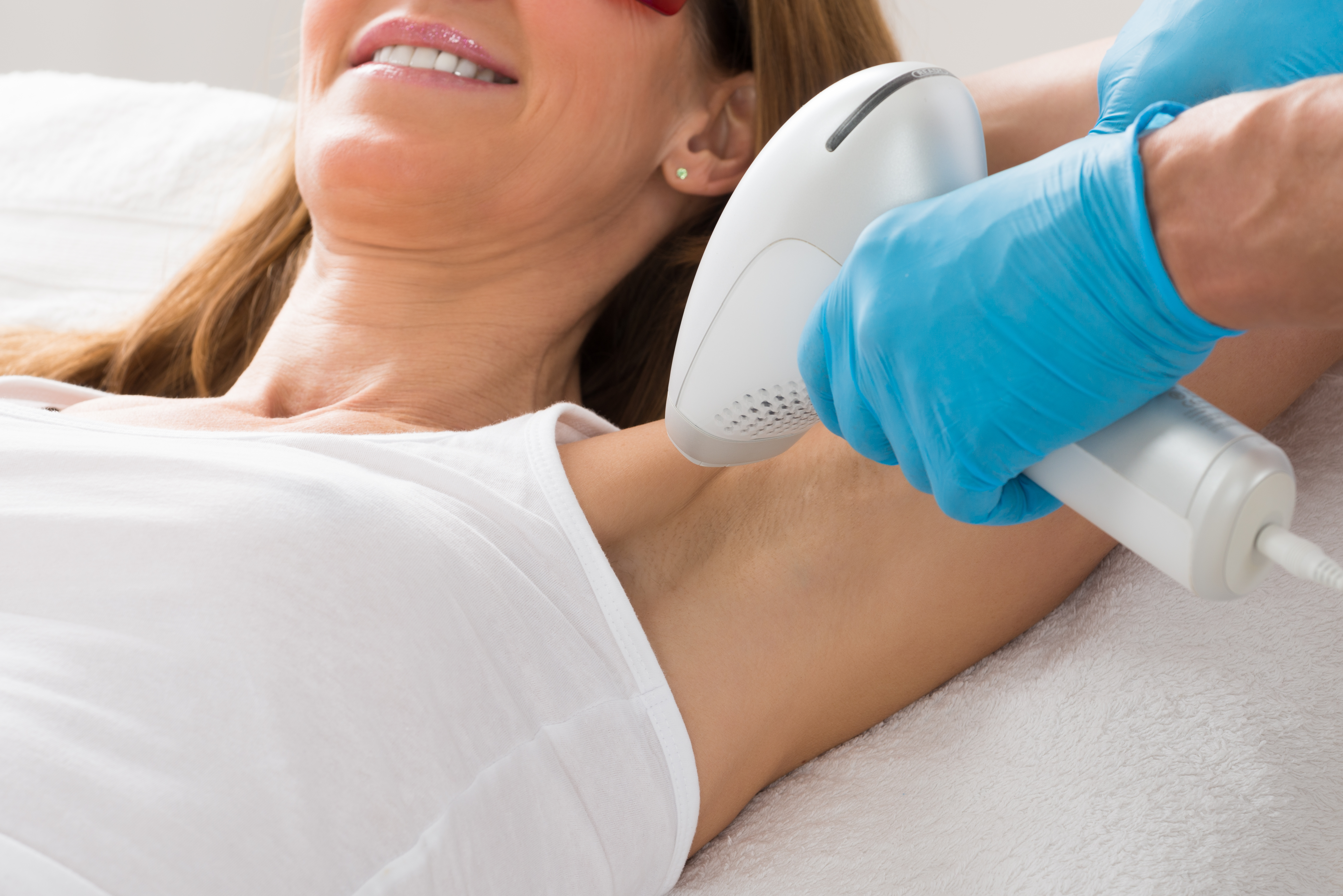










If you are researching laser hair removal training UK, the key is choosing a regulated VTCT route that builds practical confidence and supports long-term progression, not just a short course with limited structure. The VTCT Level 4 Certificate in Laser and Intense Pulsed Light (IPL) Treatments is Ofqual-regulated and offers a structured pathway to professional laser hair removal practice.
What a strong UK laser route should include
A strong laser and IPL training UK route usually includes:
- Ofqual-regulated structure and clear learning outcomes
- Practical delivery with tutor supervision
- Consultation, contraindication, and aftercare standards
- A progression path toward higher-value services
- Insurance-backed competency assessment
Start with the VTCT Level 4 laser route and then map dates through the training calendar.
What you'll learn in VTCT Level 4 laser training
The VTCT Level 4 Certificate in Laser and Intense Pulsed Light (IPL) Treatments is structured to build clinical decision-making and safe, effective treatment delivery. Most learners complete the qualification in 8–12 weeks using blended learning (online theory combined with in-person practical days).
Key module breakdown
Laser Physics and Tissue Interaction This foundational module covers how laser light interacts with skin tissue, wavelengths, energy delivery, and penetration depth. You'll understand why different laser types suit different treatment goals and skin conditions. This knowledge underpins every treatment decision.
IPL Science and Application Intense Pulsed Light uses a broader spectrum than true lasers, making it versatile for hair removal, skin rejuvenation, and pigmentation correction. You'll learn how IPL differs from laser technology, why it suits certain skin types, and safe parameter selection for common conditions.
Fitzpatrick Skin Classification and Contraindications Safe laser and IPL practice depends on accurate skin typing. The Fitzpatrick scale (types I–VI) determines laser safety, healing patterns, and risk of complications. This module teaches assessment, documentation, and how to adjust treatment parameters based on skin tone and phototype. Understanding contraindications - medical conditions, medications, and skin conditions that make treatment unsafe - is critical.
Treatment Planning and Consultation Professional consultation ensures clients understand realistic outcomes, recovery, and commitment. You'll learn how to assess suitability, set expectations, handle common client concerns, and document informed consent. Quality consultation reduces client dissatisfaction and supports higher retention.
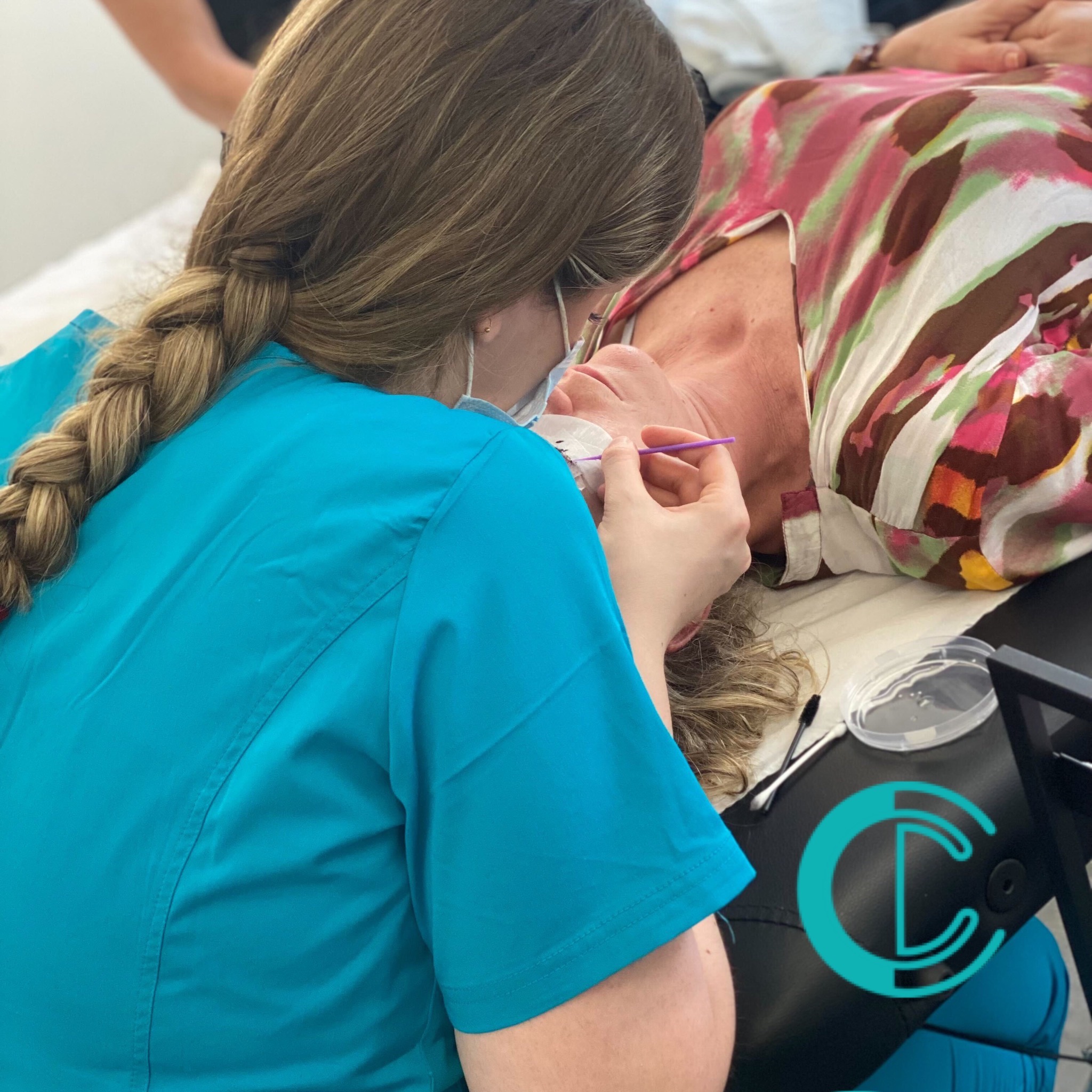
Device Operation and Safety Hands-on practical covers equipment setup, safety checks, laser and IPL parameter selection, and emergency protocols. You'll complete supervised treatments on live models or training dummies, building confidence in device handling and parameter adjustment.
Aftercare Protocols and Complication Management Post-treatment care minimises healing complications and improves client satisfaction. This module covers sun protection, skincare recommendations, expected reactions (erythema, oedema), and how to recognise adverse reactions requiring medical referral.
Duration and delivery format: Blended learning typically spans 8–12 weeks, with online theory accessed flexibly and practical days scheduled in-person. This allows working professionals to progress without extended time away from other commitments.
Entry requirements and learner readiness
For level 4 laser hair removal course entry, most learners need:
- Prior Level 3 Beauty Therapy or Access to Aesthetics qualification
- Skin and treatment safety awareness
- Commitment to practical assessment standards
- Understanding of anatomy and physiology fundamentals
If you are unsure where you fit, use Pathway to Aesthetics and request admissions guidance via callback. You can also explore our VTCT courses hub to see all accredited routes.
Level structure and progression
Many learners view laser as a single course decision. The better approach is pathway thinking:
- Build baseline clinical decision quality and consultation discipline.
- Deliver consistent laser outcomes safely.
- Expand into related treatment areas where appropriate.
Learn more about what's covered in the VTCT Level 4 course structure to understand the depth of theory and practical assessment. If tattoo removal is on your roadmap, review Level 5 laser tattoo removal before enrolling so progression is planned early. Many practitioners also explore career progression after Level 4 to map longer-term opportunities.
Cost and value: what to compare
When comparing providers, avoid headline price-only decisions. Compare:
- Depth of supervised practical delivery
- Quality of learner support and feedback
- Route clarity for progression and employability
- Schedule fit and completion realism
A slightly higher-fee route can be better value if it reduces re-training risk and speeds readiness. For more detail on how to evaluate pricing fairly, see our guide on laser hair removal course price UK.
Earning potential after laser hair removal qualification
Once qualified with VTCT Level 4, you can position laser hair removal as a professional service. The commercial potential is significant, driven by recurring client demand and relatively high treatment pricing.
Treatment pricing and client value
Laser hair removal pricing in the UK typically ranges from £50–£150 per treatment area per session, depending on:
- Area size (upper lip vs full leg)
- Location and local market rates
- Clinic positioning (premium vs accessible)
- Client package deals (discounts for treatment courses)
Most clients require 6–8 sessions spaced 4–6 weeks apart for optimal results, meaning each client represents £300–£1,200 lifetime value over a 6–12 month treatment course.
Income generation at scale
Practitioners delivering 15–20 laser hair removal treatments per week can generate significant revenue streams:
- Foundation earners (early practice, part-time, or employed): £28,000–£45,000 annually
- Growth-stage practitioners (established client base, full-time, expanding services): £45,000–£75,000 annually
Income scales with:
- Treatment volume and booking efficiency
- Premium positioning and pricing power
- Service bundling (combining hair removal with skin rejuvenation or other treatments)
- Progression into higher-value services like tattoo removal (Level 5)
Operating costs and profitability margins
To estimate profitability, budget for:
- Professional indemnity insurance: £100–£300/year
- Special Treatment Licence (some councils): £50–£500/year
- Consumables (cooling gel, protective eyewear): £5–£15 per treatment
- Equipment maintenance and calibration: £200–£500/year
- Clinic or chair rental (if not self-owned)
Most practitioners achieve 60–75% gross margin on treatment revenue after consumables and overheads, making laser a high-margin service category.
How to choose a provider in the UK
Use this shortlist framework:
| Decision area | What to check | Why it matters |
|---|---|---|
| Qualification strength | Regulated structure and outcomes | Supports credibility and safer progression |
| Practical experience | Supervised practical sessions | Improves treatment confidence |
| Progression support | Clear next-step routes | Prevents training dead ends |
| Start-date flexibility | Realistic schedule options | Improves completion likelihood |
Recommended next step
Shortlist the top route, validate eligibility, and secure a realistic start date. If you are comparing multiple options, get clarity on progression and requirements through Request a Callback or the course quiz.
FAQ
Is laser hair removal training in the UK suitable for non-medics? Yes. The VTCT Level 4 is designed for beauty therapists and aesthetics practitioners, not just medical professionals. Most learners come from Level 3 beauty therapy backgrounds.
What qualification level is commonly associated with laser hair removal? The VTCT Level 4 Certificate in Laser and Intense Pulsed Light (IPL) Treatments is the industry standard for laser hair removal qualification UK and is Ofqual-regulated for credibility and insurability.
How long does laser hair removal training usually take? Blended VTCT Level 4 routes typically run 2-4 months depending on delivery intensity. Check the training calendar for start dates.
Should I plan tattoo removal progression at the same time? Yes. Early route planning toward the Level 5 laser tattoo removal helps avoid duplication and supports smarter service expansion.
What are common reasons for choosing one laser training provider over another? Compare practical supervision depth, tutor feedback quality, progression support, and schedule fit. Review our blog guide on laser hair removal course prices for value comparison.
Can I work independently after laser hair removal training? Yes, once qualified with VTCT Level 4, many practitioners operate self-employed or in independent clinics, provided they have professional indemnity insurance. You will also need to check local council requirements for a Special Treatment Licence, which typically costs £50–£500 depending on your local authority.
What is the difference between a laser and IPL for hair removal? Both remove hair using light energy, but operate differently. True lasers emit a single wavelength at high energy density, focusing on dark pigment (melanin). IPL uses a broad spectrum of light wavelengths, making it gentler and more suitable for sensitive skin and lighter hair. IPL is often less painful but may require more sessions. VTCT Level 4 teaches both technologies so you can choose the best option for each client.
How quickly can I start earning after completing Level 4? Most practitioners begin generating revenue within 4–8 weeks of qualifying. Initial earning potential depends on client acquisition, clinic support, and booking efficiency. Early practitioners often earn £28,000–£35,000 annually; established practitioners with strong client bases can reach £45,000–£75,000 or higher.
Should I consider tattoo removal training at the same time as hair removal? No, complete Level 4 first and build practical confidence with hair removal. Most practitioners then progress to Level 5 tattoo removal after 3–6 months of practice. This staged approach builds your clinical decision-making and ensures you're not overwhelmed with two complex qualifications simultaneously. See our guide on Level 5 laser tattoo removal for progression planning.
Editorial Standards
Author
Cosmetic College Editorial Team
Aesthetic Education Editorial Team
Cosmetic College specialists and admissions advisers produce this content to help learners choose regulated progression routes and make safer, better-informed training decisions.
Review cycle
Published: 24 January 2026
Last reviewed: 24 January 2026
Reading time: 7 min
Sources and References
- VTCT Level 4 laser routecosmetic.college
- training calendarcosmetic.college
- Pathway to Aestheticscosmetic.college
- callbackcosmetic.college
- VTCT courses hubcosmetic.college
- VTCT Level 4 course structurecosmetic.college
- Level 5 laser tattoo removalcosmetic.college
- career progression after Level 4cosmetic.college
- laser hair removal course price UKcosmetic.college
- course quizcosmetic.college