









When searching for dermal filler training UK, the most important factor is route quality and progression safety. This is especially critical as UK regulation and licensing expectations continue to tighten following the Health and Care Act 2022 reforms.
What to prioritize first
When evaluating dermal filler course providers, prioritize:
- Qualification structure and Ofqual recognition
- Clear consultation and risk-management standards aligned with JCCP/CPSA guidelines
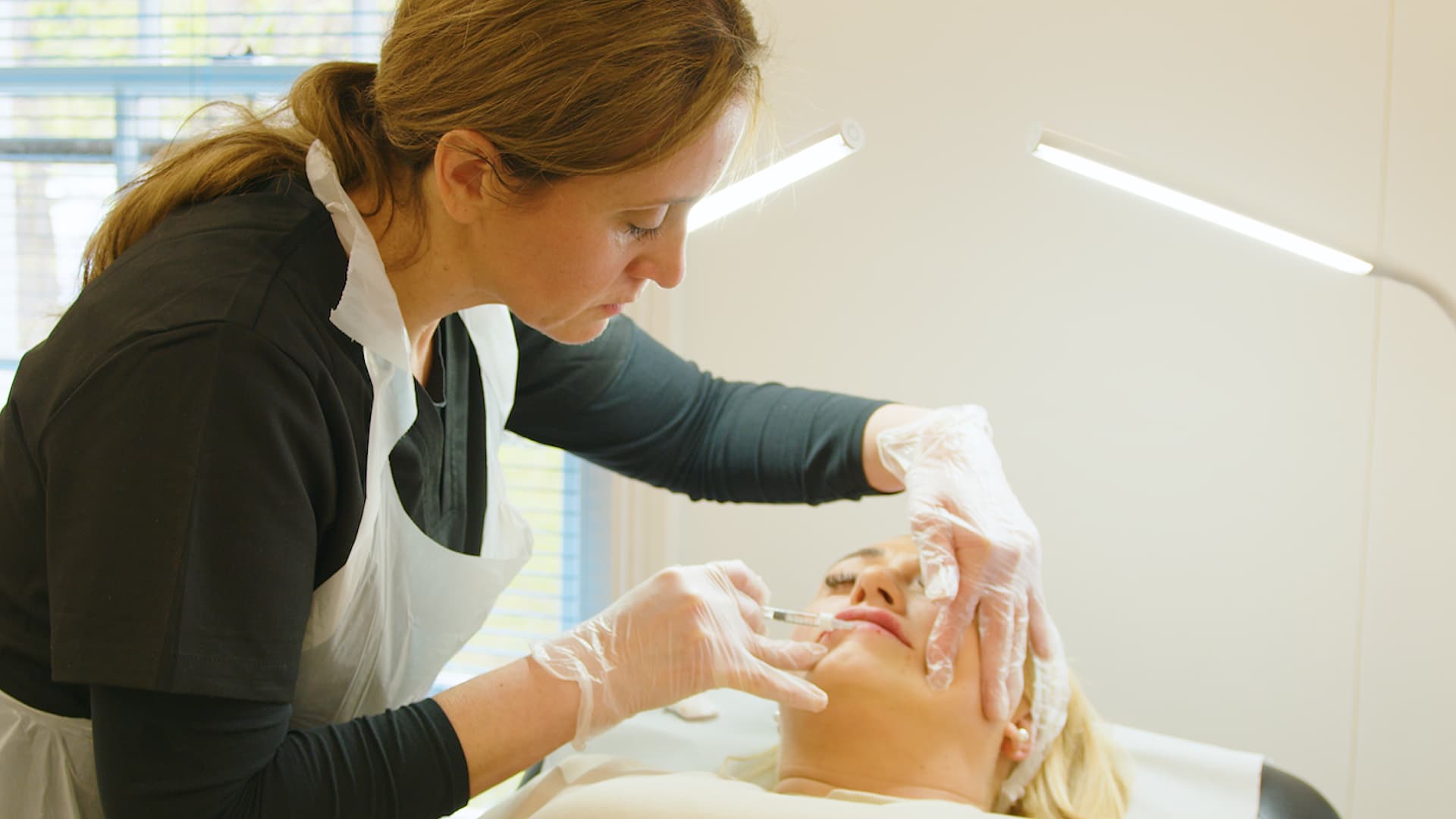
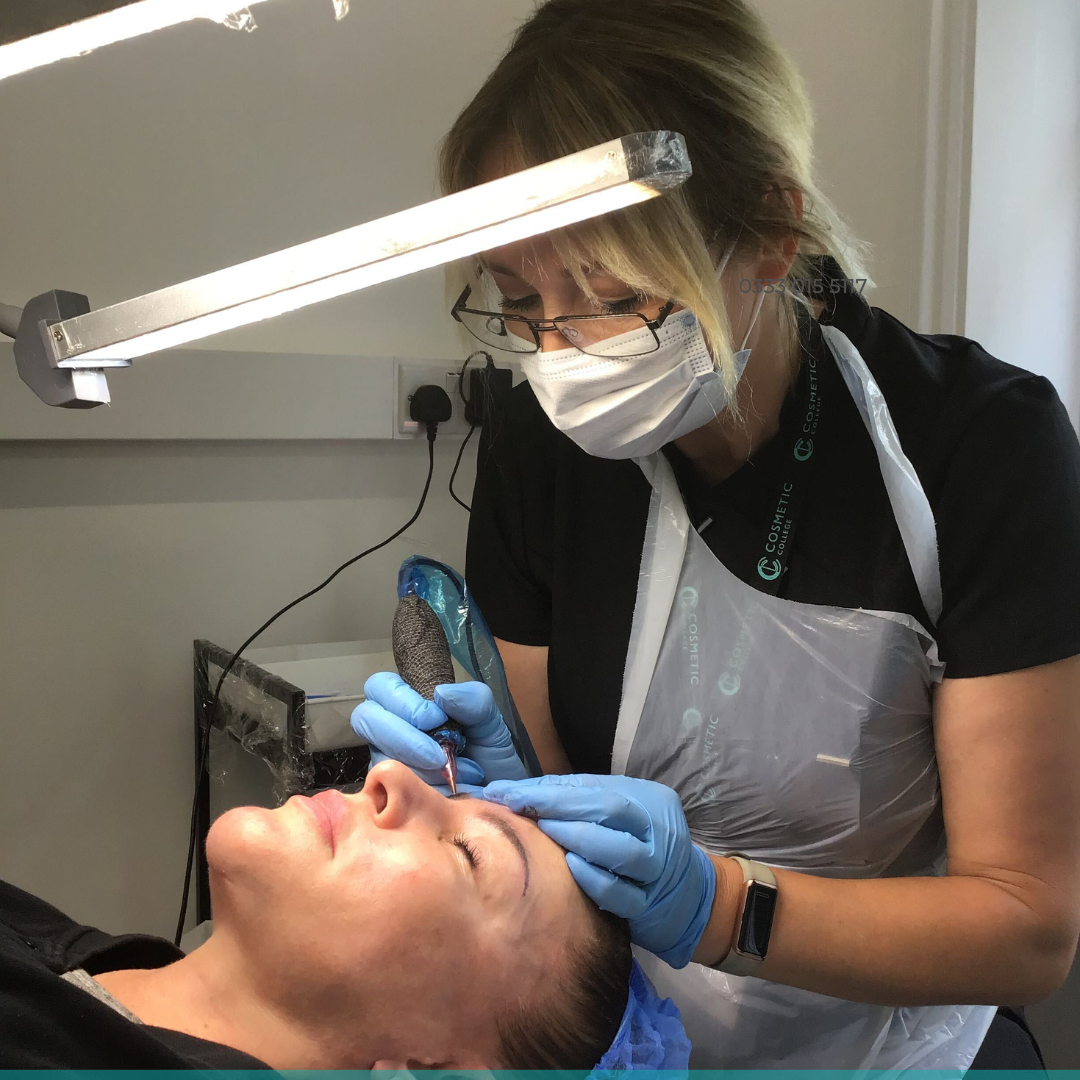
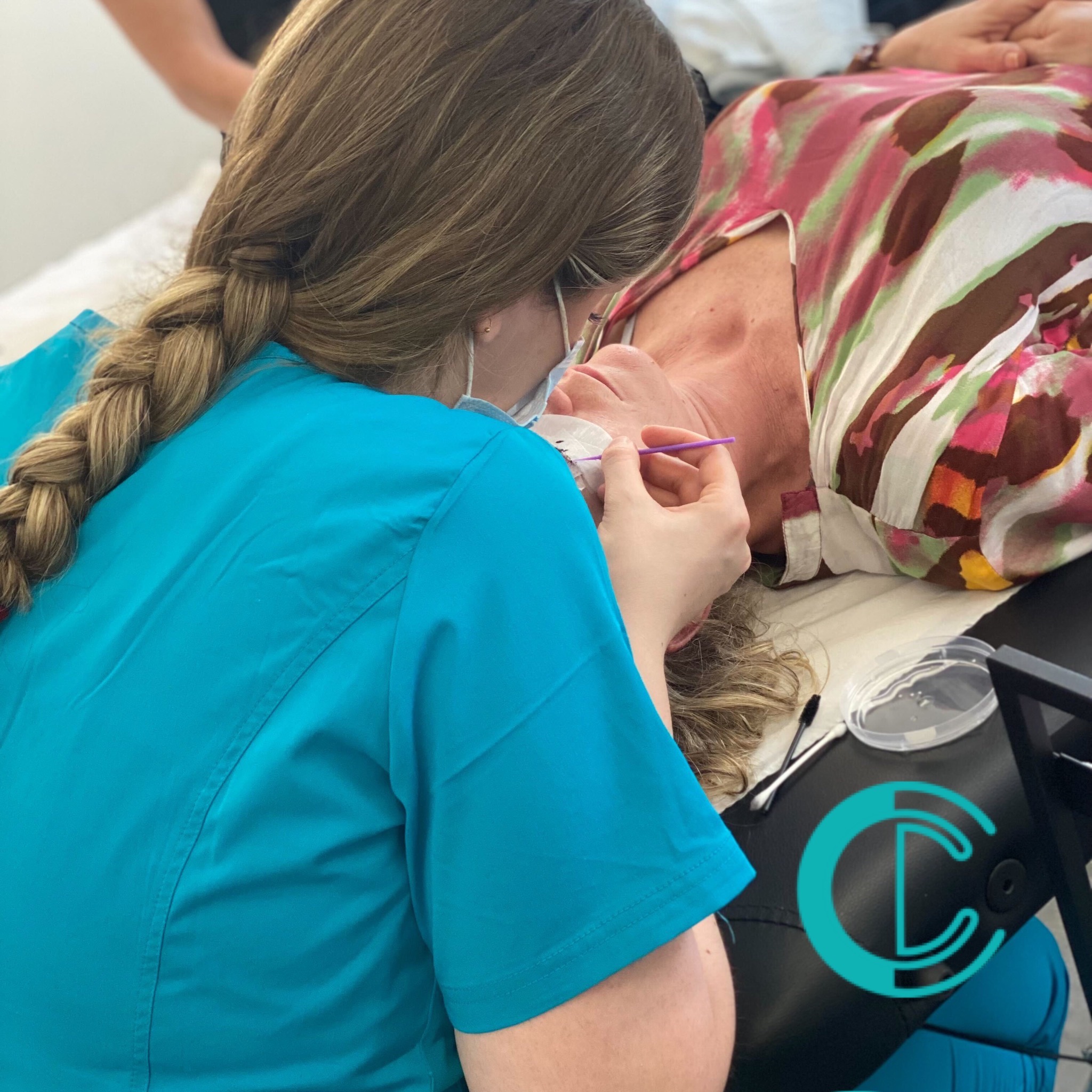
- Practical delivery with live model training
- Evidence of progression support toward VTCT Level 7
Use Pathway to Aesthetics to map your complete route before choosing any single provider.
What dermal filler training covers
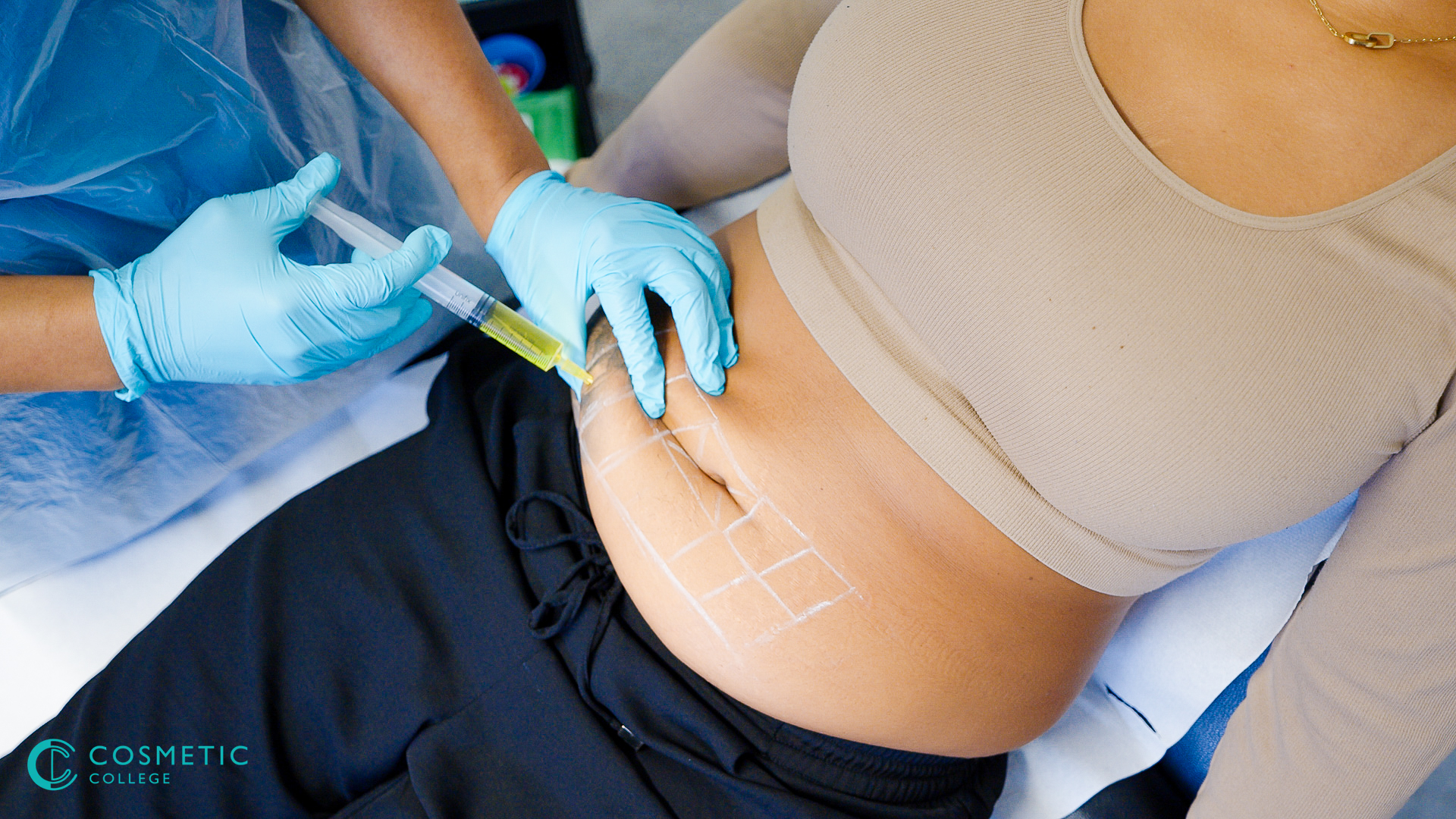
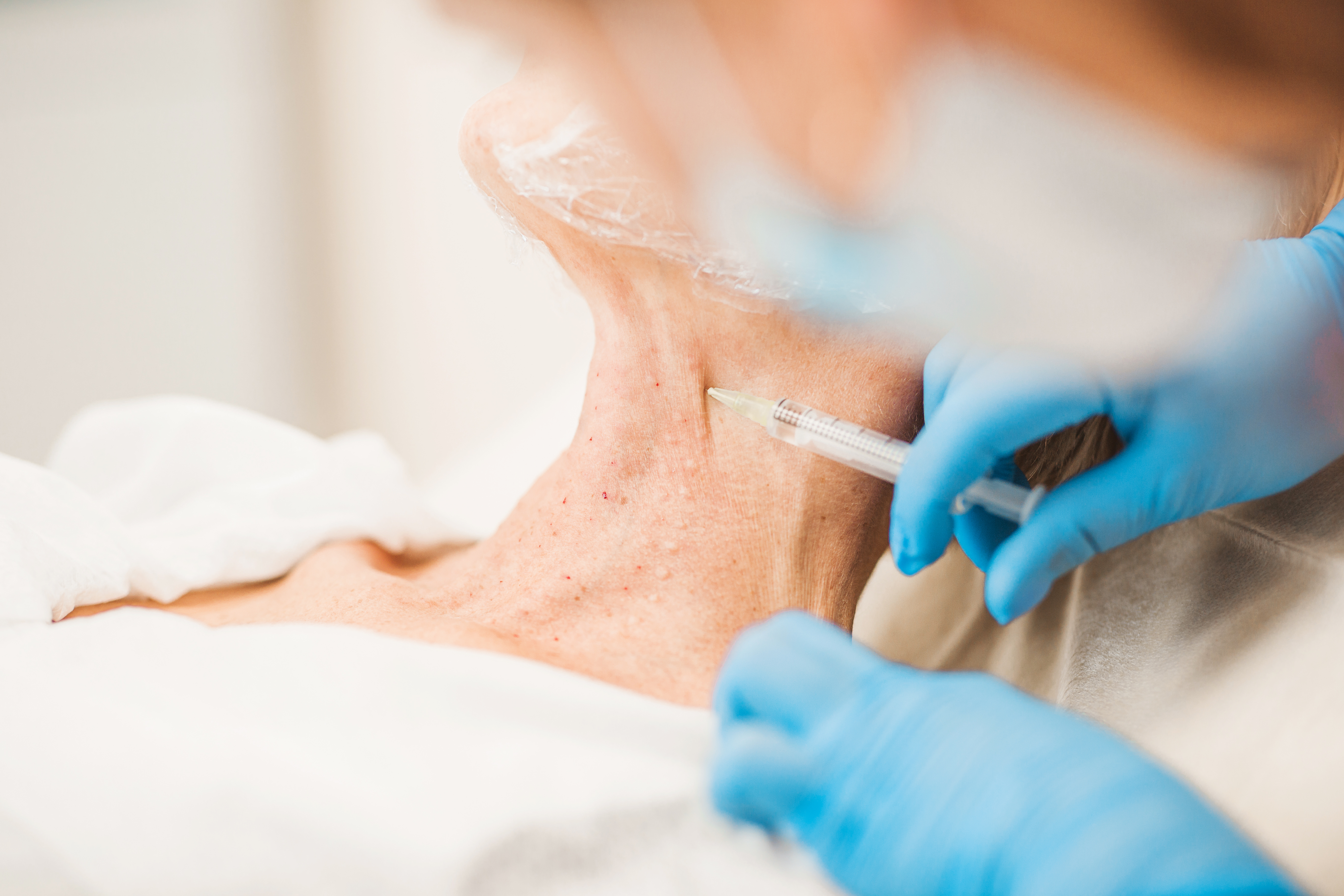
A comprehensive dermal filler course structured through VTCT accreditation covers far more than injection technique. Industry-standard curricula include:
Anatomy and Physiology Modules:
- Detailed facial anatomy with specific focus on dermal layers, vascular anatomy, and nerve pathways critical to safe filler placement
- Skin physiology and aging mechanisms (collagen breakdown, hyaluronic acid loss, elastin degradation)
- Vascular anatomy mapping to identify risk zones and avoid intravascular injection
Product Knowledge:
- Hyaluronic acid (HA) filler properties, cross-linking degrees, and how these affect longevity and integration
- Rheology and G-prime characteristics that determine suitability for different facial areas
- Filler resorption patterns and patient expectation management around treatment longevity (typically 6-12 months)
Injection Technique and Complication Management:
- Multiple injection protocols: linear threading, serial puncture, fanning, and layering techniques
- Vascular occlusion recognition and emergency management protocols including hyaluronidase injection technique
- Nerve injury recognition and immediate response protocols
- Infection prevention and aftercare protocols
Consultation and Risk Assessment:
- Patient selection criteria and contraindication screening
- Realistic expectation setting and photographic documentation standards
- Informed consent protocols and medicolegal documentation requirements
- Managing patients with previous treatments and product history
VTCT Level 7 Diploma Progression: The VTCT Level 7 Diploma in Non-Surgical Aesthetic Injectable Procedures represents the highest regulated qualification for dermal fillers in the UK. This typically takes 6-12 months to complete (including portfolio submission) and covers additional advanced content: detailed pharmacology, advanced facial anatomy for three-dimensional volume restoration, complex case management, and supervised portfolio development with a minimum of 20-30 documented treatments.
Non-medics vs medics: route planning
Both groups can pursue progression, but route sequencing can differ. The right plan depends on your existing background and target treatment scope. For non-medics specifically, review the detailed entry path in our dermal filler entry requirements guide.
If you are comparing advanced injectable routes, review the VTCT Level 7 Diploma in Non-Surgical Aesthetic Injectable Procedures and request individual admissions advice via callback.
The VTCT qualification pathway for dermal fillers
The VTCT progression route is structured in stages, each building on the previous with increased treatment scope and complexity. Understanding where you sit on this progression is critical for route planning:
| VTCT Level | Duration | Core Focus | Treatment Scope | Prerequisites |
|---|---|---|---|---|
| Level 3: Access to Aesthetics | 4-6 weeks (blended) | Foundation anatomy, physiology, consultation protocols, professional standards | Client consultation, basic treatment planning, hygiene protocols | None for non-medics; entry-level assessment |
| Level 4: Advanced Aesthetic Therapies for Skin | 8-12 weeks (blended) | Skin physiology, advanced facial assessment, laser/IPL, advanced facials, peeling | Targeted skin treatments, chemical peels, skin rejuvenation protocols | Level 3 or equivalent |
| Level 5: Non-Surgical Aesthetic Procedures for Skin | 8-12 weeks (blended) | Microneedling, mesotherapy, advanced peels, skin anatomy, treatment planning for complex cases | Advanced skin treatments, combination therapies, complication recognition | Level 4 or equivalent; some medics enter here |
| Level 7: Diploma in Non-Surgical Aesthetic Injectable Procedures | 6-12 months (including portfolio) | Advanced facial anatomy, dermal filler pharmacology, botulinum toxin, complex injectable planning, emergency protocols | Full-scope dermal fillers, injectables in all facial areas, complication management | Level 5 + demonstrated competence; medical professionals may enter with prerequisites |
Delivery Model (All Levels): VTCT courses use blended learning: online theory modules completed at your own pace, plus scheduled in-person practical days at accredited training centres. Practical training includes supervised live model treatments where real patients volunteer (fully consented) and you perform treatments under direct tutor supervision with real-time feedback. This is essential - theoretical knowledge without supervised live practice is insufficient for safe practice.
Qualification and insurability alignment
Good route planning aligns training with insurability and compliant practice. Review insurance-readiness using this guide so your pathway decisions support safe commercial rollout.
What to expect from practical training
Practical training quality separates credible providers from shortcuts. Here's what accredited dermal filler training should include:
Live Model Sessions:
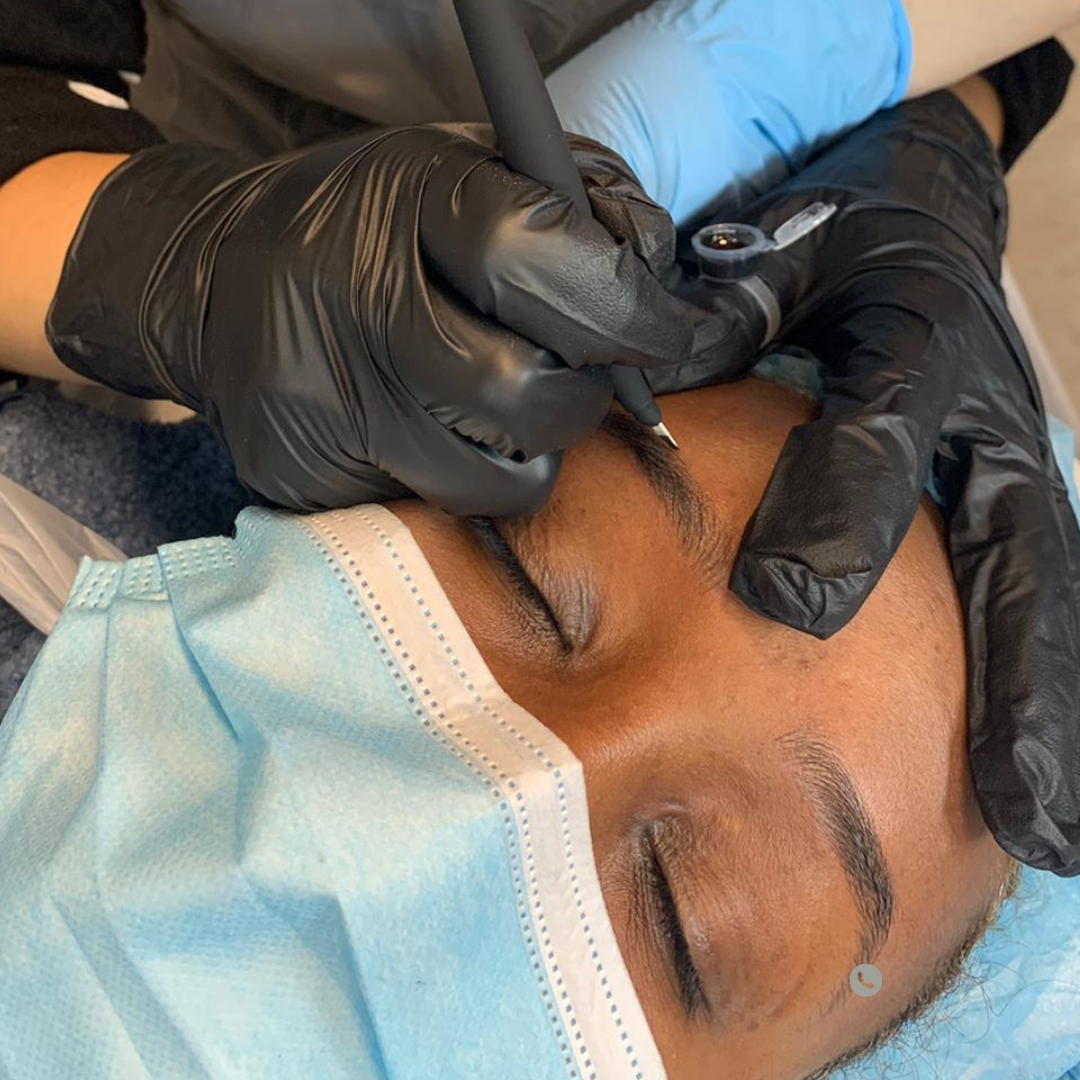
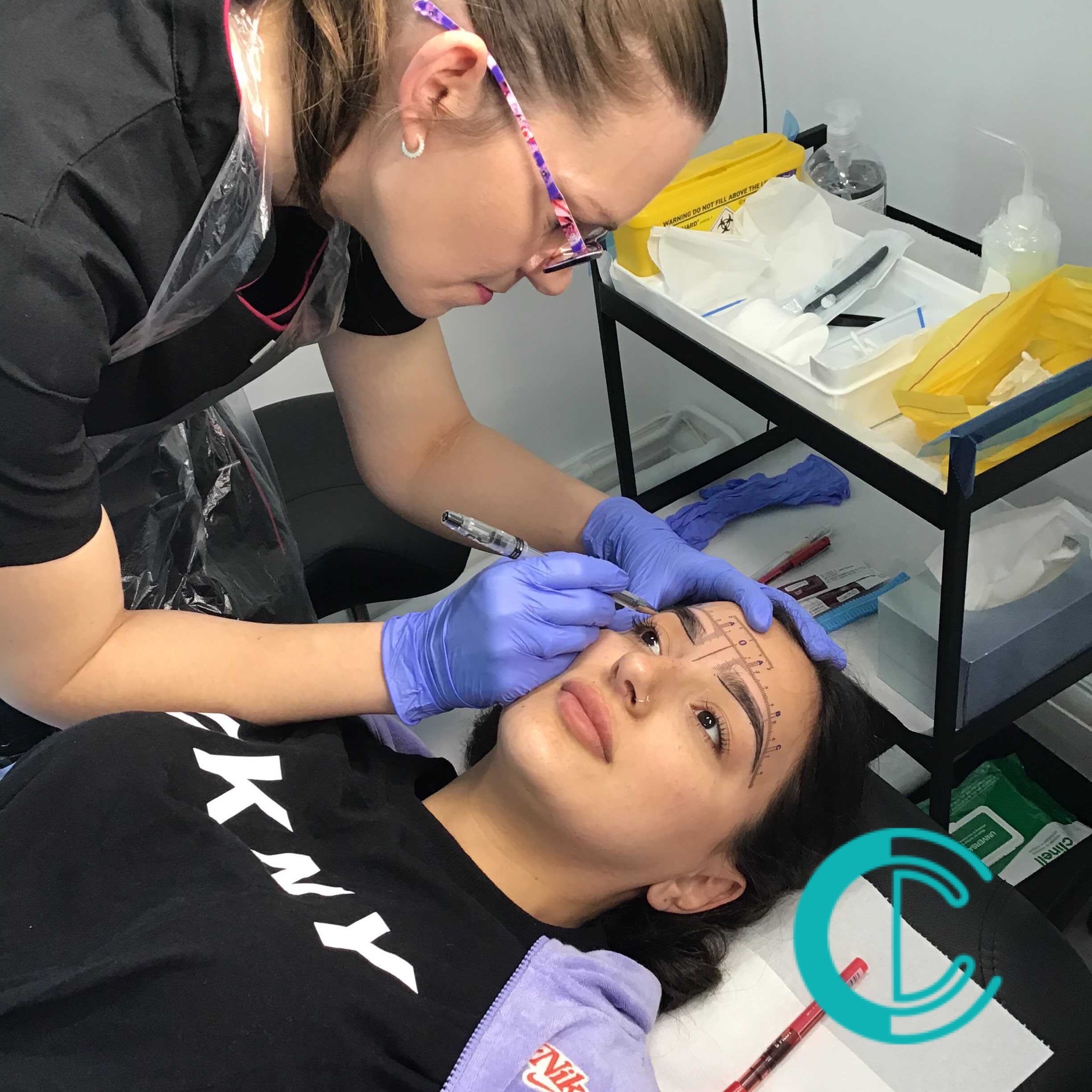
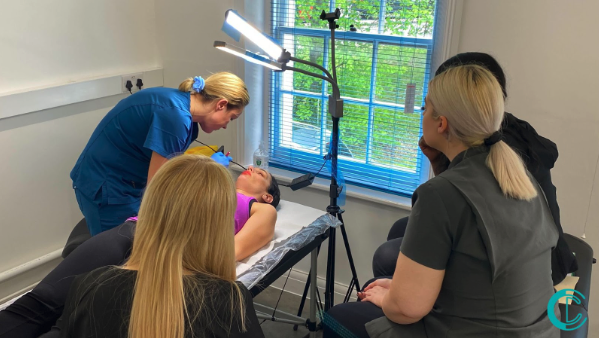
- Scheduled practical days where fully-consented volunteer patients attend so you can perform real treatments under supervision
- Typical clinic setups with proper lighting, ergonomic stations, and emergency equipment
- Tutor-to-student ratios that allow meaningful feedback (ideally 1 tutor per 4-6 students maximum for injection practice)
Supervised Injection Practice:
- Direct observation of your technique by qualified tutors with feedback on needle angle, depth, product placement, and pacing
- Graduated complexity: starting with straightforward lip augmentation before advancing to cheek, tear trough, nasolabial fold
- Repeated practice across multiple practical sessions to build muscle memory and confidence
Complication Management Drills:
- Simulated vascular occlusion scenarios and emergency response protocols (including hyaluronidase administration)
- Recognition and management of early warning signs (blanching, delayed pain, colour change)
- Emergency medication familiarity and protocols for supporting patient safety
Consultation and Consent Role-Play:
- Supervised consultation practice with real patients to develop assessment skills
- Photographic documentation standards and informed consent documentation
- Managing difficult conversations around realistic outcomes and managing patient expectations
Assessment Methods:
- Practical observation and competency sign-off by tutors
- Portfolio submission (for Level 7) with minimum documented treatments and case reflections
- Knowledge assessments covering anatomy, pharmacology, complication protocols, and safety standards
This is why VTCT-accredited courses with blended delivery and scheduled practical days are superior to pure online or one-off weekend courses - safe injectable practice requires both theory and supervised, repeated hands-on experience.
How to choose a provider
| Provider check | What good looks like |
|---|---|
| Route clarity | A clear progression map and no dead ends |
| Practical depth | Tutor-supervised, feedback-led training |
| Qualification credibility | Recognized pathway with defined outcomes |
| Admissions guidance | Transparent advice before payment |
Also review training dates early so the route is realistic for your schedule.
Earning potential after dermal filler training
The UK aesthetics industry is worth over £3.6 billion annually, with injectables representing one of the fastest-growing segments. Understanding earning potential helps contextualize your progression investment:
Treatment Pricing by Experience Level:
- Single dermal filler treatment: £200-£400 depending on area treated and product volume
- Lip filler treatments: £200-£350 per session
- Cheek augmentation: £250-£400
- Tear trough treatment: £250-£350
- Combination/multi-area treatments: £400-£600+
Annual Earnings by Experience Stage:
- Foundation-stage practitioners (Level 3-4, early in Level 5): typically £28,000-£45,000/year working flexible hours
- Growth-stage practitioners (Level 5+ with 2-3 years experience): typically £45,000-£75,000/year
- Advanced practitioners (Level 7 qualified with established patient base): typically £75,000-£120,000+/year
Business Model Impact: Earning potential depends heavily on business model. A practitioner completing 4-6 filler treatments per week at average £250-£300 per treatment generates £52,000-£78,000 annually. Advanced practitioners in premium clinics or running their own practice often exceed £100,000/year. However, this requires not just qualification but also client acquisition, retention, reputation management, and professional indemnity insurance (£100-£300/year depending on coverage level).
Career Timeline Context: Most practitioners take 12-24 months from initial Level 3 enrolment to achieving Level 7 qualification. During this period, you can begin generating revenue from Level 4 and Level 5 treatments while completing Level 7. This staged approach allows you to build both competence and business sustainability without requiring long periods of unpaid study.
FAQ
Can non-medics take dermal filler training in the UK? Yes, non-medics can access dermal filler training through structured VTCT progression pathways starting at Level 3. Non-medics typically progress through Level 3 (4-6 weeks foundation), Level 4 (8-12 weeks), Level 5 (8-12 weeks), and finally Level 7 Diploma (6-12 months). This sequenced approach ensures you develop safe foundational knowledge in anatomy, physiology, and consultation before advancing to injections. Entry requirements vary by provider - review our entry requirements guide for specifics and confirm prerequisites in writing before payment.
Is VTCT Level 7 Diploma always required? It depends on your intended scope, route selection, and long-term treatment goals. The VTCT Level 7 Diploma in Non-Surgical Aesthetic Injectable Procedures is the highest regulated qualification for dermal fillers and injectables in the UK. If your goal is to practice dermal fillers professionally with full scope and insurance coverage, Level 7 is the appropriate qualification. Many practitioners without Level 7 work at Level 5 with limited injectable scope or under medical supervision. However, Health and Care Act 2022 reforms are tightening licensing expectations - Level 7 is increasingly the professional standard for autonomous advanced practice.
How should I compare dermal filler training providers? Compare Ofqual-regulated qualification outcomes, practical quality (verify live model training is included, not just theory), tutor-to-student supervision ratios for practical sessions, progression support beyond the single course, and alignment with JCCP/CPSA industry standards and Save Face register requirements. Ask providers for evidence: how many supervised live model days? What's the typical student-to-tutor ratio? How many documented treatments are required for competency sign-off?
What should I do before paying for dermal filler training? Confirm entry requirements, progression fit with your goals, insurance implications, realistic timeline, and the specific practical delivery model in writing before payment. Use Pathway to Aesthetics first to map where you sit relative to your goals, then request a callback to verify suitability and get admissions guidance tailored to your background.
Editorial Standards
Author
Cosmetic College Editorial Team
Aesthetic Education Editorial Team
Cosmetic College specialists and admissions advisers produce this content to help learners choose regulated progression routes and make safer, better-informed training decisions.
Review cycle
Published: 30 January 2026
Last reviewed: 30 January 2026
Reading time: 7 min
Sources and References
- Pathway to Aestheticscosmetic.college
- dermal filler entry requirements guidecosmetic.college
- VTCT Level 7 Diploma in Non-Surgical Aesthetic Injectable Procedurescosmetic.college
- callbackcosmetic.college
- this guidecosmetic.college
- training datescosmetic.college