









If you are researching a dermal filler course for non medics, route sequencing matters more than shortcuts. The best results usually come from structured progression and strong practical foundations.
What non-medics should clarify first
Before applying, confirm:
- Current entry point based on your qualifications
- Required progression steps before advanced injectable scope
- Practical assessment expectations
- Insurance and licensing-readiness implications
Use Pathway to Aesthetics to map this clearly.
The non-medic progression pathway explained
Non-medics in the UK cannot skip qualification levels when progressing to dermal fillers. The VTCT framework requires a staged approach that prioritizes foundational safety knowledge before advancing to injection scope:
Level 3: Access to Aesthetics (4-6 weeks, blended learning) Entry requirement: None. This is the foundation for all non-medics. You'll develop understanding of anatomy, physiology, consultation protocols, professional standards, hygiene, and client-care fundamentals. Many non-medics use Level 3 to decide if they want to progress further before committing to advanced training.
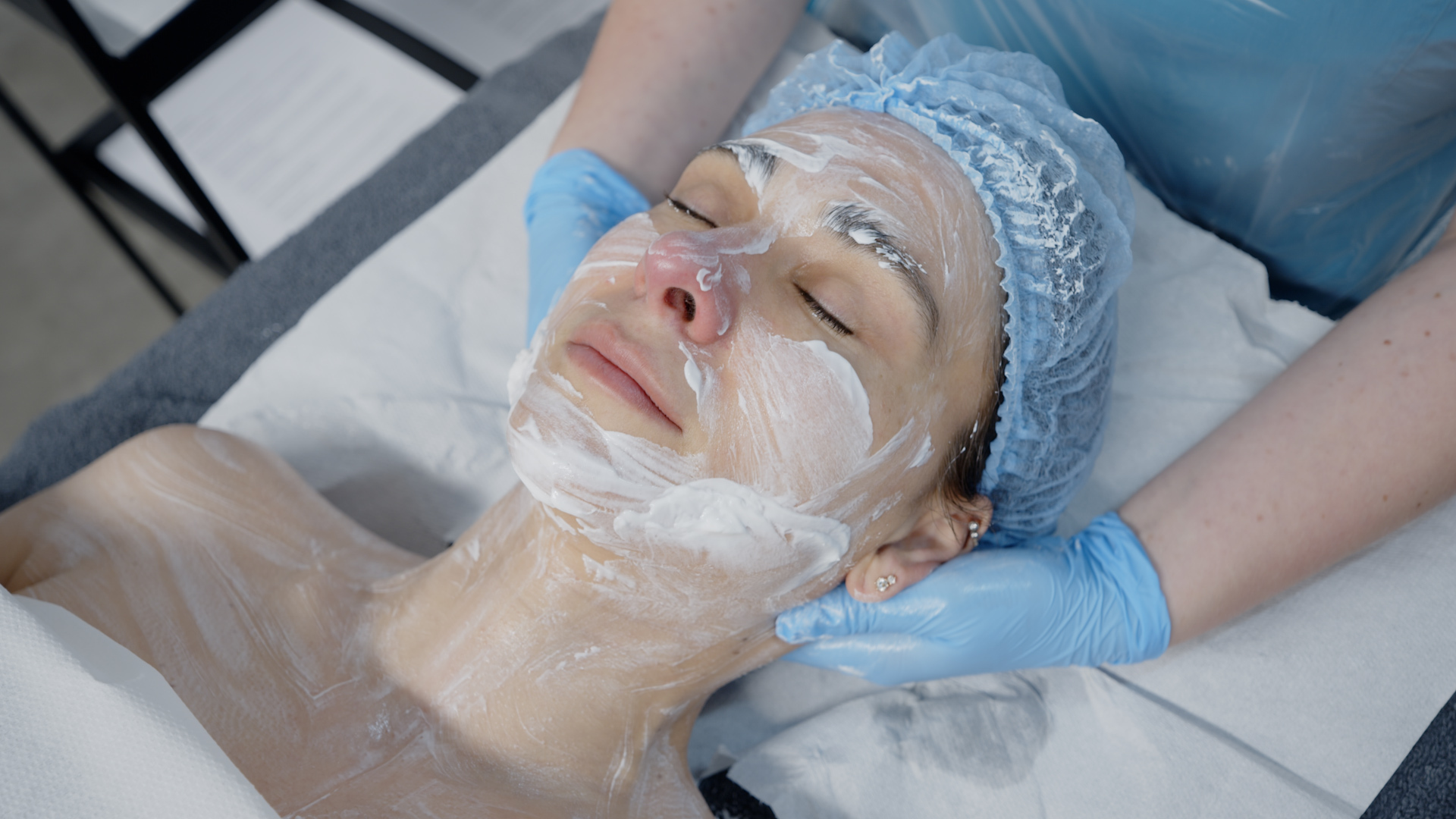
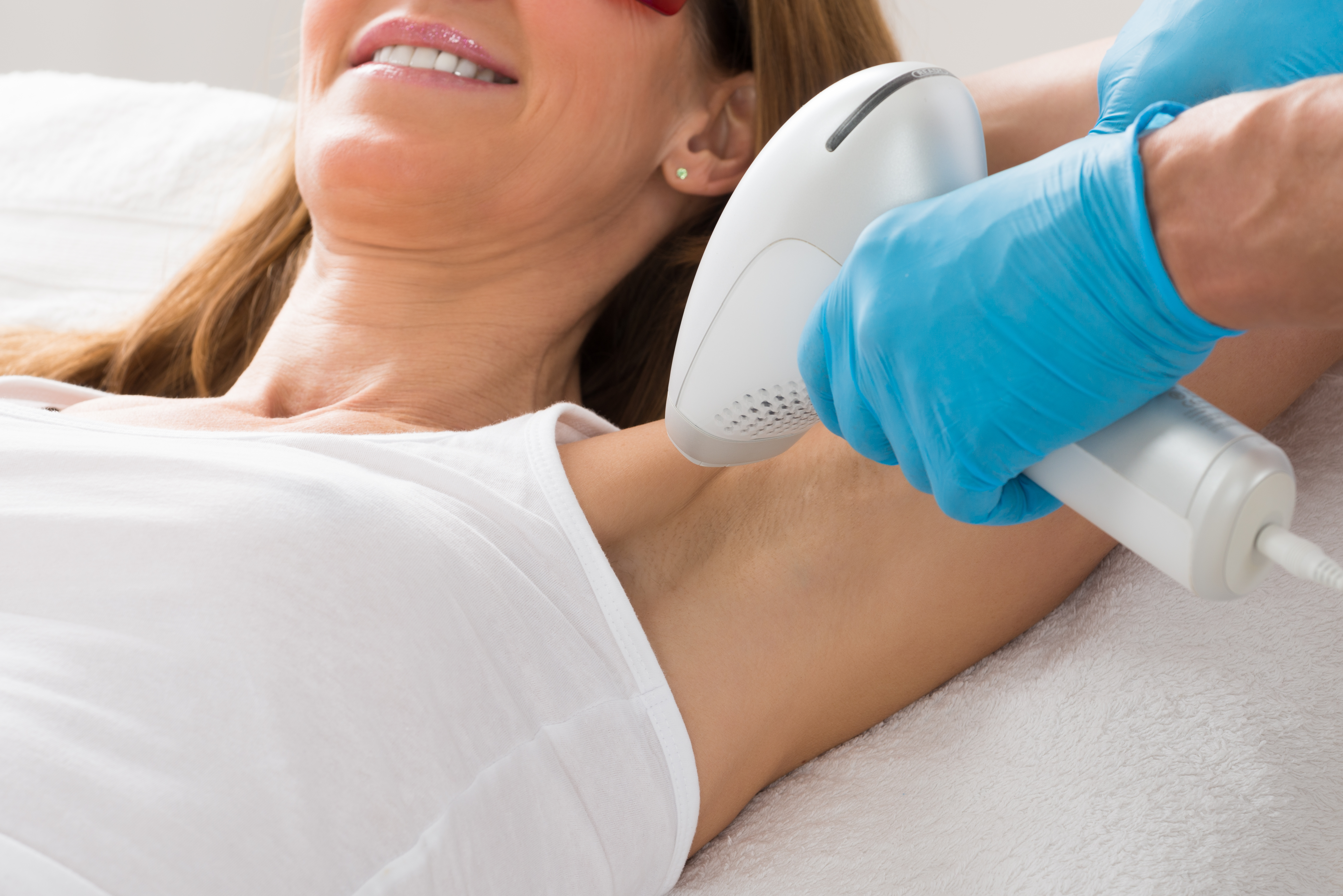
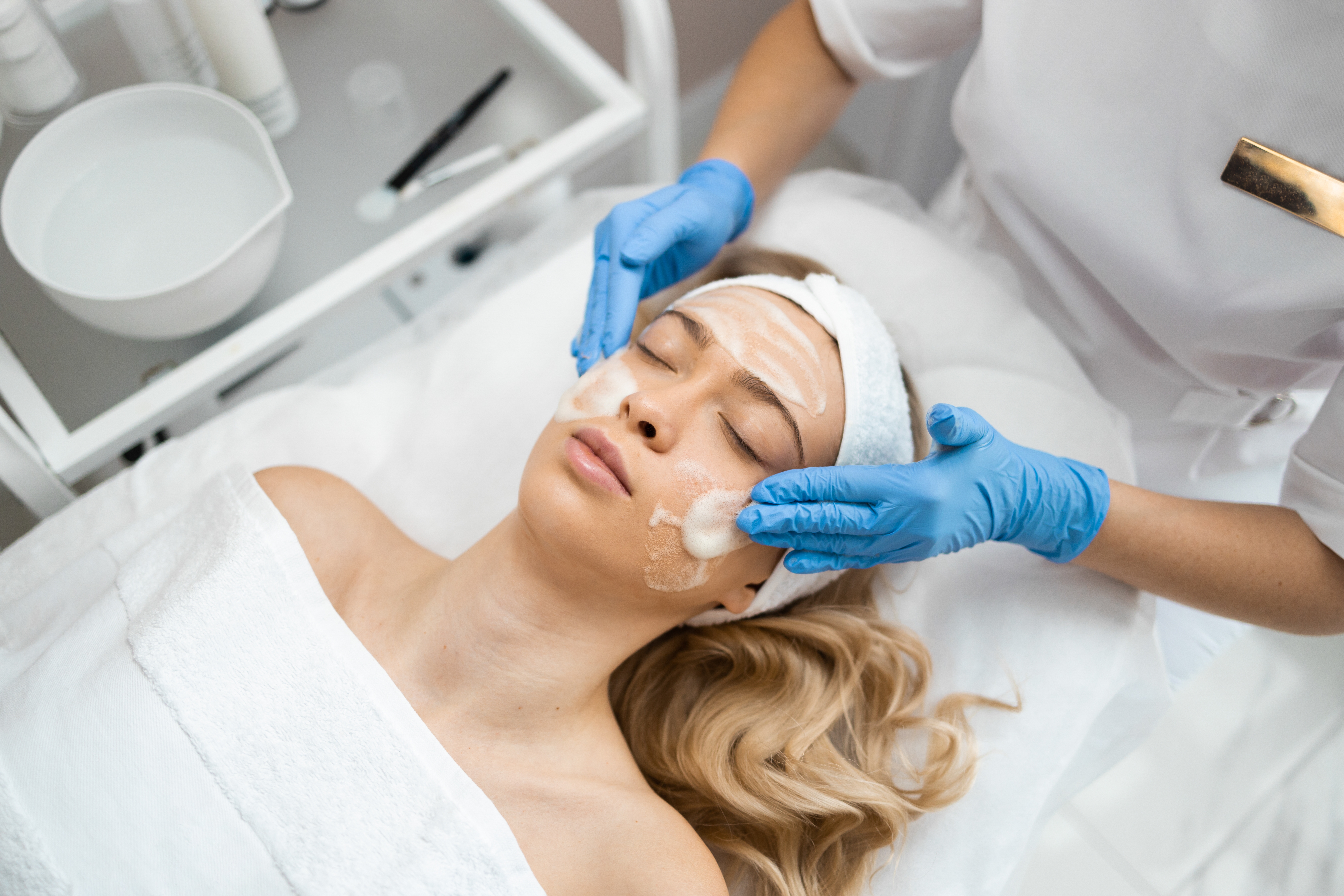
Level 4: Advanced Aesthetic Therapies for Skin (8-12 weeks, blended) Entry requirement: Level 3 or equivalent. Focus expands to advanced skin assessment, treating skin conditions with laser, IPL, advanced facials, and chemical peels. This builds on Level 3 anatomy and adds skin-specific knowledge essential before injectable work.
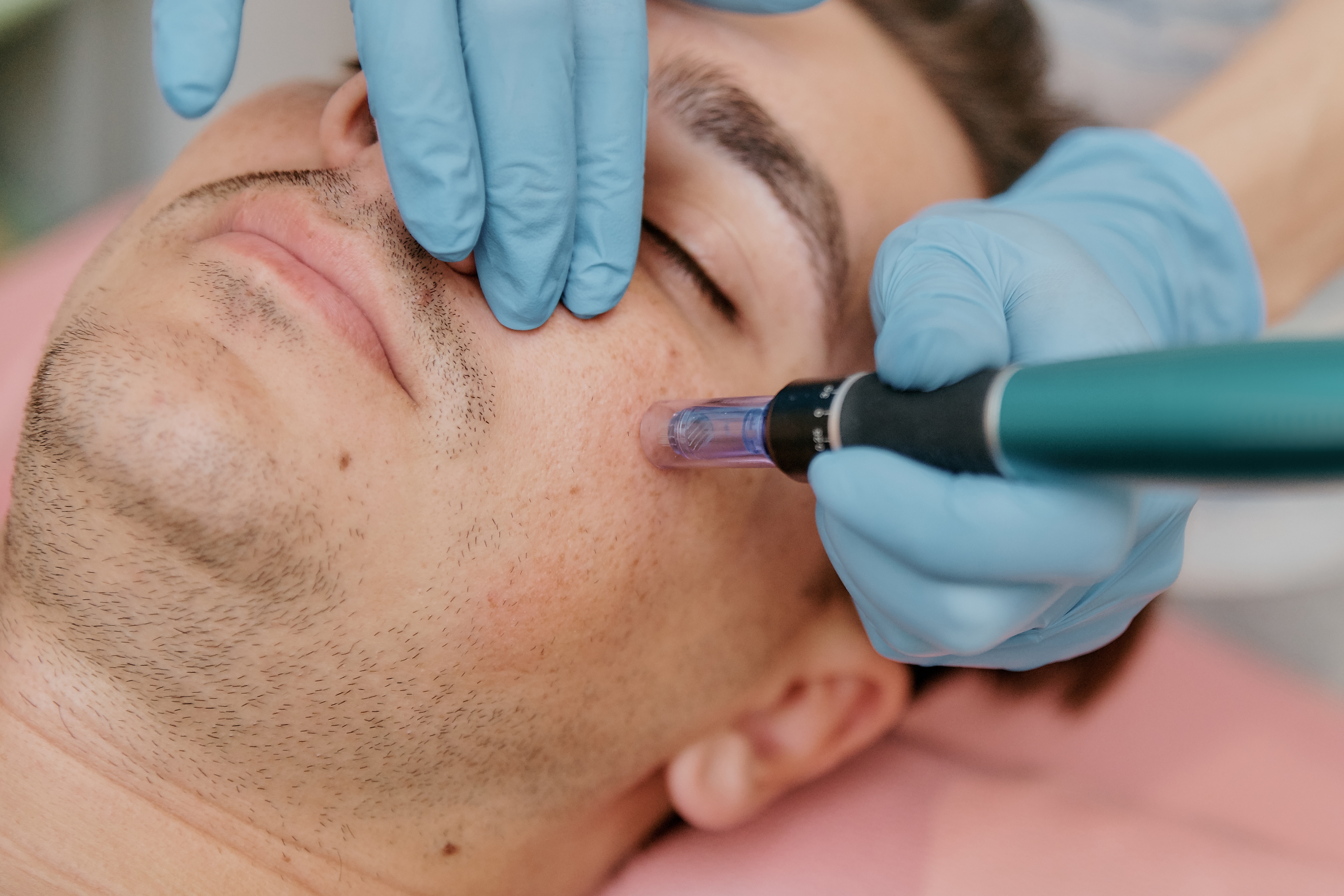
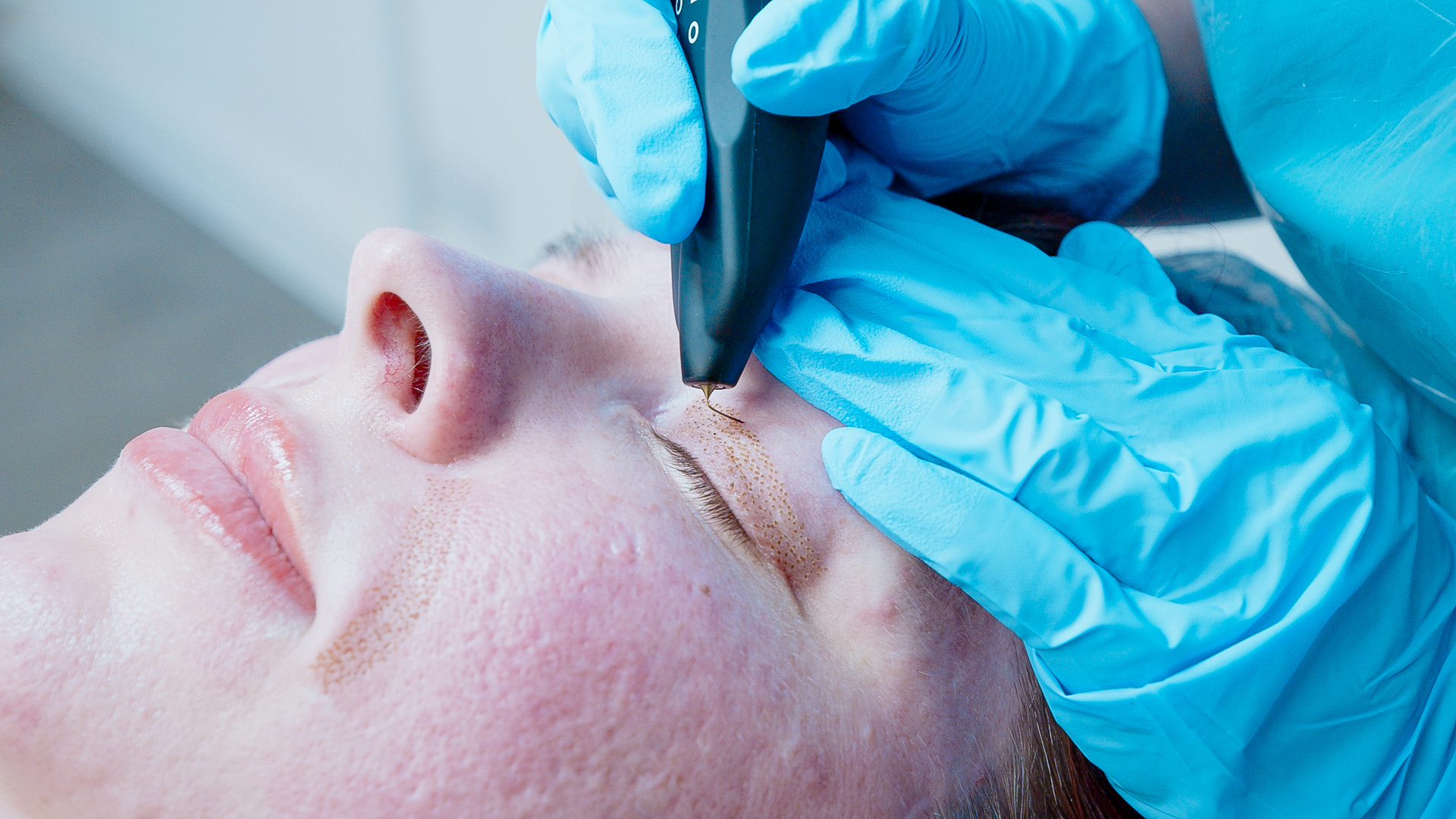
Level 5: Non-Surgical Aesthetic Procedures for Skin (8-12 weeks, blended) Entry requirement: Level 4 completion. This level introduces microneedling, mesotherapy, and advanced chemical peels with deeper understanding of skin physiology and complication management. You develop the consultation and risk-assessment skills that are critical preparation for injectables.
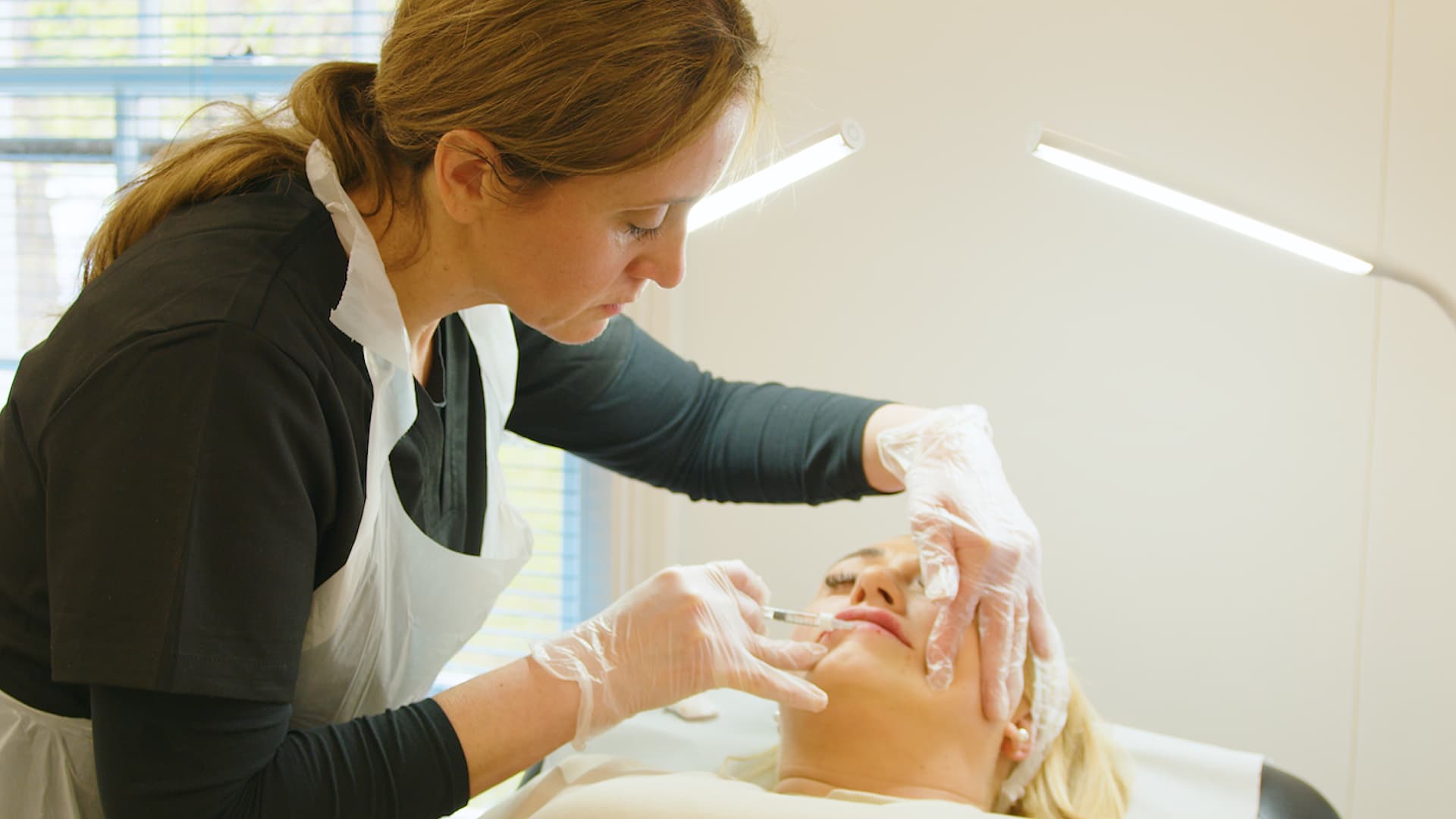
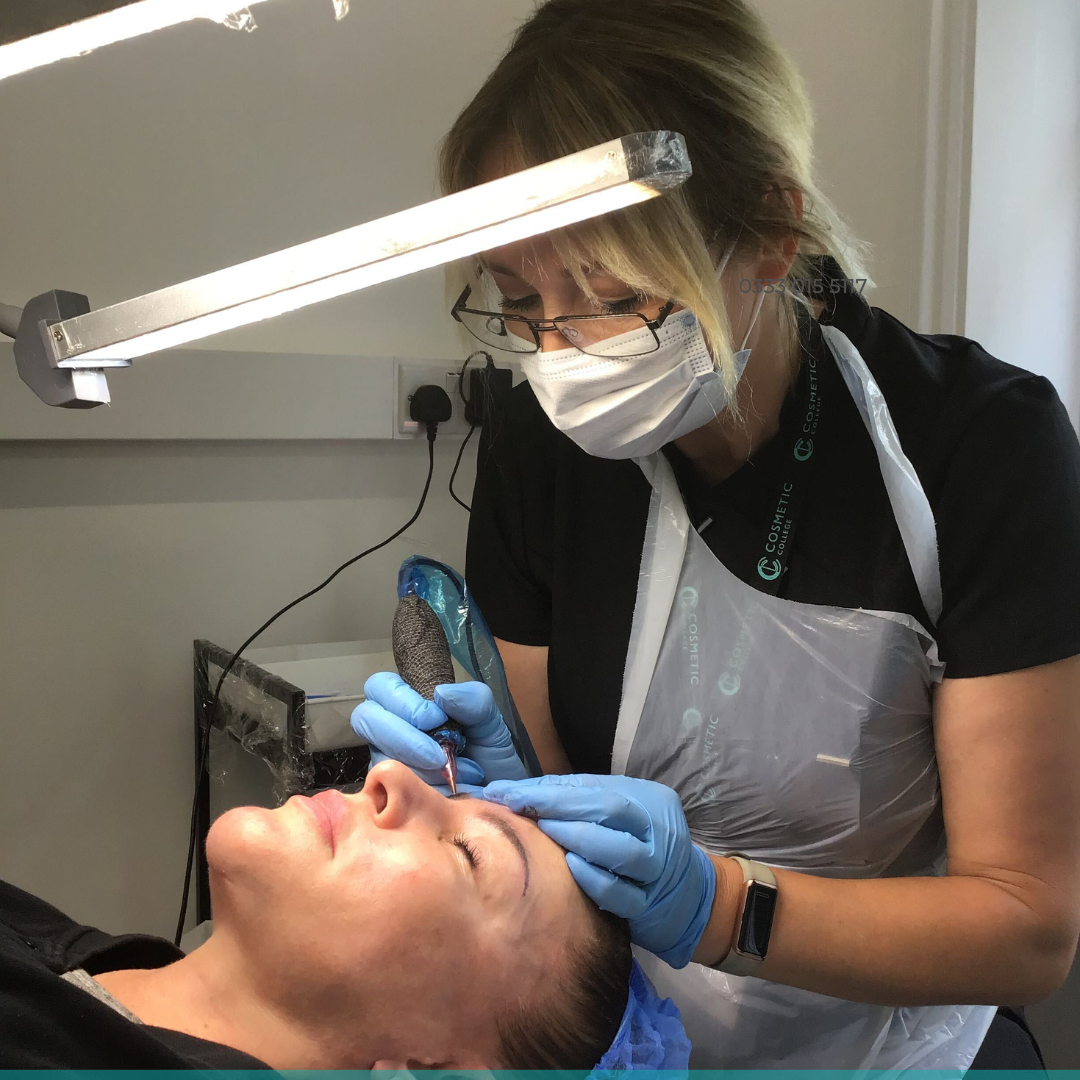
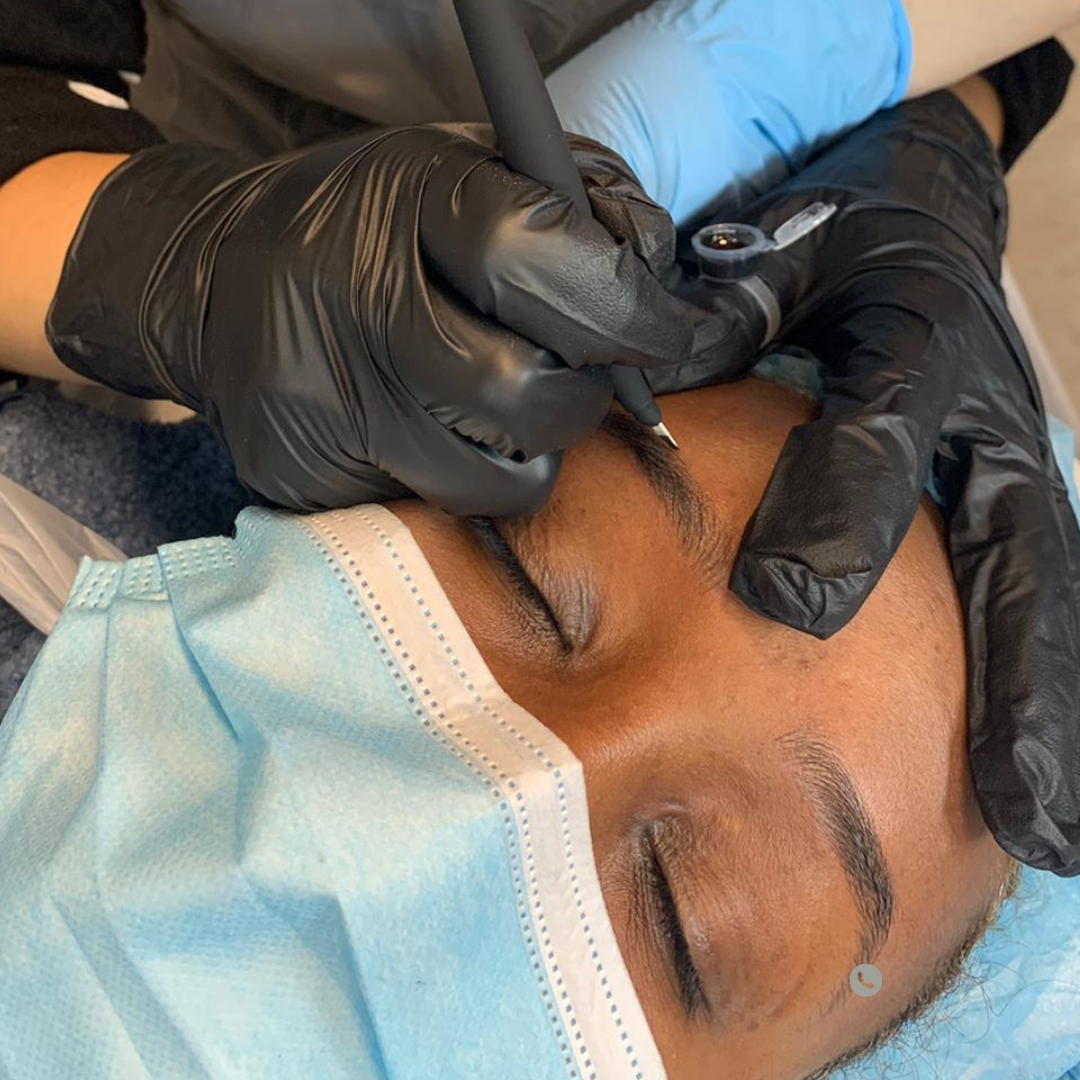
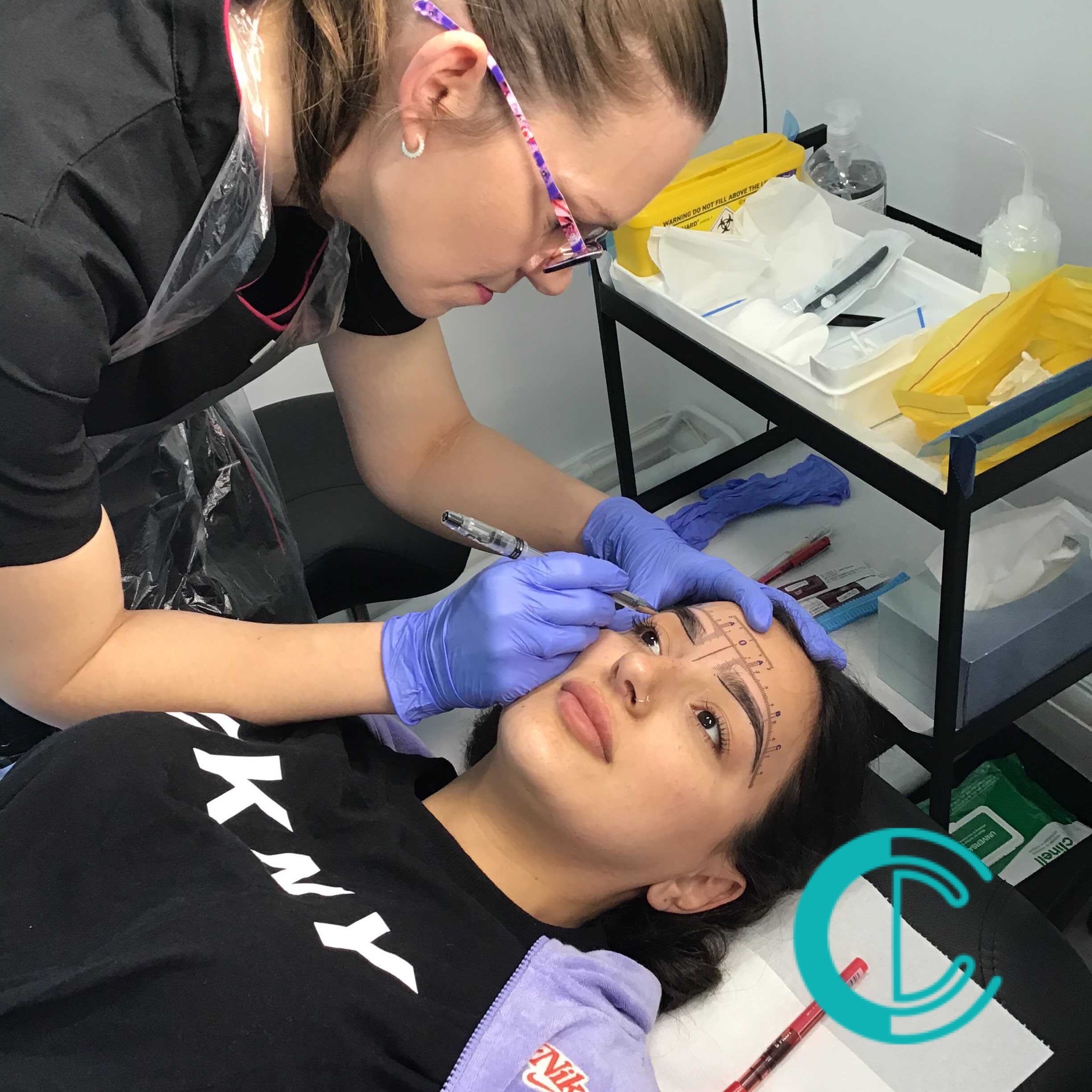
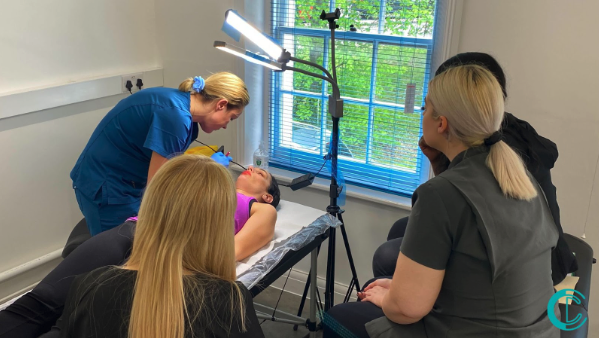
Level 7: Diploma in Non-Surgical Aesthetic Injectable Procedures (6-12 months, including portfolio) Entry requirement: Level 5 completion plus demonstrated competence assessment. This is where dermal fillers, botulinum toxin, and full injectable scope comes in. The 6-12 month duration includes online learning modules, scheduled practical days with live models, and portfolio submission with minimum 20-30 documented treatments reviewed by tutors.
Typical Non-Medic Timeline: Most non-medics complete the full progression (Levels 3→4→5→7) in 12-18 months if training part-time alongside work. Full-time study can compress this to 9-12 months. This isn't a shortcut - it's the time required to safely build the anatomical knowledge, consultation skills, and supervised practical experience that make you a safe, insurable practitioner.
Route planning framework
- Start with your current level and realistic next step.
- Build skin science, consultation quality, and treatment discipline.
- Progress to advanced injectable routes only when prerequisite readiness is clear.
For advanced route comparison, review Level 7 injectables.
What you'll learn at each stage
Understanding concrete module content helps you see progression value:
Level 3 Modules Include:
- Anatomy of the face, head, and neck with medical terminology
- Physiology of major body systems relevant to aesthetics
- Pathology recognition and contraindication screening
- Professional consultation techniques and communication
- Client confidentiality, data protection, and professional conduct
- Health and safety legislation and salon standards
Level 4 Modules Include:
- Detailed skin anatomy (epidermis, dermis, hypodermis layers and structures)
- Skin conditions assessment and treatment contraindication
- Laser and IPL physics and safety protocols
- Chemical peel chemistry and skin response
- Advanced facial assessment and treatment planning
- Complication recognition and immediate response
- Product knowledge and formulation understanding
Level 5 Modules Include:
- Advanced facial anatomy and topographical analysis
- Microneedling technique, depth, and complication management
- Mesotherapy: product selection, injection technique, product physics
- Advanced chemical peels and depth classification
- Managing clients with previous treatments
- Emergency protocols and practitioner liability
- Patient expectation management and outcome assessment
Level 7 Modules Include (with portfolio component):
- Detailed facial vascular anatomy and nerve pathways
- Dermal filler pharmacology: molecular structure, cross-linking, G-prime values
- Injectable product families: HA vs non-HA, permanent vs temporary options
- Botulinum toxin pharmacology, unit dosing, and anatomy for safe placement
- Three-dimensional facial assessment and volume restoration planning
- Complex case management and managing patient safety risk
- Hyaluronidase administration protocols for complications
- Supervised portfolio of minimum 20-30 documented treatments with case reflections
This graduated progression ensures each level builds on the previous with increasing technical complexity and patient risk - which is why non-medics must follow this sequence.
Common non-medic mistakes to avoid
- Choosing by marketing claims without route clarity
- Skipping admissions and progression checks
- Paying before confirming long-term suitability and insurance implications
- Not verifying that courses include live model training
Get route confirmation through Request a Callback and compare practical dates via the course calendar.
Real costs and timeline for non-medic progression
Understanding the investment required helps you plan realistically:
Approximate Training Costs (per level, prices vary by provider):
- Level 3 Access to Aesthetics: £800-£1,500
- Level 4 Advanced Aesthetic Therapies: £1,200-£2,000
- Level 5 Non-Surgical Procedures: £1,500-£2,500
- Level 7 Diploma (Injectables): £3,500-£6,000
Total Non-Medic Pathway Cost: Typically £7,000-£12,000 for full progression from zero to Level 7 qualification. This is an investment, but compare it to earning potential: a practitioner doing 4-5 filler treatments per week at £250-£300 each generates £52,000-£78,000 annually, meaning the investment returns within 2-3 months of practice.
Timeline by Study Intensity:
- Part-time (1-2 days per week while working): 12-18 months total
- Blended intensity (2-3 days per week): 9-12 months total
- Full-time (5 days per week): 6-9 months total (though practical scheduling may extend this)
Other Costs to Budget:
- Professional indemnity insurance: £100-£300/year (non-negotiable for practice)
- JCCP or CPSA professional body membership: £150-£300/year
- Treatment products for portfolio work: £500-£1,000 (provider may supply)
- Continuing professional development: £300-£800/year (typically post-Level 7)
Why Timeline Matters: Non-medics cannot compress this timeline without compromising safety knowledge. Providers offering "Level 7 in 3 months" are not delivering VTCT-regulated content - they may be offering unaccredited courses or diploma mills. The 6-12 month Level 7 timeline includes portfolio submission, which requires documented evidence of safe practice reviewed by tutors. This is non-negotiable for professional credibility and insurance coverage.
Building a safer long-term pathway
A strong pathway focuses on sustainable competence and Ofqual-regulated progression. This supports both client safety and business durability, especially ahead of Health and Care Act 2022 licensing reforms.
Review how to get insurance for VTCT aesthetic treatments to align your progression with insurability, and explore best dermal filler training provider standards.
Can non-medics become dermal filler practitioners in the UK? Yes, progression is possible through structured VTCT pathways starting at Level 3 (4-6 weeks foundation) and progressing through Levels 4 and 5 before reaching Level 7 Diploma. The entire pathway takes 12-18 months part-time. Route requirements and eligibility vary by provider - always verify entry requirements upfront and confirm that your chosen provider delivers the full VTCT sequence, not just isolated weekend courses claiming to teach injectables.
Is one short course enough for dermal filler training? No, not for safe, insurable practice. For serious long-term pathways, staged progression through accredited VTCT levels and supervised practical training are essential. Non-medics especially need foundational training: you need to understand facial anatomy deeply, recognize skin pathology, conduct safe consultations, and manage risk before you ever touch a needle. One weekend course covering "intro to fillers" leaves you unsafe and uninsurable. Insurance providers require VTCT qualifications or equivalent - they won't cover someone trained on a non-accredited weekend course, and if you cause harm, you'll have no protection.
What should I ask admissions before enrolling in a dermal filler course? Ask: What are the exact entry requirements for this specific level? How does progression work after this course - what's the next step to Level 7? Are supervised live model sessions included (how many days, tutor-to-student ratio)? What's the typical timeline to complete this level? Will you provide insurance readiness guidance? What happens if I'm not ready to progress? Ask these in writing and confirm responses before payment. Also ask whether the VTCT qualification pathway is clearly mapped - a good provider can show you a complete progression timeline from your starting point to Level 7.
How do I reduce the risk of choosing the wrong dermal filler route? Use Pathway to Aesthetics for route planning and confirm fit in writing before payment. Verify that your chosen provider: (1) Offers VTCT-accredited courses with Ofqual recognition, not unaccredited "diploma" alternatives; (2) Includes supervised live model practical training, not just online theory; (3) Has a clear progression pathway to Level 7 if that's your goal; (4) Can provide insurance guidance; (5) Answers your questions transparently. Review dermal filler entry requirements specific to your background and request a callback to have your route personally reviewed before committing.
Editorial Standards
Author
Cosmetic College Editorial Team
Aesthetic Education Editorial Team
Cosmetic College specialists and admissions advisers produce this content to help learners choose regulated progression routes and make safer, better-informed training decisions.
Review cycle
Published: 1 February 2026
Last reviewed: 1 February 2026
Reading time: 6 min
Sources and References
- Pathway to Aestheticscosmetic.college
- Level 7 injectablescosmetic.college
- Request a Callbackcosmetic.college
- course calendarcosmetic.college
- how to get insurance for VTCT aesthetic treatmentscosmetic.college
- best dermal filler training provider standardscosmetic.college
- dermal filler entry requirementscosmetic.college