









As regulation tightens, the question many practitioners ask is: aesthetics licensing UK 2026 what qualifications you need. While exact requirements vary by treatment scope and regulator guidance, one direction is clear: regulated training and clear progression evidence matter more than ever.
Why licensing readiness now matters
Licensing pressure affects:
- Insurance eligibility
- Clinic risk profile
- Treatment scope confidence
- Client trust and long-term brand value
Practitioners who build around regulated pathways are usually better positioned when standards become stricter.
Qualification planning framework
A practical route for many learners is:
- Build foundation knowledge through regulated entry-level routes
- Progress into advanced skin scope
- Move into advanced specialist pathways if clinically and strategically appropriate
You can review route options on the VTCT hub and progression structure via Pathway to Aesthetics.
What the licensing scheme will require
Under emerging UK aesthetic regulation (influenced by the Health and Care Act 2022 and ongoing consultation), practitioners are likely to face these requirements:
Mandatory Local Authority Registration
- What it means: You'll need approval from your local authority (council) to operate aesthetics services
- Timeline: Likely rolling implementation from 2025 onwards (check your local authority's guidance)
- What authorities will check:
- Approved qualification evidence (Ofqual-regulated courses like VTCT)
- Professional indemnity insurance (£100–£300/year minimum)
- Hygiene and infection control standards in your premises
- Professional body membership (JCCP, CPSA, Save Face or equivalent)
- Documentation of treatment scope and consultation process
Approved Qualification Requirements
- What qualifies: Ofqual-regulated Level 3, 4, 5, and 7 qualifications in aesthetics (like VTCT)
- What won't qualify: Non-regulated online courses, unaccredited training, or isolated workshops
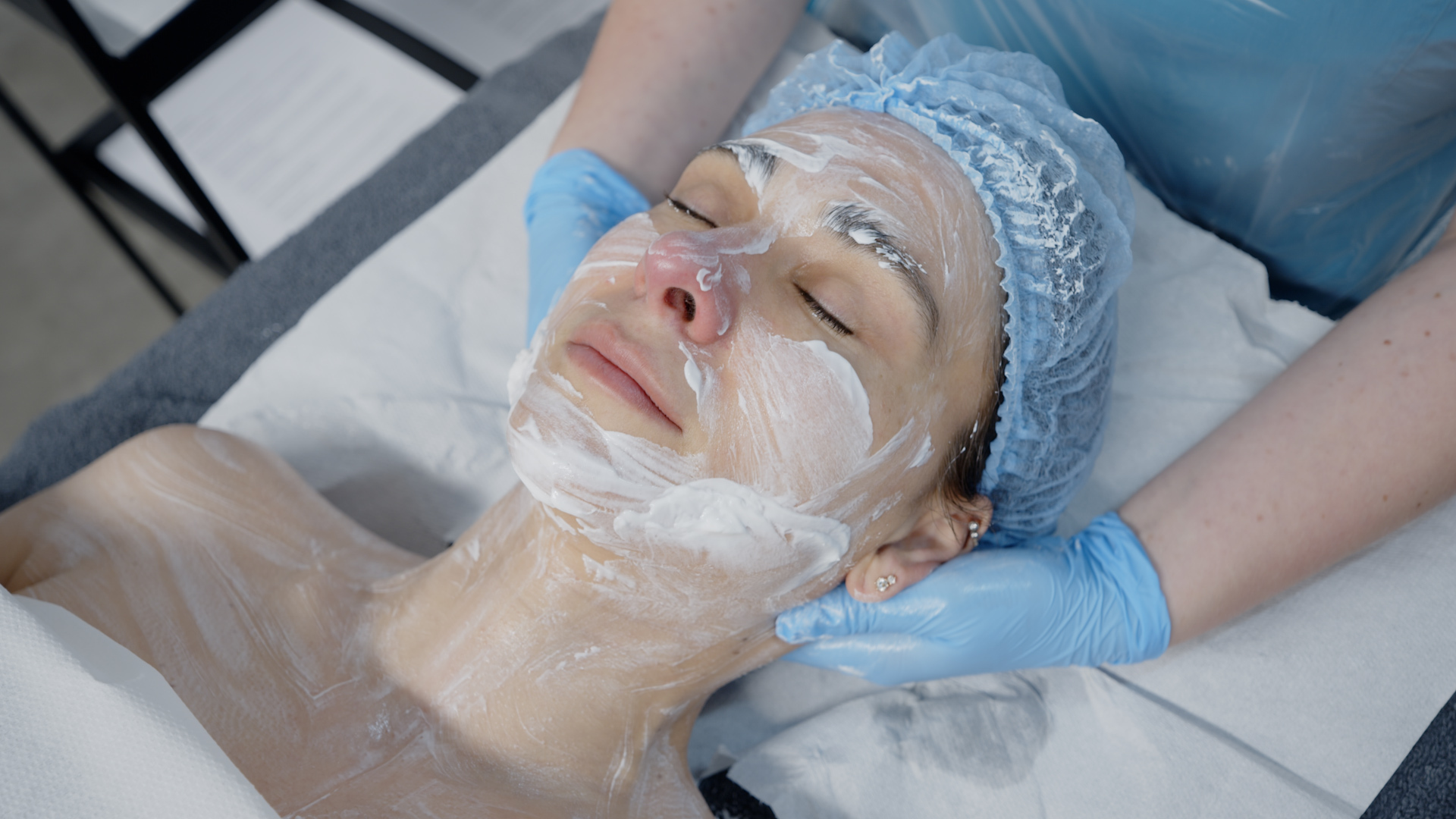
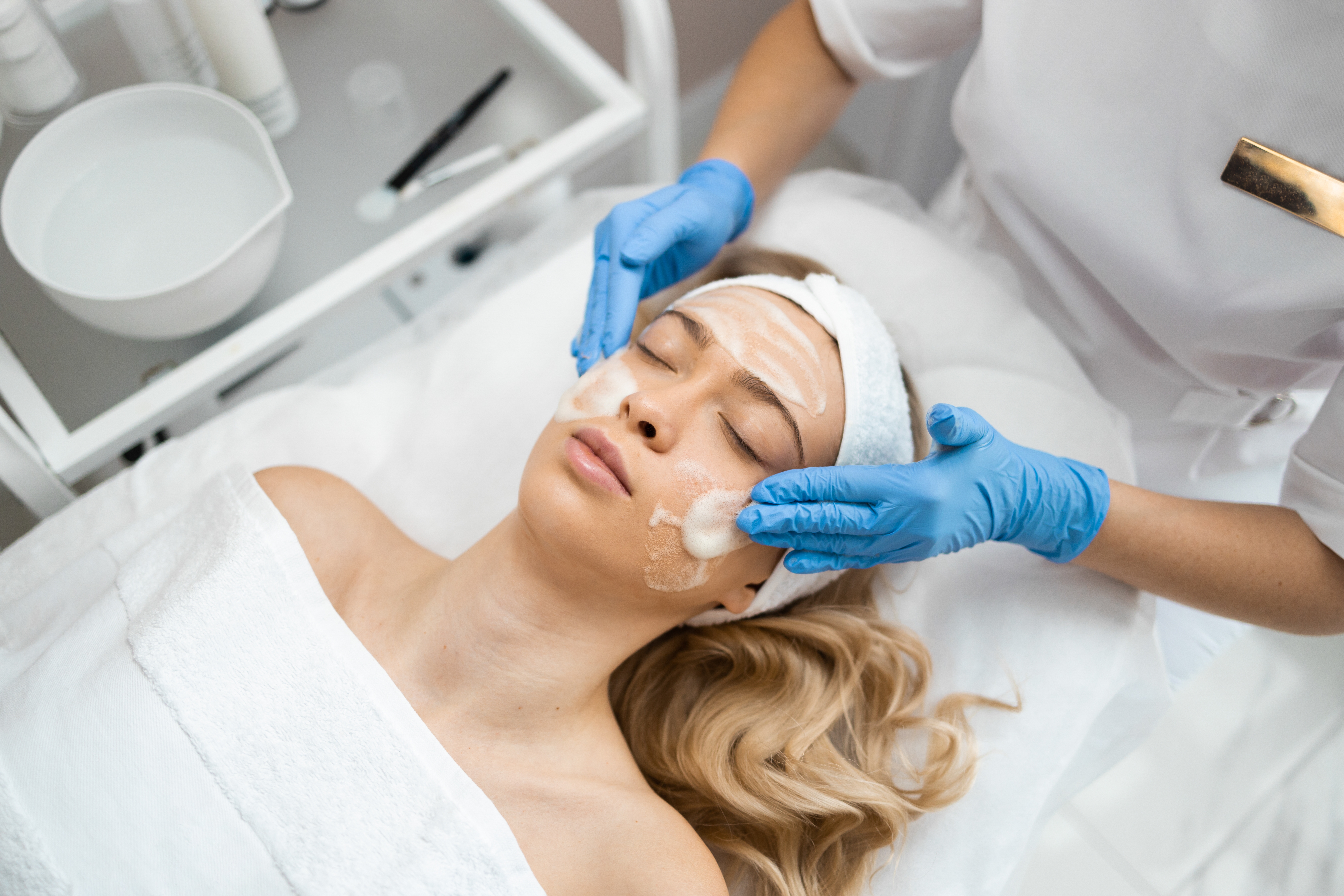
- Level 3–4: Likely sufficient for basic skin treatments (facials, light therapies, basic lasers)
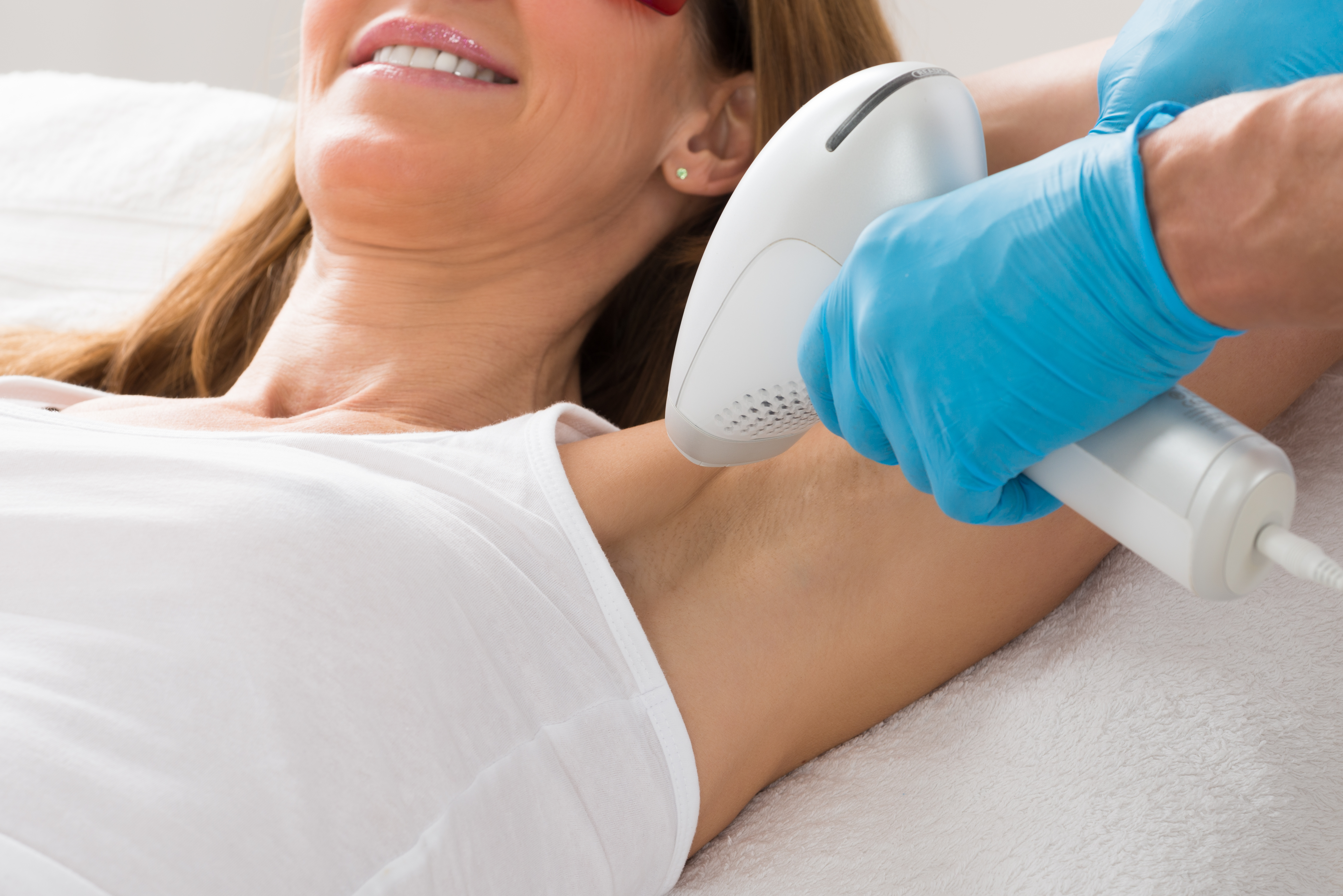
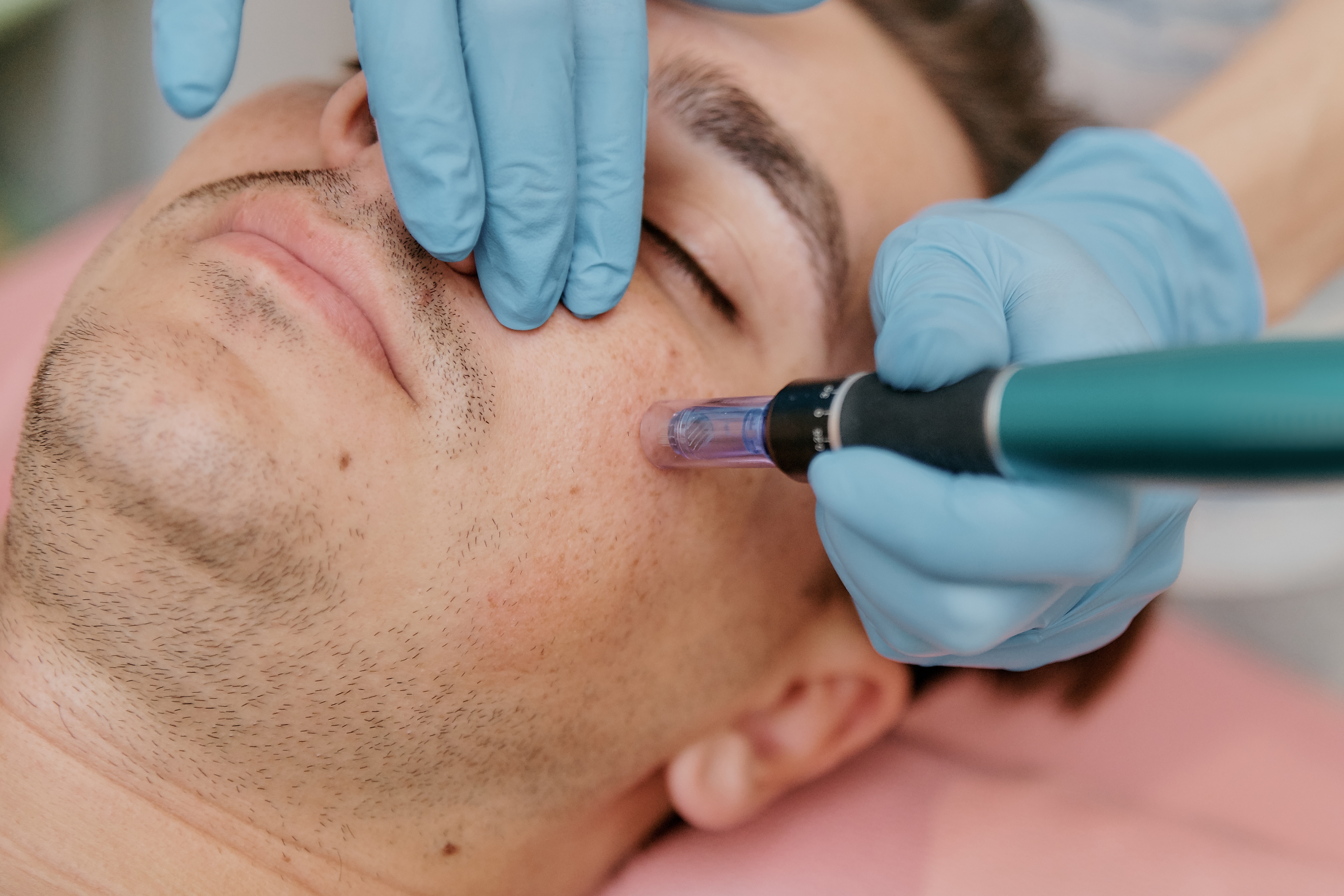
- Level 5: Required for advanced skin treatments (laser hair removal, chemical peels, microneedling, professional peels above certain strength)
- Level 7: Required for injectables (fillers, botulinum toxin) and advanced injectable procedures
- Implication: Practitioners who trained outside regulated frameworks may face grandfathering restrictions or mandatory retraining
Premises Inspection
- What authorities will check:
- Premises record: Confirmed registered location
- Hygiene standards: Sterilization protocols, hand hygiene, waste disposal aligned to Health and Social Care Act standards
- Equipment safety: Laser machines properly maintained, calibrated, logged
- Emergency procedures: Documented protocols for adverse events, emergency contact information, incident logs
- Client records: Privacy compliance (GDPR), informed consent documentation, treatment history stored securely
- Typical inspection frequency: Once per licence renewal cycle (likely annual or biennial)
Treatment-Specific Licensing Scope
Based on current regulatory direction, these treatments are most likely to be licensed (restricted to approved practitioners):
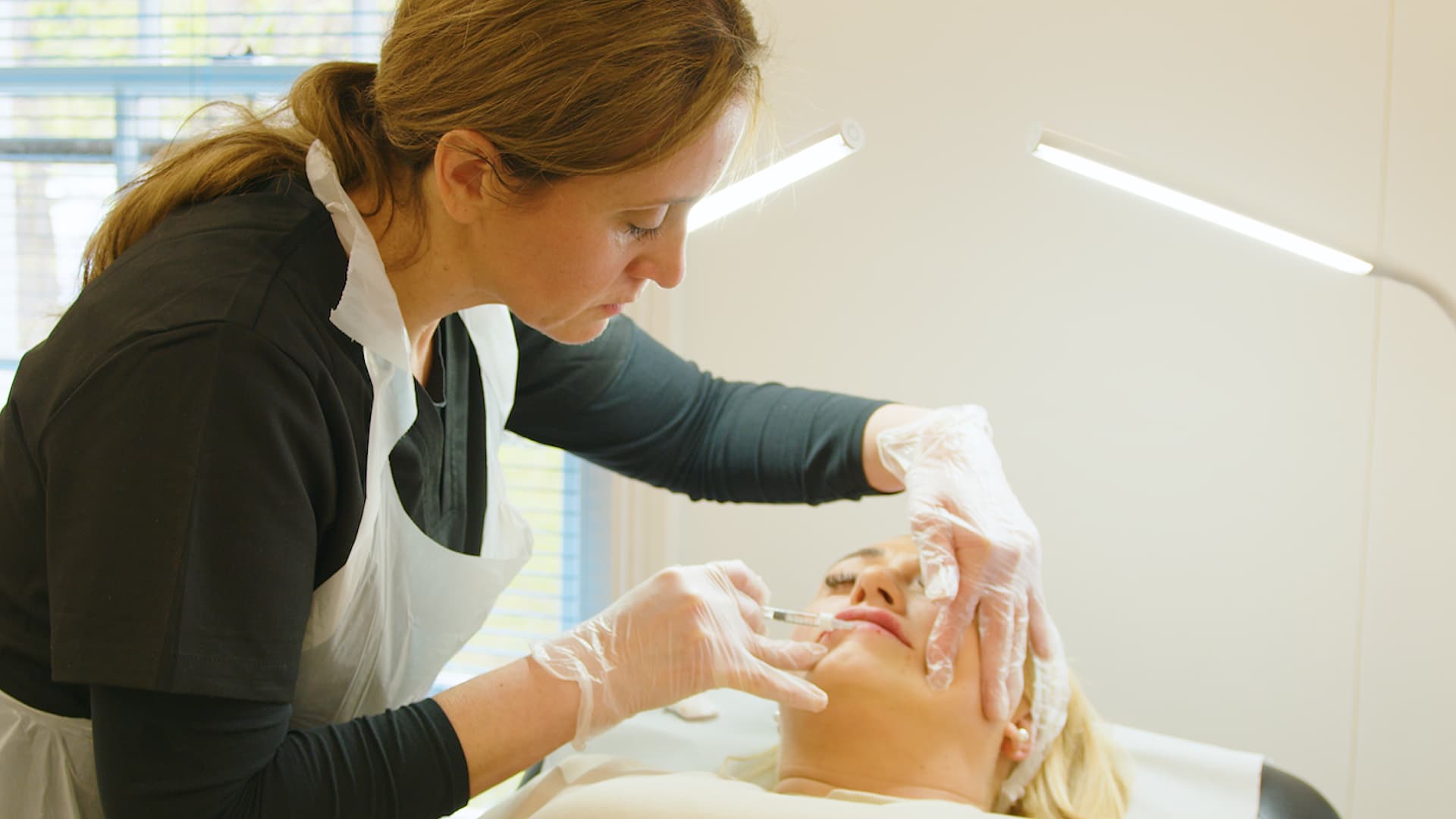
- Injectable treatments: Dermal fillers and botulinum toxin (likely Level 7+ only)
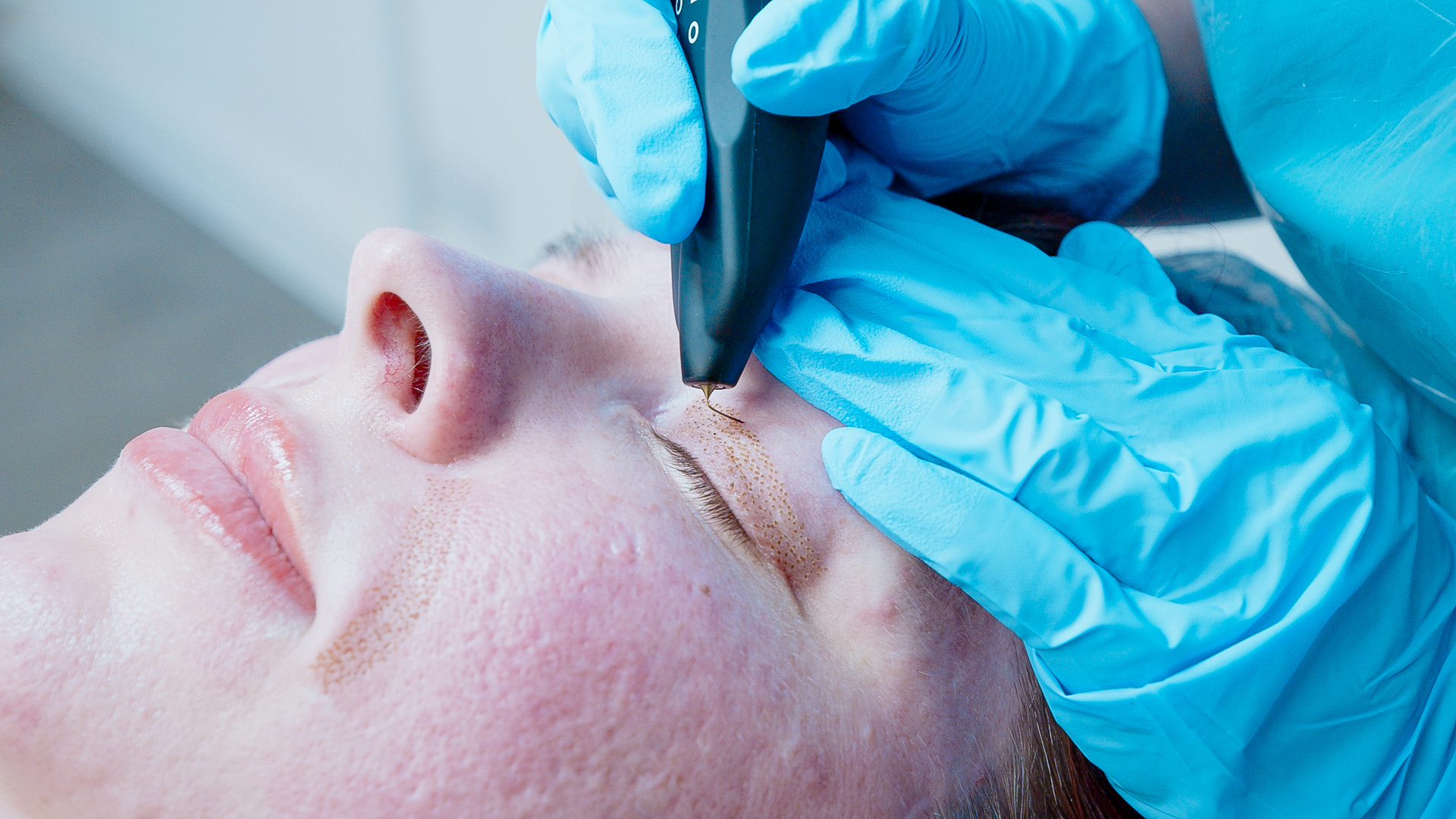
- Laser treatments: Laser hair removal, laser skin resurfacing, tattoo removal (likely Level 4–5 minimum)
- Chemical peels: Medium-strength and above (likely Level 4–5 minimum)
- Microneedling: Professional microneedling and RF treatments (likely Level 4–5 minimum)
Treatments unlikely to be initially restricted (but covered under general professional standards):
- Basic facials and skincare treatments
- Light therapy (non-laser)
- Manual therapies
Key insight: If you're building a practice now, ensure all your treatments are backed by Ofqual-regulated qualifications. Level 7 practitioners are safest positioned because their scope is widest and most evidence-based.
How to prepare now for licensing requirements
Step 1: Get Ofqual-Regulated Qualifications (Immediate Priority)
- Use VTCT or equivalent Ofqual-regulated pathways
- Avoid non-regulated providers, even if cheaper
- Build progression evidence: Level 3 → Level 4 → Level 5 → Level 7
- Timeline: 6–18 months depending on pathway
Step 2: Get Professional Body Membership (Months 1–3)
- Register with JCCP (Joint Council for Cosmetic Practitioners), CPSA (Cosmetic Procedures Safety Association), or Save Face
- These bodies help position you as a professional and may reduce future licensing friction
- Cost: £100–£300/year typically
- Benefit: Insurance underwriters often recognize professional body members favorably
Step 3: Establish Insurance and Compliance Documentation (Months 1–3)
- Secure professional indemnity insurance (£100–£300/year minimum)
- Create consultation and consent templates by treatment type
- Document your incident reporting procedure
- Keep detailed treatment logs (client name, date, treatment, outcomes, follow-up)
- Reason: Local authorities will likely request this during registration
Step 4: Prepare Premises for Inspection (Months 3–6)
- Ensure your treatment space meets basic health and safety standards
- Document sterilization and hygiene protocols (especially for injectable and laser treatments)
- Create and post emergency contact information and incident escalation procedures
- Establish GDPR-compliant client record storage
- Cost: Minimal if already operating; £500–£2,000 if setting up from scratch
Step 5: Build Your Licensing Portfolio (Ongoing)
- Maintain a portfolio of your training certificates and progression records
- Keep annual CPD evidence (continuing professional development; often 5–10 hours/year per professional body requirement)
- Document client outcomes and testimonials (with consent)
- Track any incident reports, complaints, and resolutions
- Purpose: When local authority registration opens, you'll have a complete evidence pack ready
What compliance-ready training should include
Look for programmes that emphasize:
- Structured consultation and consent practice
- Safety and adverse-event decision frameworks
- Clear assessment and competency standards
- Documented progression pathways
For many learners, this starts with Level 3 entry routes and advances toward specialist routes.
Commercial impact of getting this right
Licensing-ready positioning can improve:
- Referral quality from informed clients
- Confidence in pricing and scope communication
- Operational resilience under regulatory change
If you want route guidance based on your background, request a callback or take the course match quiz.
Licensing readiness checklist for practitioners
Treat this as an operating checklist, not a one-time admin task.
- Qualification map: document your current level and next progression checkpoints.
- Scope map: list every treatment you offer and tie it to qualification evidence.
- Documentation standards: maintain consultation, consent, and aftercare templates by treatment type.
- Insurance alignment: confirm your scope and wording with your insurer before launching new services.
- Audit cycle: run a quarterly review so practice standards keep pace with route progression.
This approach helps you avoid the biggest commercial risk: offering treatments that are not clearly supported by your route evidence. The most resilient clinics usually build from regulated pathways and can explain their competence model clearly to insurers, partners, and clients.
What to do in the next 30 days
- Review your current route against VTCT course options.
- Identify your highest-risk service gap and close it first.
- Book an admissions call to confirm your progression sequence.
- Set one measurable quarterly compliance objective (for example, complete route documentation for all live services).
If you are at early stage, start with the Level 3 entry route and build forward. If you are already advanced, use the Pathway to Aesthetics to pressure-test your long-term plan.
FAQ
Will everyone need the same VTCT qualification level under UK aesthetics licensing? Not necessarily. Treatment scope, practitioner role, and Health and Care Act 2022 provisions influence requirements. Early route planning supports whatever licensing eventually requires.
Are Ofqual-regulated VTCT qualifications a safer long-term strategy? Yes. They are generally better for compliance, insurability, and progression clarity. See VTCT Training UK: Complete Guide for progression options.
Should non-medics still follow VTCT regulated pathways for licensing readiness? Yes. Non-medics usually benefit from structured staged VTCT progression aligned to the Regulated Qualifications Framework (RQF).
How can I future-proof my VTCT route now? Choose a clear progression model and avoid isolated, non-progression training decisions. See VTCT Pathway Planner 2026 for strategic planning.
What is the best first step for licensing readiness? Compare VTCT Level 3 through Level 7 pathways via Pathway to Aesthetics and speak to admissions via Request a Callback.
Can the quiz help with licensing-focused VTCT decisions? Yes. The course match quiz can narrow route options quickly and identify prerequisites.
Should I delay VTCT training until UK aesthetics licensing rules are fully fixed? Usually no. Building regulated VTCT progression now typically reduces future risk and ensures you meet emerging standards.
How do I align VTCT training with insurance requirements for licensing? See How to Get Insurance for VTCT Aesthetic Treatments and Finance Options for VTCT Aesthetics Training to plan holistically.
How often should I refresh my VTCT compliance and licensing evidence? At minimum quarterly, and immediately when your treatment scope changes or new licensing guidance emerges.
What happens if I get licensed under one system and licensing requirements change? Transitional arrangements are typically built into licensing regulations. Most authorities grandfather in existing practitioners for 12–18 months if they meet basic standards (regulated qualification, insurance, hygiene). However, this is not guaranteed. Practitioners who build evidence now (VTCT qualifications, professional body membership, documented compliance) are safest. You can't be disadvantaged for meeting today's best practices.
Should I delay getting VTCT training until licensing rules are 100% final? No. Delaying increases risk: (1) Non-regulated training becomes harder to convert if licensing requires VTCT or equivalent, (2) You miss earning potential while waiting, (3) Final rules will likely require what you'd be training for now anyway. Getting VTCT qualified now future-proofs you.
Can medics or nurses skip VTCT qualification if they have medical training? Possibly, under Health and Care Act 2022 provisions, but don't assume. Even medics benefit from Ofqual-regulated aesthetics pathways for insurance and licensing readiness. Discuss your medical background with admissions before deciding entry point; many medics still complete Level 3–4 for compliance clarity.
What are the penalties for operating without proper licensing? Exact penalties are being finalized, but likely consequences include: fines (£500–£5,000 per treatment delivered without licence), mandatory practice closure, insurance denial if claims occur, client compensation claims if harm results. Don't risk it. Get qualified and licensed from the start.
Editorial Standards
Author
Cosmetic College Editorial Team
Aesthetic Education Editorial Team
Cosmetic College specialists and admissions advisers produce this content to help learners choose regulated progression routes and make safer, better-informed training decisions.
Review cycle
Published: 7 February 2026
Last reviewed: 7 February 2026
Reading time: 7 min
Sources and References
- VTCT hubcosmetic.college
- Pathway to Aestheticscosmetic.college
- Level 3 entry routescosmetic.college
- callbackcosmetic.college
- course match quizcosmetic.college
- VTCT Training UK: Complete Guidecosmetic.college
- VTCT Pathway Planner 2026cosmetic.college
- How to Get Insurance for VTCT Aesthetic Treatmentscosmetic.college
- Finance Options for VTCT Aesthetics Trainingcosmetic.college