




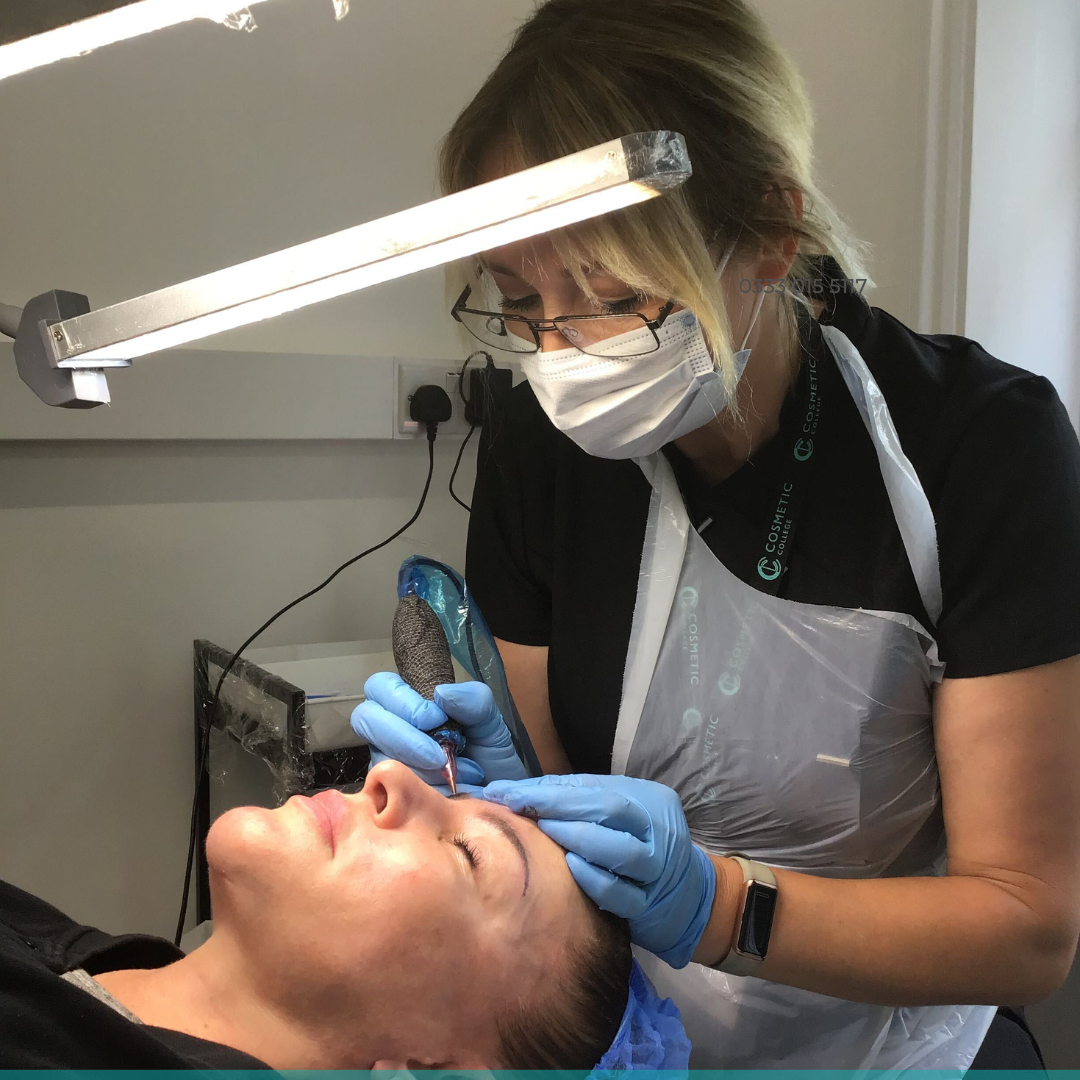
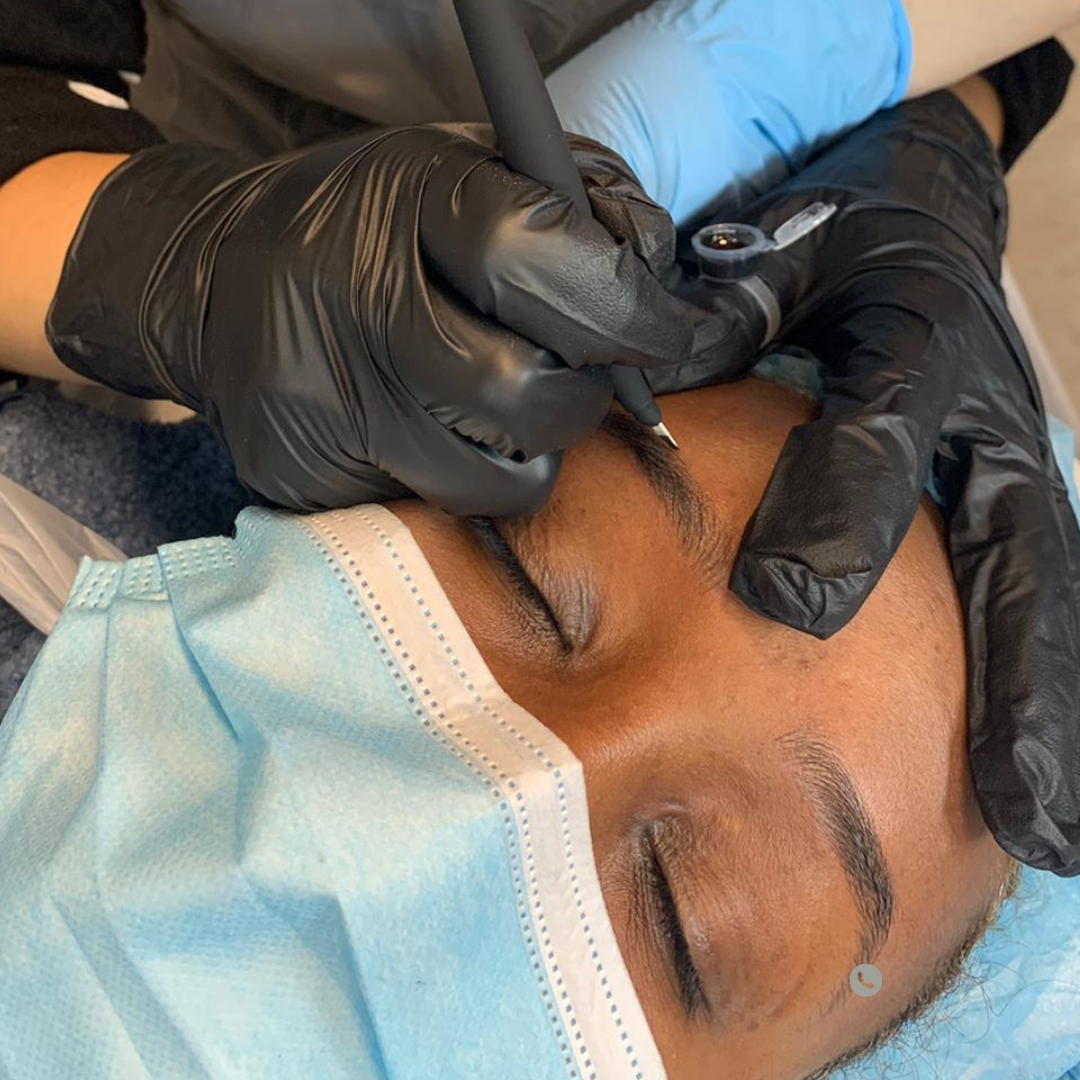
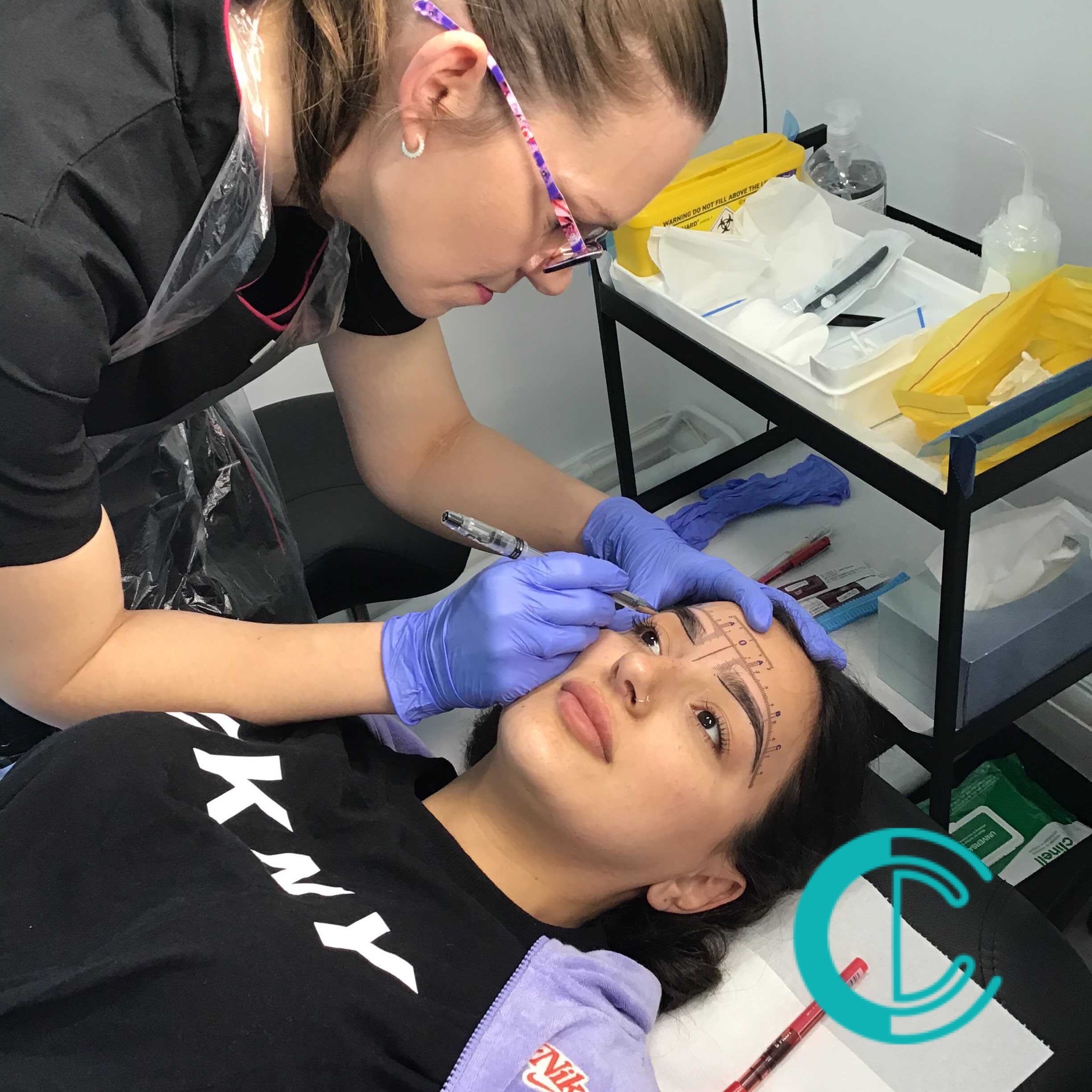
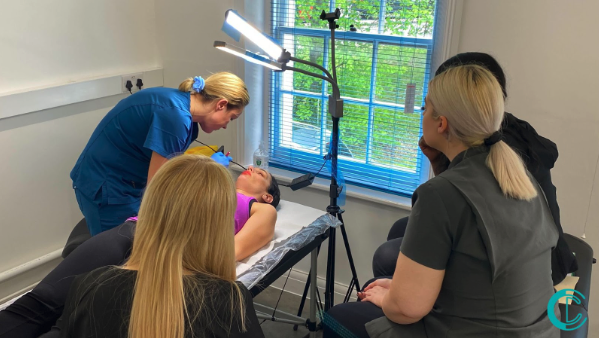





If you are asking how to start career in aesthetics uk, begin with a realistic 12-month plan instead of random course selection. Choose accredited aesthetics training UK qualifications to build a sustainable, regulated career from day one.
The highest-performing route is usually staged: foundation (VTCT Level 3), progression (Levels 4-5), then advanced expansion (Level 7 injectables).
Month 1-2: Choose your pathway
Start with:
- Pathway to Aesthetics
- All aesthetics courses
- VTCT qualification options
- A short admissions route review via callback
- Best aesthetic course quiz
Your first decision is your core objective: beginner entry (Level 3), skin progression (Levels 4-5), or injectables pathway (Level 7).
Month 3-6: Build baseline competence
Key priorities:
- Structured consultation and treatment planning
- Practical confidence under supervision
- Clear progression decision for your next stage
Avoid trying to scale too quickly before fundamentals are stable.
Month 7-12: Progress and specialise
As your baseline improves, choose one growth direction:
- Advanced skin progression
- Laser pathway
- Injectable progression
Use the training course calendar to plan dates that fit your workload and budget.
Month-by-month action plan for your first year
This timeline assumes you're starting as a complete beginner and want to establish a foundation in aesthetics by month 12.
Month 1-2: Select pathway and begin Level 3
- Complete Pathway to Aesthetics quiz to confirm your core goal
- enrol in VTCT Level 3 (Access to Aesthetics) course
- Cost: £1,500-£2,500
- Online theory starts immediately; 2-3 in-person days per week for practical training
- Action items: Research professional indemnity insurance providers (quotes take 1-2 weeks); order basic treatment kit if planning mobile work (£300-£1,000)
- By end of month 2: You'll have completed foundation anatomy, physiology, consultation skills, and professional ethics
Month 3-4: Complete Level 3, launch first treatments
- Finish Level 3 practical assessments and final exam
- Apply for professional indemnity insurance - many providers offer cover as soon as Level 3 is certified
- Insurance cost: £100-£200/year (pro-rata from month 3)
- Launch basic facials and skin treatments if employed or via chair rent
- Initial client pricing: Facials £80-£120, express treatments £40-£60
- Action items: Prepare 5-10 before/after photos (can be practice models); create basic treatment menu; start building client WhatsApp/email list
- Revenue expectation: £500-£1,500 this period (low volume, building confidence)
Month 5-6: Research Level 4, plan progression
- enrol in VTCT Level 4 (Laser and Advanced Facials) course
- Cost: £2,500-£4,000
- Level 4 starts month 7 with monthly commitment (12-16 weeks duration)
- Action items: Research laser/IPL equipment options (rental vs. purchase); confirm chair rent or employment location solid through next 6 months; build client base to 8-12 regular clients by month 6
- Revenue expectation: £1,500-£3,000 monthly as confidence increases and client base builds
Month 7-9: Complete Level 4 practical training
- Attend Level 4 in-person sessions (1-2 days/week)
- Complete online learning and practical assessments
- Expand service menu: Add advanced facials, skin rejuvenation, light peels
- Treatment pricing: Chemical peels £100-£150, microneedling (manual) £150-£200, advanced facials £120-£150
- Action items: Photograph new treatment results for portfolio; research Level 5 or Level 7 prerequisites; increase marketing effort (target 10-15 new client inquiries/month)
- Revenue expectation: £2,000-£5,000 monthly as treatment scope expands and referrals build
Month 10-12: Level 4 completion, decide progression
- Complete Level 4 assessments and certification
- Decision point: Do you want to specialise in skin procedures (Level 5), progress to injectables (Level 7), or deepen existing services?
- Action items: Request route consultation (callback); review Level 3 to Level 7 progression guide; plan Level 5 or Level 7 enrolment for Q1 of year 2; finalize practice location/model (employed vs. chair rent vs. independent)
- Revenue expectation: £3,000-£8,000 monthly; year-end cumulative revenue £20,000-£35,000 (part-time) or £35,000-£55,000 (full-time)
- By month 12: You'll have 20-30 regular clients, solid portfolio, and clear 12-24 month progression plan
What to budget for your first year
Comprehensive first-year budget should include training, insurance, equipment, and marketing:
Training & Qualifications: £4,000-£6,500
- Level 3: £1,500-£2,500
- Level 4: £2,500-£4,000
Professional Support & Membership:
- Professional indemnity insurance (pro-rata from month 3): £75-£225
- JCCP/CPSA registration (optional but recommended): £100-£150
- CPD and training resources: £100-£200
Equipment & Consumables: £1,500-£3,000+
- Basic facial treatment kit: £300-£800
- Sterilization/hygiene supplies: £200-£500
- Treatment consumables (initial stock): £300-£600
- Ultrasound or advanced equipment (if included): £500-£1,500
Practice Setup: £1,000-£5,000+ (varies by model)
- Chair rent deposits (if not employed): £500-£2,000
- Home salon setup (if mobile/independent): £1,000-£5,000
- Treatment bed/chair (if starting independent): £400-£1,200
Marketing & Client Acquisition: £2,000-£3,000
- Professional photography/before-after setup: £300-£500
- Website/business cards/printed materials: £200-£500
- Digital marketing (social media, ads, email): £200-£500/month (budget £2,000-£3,000 for year)
- Professional headshots for branding: £100-£300
Administrative & Miscellaneous: £500-£1,000
- Business registration, accounting software: £100-£300
- Business insurance (liability): £50-£200
- Professional development/courses: £200-£500
- Contingency buffer (equipment replacement, unexpected costs): £150-£400
Total Year 1 Budget: £10,000-£20,000+ (depending on practice model and equipment choices)
This investment typically breaks even by month 9-12 if you're full-time, and by month 12-15 if part-time. Most practitioners reach profitability (revenue exceeds all costs) by month 12-14 of full-time practice.
Realistic earning timeline
Understanding when money actually starts flowing helps you plan cash flow and avoid panic:
Months 1-4 (Training phase): Minimal revenue (£0-£2,000 cumulative). You're learning and building confidence. Don't expect significant income yet.
Months 5-8 (Early practice): Slow revenue build (£1,500-£5,000/month). You're treating 5-15 clients/month, mostly new clients. Referrals and repeat rates are low. Focus on building client base and portfolio, not income.
Months 9-12 (Established practice): Revenue accelerates to £3,000-£8,000/month as client base reaches 20-30 regular clients and repeat rate increases to 40-60%. Referrals start generating 20-30% of new client inquiries.
First-year cumulative targets:
- Part-time (15-20 hours/week): £15,000-£35,000 annual revenue
- Full-time (35-45 hours/week): £35,000-£55,000 annual revenue
After deducting Year 1 costs (£10,000-£20,000), your net position:
- Part-time: Break-even to £20,000 profit
- Full-time: £15,000-£35,000 profit
Cost recovery timeline: Most full-time practitioners recover their training and setup investment by month 12-14. Part-time practitioners typically take 18-24 months.
First-year mistakes to avoid
- Buying disconnected courses without a route map
- Overcommitting financially in the first quarter
- Choosing advanced services before baseline competence is ready
- Delaying progression decisions until opportunities are missed
For additional guidance:
- Read Aesthetics Course for Beginners UK to compare entry routes before your first booking
- Review Aesthetics Career Pathway UK for detailed progression planning
- Check Aesthetics Training Finance Guide to budget your path
FAQ
What is the best first step?
Define your outcome and map a route before choosing a provider. Best sequence: (1) Complete Pathway to Aesthetics to clarify your goal (general aesthetics vs. specialised pathway); (2) Confirm VTCT Level 3 is your entry point; (3) Check training course calendar for start dates; (4) Request callback to confirm prerequisites and payment options; (5) enrol and commit to Month 1-2 targets.
Do I need a full long-term plan on day one?
You need a clear first-year framework, then adjust as you progress. Your 12-month plan doesn't need to specify Level 5 vs. Level 7 in month 12 - your market feedback and competence will guide that. However, you must commit to: (1) Starting Level 3 by target month; (2) Completing Level 3 by month 3-4; (3) Progressing to Level 4 by month 7; (4) Launching treatments by month 4. This framework ensures momentum and prevents drift.
How quickly can I progress?
Progress pace varies, but staged routes are usually safer and more sustainable. Aggressive timeline: Level 3 (6 weeks) + Level 4 (12 weeks) + Level 5 (12 weeks) = 30 weeks to reach advanced skin procedures. Conservative timeline: Same pathway over 9-12 months. Fast progression risks poor competence and weak client outcomes; conservative progression builds strong foundations and client trust. For most practitioners, 12 months to complete Levels 3-4 is sustainable. Level 5-7 depends on client demand and time availability.
Can I combine training with other work?
Yes. Plan course timing around your schedule using available dates. Specifically: Level 3 requires 2-3 days/week for 4-6 weeks. If you're working full-time, negotiate flexibility (take 1-2 weeks leave, reduce hours to 3 days/week, or find evening/weekend Level 3 courses). Level 4 is more flexible (1 day/week over 8-12 weeks). Most working practitioners manage Level 3-4 by reducing their other job to 3-4 days/week temporarily, or by training evenings/weekends. Clarify schedule options with admissions before enrolling.
Should I pick a niche in year one?
You can, but base it on competence and route readiness, not trends alone. For example, if you're passionate about injectables, committing to Level 7 Diploma makes sense - but only after demonstrating solid Level 3-4 competence. Alternatively, specialise in laser/IPL (Level 4) if your market demands it. The safest approach: Complete Level 3-4, build client base, gather market feedback (what treatments do clients ask for?), then choose Level 5 (skin specialist) or Level 7 (injectables) accordingly. The Level 3 to Level 7 progression guide shows all available specialisation pathways.
Where can I get personalised route advice?
Use Request a Callback or check training course calendar for upcoming course dates. A callback consultation (15-30 minutes) helps you clarify: (1) Your exact goal (facials, laser, injectables, etc.); (2) Your background (medic, non-medic, previous beauty qualifications); (3) Your timeline (start date, hours available); (4) Your geography (London, regional, online); (5) Best pathway for your situation; (6) Next enrolment date. Come prepared with these five details to make the callback most valuable.
How does this compare with broader aesthetics training guides?
See Aesthetics Training UK Complete Guide for comprehensive qualification and pathway context. This first-12-months guide is specifically for action planning; the broader guide explains industry context, regulatory changes (Health and Care Act 2022), and career longevity. For financial planning, see Aesthetics Training Finance UK. For London-specific planning, see Aesthetics Training London.
What if I fall behind the timeline?
Falling behind is normal - life happens. If you're delayed in Level 3, reschedule Level 4 rather than rushing. You'll still reach competence by month 12-14. Missing your month 7 Level 4 start? Defer to month 9-10, but commit to a new date with admissions. The risk is drift - avoid canceling without rebooking immediately. If you're struggling to find time/money, review your practice model (employed vs. independent) or course load (could you defer Level 5 to year 2?). Don't quit - adjust pace.
What income should I realistically expect in year one?
Part-time (15-20 hours/week): £15,000-£35,000 annual revenue. Full-time (35-45 hours/week): £35,000-£55,000 annual revenue. These figures assume: (1) You complete Level 3-4 training; (2) You treat 15-25 clients/month by month 12; (3) You charge market rates (facials £80-£150, laser £50-£150/area, peels £100-£200); (4) Repeat rate reaches 50-60% by year-end; (5) You invest £1,000-£2,000/month in marketing/portfolio building. Revenue in months 1-6 is low (building phase); revenue accelerates months 7-12 as client base establishes. Don't expect £50,000+ in year one unless you're already established in another field and bring existing clients to aesthetics.
Should I start part-time or full-time?
Part-time (while keeping another job) is lower risk financially and lets you build client base gradually. You maintain income security and can transition to full-time once you have 20-30 regular clients generating £3,000-£5,000/month. Full-time from month 1 gives faster client growth but requires stronger cash flow (savings or external finance to cover months 1-6 slower revenue). Most practitioners recommend: part-time months 1-6 (during Level 3 training), transition to full-time months 7-12 (Level 4 + client base growth). This hybrid approach balances risk and growth.
Editorial Standards
Author
Cosmetic College Editorial Team
Aesthetic Education Editorial Team
Cosmetic College specialists and admissions advisers produce this content to help learners choose regulated progression routes and make safer, better-informed training decisions.
Review cycle
Published: 26 January 2026
Last reviewed: 26 January 2026
Reading time: 9 min
Sources and References
- Pathway to Aestheticscosmetic.college
- All aesthetics coursescosmetic.college
- VTCT qualification optionscosmetic.college
- callbackcosmetic.college
- Best aesthetic course quizcosmetic.college
- training course calendarcosmetic.college
- Level 3 to Level 7 progression guidecosmetic.college
- Aesthetics Course for Beginners UKcosmetic.college
- Aesthetics Career Pathway UKcosmetic.college
- Aesthetics Training Finance Guidecosmetic.college
- Aesthetics Training UK Complete Guidecosmetic.college
- Aesthetics Training Londoncosmetic.college