


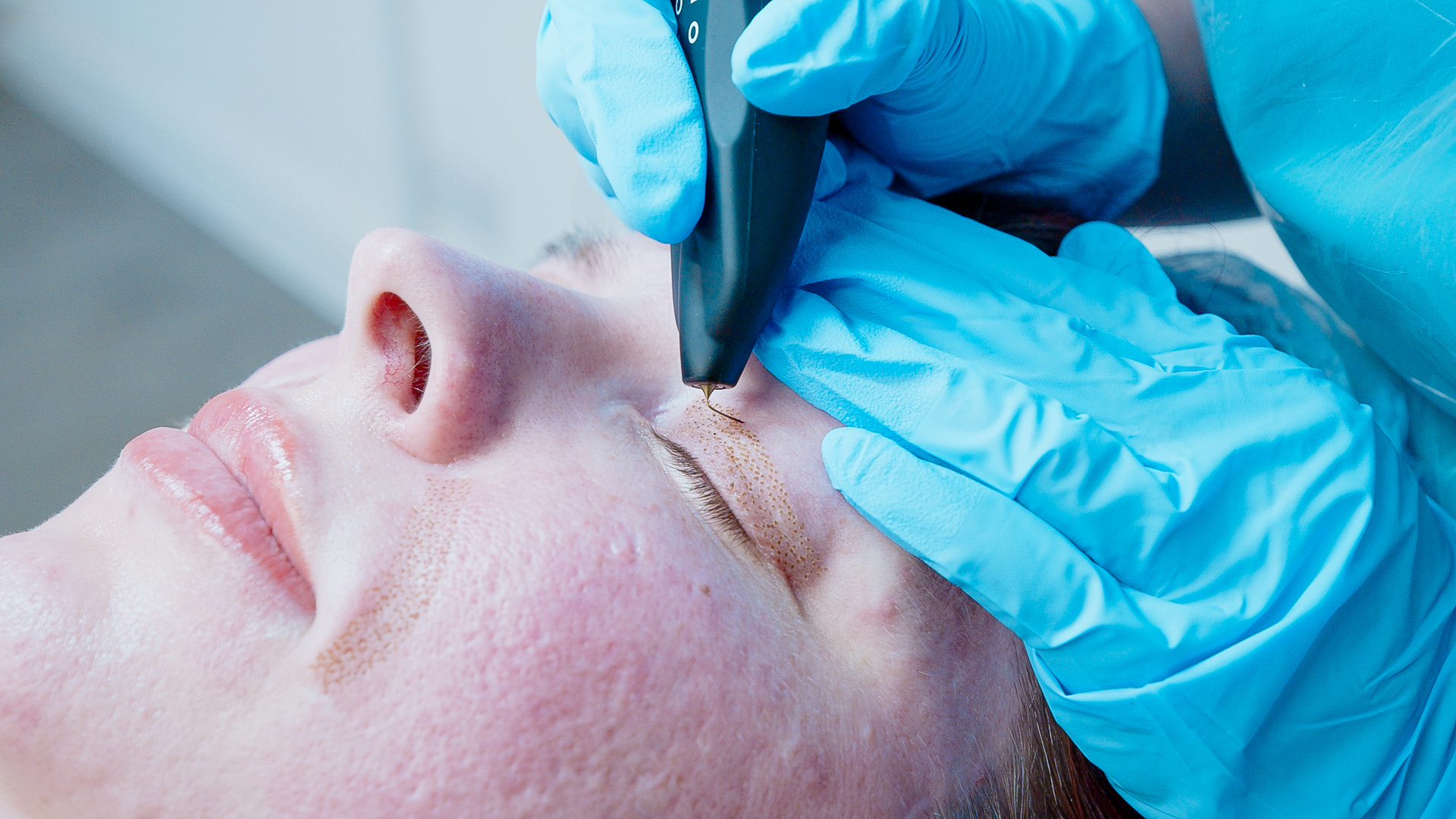
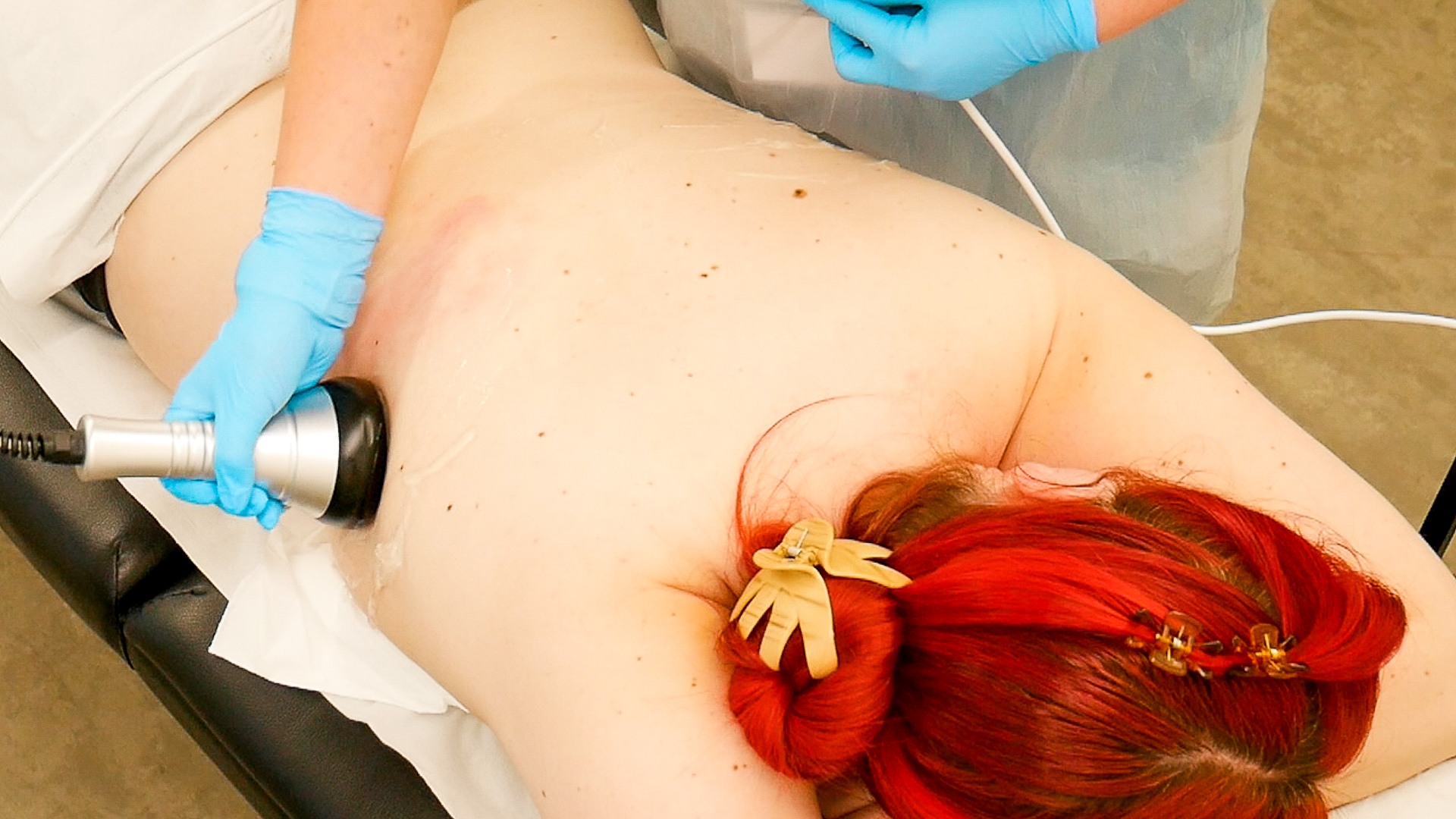




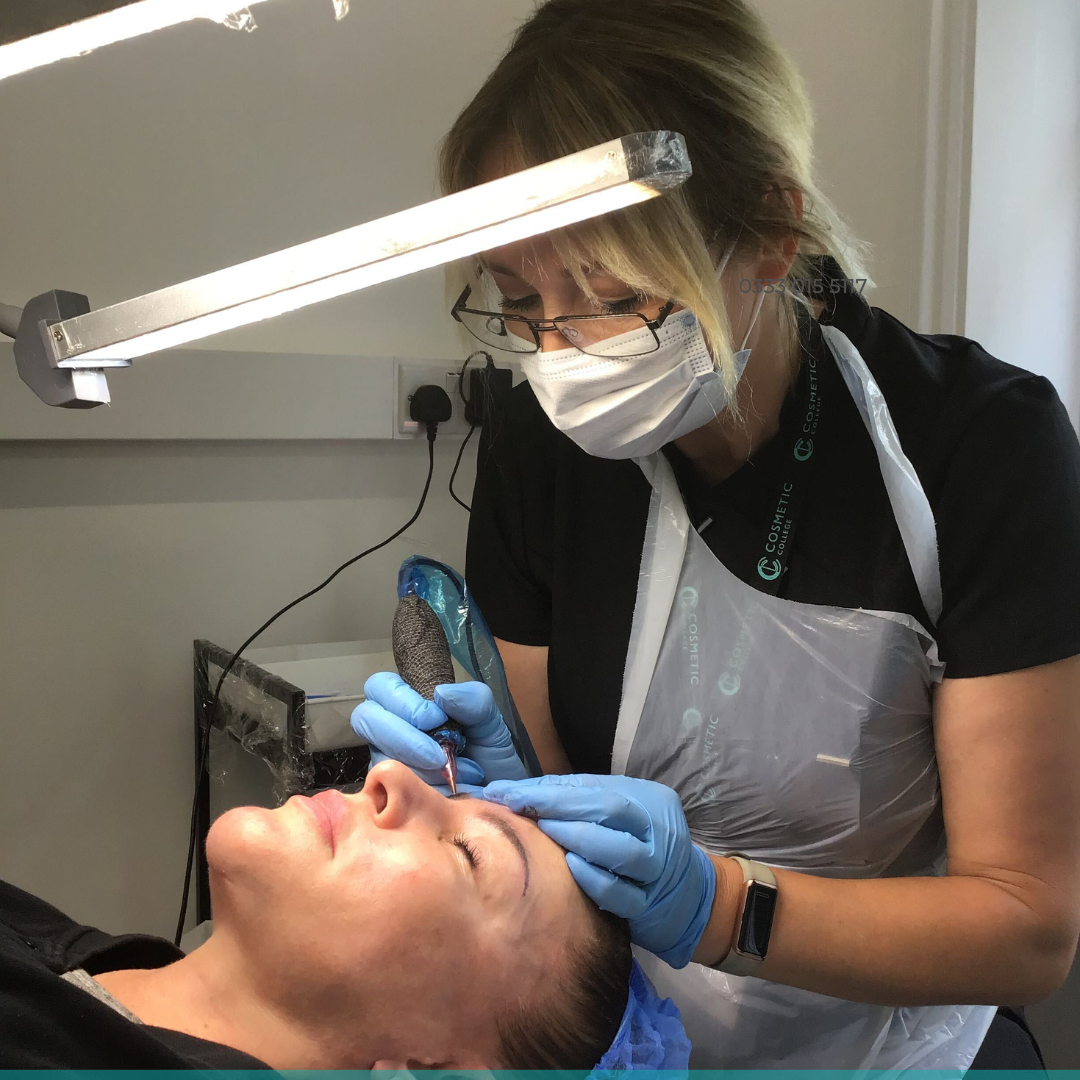
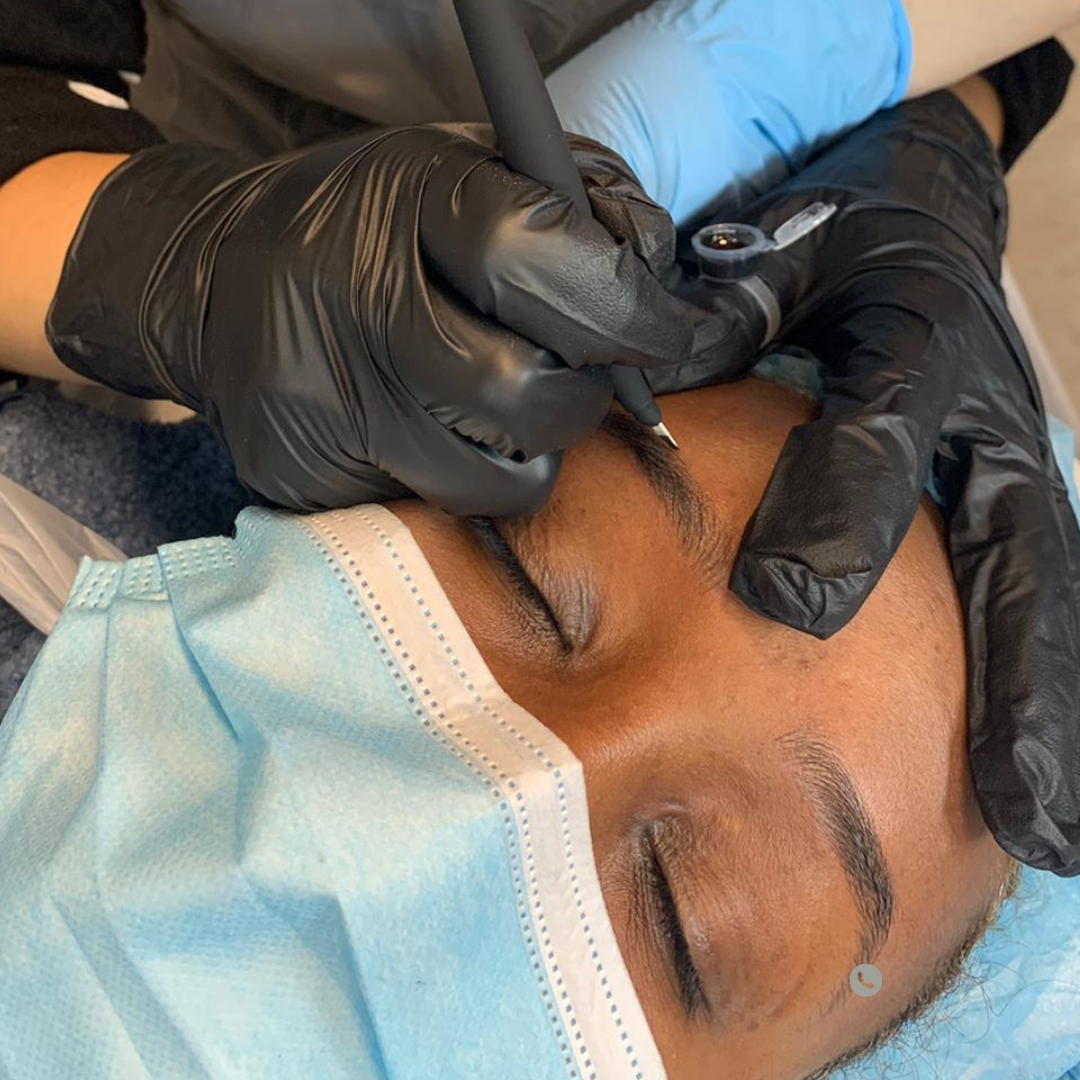
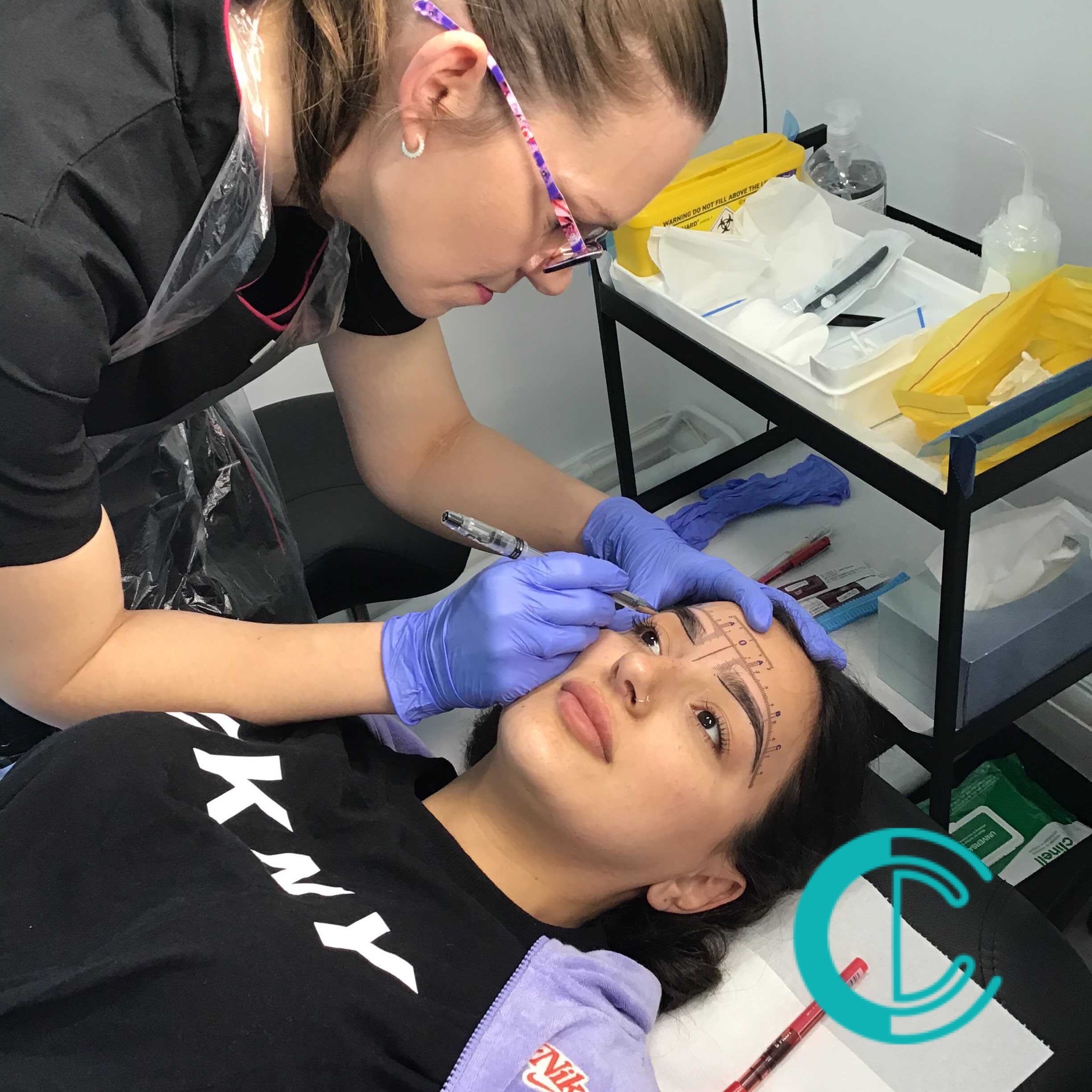
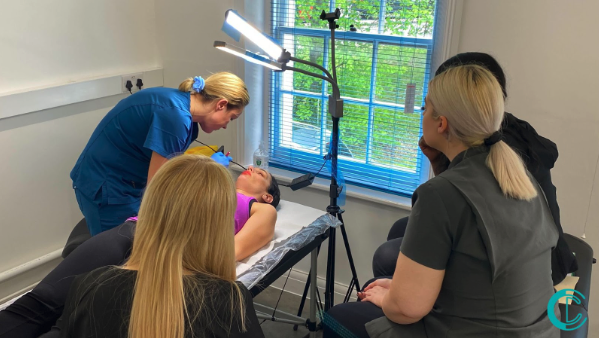
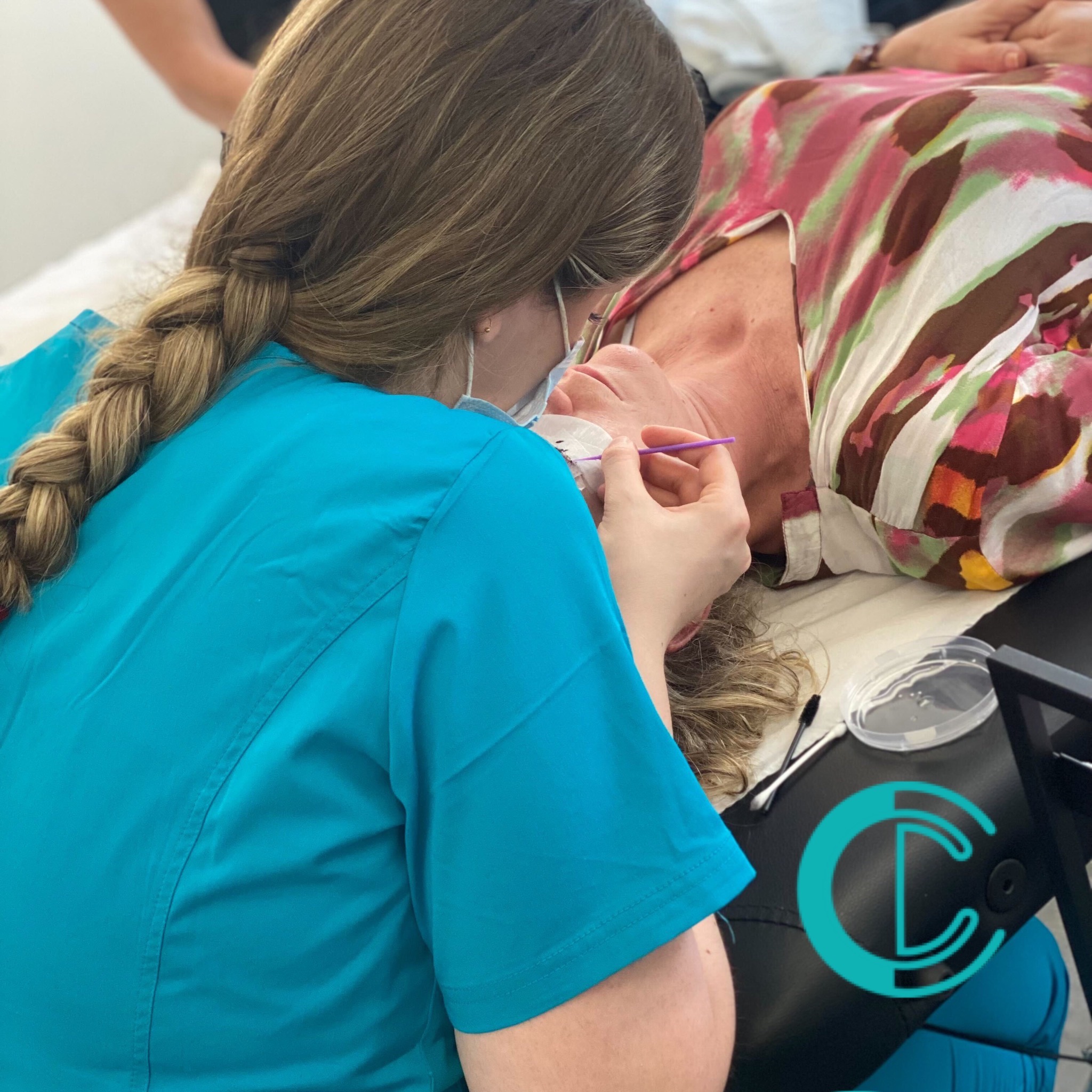


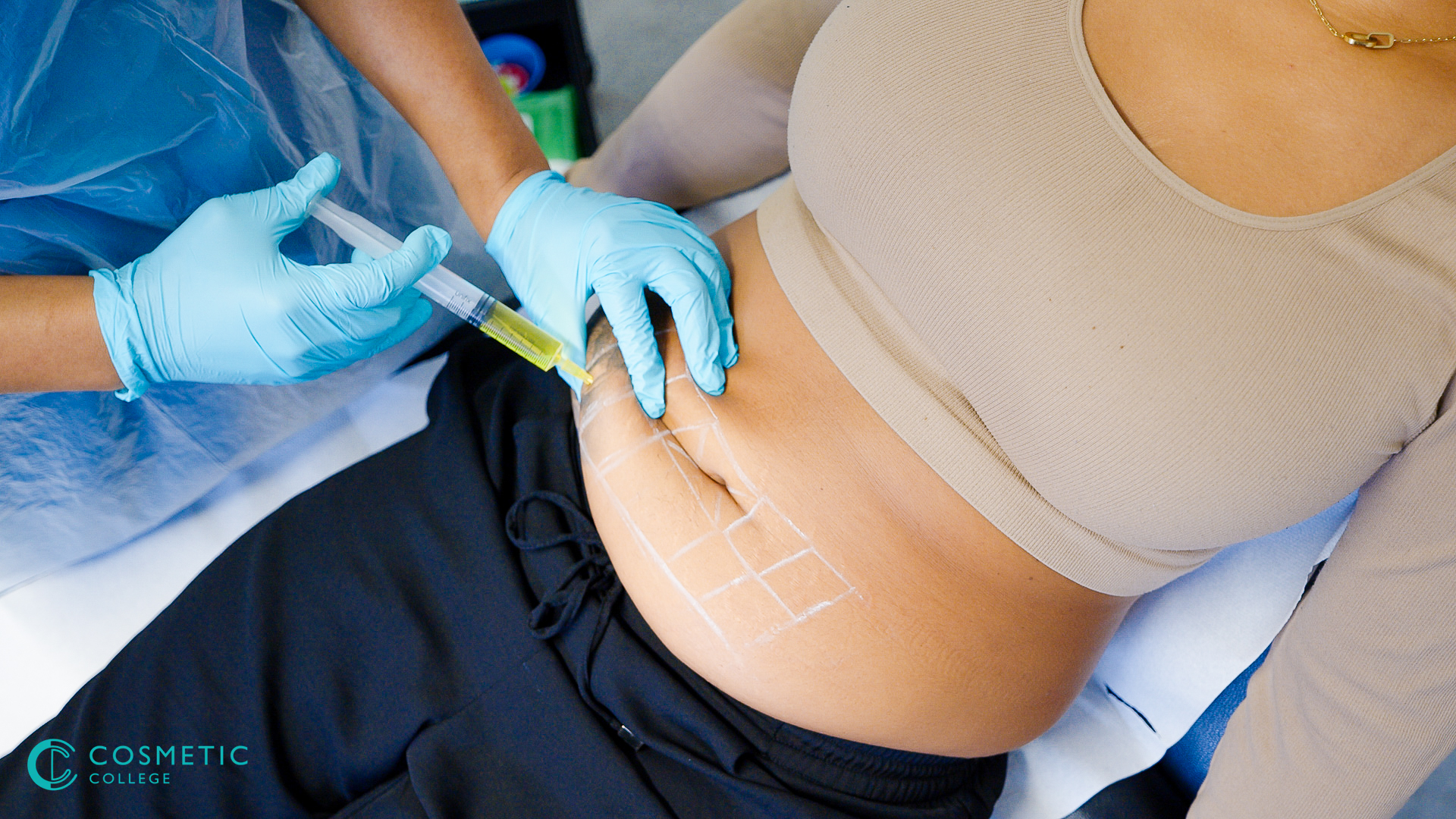
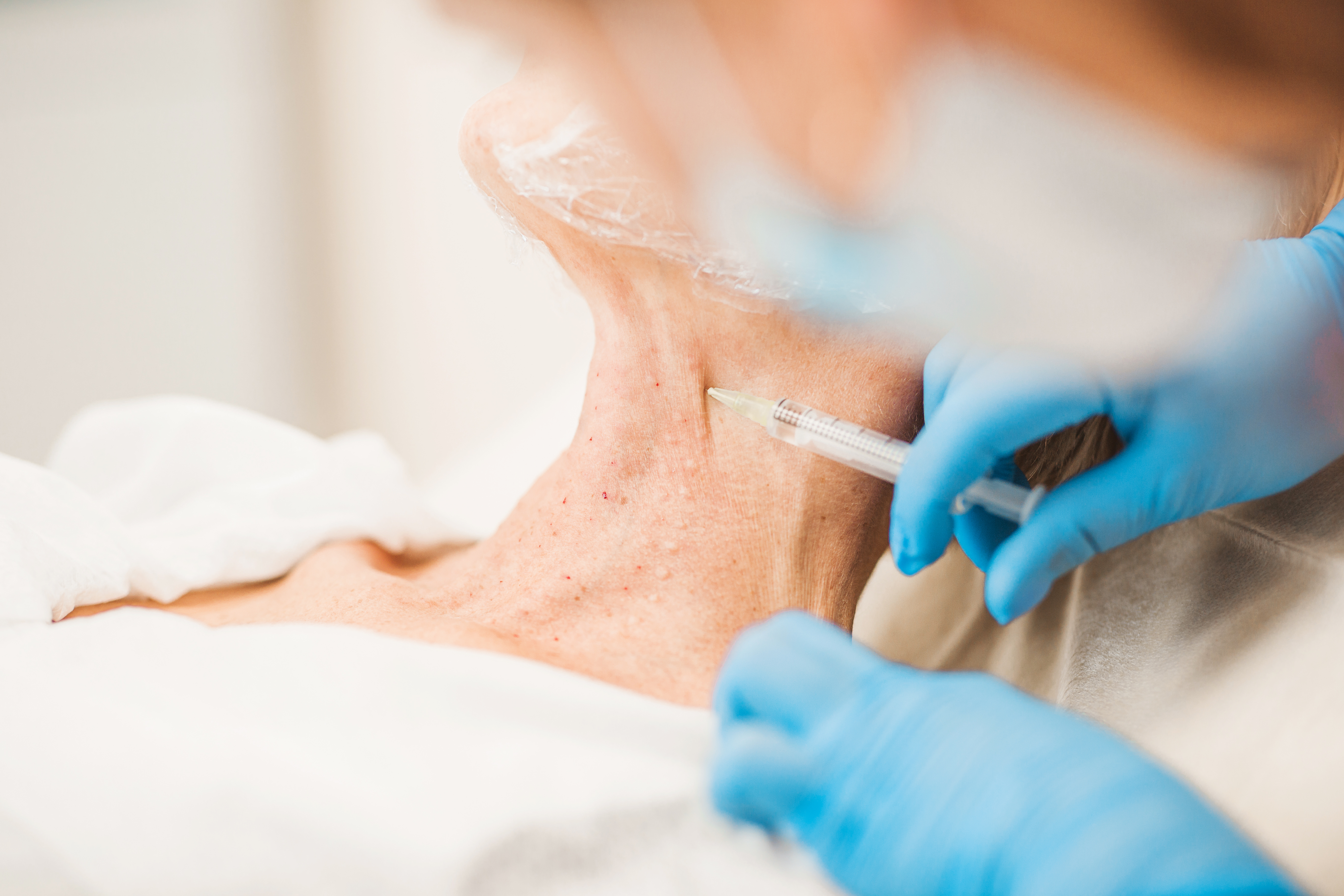



If you are comparing aesthetics training london, route quality matters more than volume of options. Choose Ofqual-regulated, accredited aesthetics training UK pathways to ensure compliance with upcoming regulatory standards.
London offers broad training choice, but stronger outcomes usually come from a clear progression plan, realistic scheduling, and VTCT-backed qualifications aligned with industry standards.
What to evaluate first in London training options
Use these criteria:
- Route clarity from entry to advanced practice
- Practical supervision and assessment standards
- Progression pathways into higher-value services
- Course timing aligned to your workload
Start by comparing all aesthetics courses, VTCT routes, and aesthetics pathways.
Training route by career objective
| Career objective | Priority route question |
|---|---|
| Beginner entry | Which foundation route gives stable progression? |
| Skin specialist growth | Which sequence supports advanced skin services? |
| Laser expansion | Which route supports compliant laser progression? |
| Injectable progression | What prerequisites and next-level options apply? |
To plan date availability, use the training course calendar.
London-specific planning considerations
- Commute and timetable consistency across practical sessions
- Capacity planning around work and client obligations
- Budget pacing for staged progression, not single-step decisions
- Early admissions guidance to avoid misaligned enrolment
For route support, book a callback.
London market opportunity
London represents one of the UK's most lucrative aesthetics markets, driven by high client density, competitive pricing power, and demand for advanced treatments. Understanding the market conditions helps you align your training pathway with realistic earning potential.
Treatment Pricing in London vs UK Average: London practitioners command 20-30% premium pricing compared to regional averages. Typical London rates include: chemical peels £120-£200 (vs £80-£150 nationally), microneedling £200-£350 (vs £150-£250), laser hair removal £50-£150/area (market rate), dermal fillers £250-£400 per syringe (vs £200-£300), botulinum toxin £150-£300/area (vs £120-£250), and tattoo removal £120-£250/session. This pricing premium reflects London's cost of living, client demographics, and competitive market.
Clinic Density and Competition: London has 1,200+ aesthetics clinics, beauty salons, and independent practitioners. This means strong competition but also consistent client demand. Your positioning matters - generalist facials (Level 3-4) face high competition; specialised services (Level 5-7 injectables, advanced skin procedures, complications management) have higher margins and lower competition.
Client Demographics and Demand: London clients are typically higher earners with disposable income for premium treatments. Average client age is 28-55, with strong demand for preventative treatments (anti-wrinkle, early injectables) and corrective services (scar revision, skin damage repair). Repeat treatment rates are high - most clients return every 4-8 weeks for maintenance.
Earning Reality by Service Type:
- Facials and basic skin treatments (Level 3-4): High volume, lower margin. Average full-time practitioner: £35,000-£50,000/year.
- Advanced skin procedures (Level 5): Medium volume, moderate margin. Average: £50,000-£75,000/year.
- Injectables (Level 7): Lower volume, highest margin. Average: £75,000-£120,000+/year depending on client base maturity.
What training in London looks like
London's training infrastructure is mature with multiple delivery models. Understanding your options helps you choose a pathway that fits your lifestyle and learning style.
Practical Training Centres: Most VTCT Level 3-7 courses are delivered in dedicated training clinics with live treatment rooms, anatomical models, and supervised practice. London-based centres typically operate in Central London (Zone 1), South London (Zone 2), or accessible hubs, with multiple start dates throughout the year. Practical sessions usually require 1-3 days per week in-person attendance.
Live Model Availability: VTCT courses, especially Level 4-7, require live model training where you practice on real clients under supervision. London has strong live model networks - many courses use pre-recruited models, or you may bring clients. This is essential for injectable training (Level 7) and advanced skin procedures.
Blended Learning Schedule: Most accredited courses combine online theory (self-paced, 60-70% of content) with in-person practical days (weekly or block-scheduled). This suits London professionals who can't commit to full-time attendance. For example: Level 3 (4-6 weeks) might be 2 days/week in-person plus 8-10 hours/week online; Level 7 (6-12 months) might be 1-2 days/week plus weekend intensives.
Commuting Considerations: Central London training centres are accessible via public transport, but commute time varies by location. Zone 1-2 centres are practical for most London practitioners. Some providers offer evening/weekend sessions to accommodate working aestheticians. Consider commute time in your budget - transport costs vary from £60-£150/month depending on zone and distance.
Treatment Pricing for Practice: Once trained, London practitioners can command higher treatment fees than regional colleagues. This premium revenue helps cover higher operating costs (clinic rent, equipment, staff) and accelerates the return on training investment. For example, a Level 4 practitioner in London might charge £150 for a facial vs £100 regionally, generating 50% more annual revenue on identical client volumes.
London earning potential by level
These figures reflect realistic earning ranges for London practitioners and factor in the 20-30% London premium over national averages.
| Stage | Qualification | Experience | Typical London Annual Earnings |
|---|---|---|---|
| Foundation | Level 3 | 0-12 months | £35,000-£55,000 (part-time) / £45,000-£65,000 (full-time) |
| Growth Phase 1 | Level 4 | 12-24 months | £55,000-£75,000 (developing client base) |
| Growth Phase 2 | Level 5 | 24-36 months | £60,000-£90,000 (established services) |
| Advanced | Level 7 | 36+ months | £90,000-£150,000+ (mature injectable practice) |
Year 1 Reality: Most London practitioners in their first year generate £20,000-£45,000 part-time (working 15-25 hours/week while building client base). Full-time commitment reaches £45,000-£65,000 by end of year 1 with consistent marketing and referral generation.
Building to £75,000+: Reaching six-figure income typically requires:
- Diversified service menu (Level 4-5 skin treatments + Level 7 injectables)
- 24+ months of client base development
- High repeat rate (70-80% of revenue from existing clients)
- Strong online presence and referral network
- Average treatment value of £150-£250 (blending facials, peels, injectables)
Pricing Strategy in London: Successfully positioning yourself in London's competitive market requires differentiation. Compete on quality and specialisation rather than price. Level 7 practitioners in Zone 1-2 with strong before/after portfolios and excellent client reviews command £300-£400 for anti-wrinkle and £350-£450 for fillers.
Starting your practice in London
Three primary practice models work in London, each with different startup costs and revenue models.
Clinic Employment (Lowest startup cost):
- Work as employed aesthetician in established clinic
- Clinic provides treatment room, equipment, products
- Initial investment: Professional indemnity insurance (£100-£300/year), uniform/branding, CPD
- Typical salary: £28,000-£45,000 + commission (20-50% of treatment revenue above base salary)
- Advantages: Stable base income, client flow, mentorship, equipment access
- Disadvantages: Limited pricing control, split revenue, schedule constraints
- Startup cost: £500-£2,000 (insurance, professional registration, basic equipment)
Clinic Rental / Chair Rent (Medium startup cost):
- Rent treatment space (1-3 days/week) from established clinic or salon
- You provide consumables, market your services, set own pricing
- Rent cost: £300-£800/week (Central London) or £150-£400/week (Zone 2)
- Initial investment: First 4-8 weeks rent (£600-£6,400), insurance, products, equipment
- Typical revenue needed: £3,000-£5,000/month to cover rent and operating costs and profit
- Advantages: Full pricing control, schedule flexibility, builds your brand
- Disadvantages: Variable rent costs, must generate own client flow, responsible for all compliance
- Startup cost: £3,000-£8,000 (rent deposit + 4 weeks advance + insurance + initial consumables)
Mobile or Home-Based Practice (Medium-high startup cost):
- Operate from home salon (if permitted) or mobile service (client homes/offices)
- Must comply with Home and Care Act 2022 regulations and local council licensing
- Equipment needs: Portable facial bed (£200-£500), mobile treatment bag (£100-£300), insurance (£150-£400/year as mobile practitioner)
- Initial investment: Home salon setup (£2,000-£10,000) or mobile gear (£1,000-£3,000), insurance
- Typical revenue: £2,000-£4,000/month depending on client base and treatment volume
- Advantages: Low fixed costs, high margins, flexible scheduling
- Disadvantages: Limited treatment scope (no laser/IPL usually), regulatory uncertainty, client acquisition harder
- Startup cost: £3,000-£13,000 (setup + equipment + insurance)
Recommendation for London: Most starting practitioners begin with clinic employment (Level 3-4) to build client base and confidence, then transition to chair rent (Level 5) or clinic ownership (Level 7) after 18-24 months. This staged approach reduces financial risk and ensures you have a reliable income stream while marketing your services.
Related guides for London-based learners
- Aesthetics Training UK Complete Guide - Understand qualification options beyond London
- Aesthetics Course for Beginners UK - Entry pathways for beginners in London
- Level 3 to Level 7 Building Your Career Guide - Complete progression pathway
- How to Start a Career in Aesthetics UK - First-year action plan for London practitioners
FAQ
Is London the best place to train in aesthetics?
London offers broad options and the strongest earning potential (20-30% premium over national average), but best fit depends on your route goals and progression plan. If you're aiming for six-figure income and advanced injectables practice, London's client density and pricing power make it ideal. If you prefer slower-paced practice or have limited capital, regional markets may be less competitive. London is also home to the most advanced training facilities, live model access, and continuing education networks - important if you're serious about becoming an expert practitioner.
Should I choose by proximity only?
No. Prioritise pathway quality, supervision standards, and progression support. Commuting 45 minutes for excellent VTCT Level 7 training with live model access is better than choosing a local provider with poor assessments. However, if course timing requires multiple days/week attendance, factor commute time into your schedule feasibility. Zone 1-2 London training centres are accessible via public transport; verify exact locations and travel times before enrolling.
How do I compare training providers quickly?
Use one scoring framework and compare route clarity, practical depth, and schedule fit. Specifically: (1) Does the provider offer clear progression from Level 3 to 7? (2) Are practical sessions tutor-supervised with live model training? (3) Do course times fit your work schedule (evening/weekend options)? (4) What's the London track record - do graduates find jobs/clients easily? (5) Are payment plans available? Providers offering free admissions consultations are worth comparing; they should help you align training with your London-specific market.
Can I combine London training with full-time work?
Often yes, if course timing is planned early. Most VTCT courses are 1-3 days/week in-person with flexible online completion. Many London training providers offer evening (6pm-9pm) and Saturday sessions specifically for working professionals. However, Level 7 Diploma often requires more intensive blocks (2-3 consecutive days monthly). Discuss workload compatibility with admissions before enrolling - they can adjust scheduling if your employer permits flexible hours.
Should I decide route before checking dates?
Yes. Set route first, then confirm date feasibility to avoid poor sequencing. For example, if you want Level 3→4→5 (9-12 weeks per level), you need 27-36 weeks. London providers typically have multiple start dates, but booking strategically ensures you can complete one level before starting the next without gaps. Check training course calendar for full-year dates and plan 12+ months in advance for Level 7 Diploma slots.
What is the next step?
Shortlist routes, check training course calendar for London class times, and request a callback. Specifically: (1) Use the best aesthetic course quiz to clarify your goal (facials/laser/injectables); (2) Map your 12-24 month pathway; (3) Check course dates in London zones you can access; (4) Contact admissions with your target start date and discuss finance options; (5) Book a callback to validate route fit before committing.
What if I'm a complete beginner in London?
Start with Aesthetics Course for Beginners UK and Aesthetics Training Finance Guide to understand London-specific scheduling and budget options. Key points: (1) Begin with Level 3 (4-6 weeks) in your first quarter to establish foundations; (2) Budget £1,500-£2,500 for Level 3 + £100-£300 insurance + £300-£1,000 basic equipment; (3) Plan to earn back training investment in months 6-12 through client revenue; (4) Decide practice model (employment vs. chair rent vs. mobile) by month 6 to align with Level 4 progression.
How much should I expect to earn as a London practitioner?
Year 1 (Level 3): £35,000-£65,000 depending on hours worked (part-time vs. full-time) and client acquisition. Year 2 (Level 4): £55,000-£75,000 as client base grows and treatment scope expands. Year 3+ (Level 5-7): £60,000-£150,000+ depending on specialisation and business model. These figures assume consistent marketing (£200-£500/month), repeat client rate of 60-70%, and London market rates. Level 7 injectables practitioners with mature practices reach £100,000+ by year 3-4.
What's the difference between employed, chair rent, and independent practice in London?
Employed (clinic): Salary £28,000-£45,000 + 20-50% commission on treatments, low startup cost (£500-£2,000), stable income, no marketing responsibility. Chair rent: Rent space at £300-£800/week, set own prices, full revenue minus rent and consumables, requires client acquisition skills, startup £3,000-£8,000. Independent: Home or mobile practice, lowest fixed costs (£1,000-£3,000/year rent), highest margins (70-80%), but limited treatment scope and regulatory uncertainty. Best choice: Start employed or chair rent to build client base, transition to independent after 24-36 months when you have 30-50 regular clients.
Should I train in London or elsewhere?
Training quality matters more than location. If the best VTCT Level 7 provider is in Manchester but you live in London, the commute might be justified for superior training. However, London-based training offers advantages: established live model networks, higher client density for portfolio building, immediate job/chair rent opportunities, and proximity to advanced continuing education. Most London practitioners recommend London-based training for networking and client base development efficiency.
Editorial Standards
Author
Cosmetic College Editorial Team
Aesthetic Education Editorial Team
Cosmetic College specialists and admissions advisers produce this content to help learners choose regulated progression routes and make safer, better-informed training decisions.
Review cycle
Published: 5 February 2026
Last reviewed: 5 February 2026
Reading time: 10 min
Sources and References
- all aesthetics coursescosmetic.college
- VTCT routescosmetic.college
- aesthetics pathwayscosmetic.college
- training course calendarcosmetic.college
- callbackcosmetic.college
- Aesthetics Training UK Complete Guidecosmetic.college
- Aesthetics Course for Beginners UKcosmetic.college
- Level 3 to Level 7 Building Your Career Guidecosmetic.college
- How to Start a Career in Aesthetics UKcosmetic.college
- best aesthetic course quizcosmetic.college
- Aesthetics Training Finance Guidecosmetic.college