




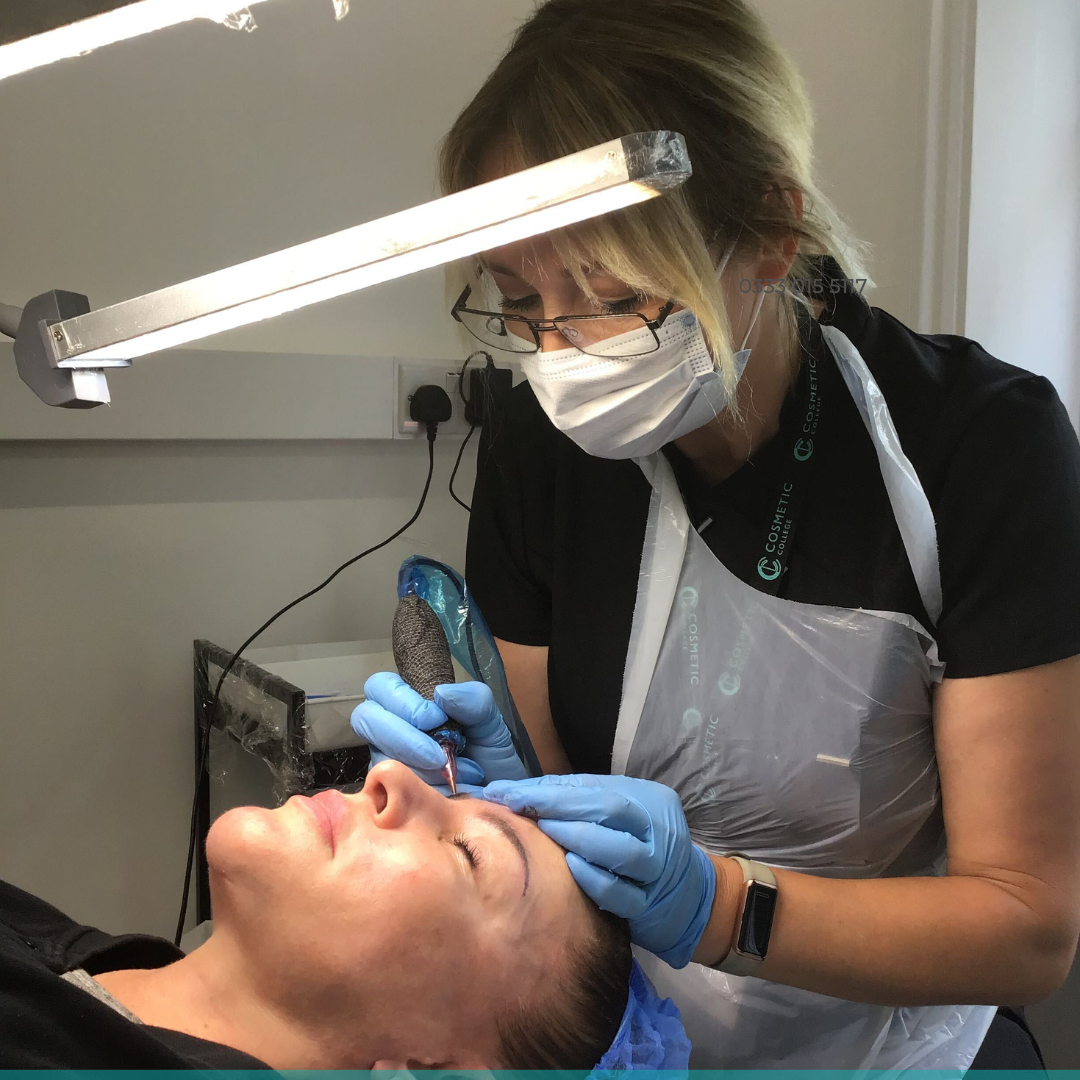
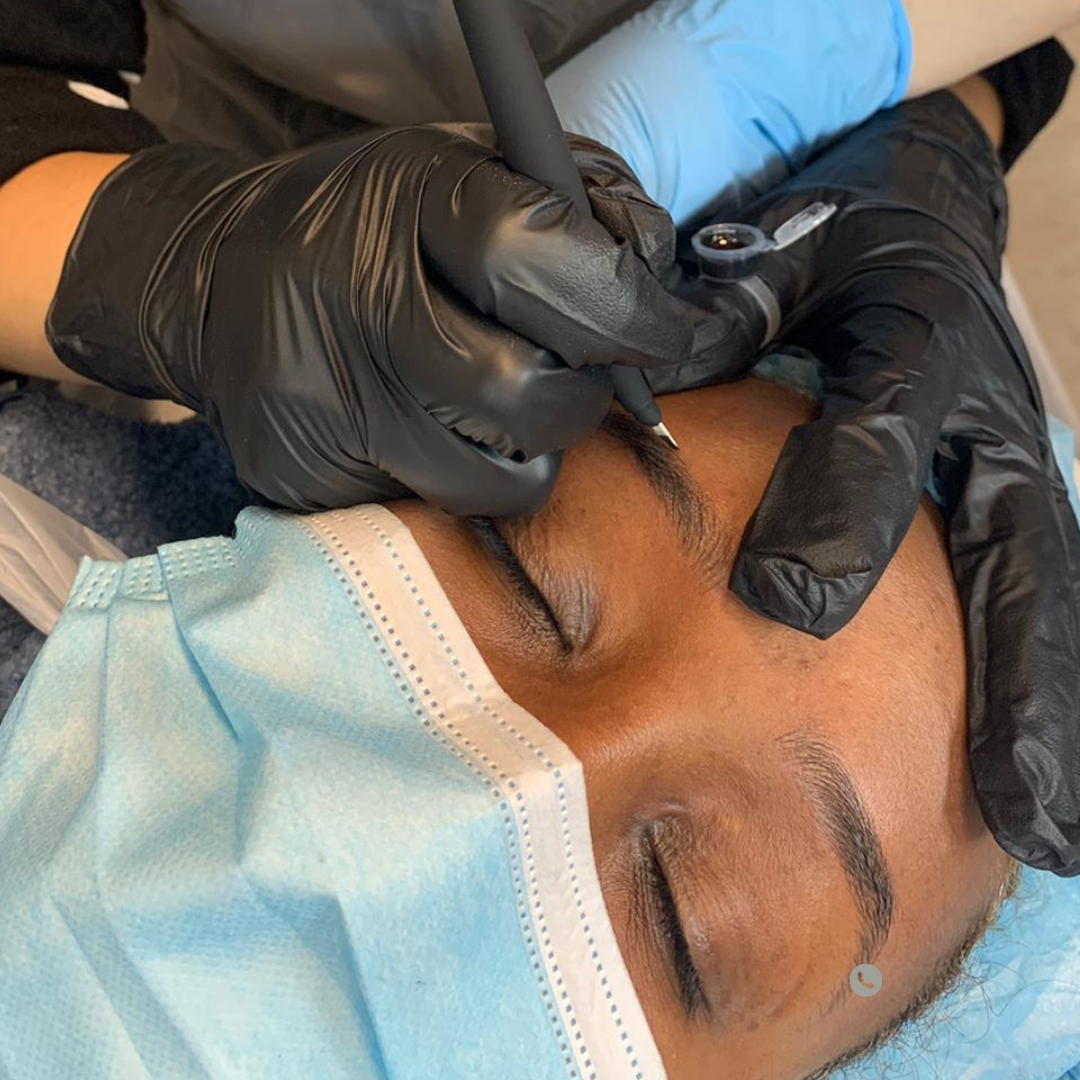
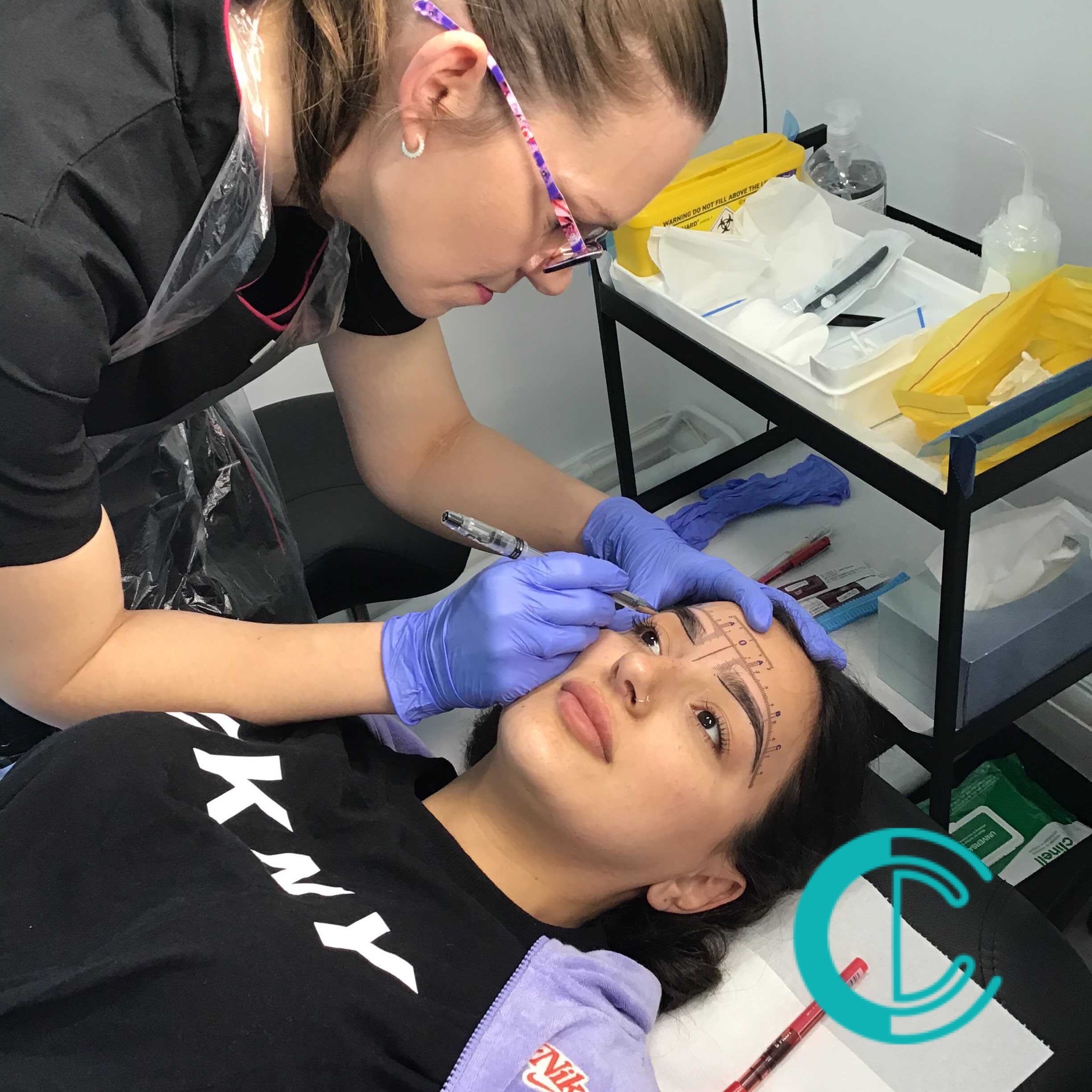
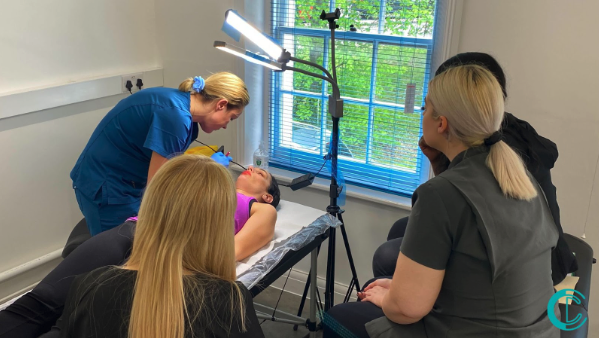





If you want a clear aesthetics career pathway uk, focus on sequence and consistency. As a regulated UK market, your progression should be built on accredited aesthetics training UK qualifications aligned with industry standards.
Most slow progress comes from route confusion. The fastest stable path is usually staged progression with practical milestones through Ofqual-regulated VTCT qualifications.
Step 1: Set your first 12-month outcome
Choose one primary outcome:
- Enter aesthetics safely as a beginner
- Add higher-value skin services
- Progress toward advanced injectable scope
Then map route options with Pathway to Aesthetics before selecting your first qualification.
Step 2: Build a staged qualification sequence
A practical sequence often includes:
| Stage | Focus | Why it matters |
|---|---|---|
| Foundation | Consultation and treatment fundamentals | Builds safe baseline competence |
| Intermediate | Advanced skin and service range growth | Expands treatment capability |
| Advanced | Injectable and specialist progression | Supports higher-value service pathways |
Compare routes across VTCT qualifications and align your plan to realistic date availability via the training calendar.
The four stages of an aesthetics career
Understanding career progression helps you set realistic goals and plan your training timeline. Most practitioners advance through four distinct stages, each with specific treatments, earning potential, and client dynamics.
Stage 1: Foundation Practitioner (Level 3, Months 1-12)
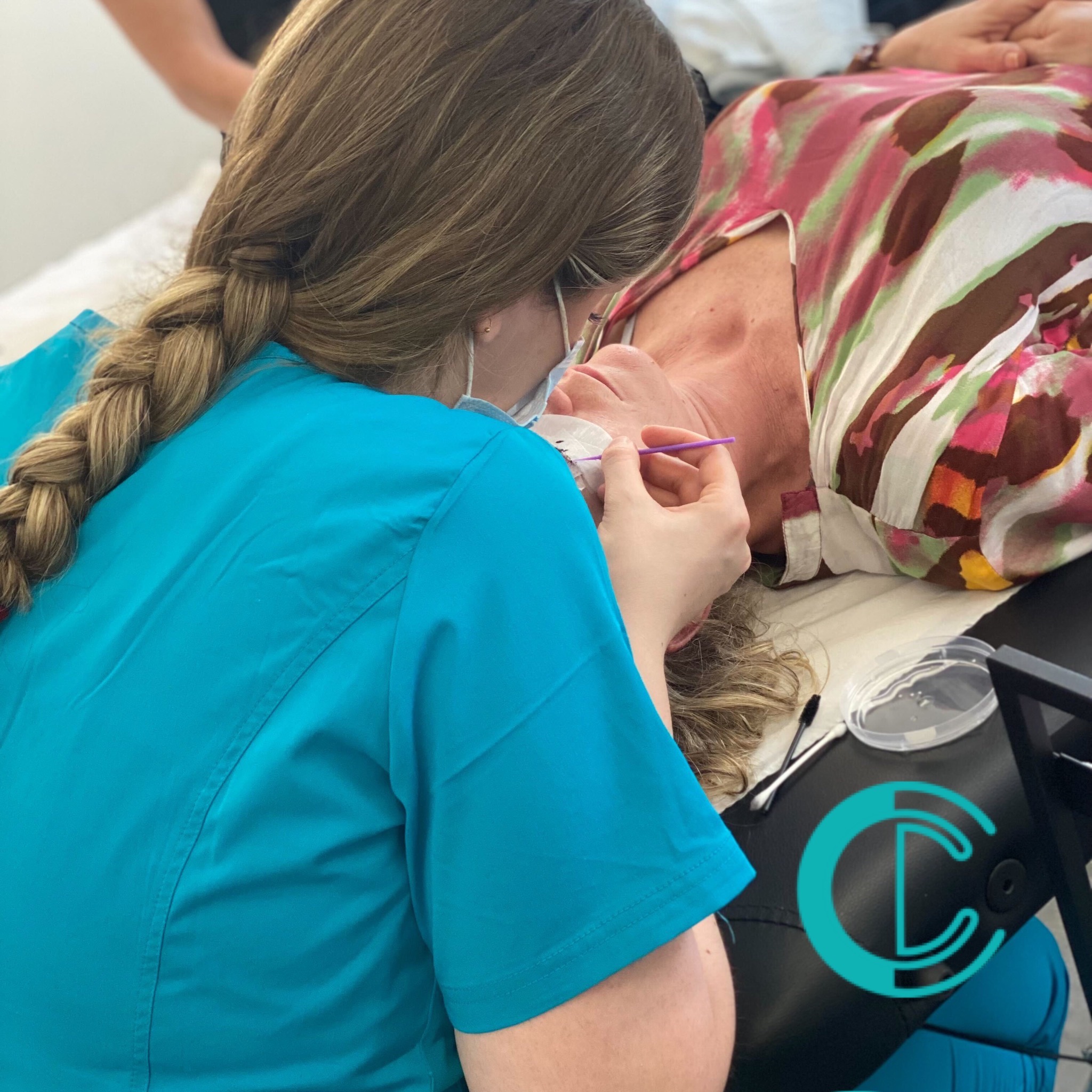
This stage establishes core competence in consultation, skin analysis, and basic treatment delivery.
- Qualification: VTCT Level 3 Access to Aesthetics (4-6 weeks intensive)
- Key Skills Developed: Professional consultation, skin type analysis, treatment planning, hygiene and sterilization protocols, client communication, facial anatomy basics
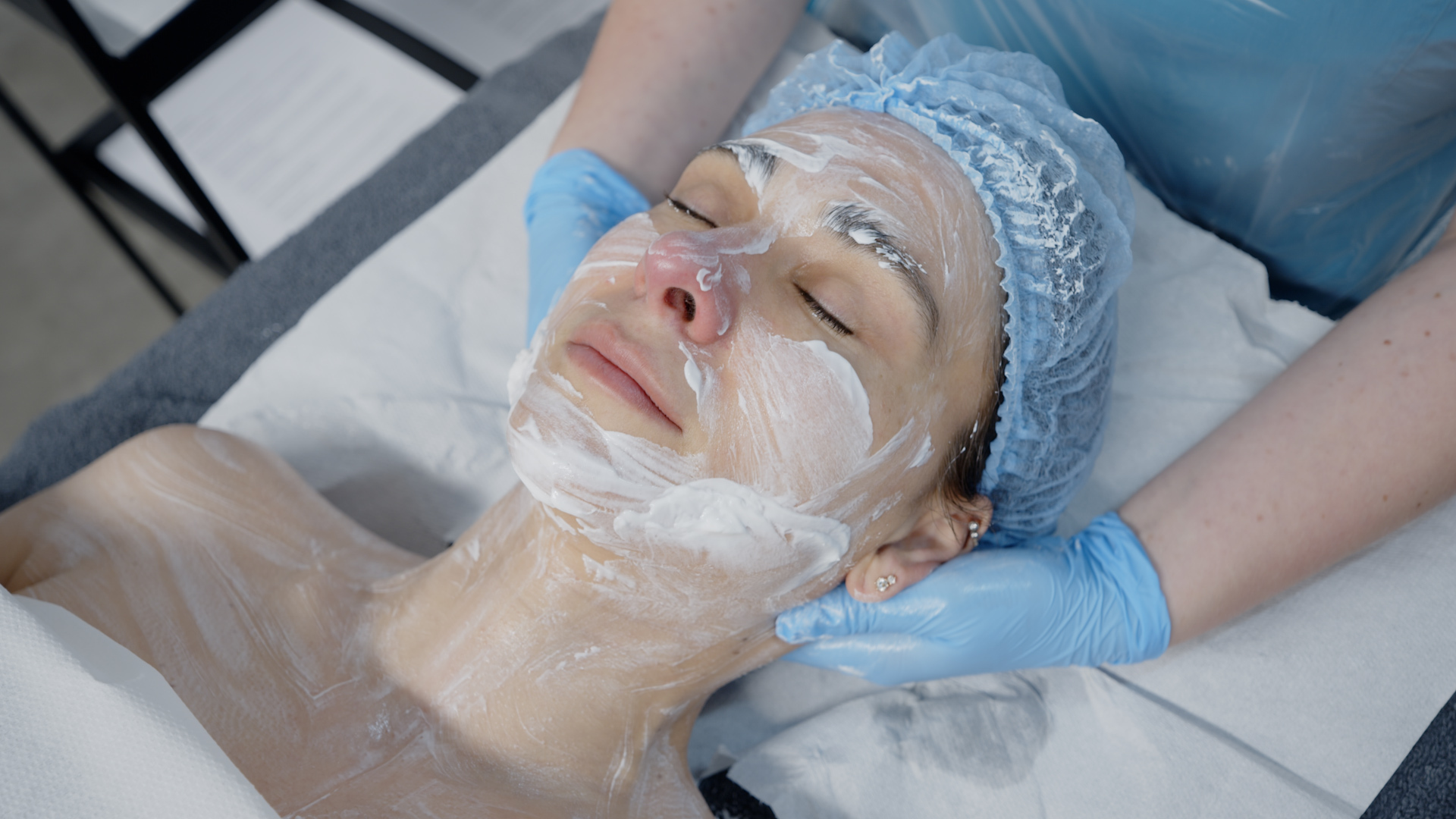
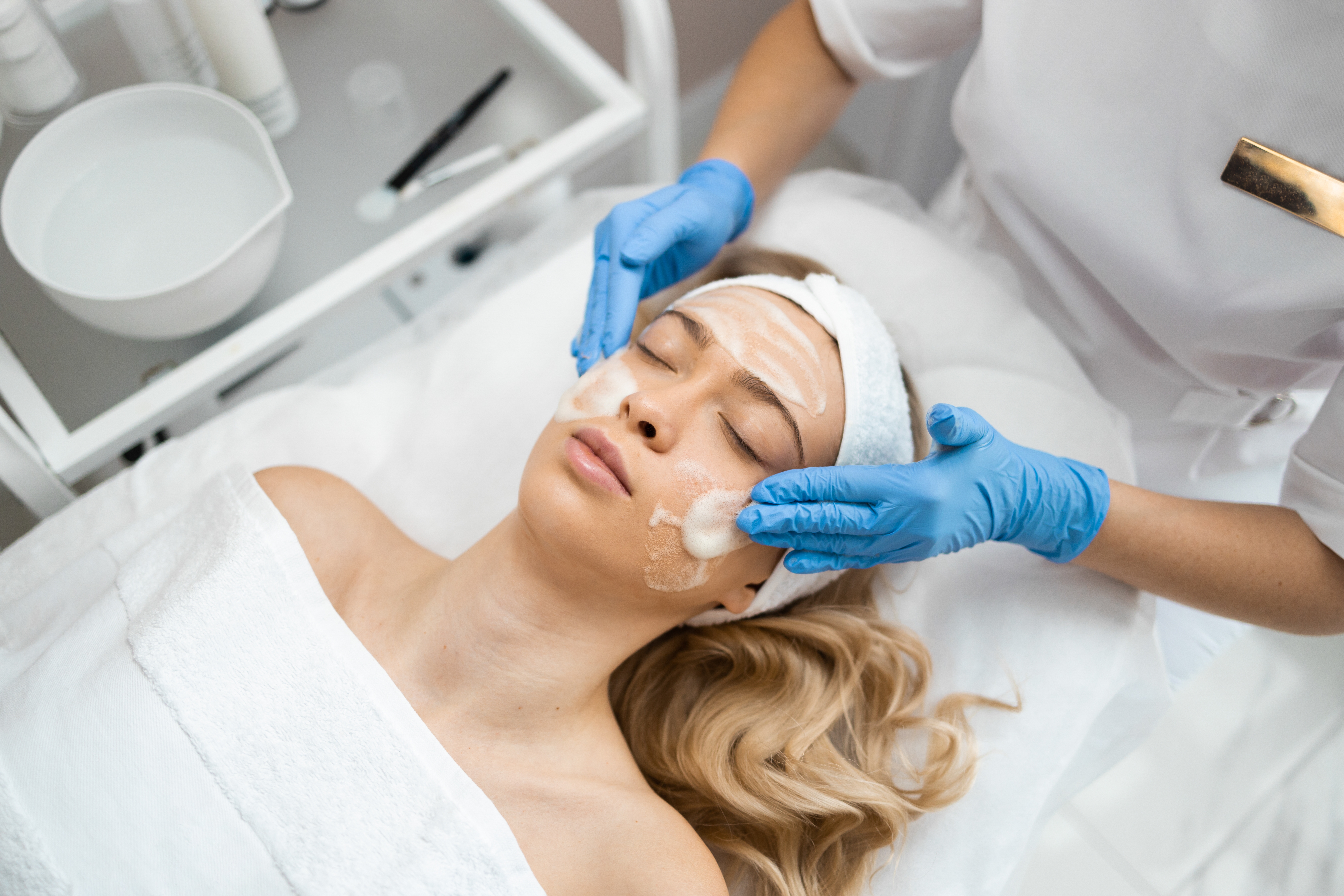
- Treatments Offered: Basic facials (hydrating, anti-aging, sensitive skin), express facials (30-45 mins), exfoliation treatments, basic extractions
- Typical Client: First-time aesthetics clients, maintenance clients, gift voucher clients
- Monthly Client Volume: 15-25 clients/month (mix of new and repeat)
- Treatment Pricing: Facials £80-£120, express treatments £40-£60
- Typical Annual Earnings: £28,000-£45,000 (full-time); £12,000-£25,000 (part-time)
- Insurance Cost: £100-£150/year
- Market Position: Broad appeal, high competition, relies on price and location
- Realistic Timeline: Months 1-12 of practice
At this stage, focus on building client confidence and your own clinical confidence rather than growing volume too quickly. Quality foundations prevent expensive mistakes later.
Stage 2: Growth Practitioner (Levels 4-5, Months 12-24)
This stage adds higher-value, more specialised treatments that command premium pricing.
- Qualifications Available: Level 4 (Laser & Advanced Facials, 8-12 weeks) and/or Level 5 (Skin Procedures, 8-12 weeks)
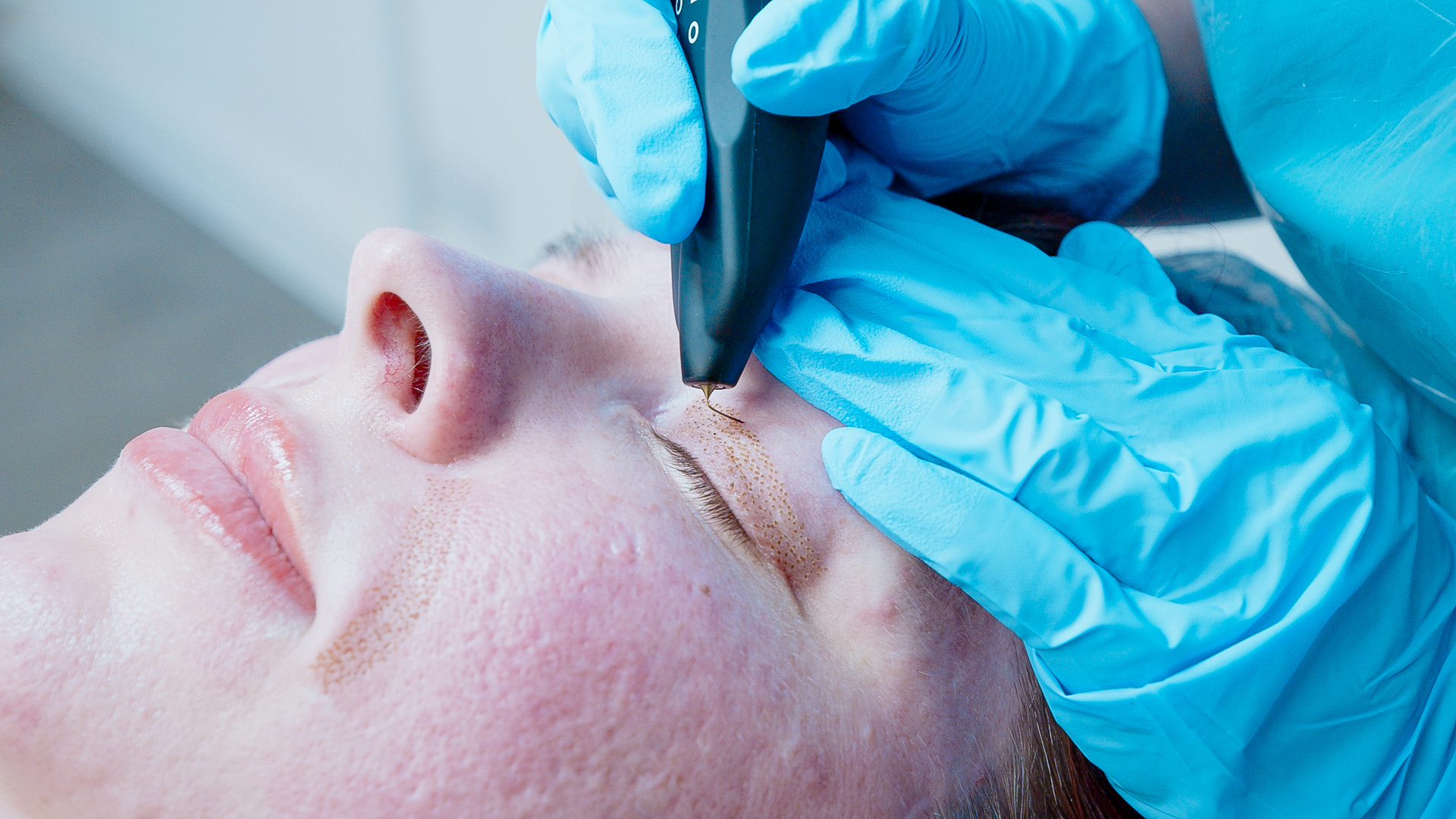
- Level 4 Focus: Laser/IPL delivery, advanced facial treatments, skin rejuvenation physics, tissue interaction, consultation refinement
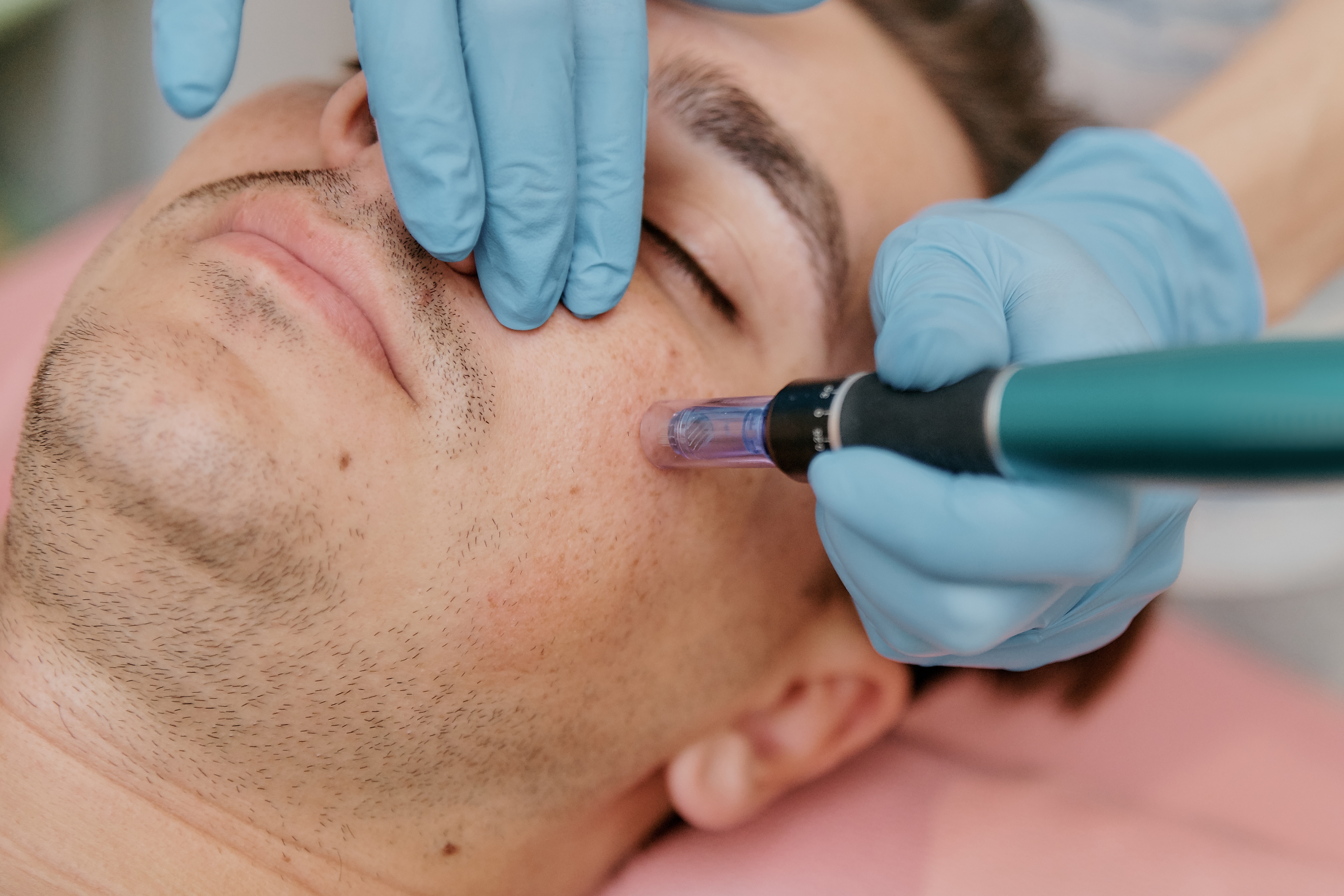
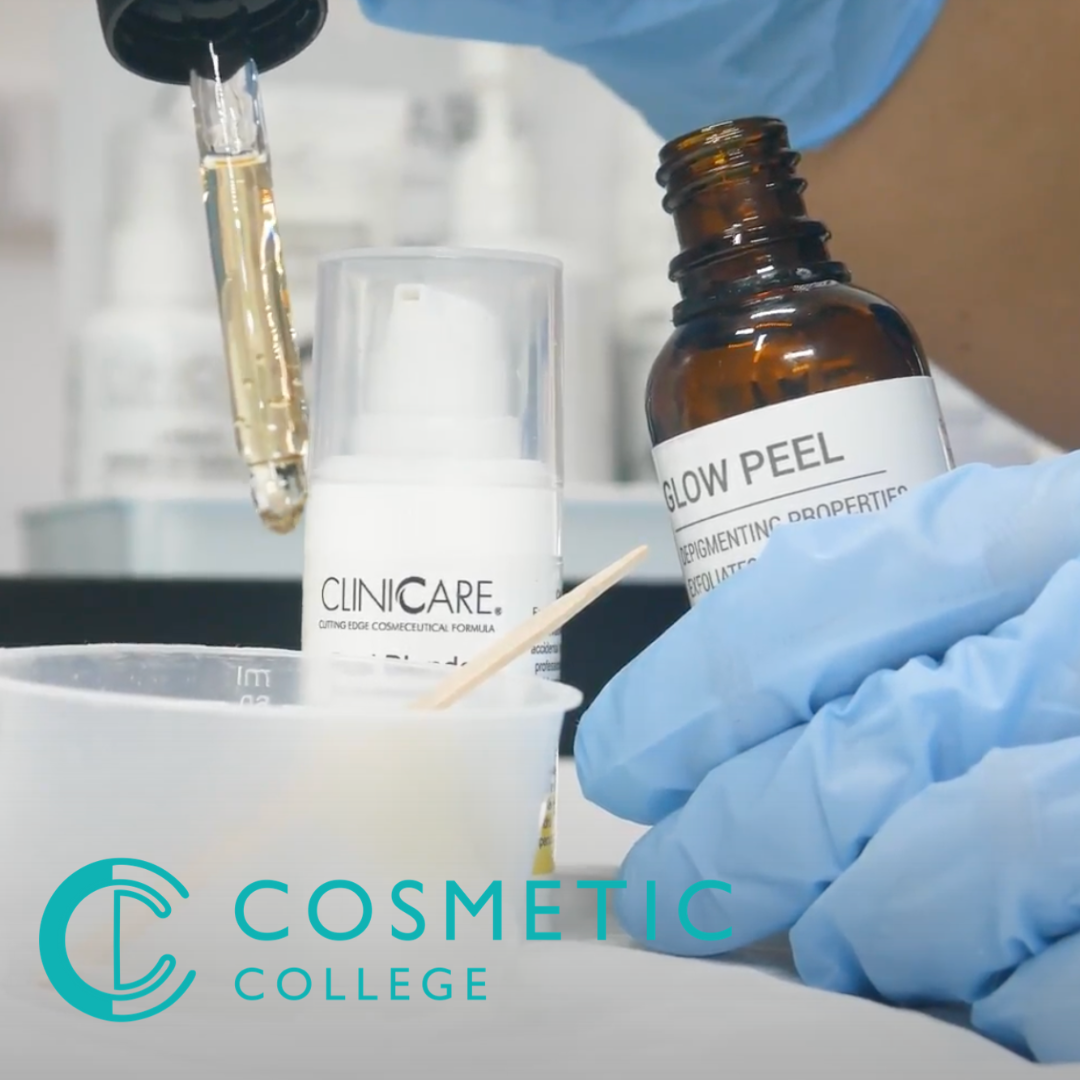
- Level 5 Focus: Microneedling, chemical peels, mesotherapy, corrective protocols, advanced healing knowledge
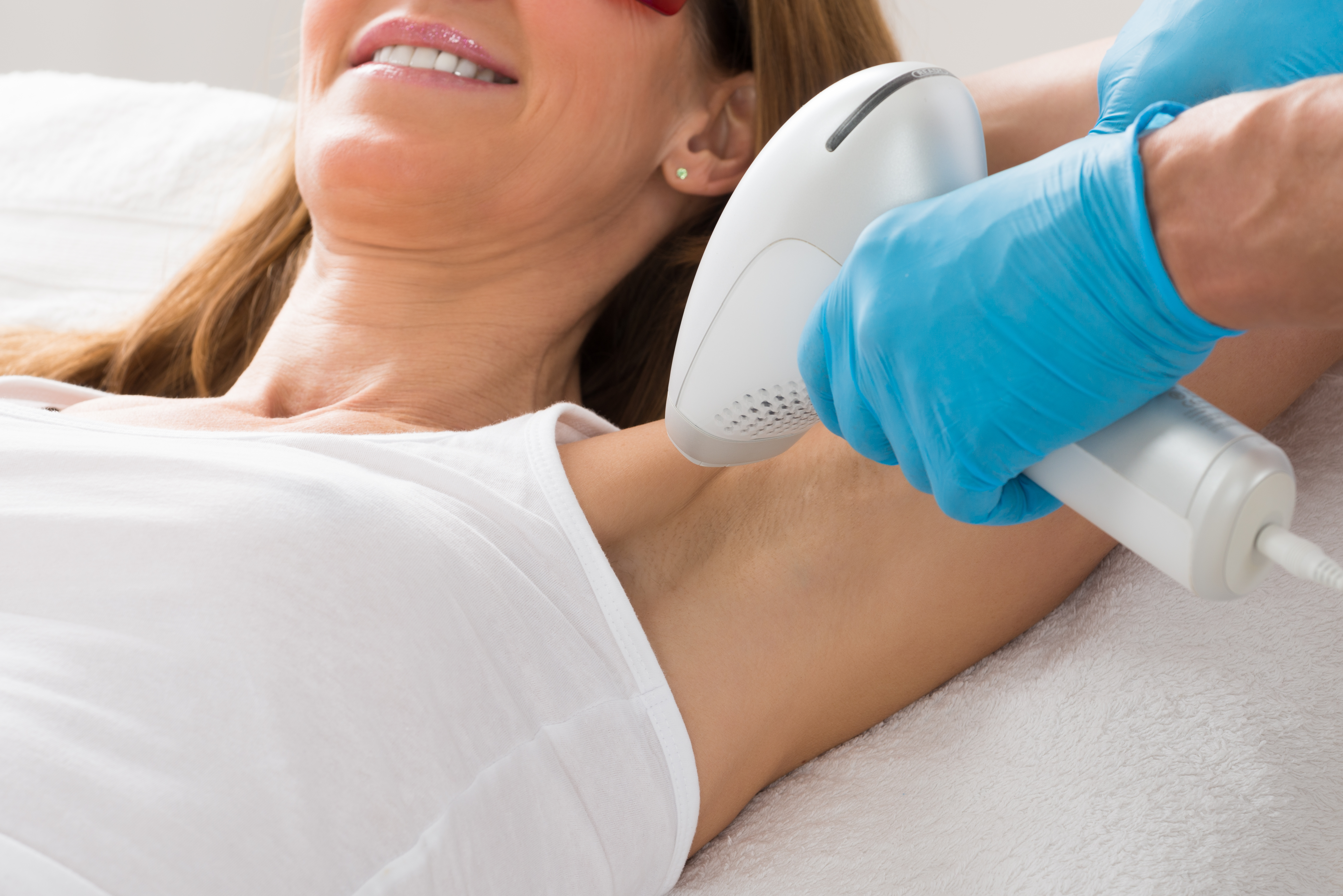
- Treatments Offered: Advanced facials with active ingredients, chemical peels (20-30% TCA, glycolic acid peels), microneedling (0.5-1.5mm), LED light therapy, laser hair removal, IPL photofacials
- Typical Client: Skin-conscious clients, those with specific concerns (pigmentation, scarring, aging), maintenance-focused professionals
- Monthly Client Volume: 20-35 clients/month (higher repeat rate, 60-70%)
- Treatment Pricing: Chemical peels £100-£200, microneedling £150-£350, laser hair removal £50-£150/area, advanced facials £120-£180
- Typical Annual Earnings: £45,000-£75,000 (full-time); £25,000-£50,000 (part-time)
- Insurance Cost: £150-£250/year (higher due to expanded scope)
- Market Position: Moderate competition, strong pricing power, attracts clients seeking results
- Realistic Timeline: Months 12-24 of practice (enrol Level 4-5 around month 7-8)
Many practitioners choose either Level 4 (laser specialist) or Level 5 (skin procedures specialist) based on market demand. Some do both for comprehensive skin expertise.
Stage 3: Advanced Practitioner (Level 7 Diploma, Months 24-36)
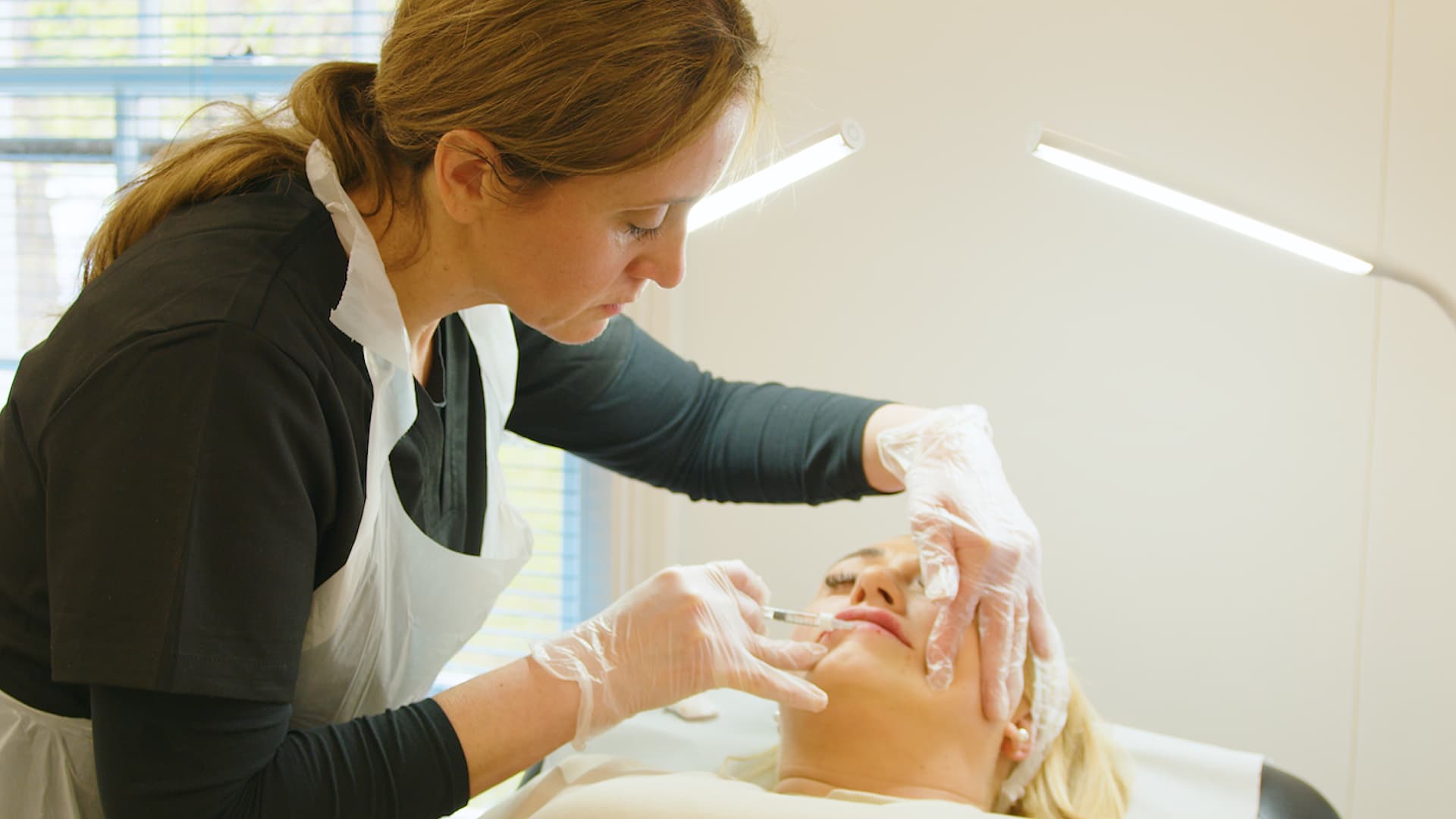
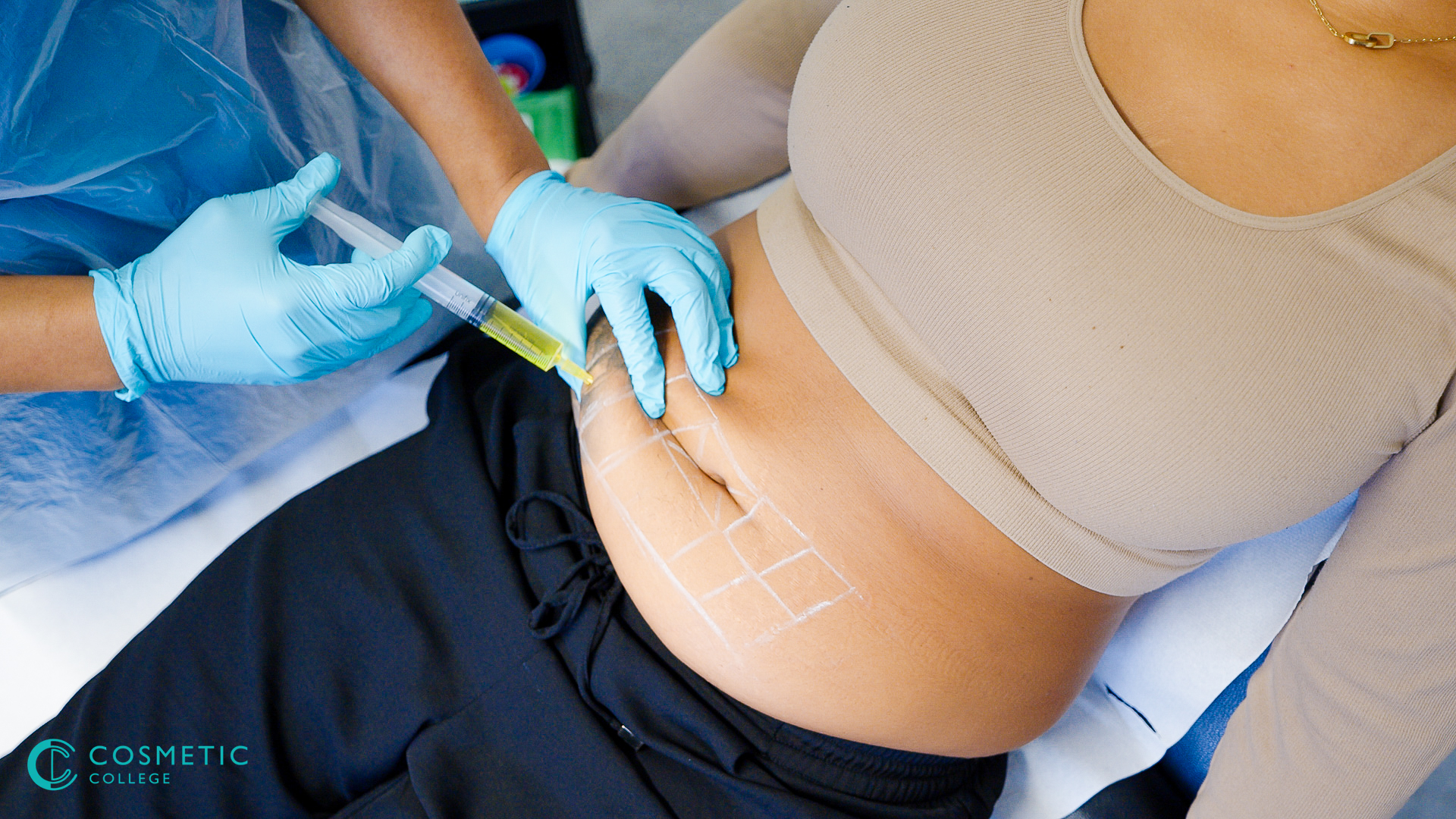
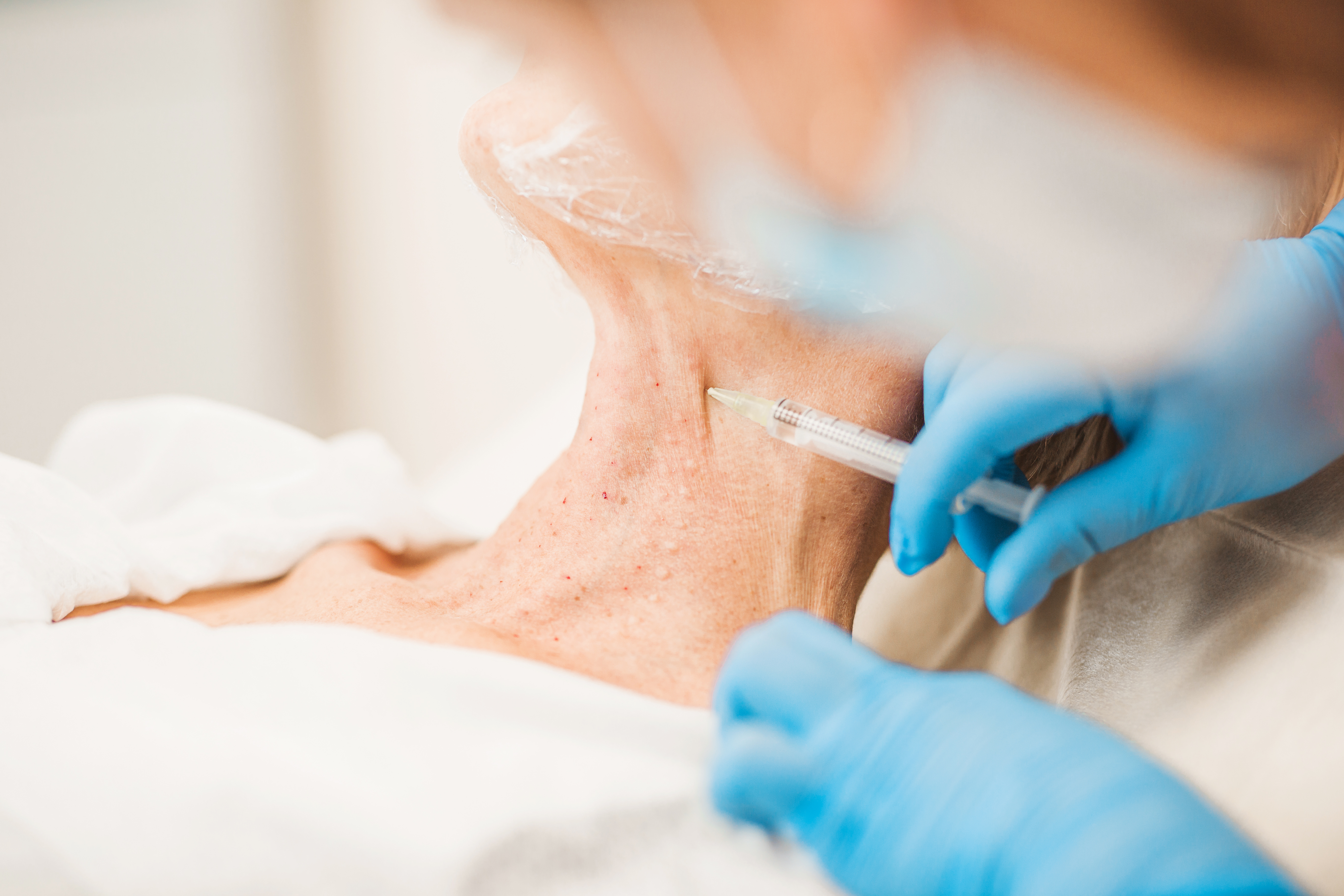
This stage adds injectable procedures (dermal fillers, botulinum toxin), the highest-margin treatments in aesthetics.
- Qualification: VTCT Level 7 Diploma in Non-Surgical Aesthetic Injectable Procedures (6-12 months)
- Key Skills: Advanced facial anatomy (neuromuscular, vascular), product selection (HA fillers, characteristics, viscosity), injection techniques (linear threading, serial puncture, fanning), complication recognition and management, pharmacology, consent and risk discussions
- Treatments Offered: Anti-wrinkle injections (forehead, crows feet, bunny lines), dermal fillers (lips, cheeks, nasolabial folds, jawline contouring), combination treatments (fillers + anti-wrinkle), advanced corrections and revisions
- Typical Client: Professionals aged 35-65, preventative and corrective seekers, clients with budget for premium treatments
- Monthly Client Volume: 30-50 clients/month (majority repeat clients, 80%+)
- Treatment Pricing: Anti-wrinkle £150-£300/area, dermal fillers £250-£400 per syringe, combination treatments £400-£700
- Typical Annual Earnings: £75,000-£120,000+ (full-time); £50,000-£90,000 (part-time with strong client base)
- Insurance Cost: £250-£350/year (premium scope)
- Market Position: Highest pricing power, strong client loyalty, repeat revenue stream
- Realistic Timeline: enrol Level 7 around month 18-20, complete by month 36
Level 7 requires solid foundation from Levels 3-5. Don't rush to injectables - competence matters more than speed. A 24-month progression (Levels 3-4-5-7) is realistic and safer than 12 months.
Stage 4: Expert Practitioner (36+ months, Clinic Owner or Specialist)
This stage focuses on business growth, advanced complications management, team leadership, or specialisation.
- Typical Evolution: Transition from employed or chair rent to clinic ownership, multi-room operation, or specialist niche (advanced fillers, non-surgical rhinoplasty, advanced peels)
- Treatments: Full scope (Levels 3-7), plus advanced complications management, corrections of other practitioners' work, training/mentoring of junior staff
- Typical Client: Established, loyal client base (80%+ repeat), referrals from other practitioners, corporate/group bookings
- Monthly Client Volume: 50-80+ clients/month (high-volume established practice)
- Treatment Pricing: Premium London/city centre rates (botulinum toxin £200-£350/area, fillers £350-£500 per syringe, bespoke packages £1,000-£3,000)
- Typical Annual Earnings: £90,000-£150,000+ (owner/specialist); some clinics generate £200,000+
- Business Focus: Team growth, reputation, systems/protocols, advanced training (complications, techniques), potentially mentoring
- Realistic Timeline: 36-48+ months of practice before transitioning to this stage
At this stage, your earnings depend as much on business acumen as clinical skills. Consider investing in business training, staff, and marketing infrastructure.
What each stage unlocks
Understanding what becomes possible at each stage helps you set realistic goals and plan your training timeline.
| Stage | Unlocks | Pricing Power | Client Dynamics | Investment Required |
|---|---|---|---|---|
| Foundation (L3) | Basic treatments, client trust building, portfolio | Standard (£80-£150 per treatment) | New clients, gift vouchers, walk-ins | £4,000-£6,000 total |
| Growth (L4-5) | Premium skin services, specialisation, higher margins | 1.5-2x Foundation (£150-£350 per treatment) | Skin-focused clients, 60-70% repeat, referrals | £8,000-£10,000 total |
| Advanced (L7) | Injectable expertise, highest-margin treatments, premium positioning | 2-3x Foundation (£150-£400+ per treatment) | Affluent clients, 80%+ repeat, passive referrals, client loyalty | £13,000-£18,000 total |
| Expert (36+ months) | Business ownership, team leadership, specialisation, advanced training | Premium brand (£200-£500+ per treatment) | Established loyalty, multi-treatment packages, corporate, mentoring | £30,000-£100,000+ (clinic setup) |
Timeline from beginner to advanced practitioner
This realistic progression map shows milestones and typical timelines. The most sustainable path takes 24-36 months of consistent practice and training.
Months 1-6: Foundation Phase
- enrol and complete Level 3 (4-6 weeks)
- Launch basic treatments (facials, express treatments)
- Build client base to 10-15 regular clients
- Focus: Learning, confidence building, client acquisition
- Revenue: £1,000-£3,000/month
- Cumulative income: £6,000-£18,000
Months 7-12: Early Growth
- enrol and complete Level 4
- Expand service menu (advanced facials, light peels, microneedling intro)
- Build client base to 20-30 regular clients
- Focus: Service expansion, portfolio building, referral generation
- Revenue: £2,000-£5,000/month
- Cumulative income (months 1-12): £20,000-£50,000
Months 13-24: specialisation Phase
- Complete Level 5 or finalize Level 4 expertise
- Choose direction: Skin specialist (L5) or laser specialist (L4) or both
- enrol in Level 7 Diploma (around month 18-20)
- Client base reaches 30-50 regular clients
- Begin building injectable-ready reputation and portfolio
- Focus: Deepening expertise, building premium positioning
- Revenue: £3,000-£7,000/month
- Cumulative income (months 13-24): £36,000-£84,000
Months 25-36: Injectable Mastery
- Complete Level 7 Diploma
- Launch injectable services with confidence
- Client base reaches 40-60 regular clients, 80%+ repeat rate
- Transition to premium positioning (may move from employment to clinic ownership/chair rent)
- Focus: Injectable expertise, advanced complications training, business optimisation
- Revenue: £5,000-£10,000/month
- Cumulative income (months 25-36): £60,000-£120,000
By Month 36: You'll have completed Level 3-7, built a loyal client base of 40-60 regular clients, established reputation for quality and safety, and positioned yourself for advanced specialisation or business growth.
Step 3: Align training with career milestones
Use milestone checkpoints every quarter:
- Qualification progress completed
- Practical confidence targets met
- Service rollout and treatment menu decisions
- Insurance and governance checks updated
If your goal includes injectables, the VTCT Level 7 Diploma in Non-Surgical Aesthetic Injectable Procedures is the highest regulated qualification. Also review Level 3 to Level 7 building your career guide before committing to your next stage.
Step 4: Avoid common progression blockers
- Taking disconnected courses with no route strategy
- Overloading costs in one quarter
- Expanding service scope before competence is ready
- Delaying progression decisions until courses are sold out
For direct route support, request a callback or explore all aesthetics courses.
FAQ
How long does a strong pathway take?
For many learners, 12-24 months is realistic for staged progression. Specifically: Level 3 (6 weeks) + Level 4 (12 weeks) + Level 5 (12 weeks) = 30 weeks intensive training, but spread across 12-18 months of practice to build competence between courses. Adding Level 7 Diploma (6-12 months) brings total to 18-36 months beginner to advanced. This timeline assumes consistent practice, 20-40 hours/week training commitment, and no major pauses. If training part-time or with work interruptions, add 6-12 months.
Should beginners start with injectables?
Usually not as a first step. Build foundations first and progress with route planning. Level 3-4 competence (6 months minimum) teaches you consultation, anatomy basics, client management, and complication recognition - all essential for safe injectables. Starting Level 7 without Level 3-4 risks poor outcomes and insurance claims. Virtually all professional bodies (JCCP, CPSA) expect Level 3-4 foundation before injectables. Exception: Medical professionals (nurses, doctors) may have prerequisites waived, but even then, aesthetics-specific anatomy and complication management are non-negotiable.
What should I do after Level 4?
Review your target scope and compare pathways. (1) If clients demand advanced skin services: progress to Level 5 (microneedling, advanced peels, mesotherapy). (2) If clients ask for anti-wrinkle and fillers: plan Level 7 Diploma. (3) If laser/IPL is your strength: deepen Level 4 expertise and delay Level 5-7. (4) If unsure: gather 3-6 months of client feedback (which treatments do they ask for? Which generate referrals?) before enrolling in the next level. You may progress to Level 5 skin procedures or work toward Level 7 injectable qualifications. Request a callback to discuss your specific market and client demand.
Is one pathway right for everyone?
No. Sequence should match your background, goals, and timeline. Medical backgrounds may accelerate Level 7 enrolment. Non-medics benefit from longer Level 3-5 foundation. London-based practitioners can leverage higher pricing to justify Level 7 investment faster. Regional practitioners may specialise in Level 4-5 skin services. Some practitioners (salons, wellness centres) skip Level 7 entirely and specialise in facials and skin procedures. Choose your pathway based on: (1) Your market demand (what do local clients pay for?); (2) Your interests (what treatments excite you?); (3) Your timeline (how fast can you invest and train?); (4) Your business model (employed, chair rent, independent).
How do I choose my next course?
Use Pathway to Aesthetics to map options based on your current stage and goals. Then: (1) List 3 possible next qualifications; (2) For each, identify market demand (would clients book this treatment? Can you charge premium rates?); (3) Check prerequisites (does admissions confirm you're ready?); (4) Confirm schedule feasibility (training calendar); (5) Calculate ROI (can you recover the cost in 6-12 months?); (6) Request admissions guidance to pressure-test your choice. The strongest choice generates immediate client demand, fits your schedule, and aligns with long-term goals.
What is the best next action?
Set your 12-month outcome, check training course calendar for available dates, and book a callback. Specifically: (1) Choose your endpoint for 12 months (Level 3? Level 3-4? Level 3-4-5?); (2) Identify your monthly commitment capacity (10 hours? 30 hours? 40 hours?); (3) Check 3 upcoming start dates that fit your schedule; (4) Note the cost for each qualification; (5) Request callback to validate your plan and discuss finance options; (6) enrol and commit to the timeline.
How does this compare to beginner courses?
See aesthetics course for beginners UK for entry-level guidance and decision framework. That guide helps you choose between different Level 3 providers and understand entry criteria. This career pathway guide focuses on 12-36 month progression planning and milestone tracking. For the first 12 months specifically, review how to start a career in aesthetics for month-by-month action steps and realistic earnings expectations.
What's the difference between Level 4 and Level 5?
Level 4 (Laser & Advanced Facials): Focuses on energy-based treatments (laser, IPL), advanced facial formulations, skin rejuvenation through light energy, tissue interaction physics. Ideal for practitioners who want to offer laser hair removal, photofacials, and energy-based skin treatments. Pricing: £150-£250/treatment. Volume-focused (quick treatments, high throughput).
Level 5 (Skin Procedures): Focuses on hands-on needle/tool-based procedures (microneedling, chemical peels, mesotherapy), corrective protocols, advanced peeling chemistry. Ideal for practitioners who want to offer advanced corrective treatments (scars, pigmentation, aging). Pricing: £200-£350/treatment. Time-intensive (longer appointments, higher margins).
Neither is "better" - choose based on your market. City/urban clients often prefer quick laser treatments; skin-focused clients prefer detailed microneedling and peels. You can do both (L4+L5) for comprehensive expertise.
Can I skip Level 4 and go straight to Level 5?
Technically yes, if admissions confirms prerequisites are met. However, skipping Level 4 means missing laser/IPL expertise and limiting your treatment menu. Most practitioners benefit from doing both L4 and L5 (over 20-24 weeks) rather than rushing. If you must choose: (1) Level 4 first if you want quick service expansion and immediate revenue; (2) Level 5 first if you want specialist corrective reputation and higher margins. Neither prevents the other - you can do Level 4 after Level 5 if needed.
How do I know I'm ready for Level 7?
You're ready for Level 7 when: (1) You've completed Level 3-4 minimum (Level 5 is ideal); (2) You have 6-12 months minimum hands-on aesthetic practice; (3) You've built a portfolio with 20-30 before/after photos; (4) You understand facial anatomy and can analyse face shapes; (5) You're confident consulting clients and managing expectations; (6) Your insurance/registration is in place. Most importantly: admissions should confirm prerequisites before you enrol. If you're uncertain, request a callback consultation - they'll validate readiness honestly.
Should I do Level 7 with a training provider or independent course?
VTCT Level 7 Diploma is the most regulated and recognized qualification (Ofqual on RQF). Independent short courses in injectables exist but lack regulatory recognition and may be more expensive. If you want long-term career security and insurance backing, VTCT Level 7 is the standard. If you want quick skills for a specific injectable, independent courses exist - but they won't substitute for VTCT Level 7 if you want to work for premium clinics or transition to ownership later.
What if my market doesn't support Level 7 demand?
Some regional markets prefer skin treatments over injectables. If local clients don't demand anti-wrinkle/fillers: (1) Consider broadening your geography (mobile travel, partnerships with other clinics); (2) Deepen Level 4-5 expertise instead; (3) Add complementary services (wellness, coaching) to increase client lifetime value; (4) Plan Level 7 for future market shift (younger practitioners may create demand). The strongest practitioners master Levels 3-7 and can serve multiple market segments - injectables give you pricing power even if initial demand is modest.
Editorial Standards
Author
Cosmetic College Editorial Team
Aesthetic Education Editorial Team
Cosmetic College specialists and admissions advisers produce this content to help learners choose regulated progression routes and make safer, better-informed training decisions.
Review cycle
Published: 9 February 2026
Last reviewed: 9 February 2026
Reading time: 12 min
Sources and References
- Pathway to Aestheticscosmetic.college
- VTCT qualificationscosmetic.college
- training calendarcosmetic.college
- VTCT Level 7 Diploma in Non-Surgical Aesthetic Injectable Procedurescosmetic.college
- Level 3 to Level 7 building your career guidecosmetic.college
- callbackcosmetic.college
- all aesthetics coursescosmetic.college
- Level 5 skin procedurescosmetic.college
- aesthetics course for beginners UKcosmetic.college
- how to start a career in aestheticscosmetic.college