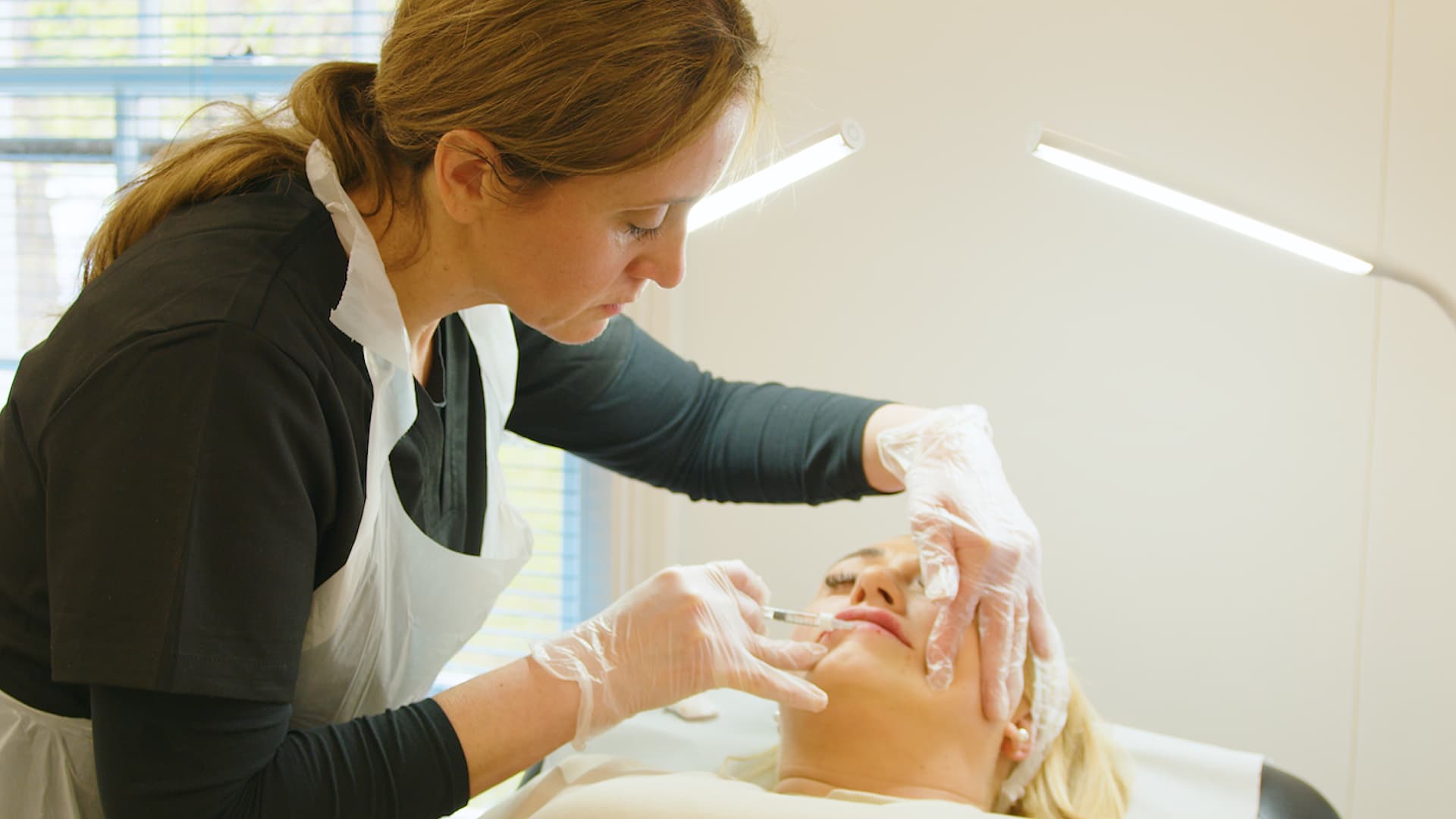

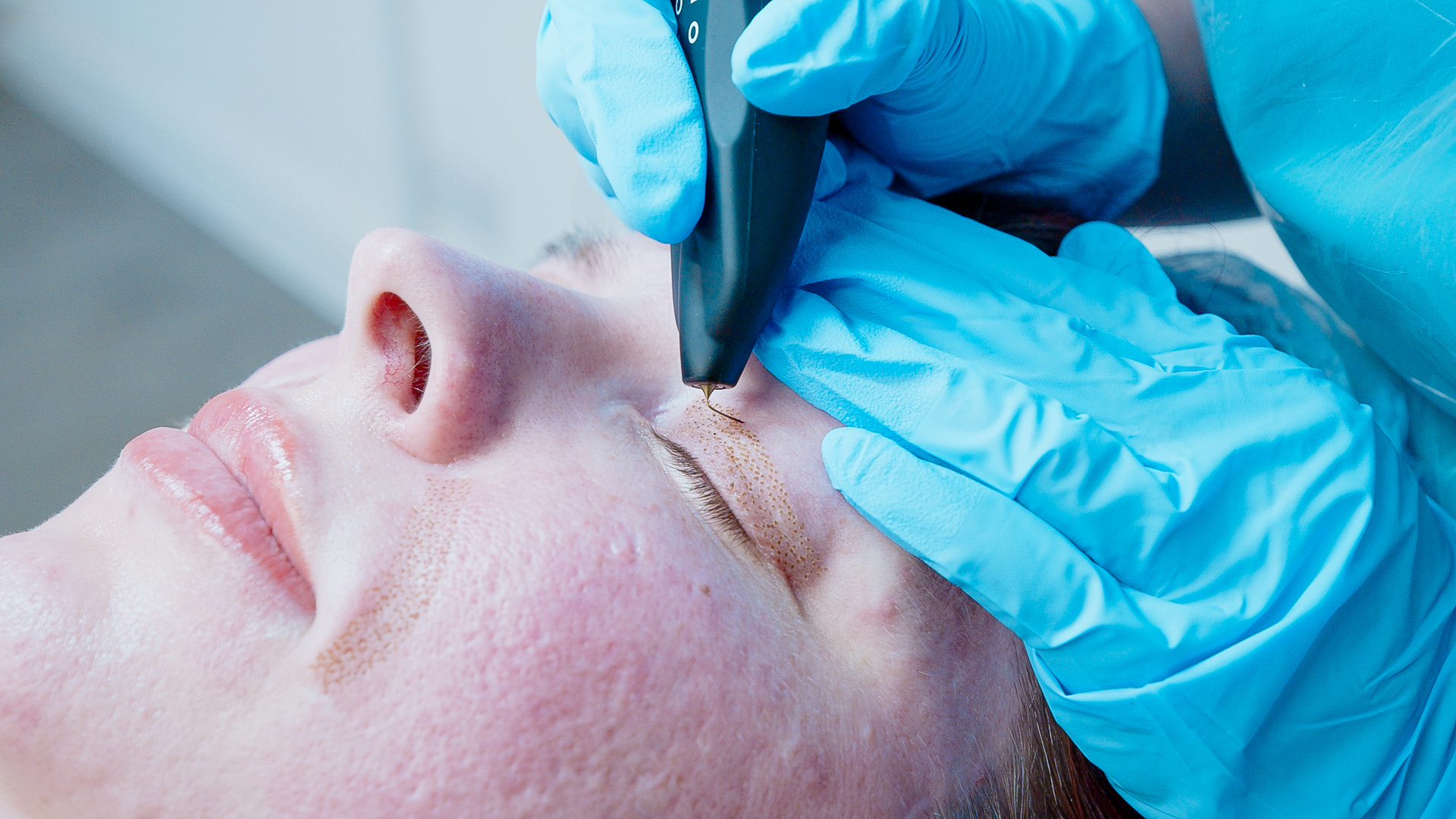
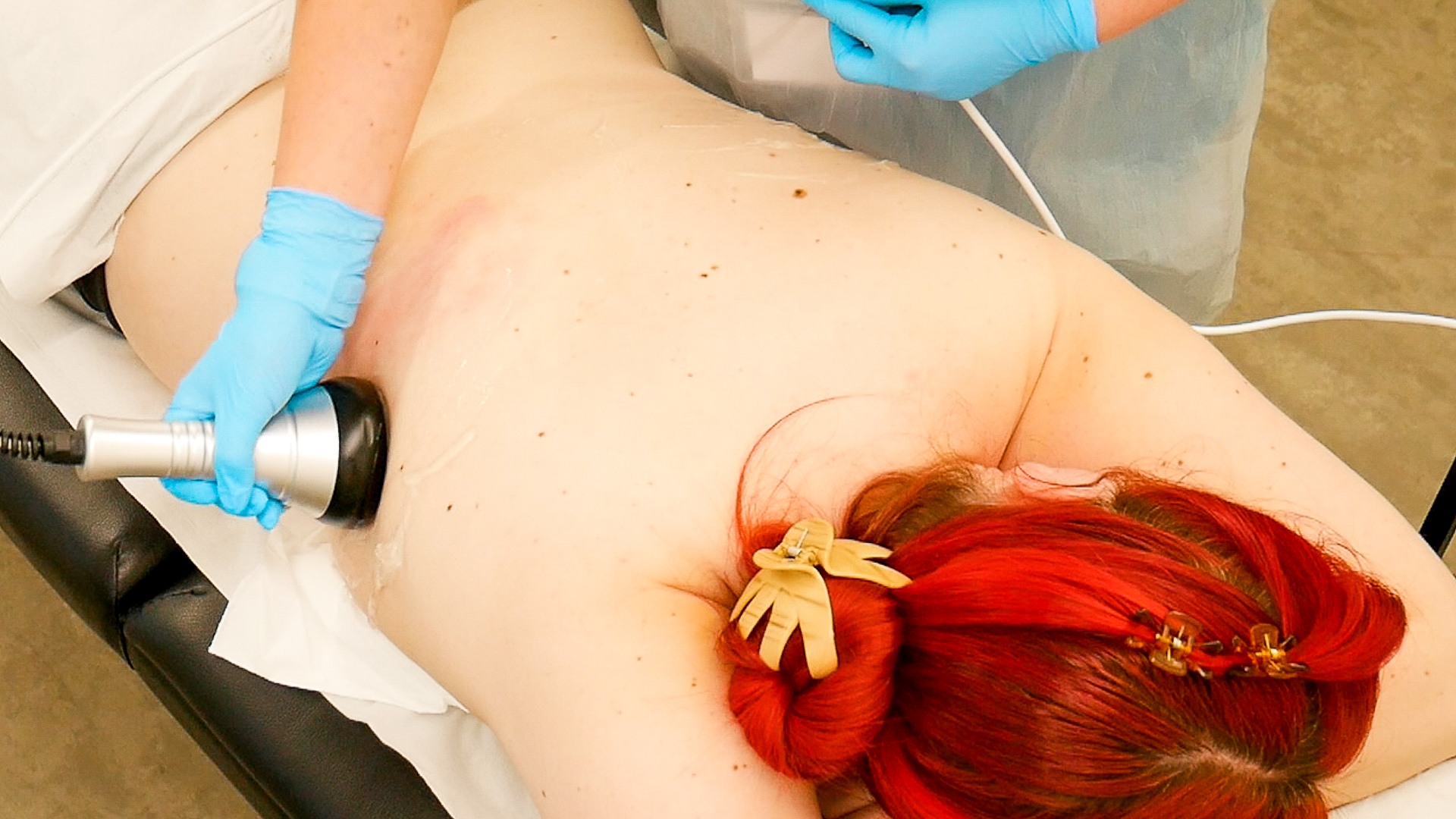









When comparing VTCT Level 5 vs Level 7 injectables UK, most learners are really deciding between near-term service expansion and top-tier advanced injectable positioning.
What Level 5 gives you
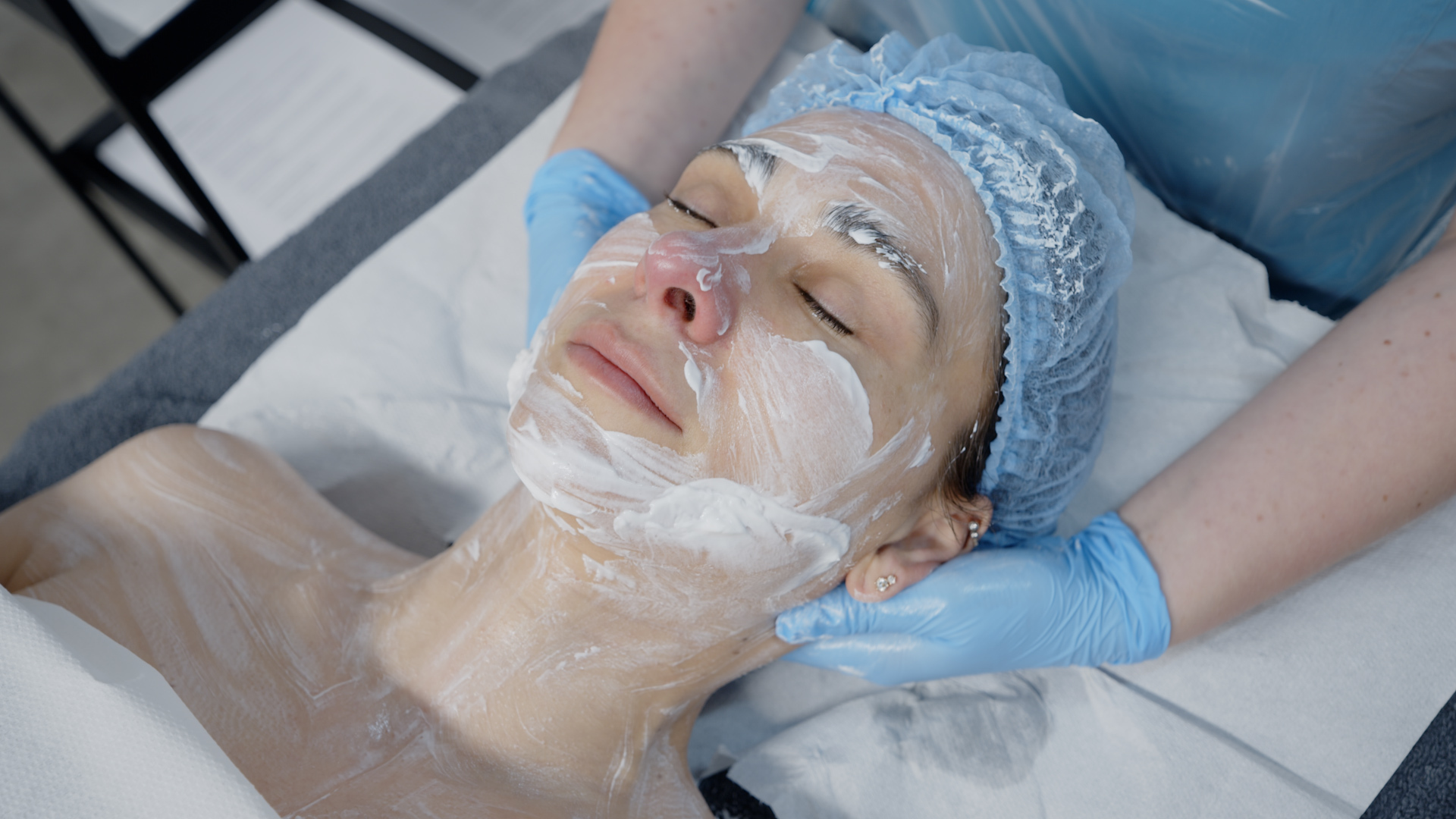
Level 5 usually expands advanced skin procedure capability and strengthens your treatment depth before injectable specialisation.
Typical benefits:
- Better clinical confidence in complex skin cases
- Strong progression base toward advanced pathways
- Improved service diversification and pricing strength
Explore course detail: Level 5 Skin Procedures.
What Level 5 covers in detail
The VTCT Level 5 Certificate in Non-Surgical Aesthetic Procedures for Skin is an 8–12 week qualification spanning corrective skin treatments with real commercial depth.
Core Modules
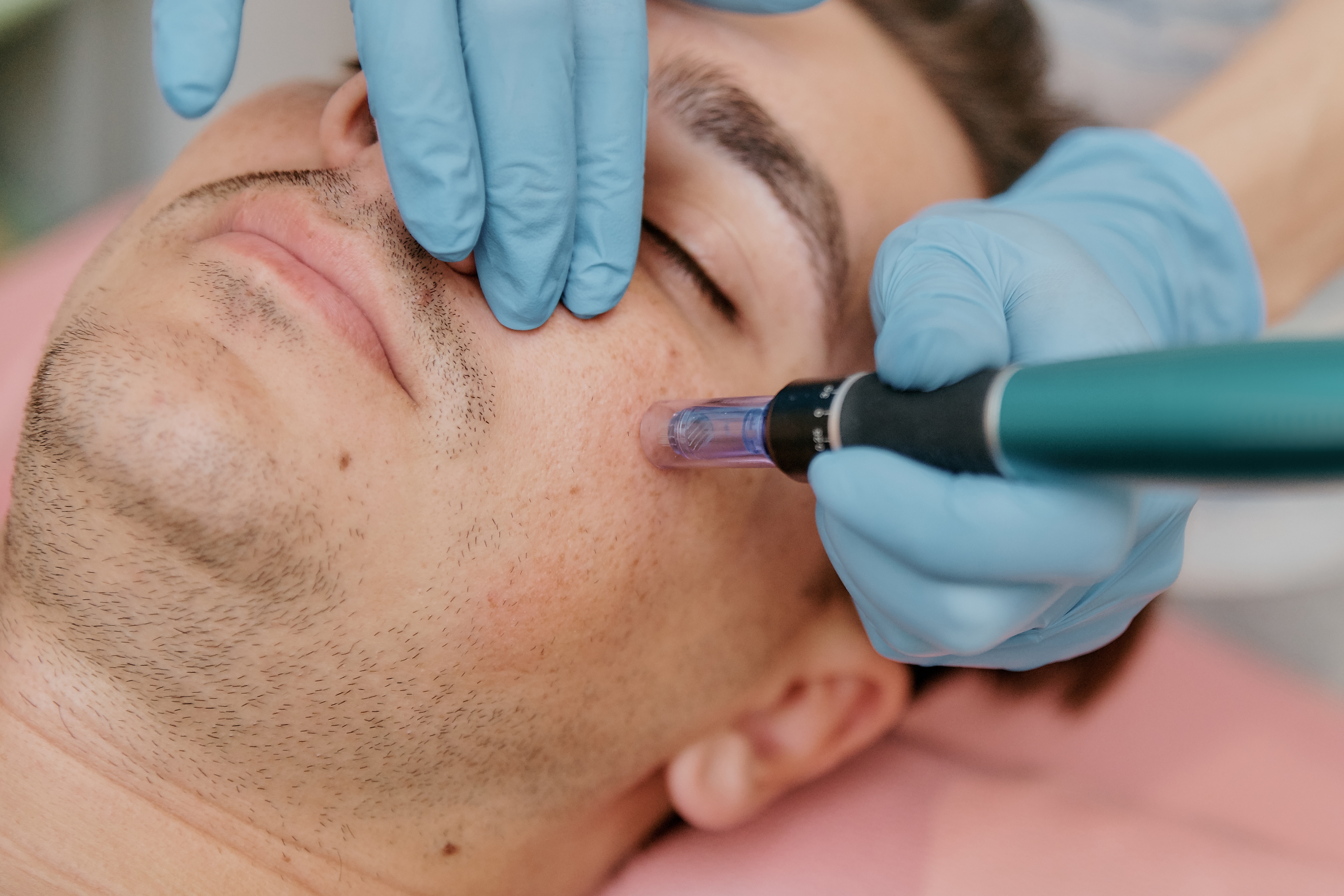
Microneedling Technique and Depth Mastery
- Needle depth selection and skin layer penetration (0.5mm to 2.5mm depending on indication)
- Single-needle versus multi-needle roller and pen techniques
- Collagen induction therapy principles and wound healing cascade
- Pre-treatment protocols and numbing strategies
Mesotherapy Product Selection and Injection
- Hyaluronic acid, vitamins, amino acids, and botanical extracts
- Intradermal versus subcutaneous injection depth
- Treating dehydration, elasticity loss, and uneven skin tone
- Safety protocols for post-treatment reactions
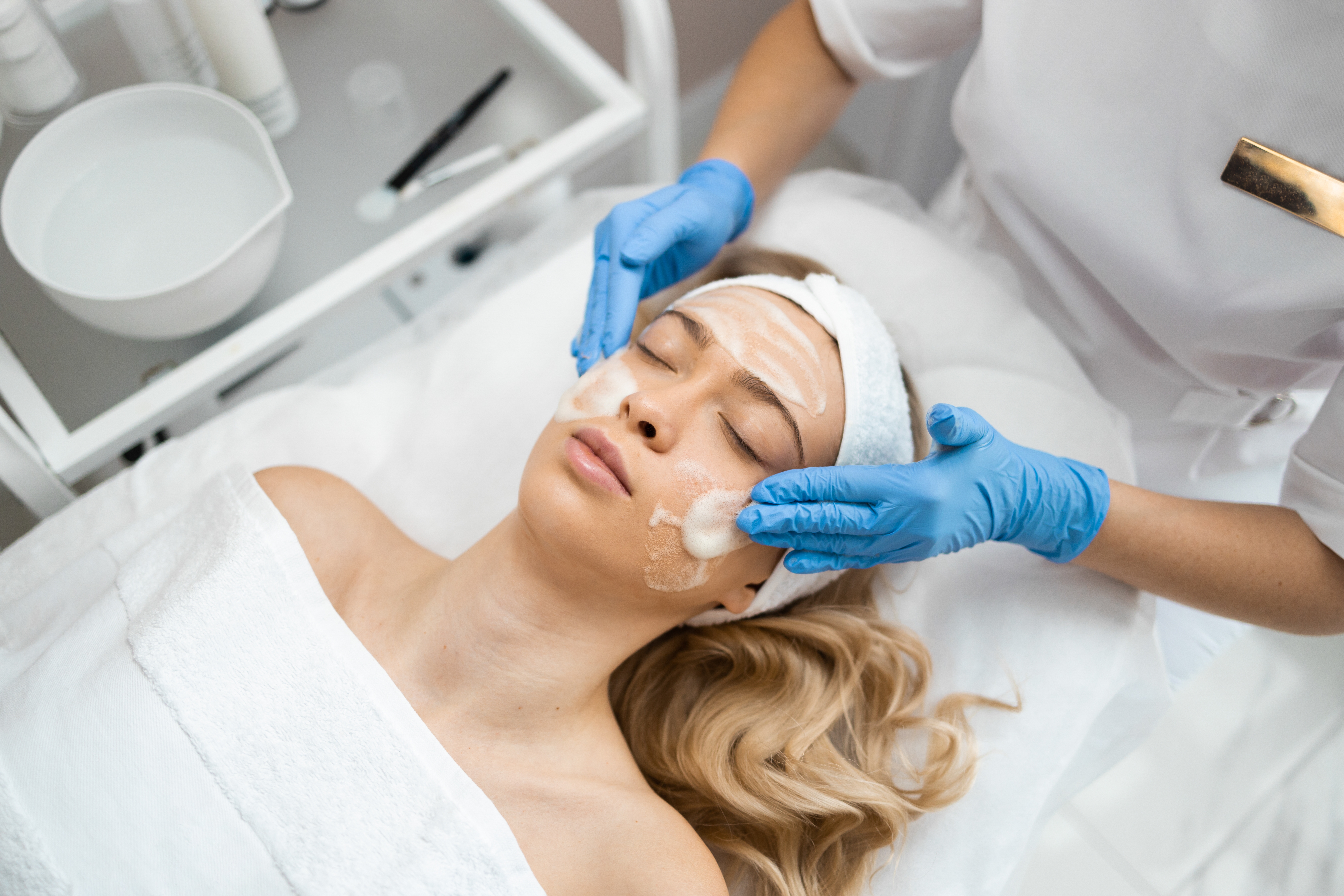
Advanced Chemical Peels by Classification
- Superficial (AHA, BHA), medium (TCA 15-35%), and deep peels
- Fitzpatrick skin typing and contraindication assessment
- Pre-peel preparation and post-peel wound care
- Managing hyperpigmentation and sensitivity in darker skin tones
Corrective Skin Protocols
- Treating acne scars, post-inflammatory hyperpigmentation, and uneven texture
- Combination protocols (microneedling + peels, mesotherapy + LED)
- Complication management including post-inflammatory hyperpigmentation, infection, and delayed healing
Duration and Investment
- Course length: 8–12 weeks (blended online theory + onsite practical training)
- Cost range: £3,000–£5,000 (varies by provider and delivery intensity)
- Assessment: Practical competency on live models plus written examinations
Treatment Pricing Unlocked at Level 5
Once qualified, practitioners typically price services as follows:
| Treatment | Price Range | Session Duration | Client Lifetime Value |
|---|---|---|---|
| Microneedling (single session) | £150–£350 | 45–60 minutes | £600–£1,400 (4–6 sessions) |
| Mesotherapy (single session) | £150–£300 | 30–45 minutes | £600–£1,200 (4–6 sessions) |
| Advanced Chemical Peels | £80–£200 | 30–45 minutes | £320–£800 (4–6 sessions) |
| Combination package (microneedling + mesotherapy) | £250–£500 | 90 minutes | £1,000–£2,000 (4 sessions) |
Earning Potential at Level 5
Practitioners who complete Level 5 and build a consistent client base typically earn:
- Part-time (15–20 hours/week): £25,000–£40,000/year
- Full-time (40+ hours/week): £50,000–£80,000/year
- High-performing clinics with team/delegation: £75,000–£100,000+/year
Earnings depend on local market rates, clinic positioning, client volume, and ability to upsell combination treatments and packages.
What VTCT Level 7 Diploma gives you
VTCT Level 7 Diploma in Non-Surgical Aesthetic Injectable Procedures is the highest regulated injectable qualification with emphasis on advanced anatomy, safety, complication management, and live model training.
Typical benefits:
- Highest-regulated injectable qualification credibility (Ofqual-recognised)
- Alignment with JCCP/CPSA industry standards and Health and Care Act 2022 requirements
- Scope for premium dermal filler and injectable services
- Insurance and future licensing readiness
See the regulated route: VTCT Level 7 Diploma in Non-Surgical Aesthetic Injectable Procedures.
What Level 7 covers in detail
The VTCT Level 7 Diploma in Non-Surgical Aesthetic Injectable Procedures is a 6–12 month qualification that is the gold standard for advanced injectable practice in the UK.
Core Modules
Facial Vascular Anatomy and Nerve Mapping
- Arterial and venous anatomy of the face with high-resolution imaging
- Danger zones and areas of heightened vascular risk
- Nerve pathways and motor point anatomy relevant to anti-wrinkle injections
- Three-dimensional depth understanding for cannula and needle placement
Dermal Filler Pharmacology
- Hyaluronic acid chemistry, cross-linking degree (G-prime), and biodegradation
- Monophasic versus biphasic filler formulations
- Particle size and longevity: light, medium, and deep fillers
- Non-HA fillers (calcium hydroxylapatite, poly-L-lactic acid) - indications and safety
- Volumisation principles and product selection for different face zones
Botulinum Toxin Unit Dosing and Pharmacokinetics
- Muscle anatomy and motion analysis for different face regions
- Units per treatment area (frown lines, crows feet, forehead, masseter)
- Onset timing (3–7 days), peak effect (10–14 days), and longevity (3–4 months)
- Reconstitution, storage, and handling protocols
Injection Techniques
- Linear threading for large volume distribution
- Serial puncture for precise placement and depth control
- Fanning technique for broader area coverage
- Cannula versus needle selection and when each is appropriate
- Plane of injection (superficial dermis, mid-dermis, deep dermis, subcutaneous)
Complication Management
- Vascular occlusion recognition and hyaluronidase emergency protocols
- Infection, abscess, and allergic reaction management
- Asymmetry correction and over-correction management
- Granulomas, nodules, and delayed hypersensitivity responses
- Nerve injury and muscle weakness management
- Documentation and incident reporting
Live Model Portfolio
- Minimum 20–30 documented treatment cases across multiple face zones
- Pre- and post-treatment photography standards
- Informed consent and case note requirements
- Summative clinical assessment with examiner observation
Duration and Investment
- Course length: 6–12 months (blended online theory + extended practical training with supervised live models)
- Cost range: £5,000–£8,000 (varies by provider, intensity, and number of practical sessions)
- Assessment: Practical competency on 20–30 live models, written examinations, case study portfolio, and summative clinical assessment
Treatment Pricing Unlocked at Level 7
Once qualified, Level 7 practitioners command premium pricing for injectable services:
| Treatment | Price Range | Session Duration | Client Lifetime Value |
|---|---|---|---|
| Dermal Fillers (per 1ml syringe) | £200–£400 | 30–45 minutes | £600–£1,600 (1–4 syringes per session, multiple sessions over 12 months) |
| Anti-Wrinkle Injections (per treatment area) | £150–£300 | 15–30 minutes | £450–£900 (3 areas, 3–4 treatments/year) |
| Combination treatment (fillers + anti-wrinkle) | £400–£700 | 45–60 minutes | £1,200–£2,800 (multiple sessions over 12 months) |
| Skin booster treatments | £300–£500 | 30 minutes | £900–£1,500 (3 sessions per treatment cycle) |
Earning Potential at Level 7
Practitioners who complete Level 7 and establish a strong injectable client base typically earn:
- Part-time (15–20 hours/week): £40,000–£60,000/year
- Full-time (40+ hours/week): £75,000–£120,000+/year
- High-volume clinics or clinic owners: £120,000–£200,000+/year (with team leverage)
Level 7 qualifications command premium market rates due to advanced regulatory recognition, JCCP/CPSA alignment, and Health and Care Act 2022 readiness. Insurance companies also recognize Level 7 as the standard for injectable practice.
Which route fits your current stage
Level 5 first is usually better when:
- You need to strengthen advanced skin foundations
- You are still building treatment confidence and scope
- You want staged progression with lower strategic risk
Level 7 focus is usually better when:
- You already meet route prerequisites
- Injectable progression is your core commercial objective
- You are planning advanced clinic positioning
For non-medics specifically, review dermal filler training for non-medics. If unsure, map your route using Pathway to Aesthetics and book a callback.
Practical decision framework
Ask these 4 questions:
- What services do I want to offer in 12 months?
- Do I meet progression prerequisites now?
- Is my current clinic model ready for injectable focus?
- What route supports my risk and timeline preferences?
You can also cross-check with the VTCT hub and the training calendar.
Capability comparison: Level 5-first vs Level 7-focused
| Route pattern | Best for | Main upside | Main risk if rushed |
|---|---|---|---|
| Level 5-first progression | Practitioners building stronger skin complexity before injectables | Better clinical depth and staged confidence growth | Slower short-term injectable launch if planning is unclear |
| Direct Level 7-focused planning (where eligible) | Practitioners with strong prerequisites and injectable-first model | Faster alignment to advanced injectable positioning | Gaps in wider treatment planning if foundation is weak |
| Hybrid staged plan | Practitioners balancing growth and risk control | Strong long-term capability with controlled expansion | Requires disciplined scheduling and budget planning |
Investment comparison: Level 5 vs Level 7
Choosing between Level 5 and Level 7 requires understanding both upfront investment and long-term return on investment (ROI).
| Metric | Level 5 Skin Procedures | Level 7 Injectables Diploma |
|---|---|---|
| Course cost | £3,000–£5,000 | £5,000–£8,000 |
| Duration | 8–12 weeks | 6–12 months |
| Consumables (annual) | £500–£1,500 | £1,500–£3,500 |
| Insurance (annual) | £100–£250 | £150–£300 |
| Time to first client | 2–4 weeks | 4–8 weeks |
| First-year earning potential | £50,000–£80,000 (full-time) | £75,000–£120,000+ (full-time) |
| Cumulative cost (course + consumables + insurance, year 1) | £3,600–£6,750 | £6,650–£11,800 |
| ROI timeline | 6–10 months (full-time practice) | 10–18 months (full-time practice) |
Key insights:
- Level 5 offers faster market entry and lower upfront investment, making it ideal if you're building a multi-service clinic or testing market demand.
- Level 7 requires greater upfront time and cost but unlocks 30–50% higher earning potential and premium market positioning once established.
- Insurance and compliance costs are slightly higher for Level 7 due to advanced injectable scope.
- Combined approach (Level 5 first, then Level 7 progression) spreads investment over time and allows you to build client base and confidence before the injectable specialisation investment.
The strongest approach is the one you can execute consistently. A high-ambition route that is not realistic for your time, finances, or prerequisites often creates more delay than a staged plan that you can complete properly.
12-month planning checklist for injectable progression
- Define your core injectable service mix and target client profile.
- Map required qualifications in sequence, including any prerequisites.
- Pre-book practical dates around your work commitments.
- Align insurance conversations to each planned treatment stage.
- Set quarterly checkpoints for skills, confidence, and case quality.
If this feels unclear, start with Pathway to Aesthetics, then validate your route with a callback. Compare route timing against the training calendar, and review dermal filler entry requirements to confirm prerequisites.
FAQ
Is VTCT Level 7 Diploma automatically the best injectables choice? Not always. The best route depends on your prerequisites, commercial timeline, and current background. Level 7 is ideal if injectables are your primary goal and you meet prerequisites; Level 5 first is better if you want to build broader skin treatment competence and spread investment over time. Most practitioners choose Level 5 first (8–12 weeks, £3,000–£5,000) if they're building multi-service clinics, or Level 7 direct (6–12 months, £5,000–£8,000) if they're injectable-focused and have the time and budget. Review best dermal filler training provider checklist.
Can I skip straight from beginner to VTCT Level 7 injectables? Most learners require staged progression first, especially non-medics. You'll typically need Level 3 (Access to Aesthetics) and often Level 4 or Level 5 as prerequisites before Level 7 eligibility. Starting with Level 5 skin procedures (£3,000–£5,000, 8–12 weeks) is a common pathway that strengthens your foundation and improves your Level 7 readiness. See dermal filler entry requirements.
Does VTCT Level 5 still matter if I want injectables? Yes, significantly. Level 5 strengthens readiness for advanced Level 7 progression by building foundational skin complexity, consultation skills, and treatment planning confidence. Many practitioners also find that offering Level 5 skin treatments (microneedling £150–£350, mesotherapy £150–£300, advanced peels £80–£200) alongside Level 7 injectables increases client lifetime value and diversifies revenue. Level 5-qualified practitioners earn £50,000–£80,000/year; adding Level 7 injectables can increase that to £75,000–£120,000+/year.
Will insurers treat VTCT Level 5 and Level 7 injectables the same? No. Insurers recognise Level 5 as foundational advanced skin procedures (covered under standard aesthetic indemnity, typically £100–£250/year) and Level 7 as the advanced injectable speciality requiring higher coverage limits and potentially specialist riders (typically £150–£300/year or more). Insurance costs are slightly higher for Level 7 due to expanded liability scope, but the earning potential increase (£25,000–£40,000+ annually) justifies the investment. Always confirm coverage requirements with your insurer before treating clients.
How do I choose between Level 5 and Level 7 quickly? Use this checklist: (1) Do you want to offer multiple treatment types or focus on injectables? (2) Do you have time for 6–12 months of study or prefer 8–12 weeks? (3) Is your upfront budget closer to £3,000–£5,000 or £5,000–£8,000? (4) Are you building a clinic business or launching self-employed practice? Level 5 suits multi-service clinics with faster timelines; Level 7 suits focused injectable practices with longer timelines and premium positioning. Use the best aesthetic course for you quiz and discuss your route on a callback.
Where can I compare all injectable routes in one place? Start with Pathway to Aesthetics for structured route planning. You can also review the Investment Comparison table above to see cost, ROI timeline, and earning potential side-by-side.
Will employers or clinics value a staged route or just the highest VTCT level? Most clinics value competence, safety, and consistency - which are usually stronger with clear staged progression and live model experience. A practitioner with Level 5 + Level 7 (staged over 8–18 months, £8,000–£13,000 cumulative investment) often demonstrates more clinical depth than someone rushing to Level 7 in 6 months without skin treatment foundation. Employers also see staged progression as evidence of commitment and methodical skill-building.
Can I change direction after VTCT Level 5 if my goals shift? Yes, absolutely. Many practitioners adapt their route once they refine service demand, client base, and career focus after Level 5 completion. If you complete Level 5 and discover injectable demand is higher than expected, you can progress to Level 7 (adding 6–12 months and £5,000–£8,000). Conversely, if you thrive offering Level 5 skin treatments, you can deepen that specialisation with advanced certifications or laser tattoo removal (Level 5 Laser Tattoo Removal) instead.
Editorial Standards
Author
Cosmetic College Editorial Team
Aesthetic Education Editorial Team
Cosmetic College specialists and admissions advisers produce this content to help learners choose regulated progression routes and make safer, better-informed training decisions.
Review cycle
Published: 14 January 2026
Last reviewed: 14 January 2026
Reading time: 10 min
Sources and References
- Level 5 Skin Procedurescosmetic.college
- VTCT Level 7 Diploma in Non-Surgical Aesthetic Injectable Procedurescosmetic.college
- dermal filler training for non-medicscosmetic.college
- Pathway to Aestheticscosmetic.college
- callbackcosmetic.college
- VTCT hubcosmetic.college
- training calendarcosmetic.college
- dermal filler entry requirementscosmetic.college
- best dermal filler training provider checklistcosmetic.college
- best aesthetic course for you quizcosmetic.college