







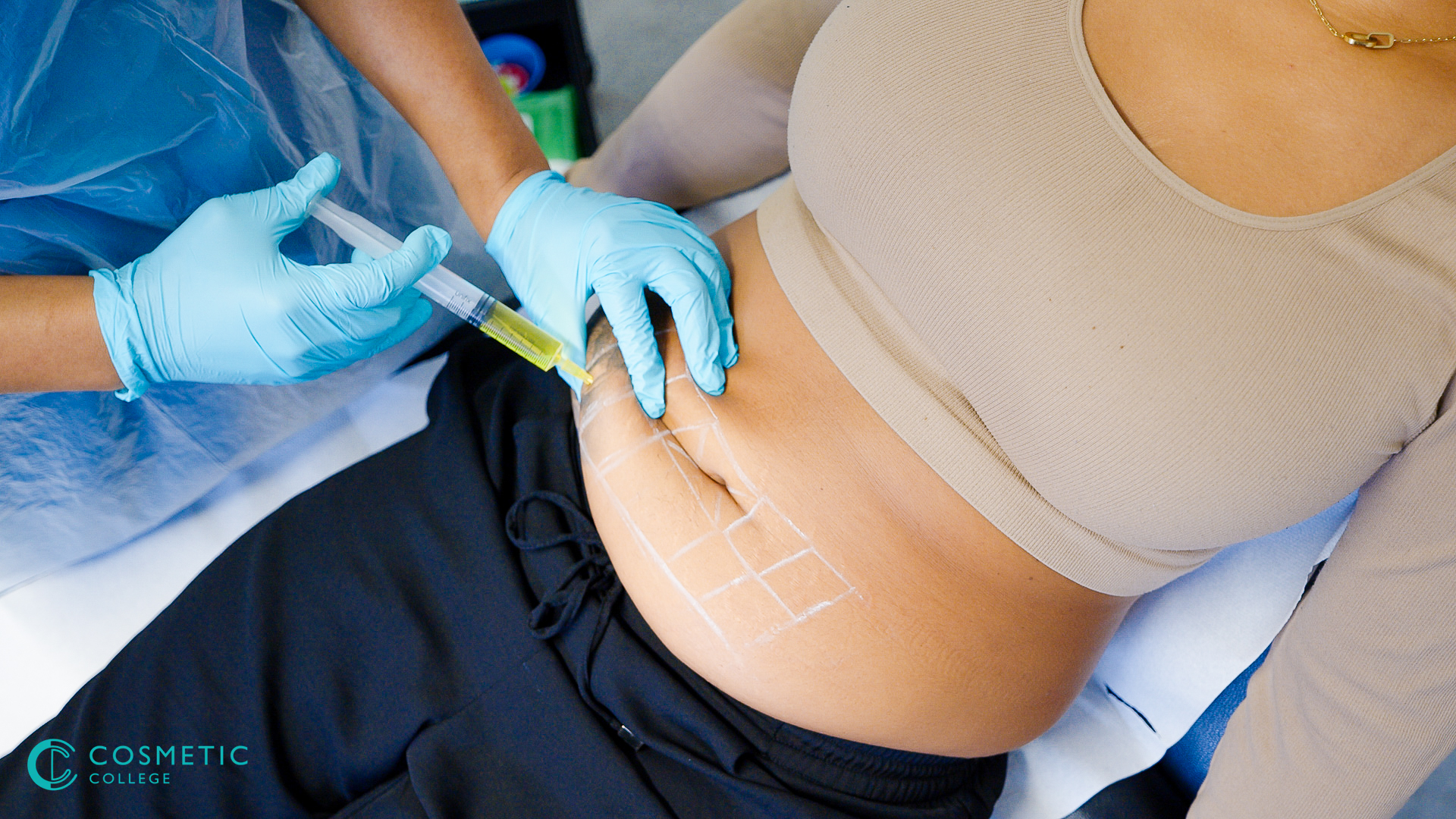
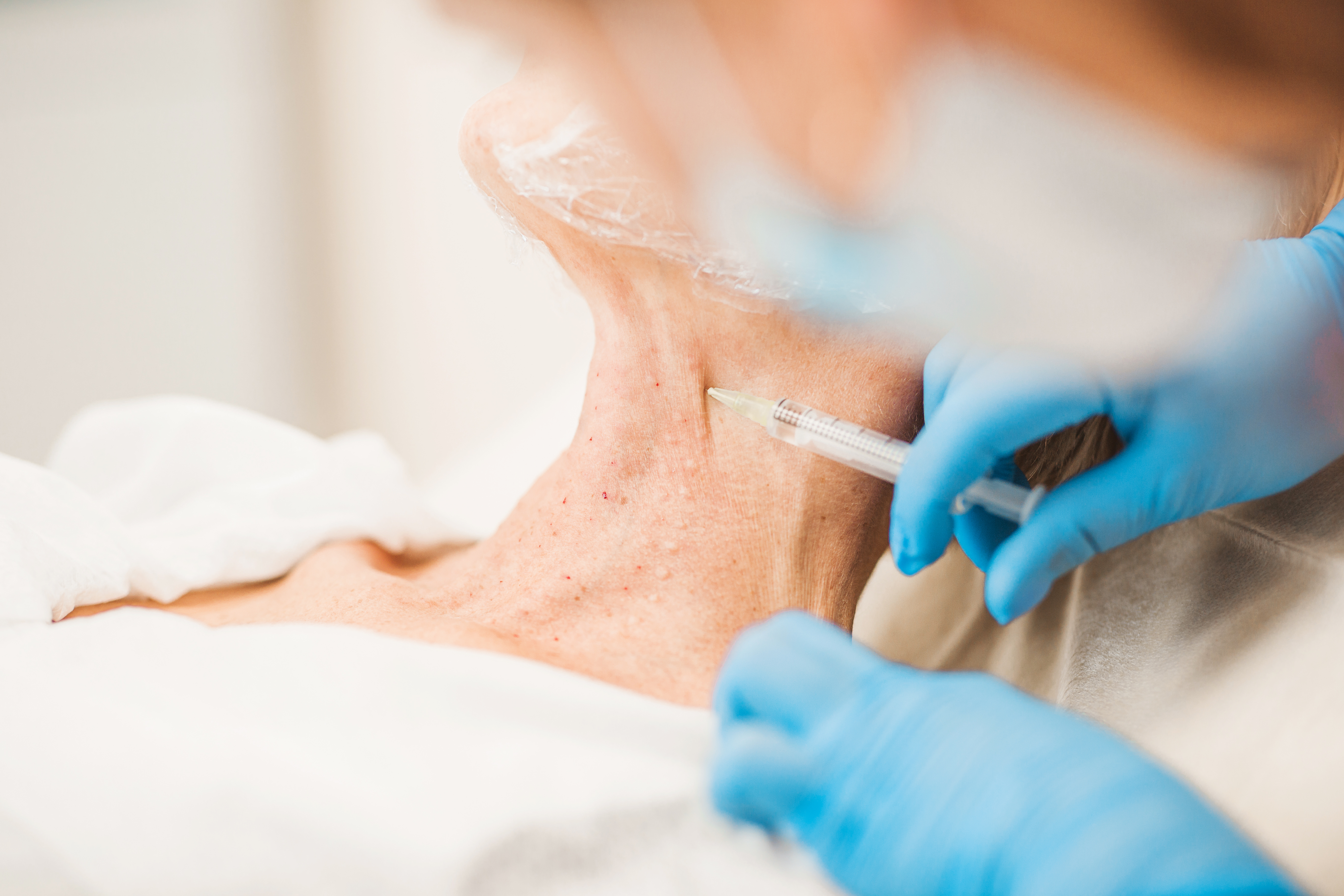



This VTCT laser tattoo removal course UK guide breaks down what to check before enrolling, how progression works from Level 4 to Level 5, and what makes a laser tattoo removal training uk route commercially strong. Learn the exact VTCT pathway, technology requirements, and business considerations for launching professional tattoo removal services.
Why VTCT laser tattoo removal training UK is in demand
Laser tattoo removal training uk demand is growing because clients seek correction, removal before cover-ups, or lifestyle-related changes. Industry data shows repeat-session demand (typically 6-12 sessions per client) creates stable recurring revenue. That demand makes laser tattoo removal training uk a strong specialist service when delivered safely with proper qualification, insurance, and council licensing.
VTCT laser tattoo removal training UK progression sequence
The recommended pathway for laser tattoo removal training uk includes:
- Level 4 Foundation: VTCT Level 4 Certificate in Laser and IPL Treatments - covers laser physics, safety protocols, Fitzpatrick skin typing, and hair removal/skin rejuvenation techniques
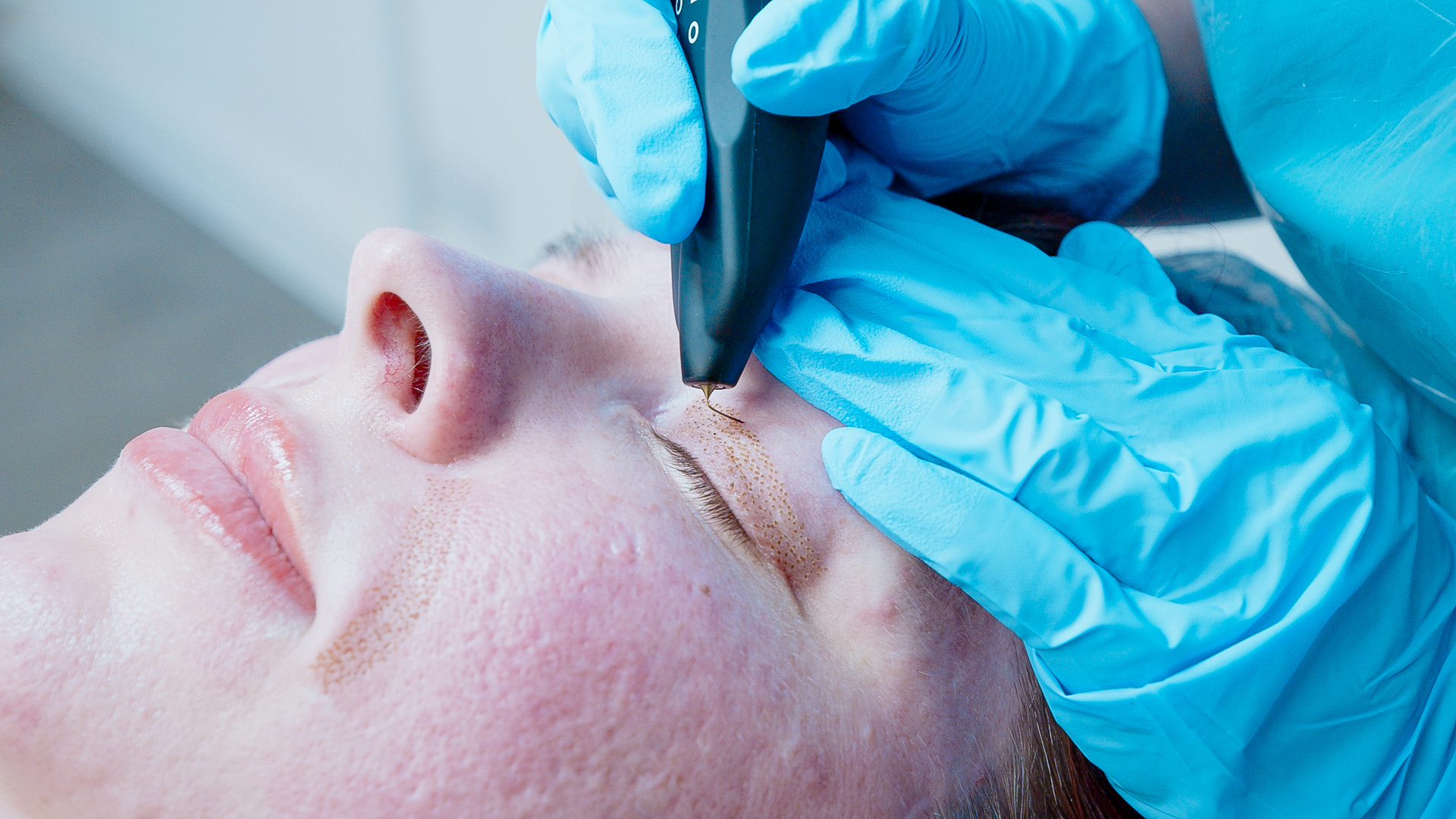
- Level 5 Specialisation: VTCT Level 5 Certificate in Laser Tattoo Removal - covers Q-switched Nd:YAG and picosecond lasers, selective photothermolysis, ink composition, contraindications, and live model treatments
For those without prior qualifications, you may need to start with VTCT Level 3 Access to Aesthetic Therapies first.
If you need help confirming your entry point for laser tattoo removal course UK, use Pathway to Aesthetics and Request a Callback.
What to look for in a laser tattoo removal training UK provider
When evaluating laser tattoo removal training uk providers, focus on:
- Regulated VTCT pathway: Ensure the provider is Ofqual-approved and delivers genuine Level 4 to Level 5 progression
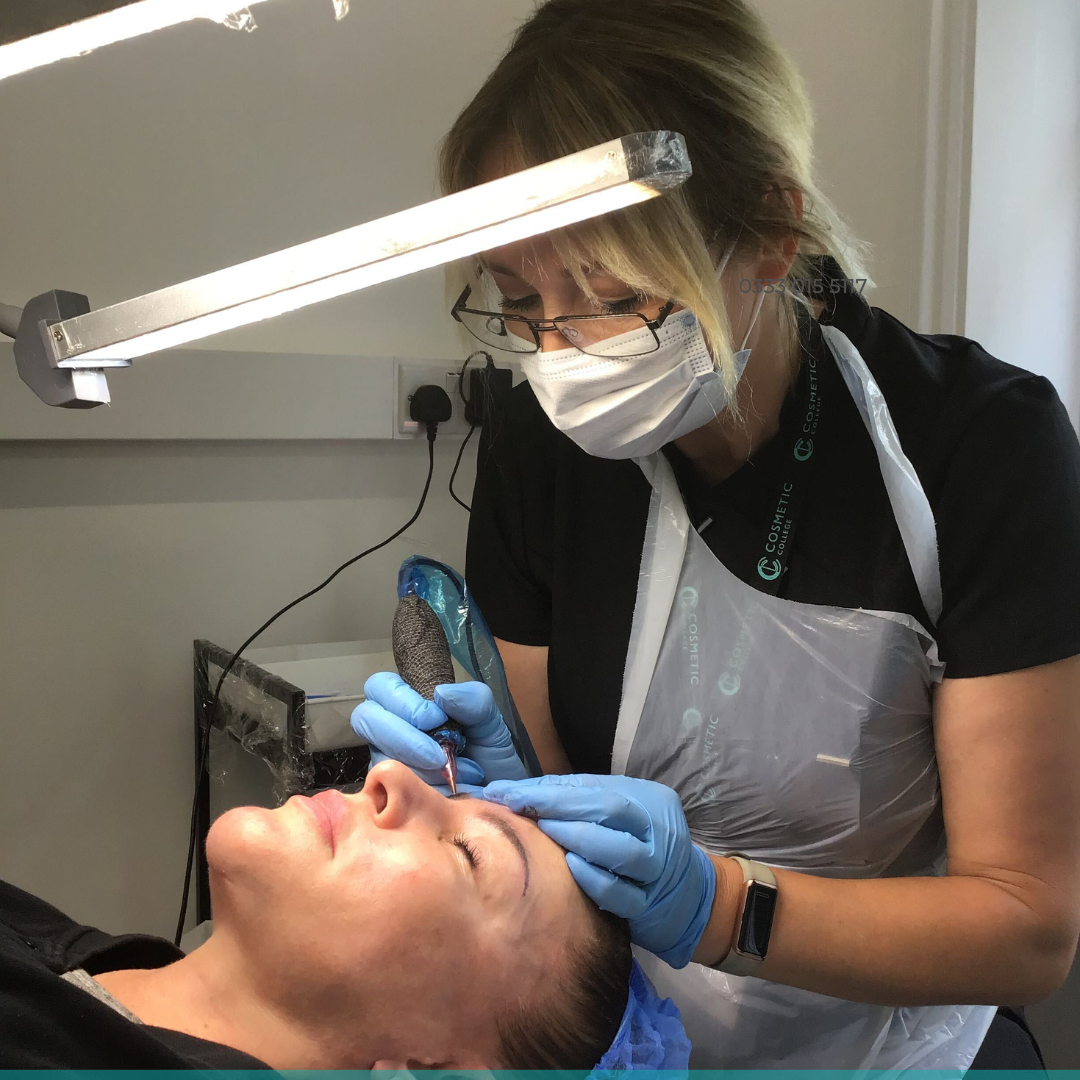
- Practical treatment exposure: Live model treatments, supervised assessment, real-world case scenarios (not theory-only)
- Technology coverage: Training on both Q-switched Nd:YAG and picosecond laser systems
- Risk and safety emphasis: Contraindication assessment, Fitzpatrick scale application, adverse event management
- Insurance readiness: Guidance on professional indemnity requirements
- Council licensing support: Advice on Special Treatment Licence applications and Local Authority registration
- Clear post-qualification support: Access to mentoring, community, or continued education
Avoid choosing laser tattoo removal training uk purely on speed or discount without checking training scope quality and VTCT credibility.
Commercial planning for laser tattoo removal training UK
Before launching tattoo removal services after completing your laser tattoo removal training uk, define:
- Target client segment: Age range, demographics, tattoo profile (professional removal vs aesthetic correction)
- Pricing model: Session-based (£50-250 depending on size), package deals (5 or 10-session packages), VIP or premium pricing for complex cases
- Session planning: Average sessions per client (6-12), booking intervals (6-8 weeks between sessions for skin healing), treatment protocols for different ink types
- Conversion expectations: Lead-to-client conversion rate, average revenue per client, repeat booking rate
- Insurance and compliance: Professional indemnity, public liability, council licensing, Laser Protection Adviser (LPA) risk assessment, sharps and clinical waste disposal
- Positioning vs nearby clinic competition: Unique value proposition, specialist positioning, quality differentiation
Review is tattoo removal a profitable skill and what training do you need for detailed earnings data and business planning frameworks.
The VTCT hub can help you map related routes for service expansion and cross-selling opportunities.
Earning potential from tattoo removal
VTCT Level 5 Laser Tattoo Removal qualification positions practitioners to offer professional laser-assisted tattoo removal with premium earning potential. Tattoo removal is particularly valuable because it typically involves repeat sessions (6–12 per client), creating stable recurring revenue.
Treatment pricing and client lifetime value
| Tattoo Size/Complexity | Price Per Session | Typical Sessions Per Client | Client Lifetime Value | Session Duration |
|---|---|---|---|---|
| Small tattoo (1–2 inches) | £80–£150 | 4–6 sessions | £320–£900 | 15–20 minutes |
| Medium tattoo (2–4 inches) | £120–£200 | 6–8 sessions | £720–£1,600 | 20–30 minutes |
| Large tattoo (4–8 inches) | £150–£250 | 8–12 sessions | £1,200–£3,000 | 30–45 minutes |
| Full sleeve or large complex | £200–£300 | 12–15 sessions | £2,400–£4,500 | 45–60 minutes |
| colour ink removal (premium) | +£50–£100/session | 6–12 sessions | +£300–£1,200 additional | Additional time |
| Multi-session packages (5–10 sessions) | £400–£1,500 | Bundled | £400–£1,500 | Per-session as scheduled |
Average client lifetime value: £480–£3,000 depending on tattoo size, ink complexity, and skin type.
Annual earning potential
Part-time practice (12–16 hours/week, 8–10 clients/week):
- £25,000–£40,000/year
- Typically 3–5 tattoo removal clients/week at average £120–£160 per session
- Common for practitioners building tattoo removal alongside hair removal or skin treatments
Full-time practice (40+ hours/week, 20–25 clients/week):
- £50,000–£85,000/year
- Typically 12–16 tattoo removal clients/week at average £150–£200 per session
- Realistic once client base is established (typically month 3–6 post-qualification)
High-performing full-time practitioners (40+ hours/week, premium positioning):
- £75,000–£120,000+/year
- Premium pricing (£200–£300/session for complex/large tattoos)
- High repeat rate and package adoption; strong referral base
- Potential for clinic owner income with team leverage
Operating costs and profit margins
| Cost Category | Per-Treatment Cost | Annual Cost | Notes |
|---|---|---|---|
| Consumables (cooling gel, protective eyewear, post-care) | £10–£25 per treatment | £2,500–£6,000/year | Varies by client volume (100–200 treatments/year typical) |
| Professional indemnity insurance | N/A | £150–£300/year | Covers laser-specific liability for tattoo removal |
| Public liability insurance | N/A | £150–£300/year | Standard for self-employed practitioners |
| Equipment maintenance/servicing | N/A | £800–£2,000/year | Annual calibration and servicing for Q-switched/picosecond lasers |
| Council licensing (Special Treatment Licence) | N/A | £200–£500/year | Registration with Local Authority for laser treatments |
| Laser Protection Adviser (LPA) assessment | N/A | £300–£800 (one-time setup) | Required for compliance; ongoing monitoring included |
| Post-treatment care kits (if provided to clients) | £5–£15 per client | £500–£3,000/year | Optional but increases client satisfaction and outcomes |
| Total annual operating costs (self-employed) | £15–£40 per treatment | £4,500–£13,000/year | Includes insurance, compliance, consumables, and maintenance |
Gross margin after consumables and operating costs: 70–80% (industry standard for high-volume practitioners)
Breakeven timeline
- Initial qualification investment: £3,000–£5,000 (Level 5 Laser Tattoo Removal course cost, assuming Level 4 prerequisite already completed)
- Monthly operating costs: £400–£1,100/month (insurance, consumables, compliance averaged)
- Breakeven point: 4–8 weeks of full-time practice (fast due to high pricing per session and lifetime client value)
- Cash flow positive: Most practitioners achieve positive cash flow by week 8–12 post-qualification
- ROI achieved: Full qualification investment recovered by month 3–4 for full-time practitioners; month 6–9 for part-time
Growth trajectory and scaling
Week 1–4 (Launch phase):
- Earning: £1,000–£2,500/week (building client base from referrals, hair removal client upsells, marketing)
- Clients: 2–5 new tattoo removal clients/week
- Focus: Insurance confirmation, aftercare protocol setup, consultation quality refinement
Month 2–3 (Momentum phase):
- Earning: £2,500–£5,000/week
- Clients: 6–12 clients/week (mix of new and returning for follow-up sessions)
- Focus: Client retention, positive outcomes documentation, referral generation
Month 4–6 (Established practice phase):
- Earning: £3,500–£6,500/week (£14,000–£26,000/month full-time)
- Clients: 12–20 clients/week, high repeat rate, strong package adoption
- Focus: Premium positioning, complex case management, team expansion planning (if applicable)
Month 7–12 (Scaling phase):
- Earning: £4,000–£8,000+/week (£16,000–£32,000+/month full-time)
- Clients: 20–25+ clients/week, mature client base with predictable revenue
- Focus: Premium pricing for premium slots, team hiring or delegation, service expansion (hair removal, skin treatments)
Strategies to maximize tattoo removal earnings
- Package pricing: Offer 5–10 session packages at 10–15% discount (improves cash flow and booking predictability)
- Upfront deposit model: Collect 50% deposit on tattoo removal packages (typical 6–12 sessions) to secure booking intervals
- Consultation fees: Charge £30–£50 consultation fee for complex removals (reduces no-show rate, qualifies lead commitment)
- Premium session pricing: Charge 20–30% premium for colour ink removal or complex multi-colour tattoos
- Follow-up maintenance: After primary removal, offer annual "touch-up" sessions at standard rates (creates ongoing revenue from completed clients)
- Referral incentives: Reward completed clients for referrals (£50–£100 credit per successful new client)
- Cross-selling related services: Bundle tattoo removal with laser hair removal, skin rejuvenation, or scar revision
- Specialist positioning: Market expertise in difficult removals (professional tattoo, amateur tattoo, cover-up prep) to justify premium pricing
- Team leverage: Hire junior laser practitioners (under your supervision) to scale client capacity without proportional time increase
- Progression to Level 7 injectables: Many tattoo removal practitioners add Level 7 injectables (£5,000–£8,000, 6–12 months) to expand premium service offerings and increase average client lifetime value (£1,500–£3,000+ per client annually)
VTCT laser tattoo removal training UK provider due-diligence checklist
| What to verify | Why it matters | What to ask |
|---|---|---|
| Route prerequisites | Prevents enrolment delays and ensures competency | "Which qualifications do I need before this course? Do you offer Level 4 if I don't have it?" |
| Practical case depth | Improves treatment confidence and safe delivery | "How many live model treatments are included? Is assessment supervised?" |
| Laser technology coverage | Ensures you can handle all ink types and skin tones | "Do you teach both Q-switched Nd:YAG and picosecond lasers?" |
| Safety framework | Reduces compliance risk and adverse events | "How are contraindications, Fitzpatrick assessment, and adverse responses taught?" |
| Insurance guidance | Ensures you can get professional indemnity cover | "Can you confirm this course meets insurer requirements?" |
| Council licensing support | Accelerates service launch and local authority approval | "Do you provide guidance on Special Treatment Licence applications?" |
| Progression logic | Protects long-term growth and career development | "What is the next route after Level 5? Are there Level 6 or specialist options?" |
Tattoo removal is commercially attractive because it often includes repeat-session demand, but repeat demand only translates into healthy growth when consultation quality and outcomes are consistent. Training quality is therefore a pricing and retention lever, not just a credential requirement. Choose your laser tattoo removal training uk provider based on learning quality, not cost alone.
6 mistakes that slow down laser tattoo removal training and business growth
- Launching without confirming insurance scope for every service variation (black ink vs colour, all skin tones, scar tissue).
- Underpricing sessions without understanding total treatment cycles (6-12 sessions per client = higher lifetime value).
- Marketing before systems are ready: Consultation templates, aftercare protocols, adverse event procedures, booking intervals must be standardized first.
- Treating all clients as same-profile candidates: Different ink types, skin phototypes, and tattoo ages require different protocols and pricing.
- Choosing courses with weak progression support: Avoid providers with no post-course access, limited pathway clarity, or poor admissions guidance.
- Expanding service scope before team and process are ready: Focus on tattoo removal excellence before adding related services like hair removal.
For route support before enrolling in laser tattoo removal training uk, start with Pathway to Aesthetics and then book a Request a Callback. You can coordinate timing and check availability using the training calendar.
Do I need laser qualifications before VTCT laser tattoo removal training UK? Yes, absolutely. VTCT Level 4 Certificate in Laser and IPL Treatments is a mandatory prerequisite for Level 5 Laser Tattoo Removal. If you don't have Level 4, start with Level 4 laser hair removal first (8–12 weeks, £2,500–£4,000). Level 4 teaches laser physics, tissue interaction, Fitzpatrick skin typing, and foundational laser safety - all essential before specialising in tattoo removal. Full pathway: Level 3 (if needed) → Level 4 (8–12 weeks) → Level 5 Tattoo Removal (5–10 working days intensive). Total investment: £6,000–£10,000; total earning potential: £50,000–£120,000+/year once established.
Is VTCT laser tattoo removal training suitable for clinic owners? Yes, absolutely. It is widely used by practitioners and clinic managers expanding treatment menus. The qualification improves business positioning, allows premium pricing (£120–£300/session), and creates repeat-revenue opportunities through multi-session treatments (6–12 sessions per client = £480–£3,000 lifetime value). Clinic owners often use tattoo removal as an upsell to hair removal clients or as anchor service for premium clinic positioning. Revenue typically grows 15–25% month-over-month in year 1 once marketing and consultation systems are optimised.
Can laser tattoo removal improve clinic revenue mix? Yes, significantly. Tattoo removal is repeat-session based (6–12 sessions per client), creating stable recurring revenue and predictable cash flow. Average client lifetime value of £480–£3,000 creates more predictable revenue than transactional services. Combined with insurance requirements for VTCT qualifications, it also justifies premium positioning and higher consultation fees (£30–£50 per consultation for complex removals). Many clinics report that adding tattoo removal increases average client lifetime value by 20–40% and improves treatment scheduling efficiency by filling appointment slots with follow-up sessions.
How should I choose between laser tattoo removal training UK providers? Compare providers on: (1) VTCT regulation and Ofqual accreditation (non-negotiable), (2) Practical treatment depth and supervision quality (minimum 10–15 live client treatments preferred), (3) Technology coverage (both Q-switched Nd:YAG and picosecond laser training), (4) Post-course support (mentoring, community, ongoing education), (5) Council licensing guidance (Special Treatment Licence, LPA assessment support), (6) Insurance readiness (confirmation that course meets insurer standards). Cost should be secondary to quality and credibility - the cheapest course often lacks practical depth or technology coverage, leading to poorer client outcomes and lower earning potential post-qualification.
What if I am not sure of my current qualification level? Take the best aesthetic course for you quiz and request an admissions callback to confirm your entry point. Typical starting points: (1) No qualifications → Level 3 Access to Aesthetics (2–4 weeks); (2) Level 3 only → Level 4 Laser (8–12 weeks) before tattoo removal; (3) Level 4 already held → Progress directly to Level 5 Laser Tattoo Removal (5–10 working days). Your admissions advisor can confirm prerequisites and map your fastest route to earning.
Where can I see VTCT laser tattoo removal training UK dates and next intakes? Use the training calendar to view all available dates and book a session. Level 5 Laser Tattoo Removal is typically offered as intensive 5–10 working days courses, allowing flexible scheduling around your existing commitments. Most practitioners complete the qualification within 1–2 weeks of start date, then begin earning within 2–4 weeks post-qualification.
How long does it take to build profitable tattoo-removal demand? Most clinics achieve profitability (breakeven + positive cash flow) within 4–8 weeks of qualification launch. Revenue typically grows 15–25% month-over-month in months 1–6, plateauing as local market saturation occurs. Growth speed depends on: (1) Local competition and market size, (2) Your marketing efficiency (referral base, digital presence), (3) Consultation quality (first-visit conversion rate), (4) Aftercare protocols and client education (driving compliance and positive outcomes). Clinics with strong consultation systems and professional aftercare typically see faster momentum and higher lifetime client value.
Can tattoo-removal services support premium positioning and pricing? Yes, absolutely - especially when paired with strong VTCT qualifications, clear safety standards, excellent documented outcomes, and specialist expertise. Clients expect and accept premium pricing (£150–£300+ per session for large/complex tattoos) from regulated, insured professionals delivering predictable results. Premium positioning strategies: (1) Specialist expertise (complex removal, colour ink, cover-up prep), (2) Outcome guarantees (satisfaction guarantee or revision sessions), (3) Consultation model (£30–£50 consultation fee for complex cases), (4) Aftercare packages (premium post-care kits, follow-up support). High-performing practitioners command £200–£300/session for prime-time slots and complex cases, generating £75,000–£120,000+/year from tattoo removal alone.
Editorial Standards
Author
Cosmetic College Editorial Team
Aesthetic Education Editorial Team
Cosmetic College specialists and admissions advisers produce this content to help learners choose regulated progression routes and make safer, better-informed training decisions.
Review cycle
Published: 17 January 2026
Last reviewed: 17 January 2026
Reading time: 12 min
Sources and References
- VTCT Level 5 Certificate in Laser Tattoo Removalcosmetic.college
- VTCT Level 3 Access to Aesthetic Therapiescosmetic.college
- Pathway to Aestheticscosmetic.college
- Request a Callbackcosmetic.college
- is tattoo removal a profitable skill and what training do you needcosmetic.college
- training calendarcosmetic.college
- Level 4 laser hair removalcosmetic.college
- best aesthetic course for you quizcosmetic.college