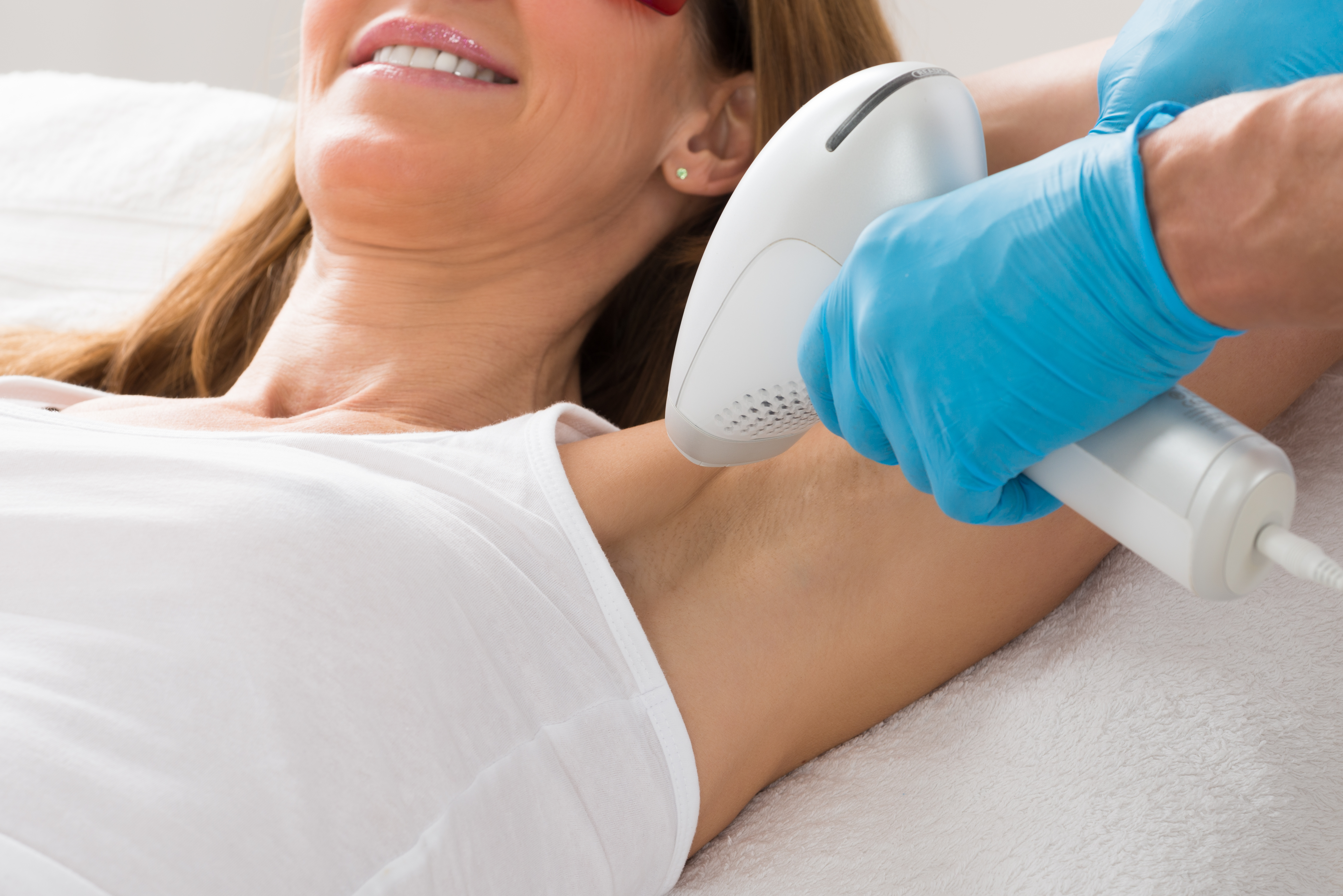





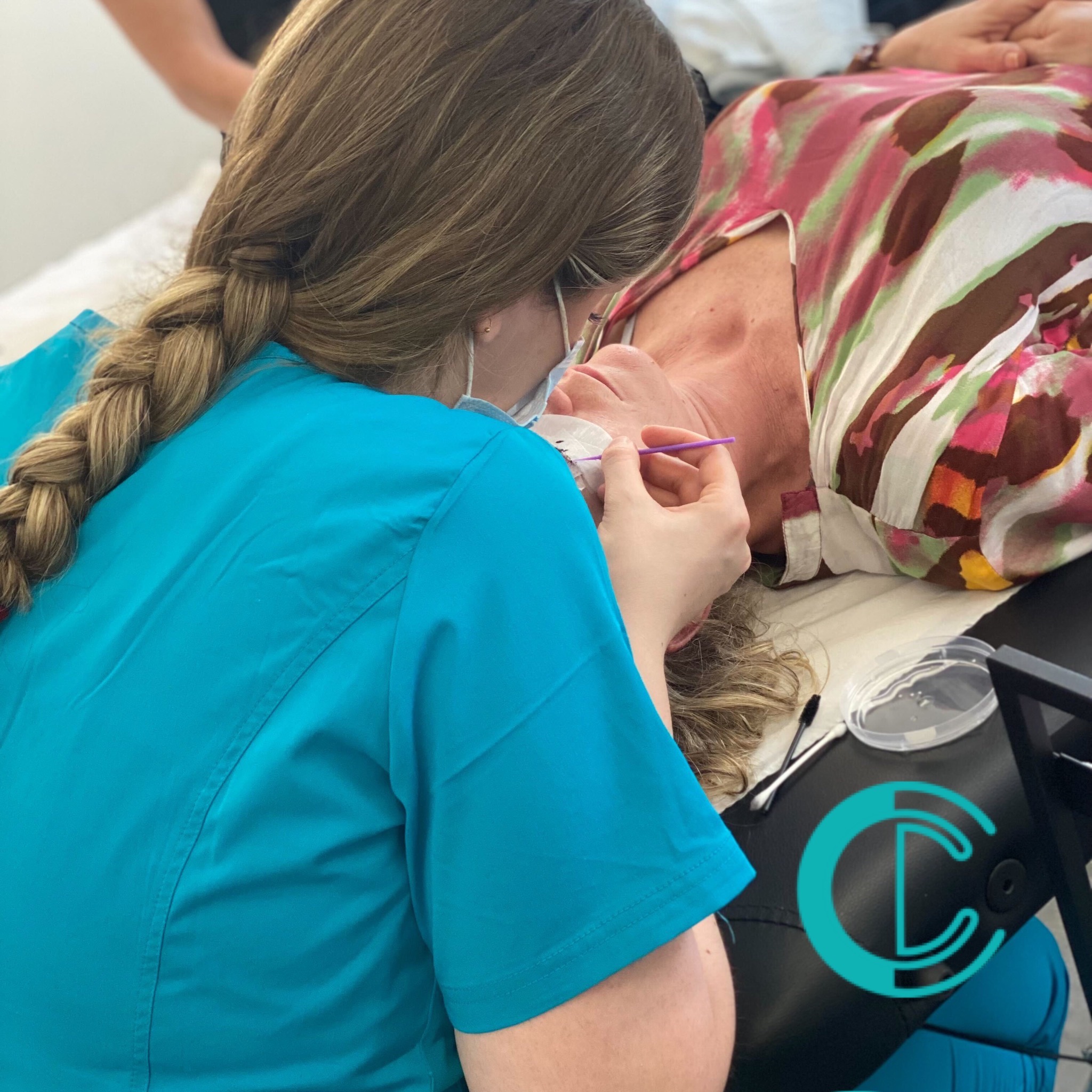


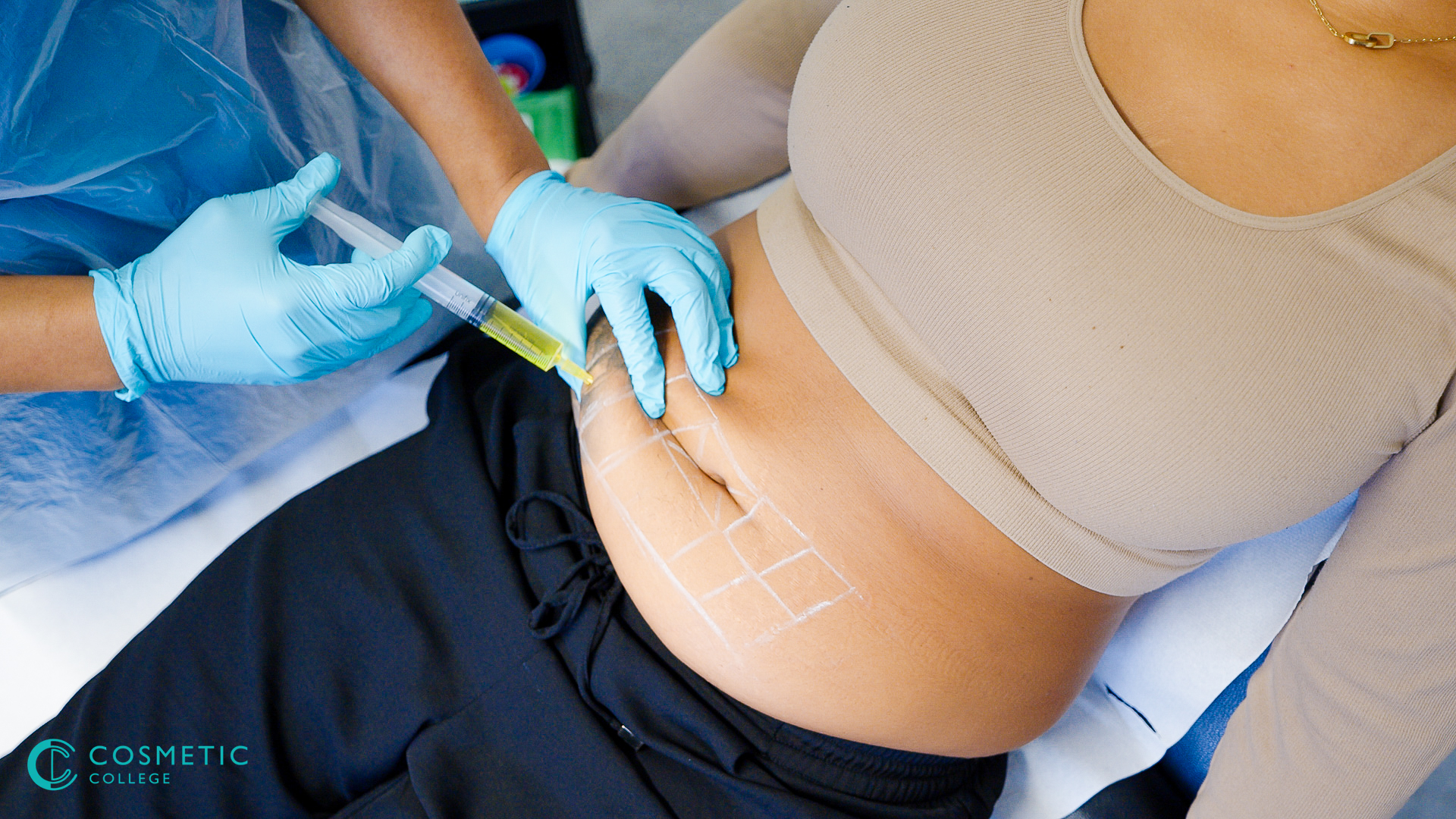
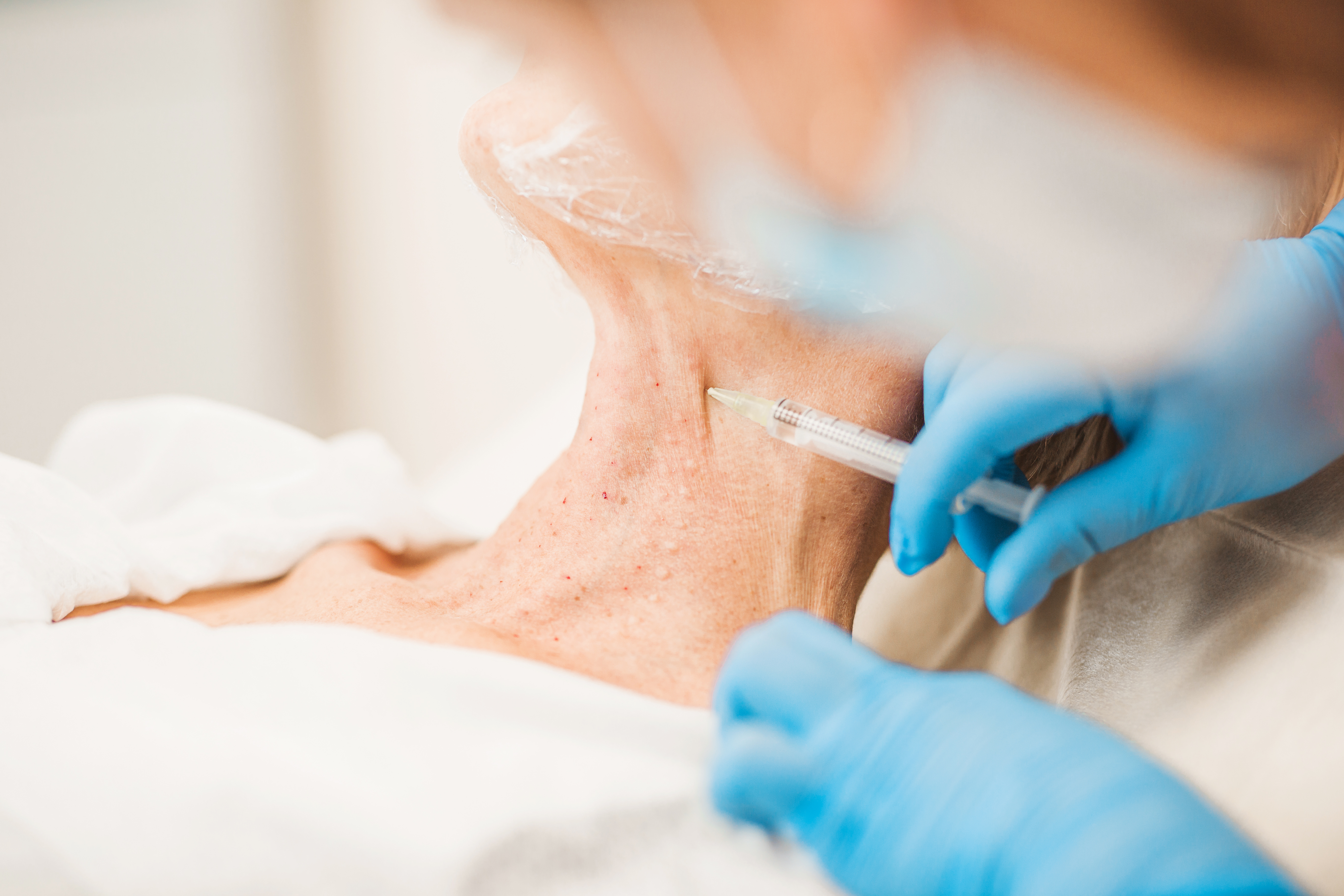



This VTCT laser hair removal course London guide is for learners who want a regulated route into laser services with practical confidence and progression clarity. Finding the right laser hair removal training London provider requires comparing qualification depth, practical supervision, and career support - not just location convenience.
What a strong London laser route should include
The best route is usually not just about equipment time. You also need:
- Strong consultation and suitability process
- Skin and contraindication understanding
- Clear treatment planning and aftercare workflows
- Progression options for additional laser services
- Ofqual-regulated structure for insurance and credibility
Start by reviewing laser route options and upcoming dates. For comprehensive context on what Level 4 actually covers, see our VTCT Level 4 content breakdown.
What the VTCT Level 4 laser course actually covers
The VTCT Level 4 Certificate in Laser and Intense Pulsed Light (IPL) Treatments spans 8-12 weeks of blended learning (combining theory modules with supervised practical sessions and independent study). This timeframe allows learners to move from foundational laser physics through to independent treatment delivery under assessment.
Core theoretical modules include:
-
Laser and light physics fundamentals - Understanding wavelengths, photons, energy delivery, pulse duration, and fluence. How different light sources target different skin conditions. The science behind selective photothermolysis and why certain wavelengths work better for hair follicles versus vascular lesions.
-
Skin anatomy and laser tissue interaction - Advanced study of the skin's layers (epidermis, dermis, hypodermis), melanin distribution, hair follicle structure, and how laser energy is absorbed and dispersed at depth. Critical for understanding why darker skin types require adjusted parameters and why consultation accuracy prevents burns.
-
Fitzpatrick scale classification and client suitability - Detailed assessment of skin types I-VI, understanding phototoxicity risk, contraindications (including medications), and absolute exclusion criteria. Learners practice suitability assessment on live models as part of practical hours.
-
Treatment planning and parameter selection - How to choose appropriate wavelength, fluence, pulse width, and cooling settings for different hair types, skin tones, and target areas. This is not one-size-fits-all; Level 4 teaches the decision-making framework.
-
Infection control and safety protocols - Hygiene standards specific to laser equipment, cross-contamination prevention, electrical safety, eyewear requirements, and incident documentation aligned with Health and Care Professions Council standards.
-
Consultation frameworks and record-keeping - Structured approaches to client questioning, informed consent documentation, risk disclosure, and aftercare instruction. Learners document real consultations as case study evidence.
-
Device operation and maintenance - Hands-on training with specific equipment (usually IPL and diode laser systems), understanding settings, calibration, servicing protocols, and troubleshooting common equipment issues.
-
Aftercare protocols and complication management - Preventing and addressing post-treatment reactions (erythema, temporary pigmentation changes, paradoxical hypertrichosis), managing client expectations, and knowing when to refer clients to medical practitioners.
Practical assessment typically includes:
- 15-25 supervised treatment sessions on live models
- Independent demonstration of suitability assessment on unseen clients
- Treatment delivery with tutor observation and feedback
- Written case studies documenting at least 3 complete treatment cycles
- Theory exam covering physics, anatomy, contraindications, and safety
The 8-12 week duration allows enough spacing for learners to consolidate knowledge, practice on models over multiple weeks, build confidence, and complete assessments without rushing through critical safety competencies.
Prerequisites and readiness
For laser hair removal training London, most learners need a Level 3 Beauty Therapy or Access to Aesthetics qualification. Admissions teams usually assess your background before confirming the best path.
If you are early-stage, check foundational progression options in VTCT pathways and Pathway to Aesthetics. Our admissions team can clarify eligibility via Request a Callback.
Why London for laser training: advantages and market context
London offers specific advantages for laser hair removal training and early-career development that extend beyond simple convenience.
Treatment pricing premiums - London practitioners typically charge 20-30% higher rates for laser hair removal compared to regional UK averages. A full-leg laser course costing £3,500-£5,000 in the Midlands or Scotland might charge £4,500-£6,500 in central London. Single-area treatments (underarms, bikini) commanded £60-£100 regionally but £80-£150 in London. This pricing differential means London learners can amortize course investment faster and reach profitability sooner.
Higher clinic density and model availability - London has the UK's densest concentration of aesthetics clinics, medispas, and beauty studios. This creates two advantages: first, easier access to supervised training slots with live models (many London providers maintain waiting lists of paying clients willing to be treatment models during training hours); second, more networking opportunities with established practitioners for mentorship and referral partnerships post-qualification.
Regulatory and insurance alignment - London-based clinics tend to use more advanced equipment and maintain stricter compliance standards due to higher client expectations and insurance premium pressures. Training in this environment builds stronger professional habits and documentation practices from day one.
Career acceleration pathway - London's larger market supports faster role diversification. After completing Level 4, London-based practitioners can realistically offer laser hair removal alongside IPL skin rejuvenation, vascular lesion treatment, and eventually tattoo removal without relocating. Regional areas may require waiting 12-18 months to achieve sufficient booking volume to justify Level 5 progression; London typically achieves this in 6-9 months.
Earning trajectory for London laser practitioners - Foundation earnings (Year 1, building from zero client base) typically range £28,000-£45,000 across the UK, but London practitioners with clinic employment often start £3,000-£7,000 higher due to location premiums. Growth-phase earnings (Years 2-3, with established client base and expanded services) reach £45,000-£75,000 regionally but £55,000-£85,000 in London with pricing premiums factored in. Advanced practitioners (Years 3+, multi-service offering) can exceed £75,000-£120,000+ annually in London through combination of higher treatment pricing, larger client volume capacity, and faster progression to premium services like Level 7 injectables.
Choosing between providers in London
Evaluate providers on:
- Regulated qualification structure
- Practical assessment quality
- Tutor supervision and learner support
- Progression advice, not just one-course sales
If tattoo removal progression is part of your plan, compare with Level 5 tattoo removal.
Recommended next step
Shortlist your top route and confirm eligibility on a callback. If you are undecided, use the course quiz.
London provider comparison framework
Do not choose on location convenience alone. Use a structured scorecard:
| Criterion | Why it matters | What strong looks like |
|---|---|---|
| Regulated structure | Protects progression and insurability | Clear VTCT pathway with documented outcomes |
| Practical supervision | Improves treatment confidence and safety | Robust practical hours with tutor feedback |
| Case quality focus | Supports consistent real-world outcomes | Strong consultation, contraindication, and aftercare standards |
| Progression advice | Prevents dead-end training choices | Explicit route toward advanced services |
If your long-term plan includes tattoo removal, compare any route against Level 5 laser tattoo removal early so you do not need to re-plan after completing your first laser stage. Also review our complete UK laser guide for nationwide context and pricing comparison.
London earning potential and commercialization reality
After completing your VTCT Level 4 in London, realistic earning expectations depend on your route to market:
Clinic employment route - Starting salary typically £28,000-£35,000 (Year 1) as a junior laser practitioner in a larger London clinic, progressing to £40,000-£55,000 (Years 2-3) as you build your treatment volume and client loyalty. Top clinics in central London may offer £50,000-£65,000 for experienced practitioners. This route offers immediate income stability, access to established client bases, and mentorship from senior practitioners, but limits earning ceiling due to salary structures.
Independent/mobile practitioner route - First-year earnings typically £25,000-£45,000 (depending on how quickly you build a client base and how aggressively you price), scaling to £50,000-£75,000 by Years 2-3 if you maintain 15-20 treatments weekly. London's higher treatment pricing (£80-£150 per area vs. £50-£100 regionally) accelerates profitability. You must account for room rental (£300-£800/month depending on location), insurance (£150-£250/year for laser procedures), and your own marketing spend.
Clinic partnership/ownership route - Requires higher initial capital but allows pricing at full London market rates. After initial investment recovery (typically 18-24 months), this pathway supports £75,000-£120,000+ annual earnings through multiple revenue streams (direct treatment delivery, room rental from other practitioners, product sales, and progression to higher-value services like injectables).
Treatment pricing context: London laser hair removal for full legs typically commands £250-£400 per session (6-8 week intervals, 6-8 sessions full course). Underarms/bikini: £80-£150 per area. Full face/facial hair: £100-£180. The per-treatment revenue is significantly higher in London than regional markets, meaning fewer weekly treatments reach profitability faster.
12-month commercialization plan after qualification
- Month 1-2: Define treatment menu, consultation protocol, and pricing boundaries.
- Month 3-4: Launch with strict suitability criteria and conservative treatment cadence.
- Month 5-8: Track conversion, rebooking, and outcomes to refine service mix.
- Month 9-12: Decide whether to add specialist services based on demand and readiness.
Use Pathway to Aesthetics to map your growth sequence and align training windows with the course calendar.
FAQ
Is this route suitable for non-medics? Yes. The VTCT Level 4 is designed for beauty therapists and aesthetics practitioners. Most learners come from Level 3 beauty therapy backgrounds, not medical professions.
Does a London laser course include practical training? Yes, regulated routes like VTCT Level 4 include supervised practical sessions on live models with final independent assessment. Check delivery details at Request a Callback.
Can I add tattoo removal after laser hair removal? Yes, many learners progress to the Level 5 laser tattoo removal after Level 4. Plan this early to avoid duplication.
How do I know if I am eligible for VTCT Level 4 in London? You typically need Level 3 Beauty Therapy or Access to Aesthetics qualification. Use admissions screening through Request a Callback.
Where can I compare all related VTCT routes? Use the VTCT hub for all accredited pathways and the Pathway to Aesthetics tool.
Can I plan dates before deciding which London provider? Yes, check the training calendar to view all available start dates.
Should I choose the cheapest London option? No. Compare by regulation (Ofqual status), practical supervision quality, and progression support. See our laser course price guide for value comparison.
What is the biggest mistake new laser learners make? Rushing into service launch without a clear protocol for consultation, suitability, and aftercare. Many also fail to plan progression early - see career progression after Level 4.
Does London training cost more than other UK locations? Pricing varies by provider and delivery model, not strictly by location. Compare quality against cost; a slightly higher fee in London may still offer better value if tutor support and progression guidance are stronger.
What happens if I want to add more laser services after Level 4? Many London learners progress directly to Level 5 laser tattoo removal (5-10 days, highly profitable at £300-£800 per session) or expand into IPL skin rejuvenation specializations. Your Level 4 foundation accelerates these additions significantly.
How much should I charge for laser treatments in London? Market rates for full-leg laser: £250-£400 per session (6-8 sessions typical). Underarms/bikini: £80-£150. Face/facial hair: £100-£180. These are 20-30% higher than regional UK averages due to London's client base affluence and clinic overhead costs.
How long until I'm profitable after completing Level 4 in London? Clinic employment: profitable from day one (salary income). Independent practitioners: typically 8-12 weeks to break even on course investment, assuming 12-15 treatments weekly at London pricing. Mobile/room-renting routes depend heavily on how quickly you build your client list.
Should I complete Level 4 before deciding on tattoo removal or other specializations? Yes. Level 4 gives you the foundational laser physics and safety knowledge that accelerates both tattoo removal training (5-10 days to competency, versus needing to re-learn laser fundamentals) and broader laser specialisation. Most London practitioners complete Level 4 first, then add tattoo removal within 3-6 months as demand warrants.
Editorial Standards
Author
Cosmetic College Editorial Team
Aesthetic Education Editorial Team
Cosmetic College specialists and admissions advisers produce this content to help learners choose regulated progression routes and make safer, better-informed training decisions.
Review cycle
Published: 18 January 2026
Last reviewed: 18 January 2026
Reading time: 9 min
Sources and References
- laser route optionscosmetic.college
- upcoming datescosmetic.college
- VTCT Level 4 content breakdowncosmetic.college
- VTCT pathwayscosmetic.college
- Pathway to Aestheticscosmetic.college
- Request a Callbackcosmetic.college
- Level 5 tattoo removalcosmetic.college
- course quizcosmetic.college
- complete UK laser guidecosmetic.college
- pricing comparisoncosmetic.college
- career progression after Level 4cosmetic.college