












If you are planning aesthetics training finance uk, use a route-first budget model based on accredited aesthetics training UK qualifications.
The goal is not only to afford the first course, but to fund the full progression route without stalling mid-way. Smart financing aligns with your career pathway from entry through advanced practice.
Build your training budget in 3 layers
1) Qualification layer
Map spend for the training sequence you actually need.
2) Setup layer
Include insurance, consumables, and core operating costs.
3) Stability layer
Hold a buffer for slower months so repayments stay manageable.
Start your route map with all aesthetics courses, VTCT pathways, or Pathway to Aesthetics.
What aesthetics training actually costs by level
Understanding the real cost of qualifications is critical to avoiding financial shocks. These figures include tuition only and exclude the additional setup costs covered below.
| Qualification Level | Duration | Typical Cost | What's Included |
|---|---|---|---|
| Level 3: Access to Aesthetics | 4-6 weeks | £1,500-£2,500 | Anatomy, physiology, consultation, hygiene, professional ethics, basic facial treatments |
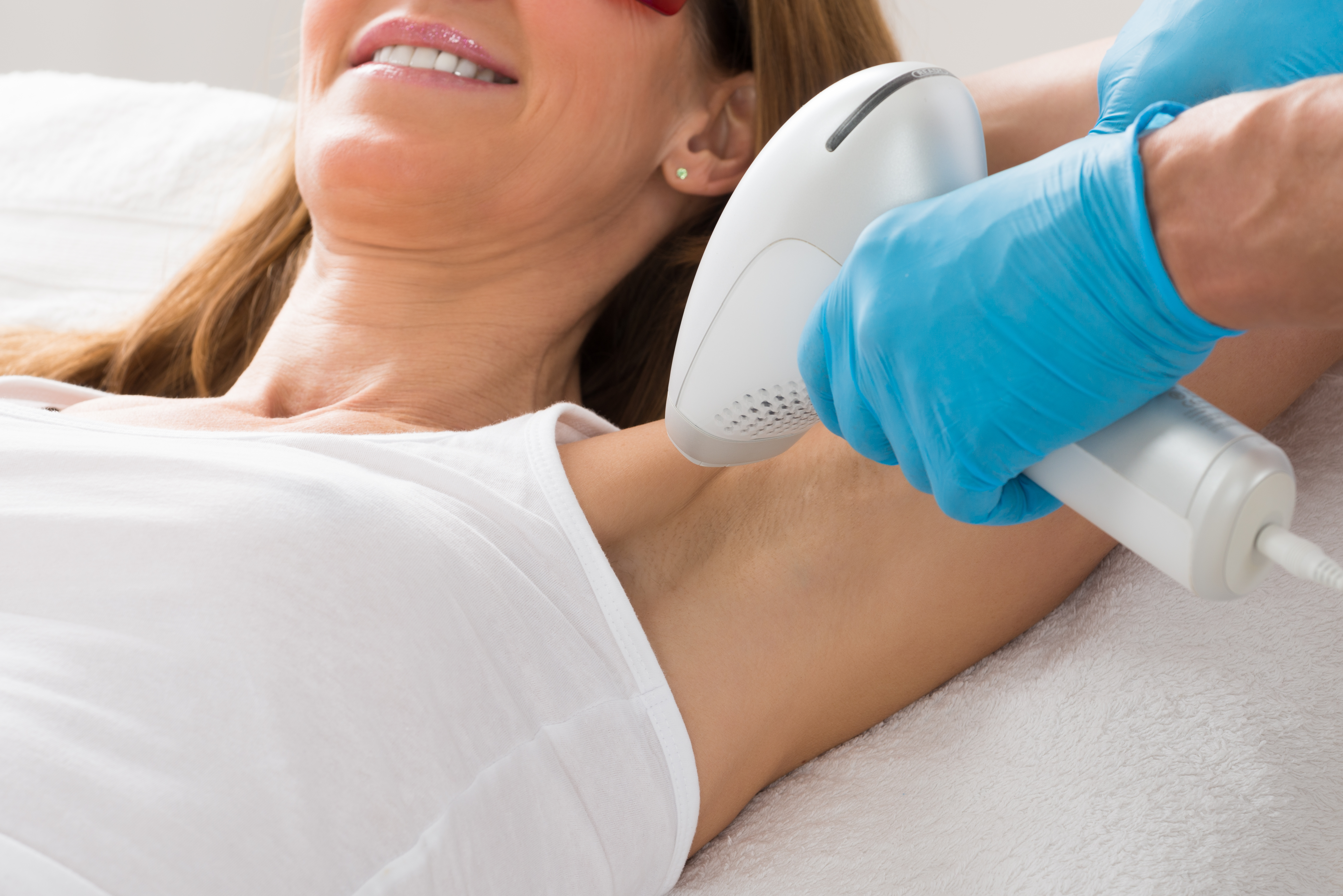
| Level 4: Laser & Advanced Facials | 8-12 weeks | £2,500-£4,000 | Laser/IPL theory, advanced facial treatments, skin rejuvenation, tissue interaction, consultation refinement |
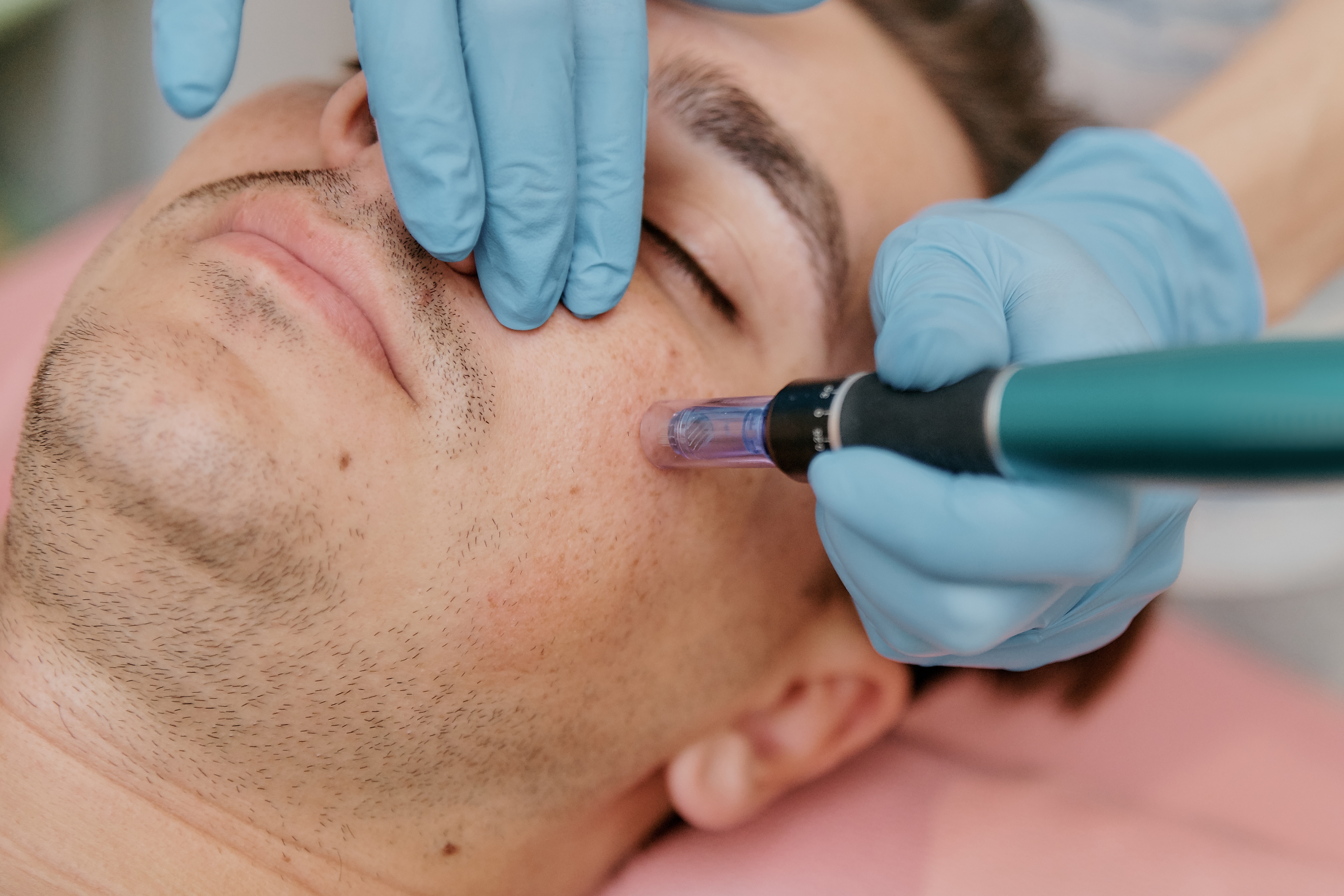
| Level 5: Skin Procedures | 8-12 weeks | £3,000-£5,000 | Microneedling, chemical peels, mesotherapy, corrective protocols, advanced peeling techniques |
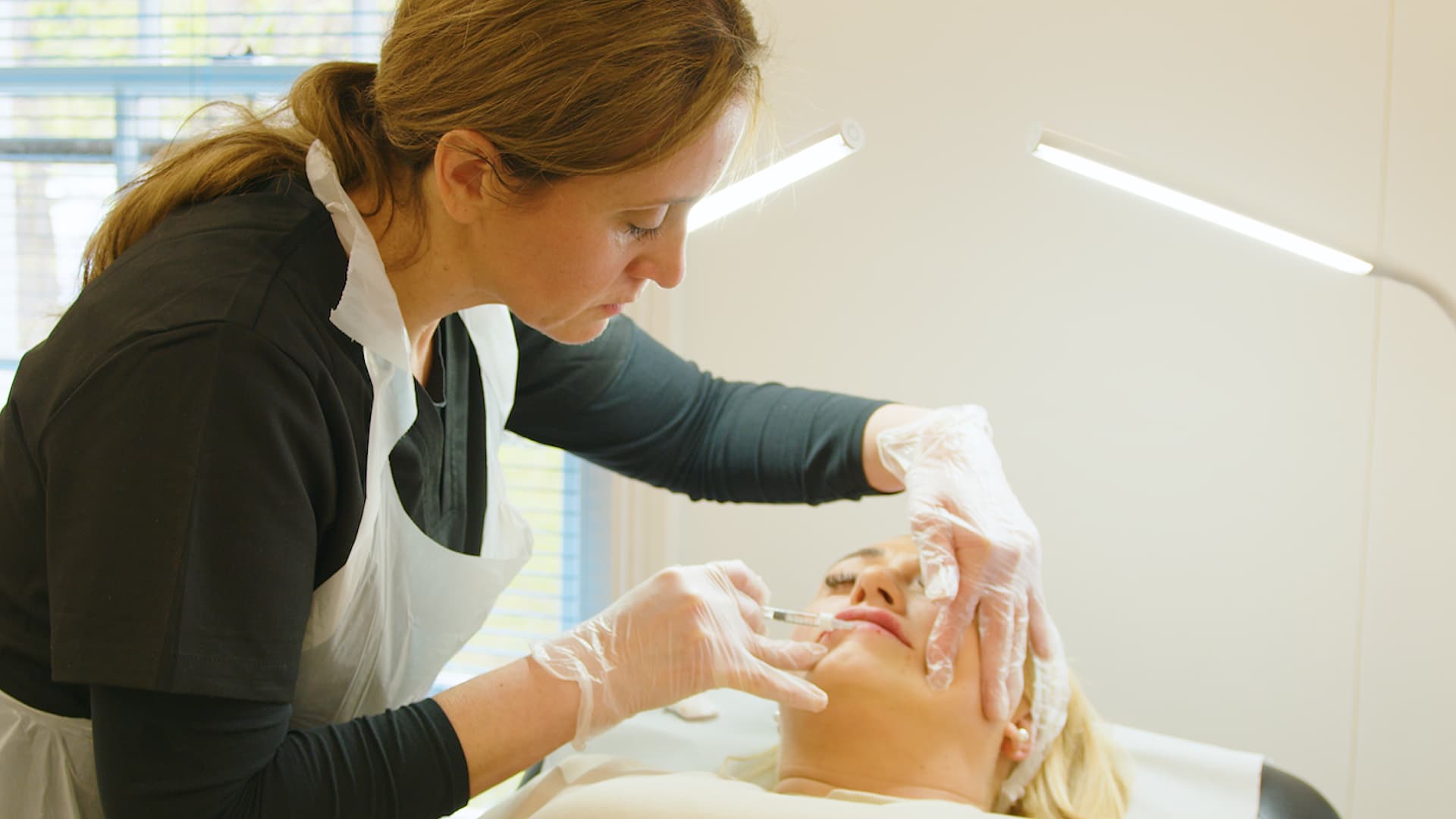
| Level 7: Diploma (Injectables) | 6-12 months | £5,000-£8,000 | Dermal fillers, botulinum toxin, advanced anatomy, pharmacology, complication management, live model portfolio |
| Complete pathway (Level 3 to 7) | 18-36 months | £7,000-£19,500+ | Full progression from entry to advanced practice with all qualifications |
These costs vary by provider and include blended learning (online theory plus in-person practical days). Some providers offer payment plan options that spread the cost, which can ease cash flow planning - explore this when comparing providers.
Additional costs beyond course fees
Training fees are only part of the investment. These secondary costs often catch practitioners by surprise, so budget for them upfront:
Professional Indemnity Insurance: £100-£300 per year. This is non-negotiable - insurers require proof of accredited training, and insurance is essential for employment or self-employment. Start researching insurers early; premium varies by treatment scope (Level 3 is lower cost than Level 7 injectables).
Equipment and Consumables (if self-employed or launching treatments):
- Facial treatment kit basics: £300-£1,000
- Laser/IPL equipment: £2,000-£15,000+ (often leased initially)
- Microneedling devices and cartridges: £500-£3,000
- Filler and botulinum toxin inventory (Level 7): £2,000-£8,000 initial stock
- Ultrasound, LED therapy, other modalities: £1,000-£5,000 each
Premises and Facilities:
- Clinic rental (if not employed): £500-£2,000+ per month depending on location
- Mobile setup (consumables, insurance, transport): £1,000-£3,000 initial
- Home salon setup (if permitted): £2,000-£10,000 initial renovation
Professional Membership and Regulation:
- JCCP, CPSA, or Save Face registration: £100-£300 annually
- Health and Care Act 2022 mandatory licensing (when implemented): expect registration fees
- CPD (continuing professional development) requirements: £200-£500 annually
Marketing and Client Acquisition:
- Website, social media setup: £500-£2,000 initial
- Before/after photography (professional): £200-£500
- Advertising and promotional materials: £200-£1,000+ monthly depending on strategy
Total non-tuition costs for year one: £3,000-£25,000+ depending on whether you're employed or self-employed, and which treatments you offer.
Finance options commonly available
Most training providers and external lenders offer flexible finance approaches:
Payment Plans Through Providers: Many accredited training programmes (including VTCT courses) offer staged payment plans - often 2-6 installments - with no interest. This is the most accessible option and typically aligns with course start dates. Ask about this at enrolment.
Staged enrolment: Rather than paying for all qualifications upfront, enrol level-by-level. This spreads costs across 18-36 months and allows you to generate revenue between courses to fund the next stage. For example: Level 3 (£2,000) in month 1, Level 4 (£3,500) in month 4, Level 5 (£4,000) in month 8.
Employer Sponsorship: If you're employed in a clinic or salon, many offer tuition reimbursement or sponsorship for staff training. Costs may be recovered through service revenue commitments. Always check your employment terms.
Personal loans: Banks and credit unions offer unsecured personal loans at 3-8% APR (depending on credit score). These work well for total pathway costs £10,000+, as the monthly payments are manageable.
0% finance over 12-24 months: Some finance companies offer interest-free periods. Use these carefully - ensure your repayment projections account for slower revenue months.
The key is aligning your finance choice with your revenue timeline. Staged finance works best because training revenue (client fees) overlaps with repayment periods.
Cash-flow planning for your first year
Revenue doesn't start immediately after training. Here's a realistic first-year timeline:
Months 1-6: Training Phase (Heavy outflow, minimal revenue)
- Month 1-2: Level 3 course (£2,000 outflow)
- Months 2-6: First treatments, low-volume client base, revenue £500-£2,000/month
- Monthly operating costs: £500-£2,000 (insurance pro-rata, small consumables)
- Running cumulative cost: £4,000-£6,000
Months 7-9: Early Growth (Outflow continues, revenue builds)
- Month 7: Level 4 course (£3,500 outflow)
- Months 7-9: Revenue grows to £2,000-£5,000/month as client base and confidence increase
- Monthly operating costs: £500-£2,000
- Running cumulative cost: £7,000-£10,000 (partially offset by revenue)
Months 10-12: Consolidation (Revenue should approach break-even)
- Months 10-12: Revenue £3,000-£8,000/month with repeat clients and referrals
- Level 5 enrolment decision made (plan for month 1 of year 2)
- Monthly operating costs: £500-£2,000
- Year-end net position: Many practitioners reach £20,000-£35,000 part-time revenue; full-time practitioners reach £35,000-£55,000
These projections assume:
- You're offering Level 3-4 treatments (facials, laser, basic skin procedures)
- You start with realistic pricing (chemical peels £80-£200, microneedling £150-£350, laser £50-£150/area)
- You have 15-25 regular clients by month 12
- You manage marketing costs within £200-£500/month
If you're aiming for full-time practice, aim to break even by month 9-10 and build margin from month 11 onwards.
Match finance structure to route timing
| Finance decision | Better approach |
|---|---|
| Course sequencing | Stage payments around progression milestones |
| Repayment pressure | Plan against conservative revenue, not best-case |
| Intake timing | Align with available dates and workload |
Review realistic scheduling in the training course calendar.
Cash-flow pitfalls to avoid
- Committing to multiple advanced modules too early
- Ignoring operating costs outside tuition
- Using short-term low-cost options that break progression flow
- Delaying route planning until after enrolment
If you need route and budget guidance together, request a callback.
90-day finance planning checklist
- Set one service objective for the next quarter.
- Choose only the qualification stage needed for that objective.
- Confirm repayment sustainability under low-demand assumptions.
- Schedule course dates and reserve buffer capital.
- Reforecast monthly as route progress changes.
For detailed context, also read:
- Finance Options for VTCT Aesthetics Training
- Aesthetics Career Pathway UK: Beginner to Advanced
- How to Start a Career in Aesthetics UK
FAQ
Is finance the right option for every learner?
Not always. It depends on route certainty and repayment resilience. If you're uncertain about your career path, staged payments tied to progression milestones work better than lump-sum investment. If you have savings or employer sponsorship, you may be able to fund Level 3 upfront and use early revenue to fund Level 4. Review your cash flow projections before committing to any financing.
Should I fund the full pathway upfront?
Many learners perform better with staged financing tied to progression milestones. Funding Level 3-7 upfront (£7,000-£19,500) creates pressure to launch all services immediately, which risks poor competence and lower-quality client outcomes. Staged approach: Level 3 (£2,000), then Level 4 after 3-4 months when you've generated client revenue, then Level 5-7 based on market demand and clinical readiness. This also preserves cash for equipment and marketing as you progress.
How much buffer should I hold?
A realistic buffer should cover repayments during slower months, plus equipment replacement and insurance renewals. Aim for 2-3 months of operating costs (£1,000-£6,000 depending on practice model). This covers: course repayments, insurance, consumables, facility costs, and unexpected equipment replacement. Many new practitioners underestimate seasonal variation - summer and January-February are often slower, so buffer planning is critical.
Is route planning part of finance planning?
Yes. Strong finance decisions depend on clear route sequencing. If you fund courses that don't align with your target market (e.g., expensive Level 5 microneedling training when your clients want facials), you'll struggle to generate revenue to cover repayments. Your finance plan should map to specific treatments you'll offer and realistic demand for those treatments in your market.
Can I get help aligning finance with course route?
Yes. Use Request a Callback and explore best aesthetic course quiz. Many learners benefit from discussing their specific cash flow situation with an admissions advisor before enrolment. They can confirm which payment plan options are available, what hidden costs apply to your target treatment pathway, and how to pace courses for sustainable repayment.
What should I do first?
Define your route, then choose a finance cadence that supports it. Check training course calendar to align payment timing with course dates. Specifically: (1) Decide what treatments you'll offer (facials/laser/injectables/microneedling); (2) Map the qualifications needed (Level 3→4→5 or 3→4→7); (3) Calculate total cost including non-tuition expenses; (4) Project realistic client revenue month-by-month; (5) Choose a payment structure that lets repayments stay below 50% of projected monthly revenue.
What are realistic earnings during the repayment period?
Year 1 part-time practitioners typically generate £20,000-£35,000 revenue; full-time practitioners £35,000-£55,000. This assumes Level 3-4 treatments at market rates (facials £80-£150, laser £50-£150/area, microneedling £150-£350). Level 7 injectables practitioners who've built a client base can reach £75,000-£120,000+ annually, but this takes 24-36 months to establish. Factor your target revenue level into monthly repayment calculations - if payments exceed £1,500/month, staged funding is safer.
Should I use 0% finance or take a personal loan?
0% finance is attractive for short durations (12 months), but ensure you build sufficient revenue buffer before committing. Personal loans at 3-6% APR are often better for longer repayment periods (24+ months) because they protect you if business growth is slower than projected. 0% finance with penalty if you miss a payment is risky; personal loans have more flexible terms.
Editorial Standards
Author
Cosmetic College Editorial Team
Aesthetic Education Editorial Team
Cosmetic College specialists and admissions advisers produce this content to help learners choose regulated progression routes and make safer, better-informed training decisions.
Review cycle
Published: 6 February 2026
Last reviewed: 6 February 2026
Reading time: 8 min
Sources and References
- all aesthetics coursescosmetic.college
- VTCT pathwayscosmetic.college
- Pathway to Aestheticscosmetic.college
- training course calendarcosmetic.college
- callbackcosmetic.college
- Finance Options for VTCT Aesthetics Trainingcosmetic.college
- Aesthetics Career Pathway UK: Beginner to Advancedcosmetic.college
- How to Start a Career in Aesthetics UKcosmetic.college
- best aesthetic course quizcosmetic.college