










If you are comparing VTCT training London providers for your aesthetics progression, choose based on pathway quality and practical outcomes, not brand promises or headline discounts. This guide helps you evaluate VTCT beauty training providers across London against verified quality and progression criteria.
Four checks before you shortlist
-
Qualification clarity: are level outcomes explained clearly? Verify that the provider explains exactly what you'll be qualified to deliver after each level, treatment scope boundaries, assessment criteria, and RQF recognition. Reputable providers give this information freely; providers that rely on sales pressure without detail should be avoided.
-
Progression logic: does the route align with your next 2-3 steps? Request a complete pathway map showing all four VTCT levels (3-7), duration of each, practical delivery frequency, assessment timelines, and total investment. A provider offering only Level 3 in isolation is less preferable than one supporting your full 12-24 month progression from entry through advanced.
-
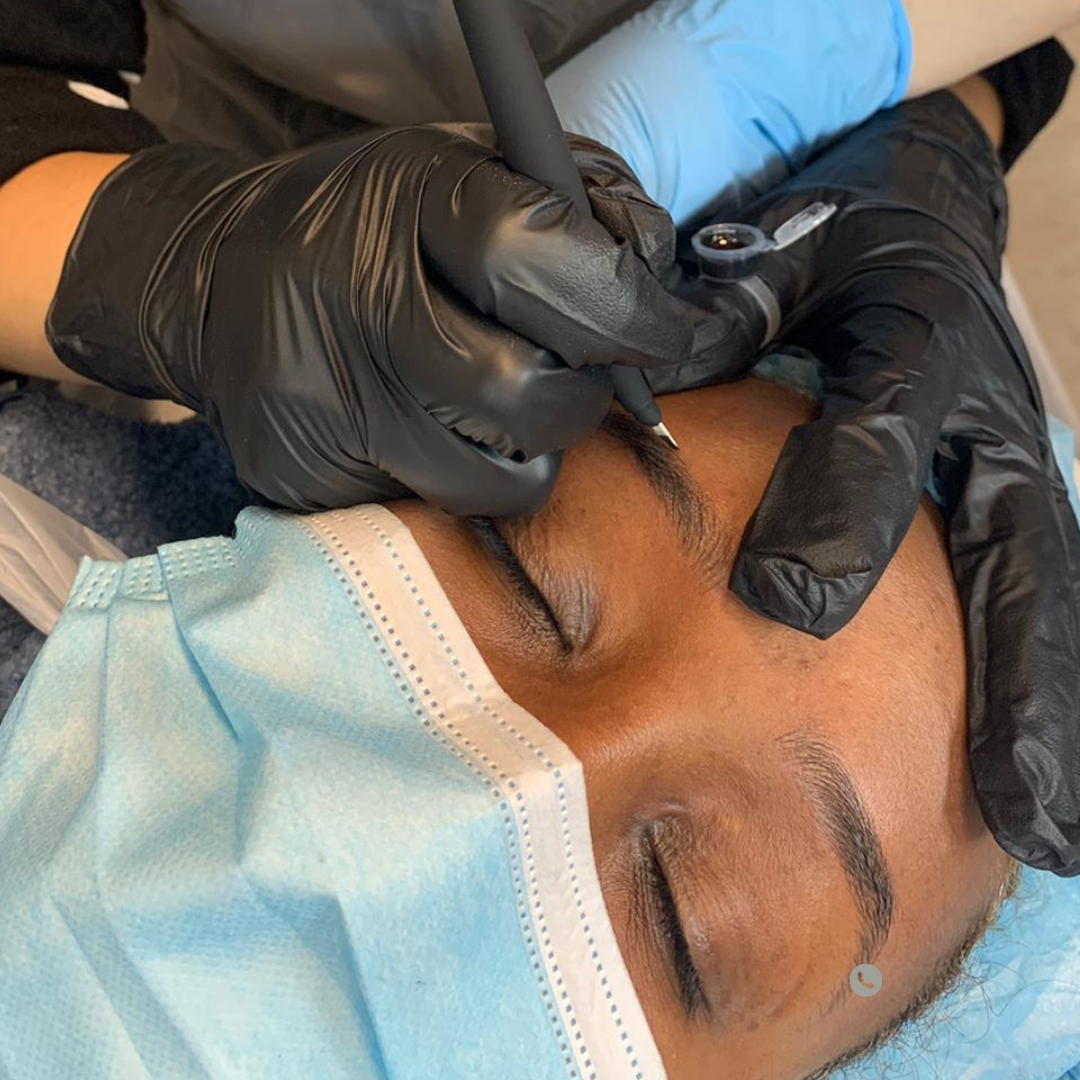
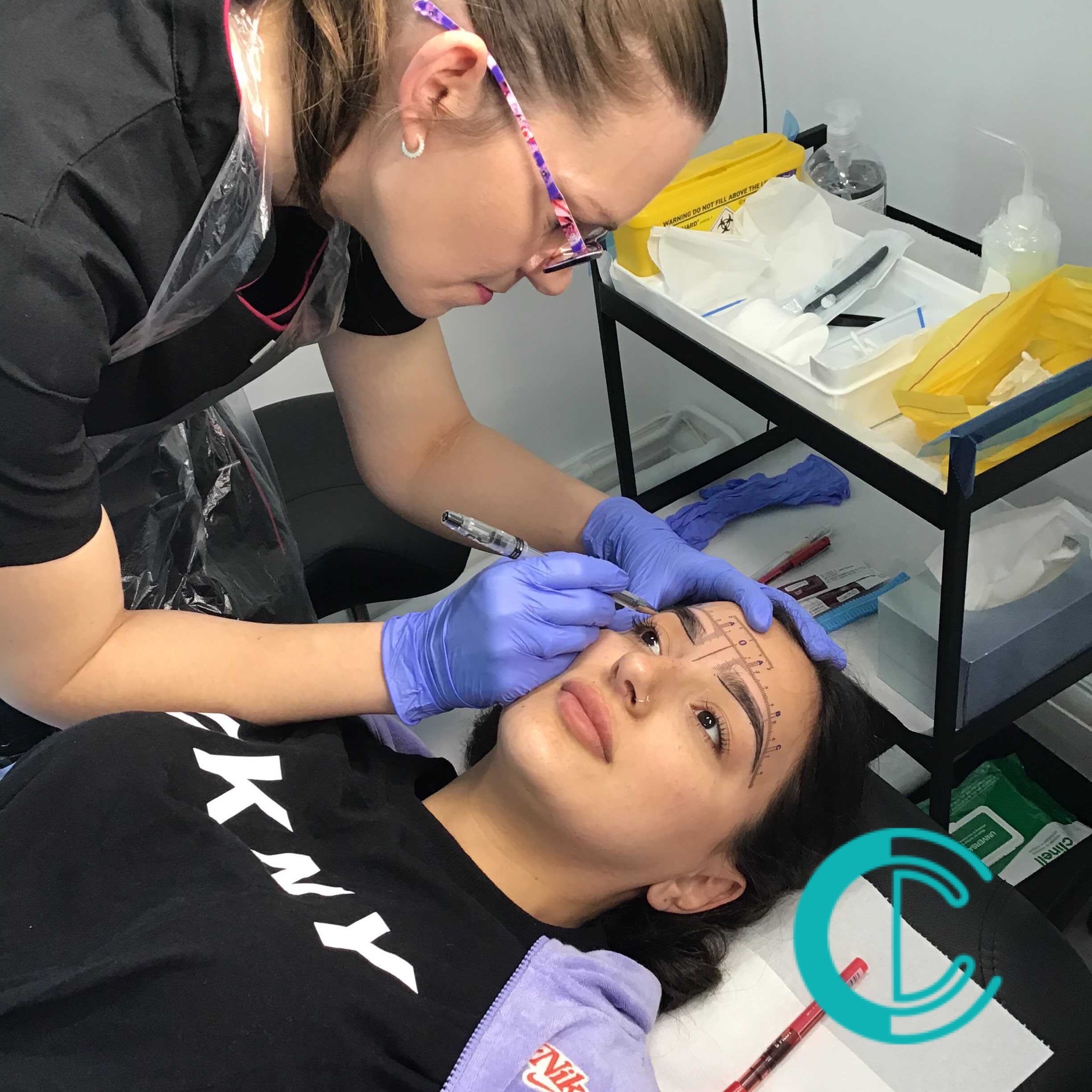
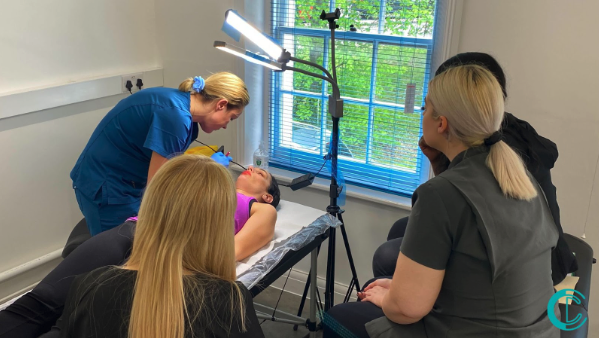
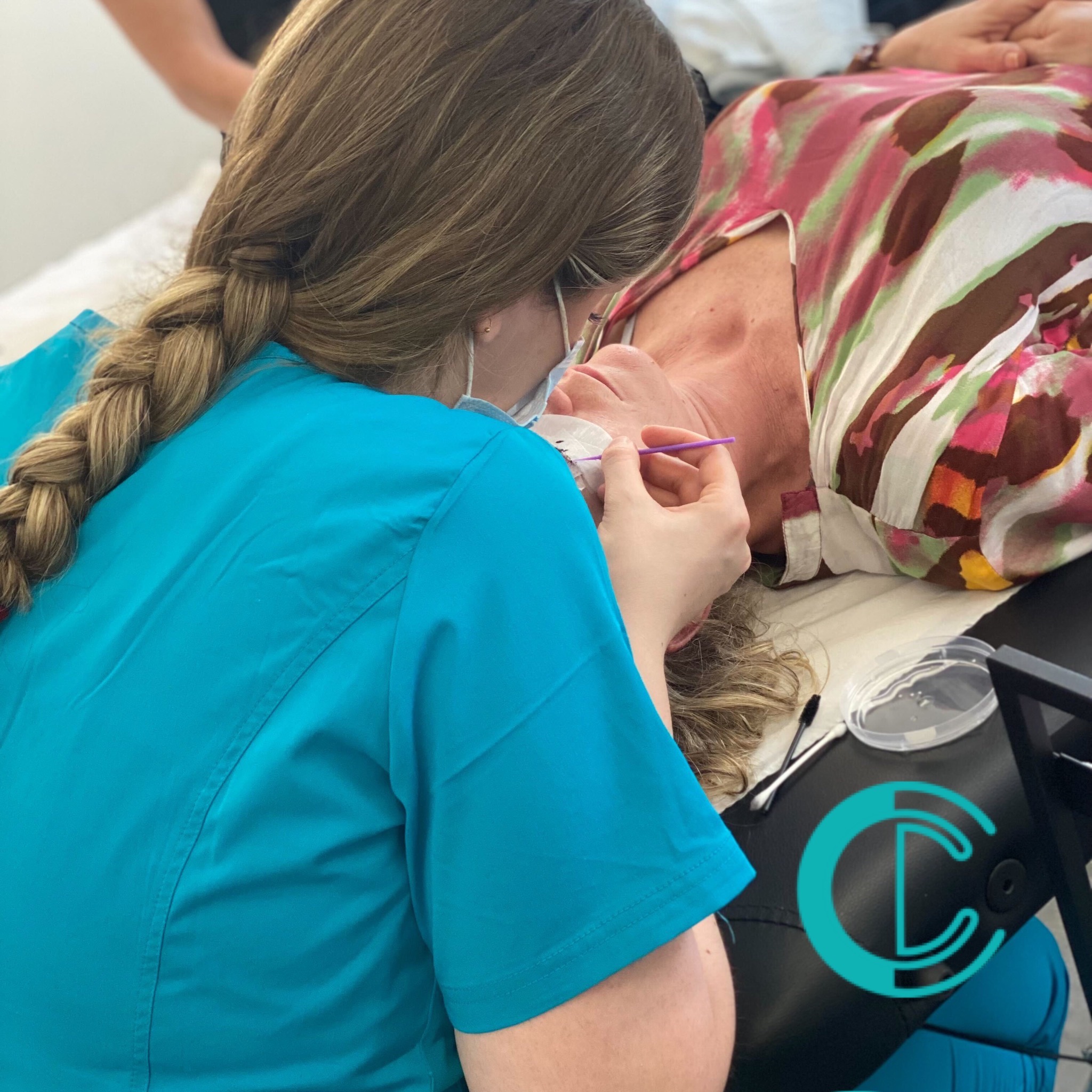
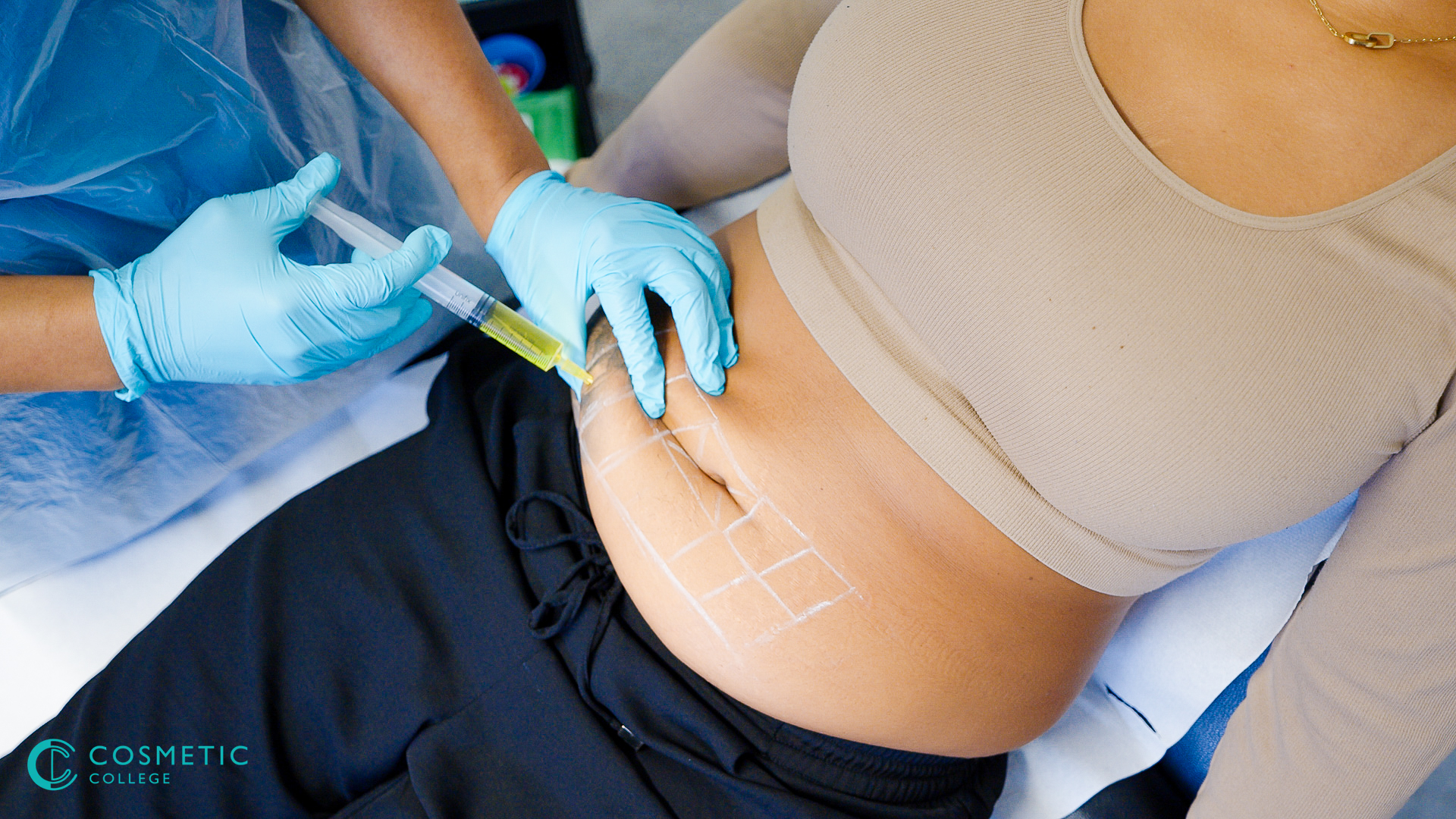
Practical quality: will training build real treatment confidence? Ask specifically about live model availability, facility equipment, group size during practicals (ideal 6-12 learners maximum), ratio of online to in-person training, and how assessment works (observation of live treatments, not just written tests). Request to visit the practical facilities or watch a training session if possible.
-
Admissions guidance: do you get honest route advice before payment? A quality provider will ask detailed questions about your background, goals, timeline, and constraints before recommending a course. If a provider tries to enrol you immediately without understanding your situation, they're prioritising revenue over your success. Request a route plan in writing before paying any deposit.
Start comparison from the VTCT courses hub to ensure you're comparing providers offering accredited training.
What London VTCT providers should offer
When evaluating any VTCT beauty training provider in London, ensure they provide genuine quality across these specific areas:
Training Facilities & Equipment:
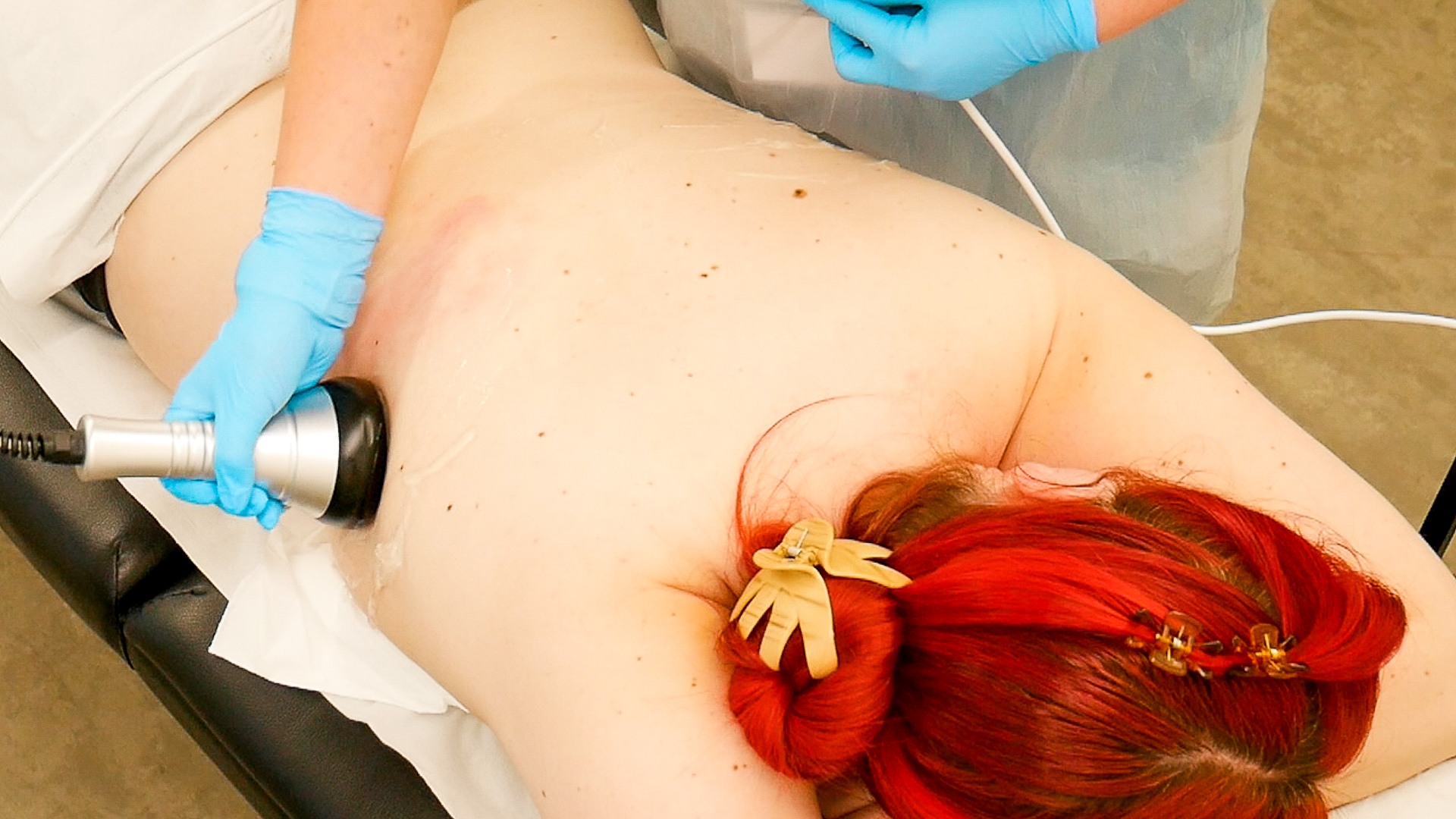
- Dedicated practical training rooms with professional treatment beds/couches
- Proper lighting (ideally LED panels simulating natural light for skin assessment work)
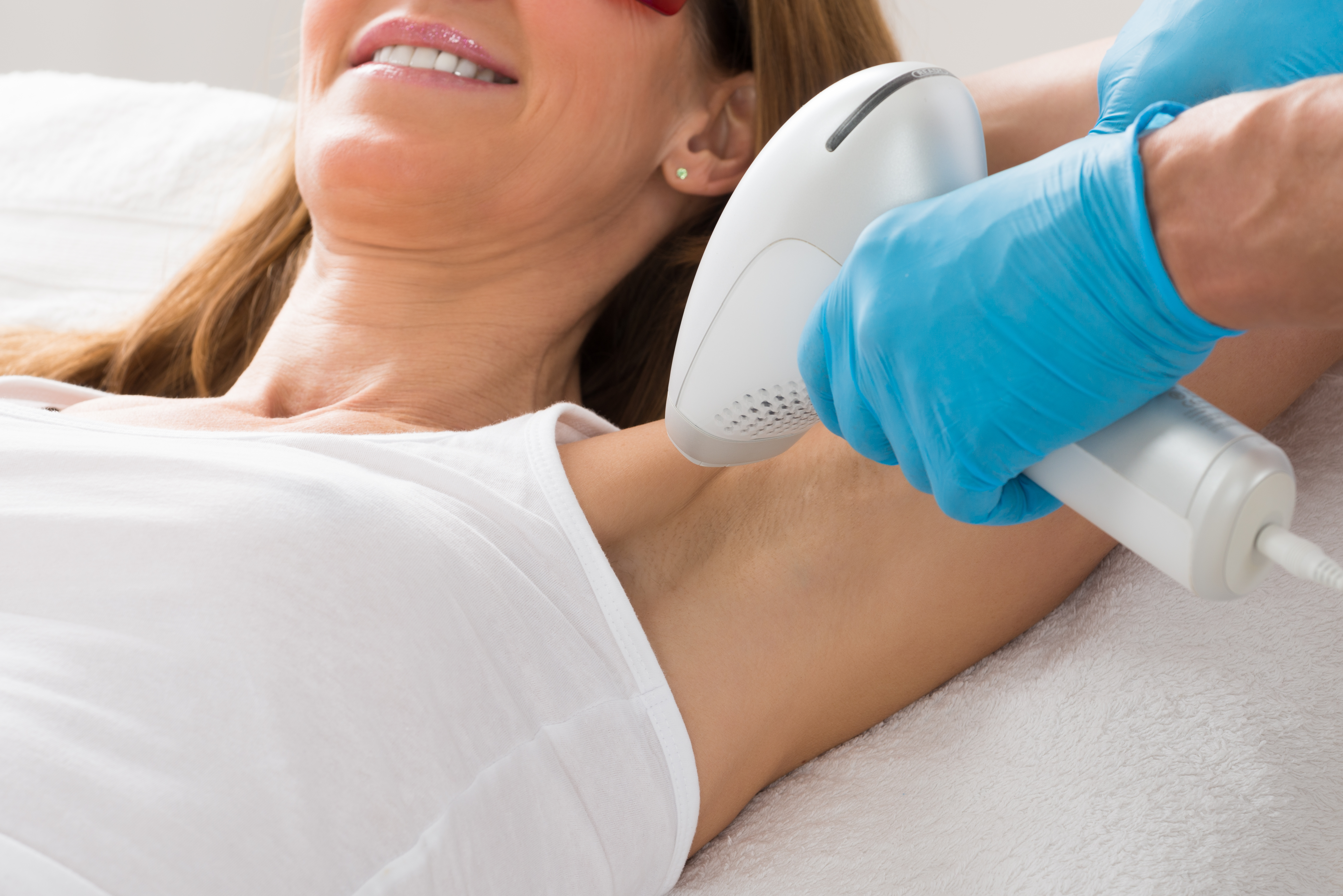
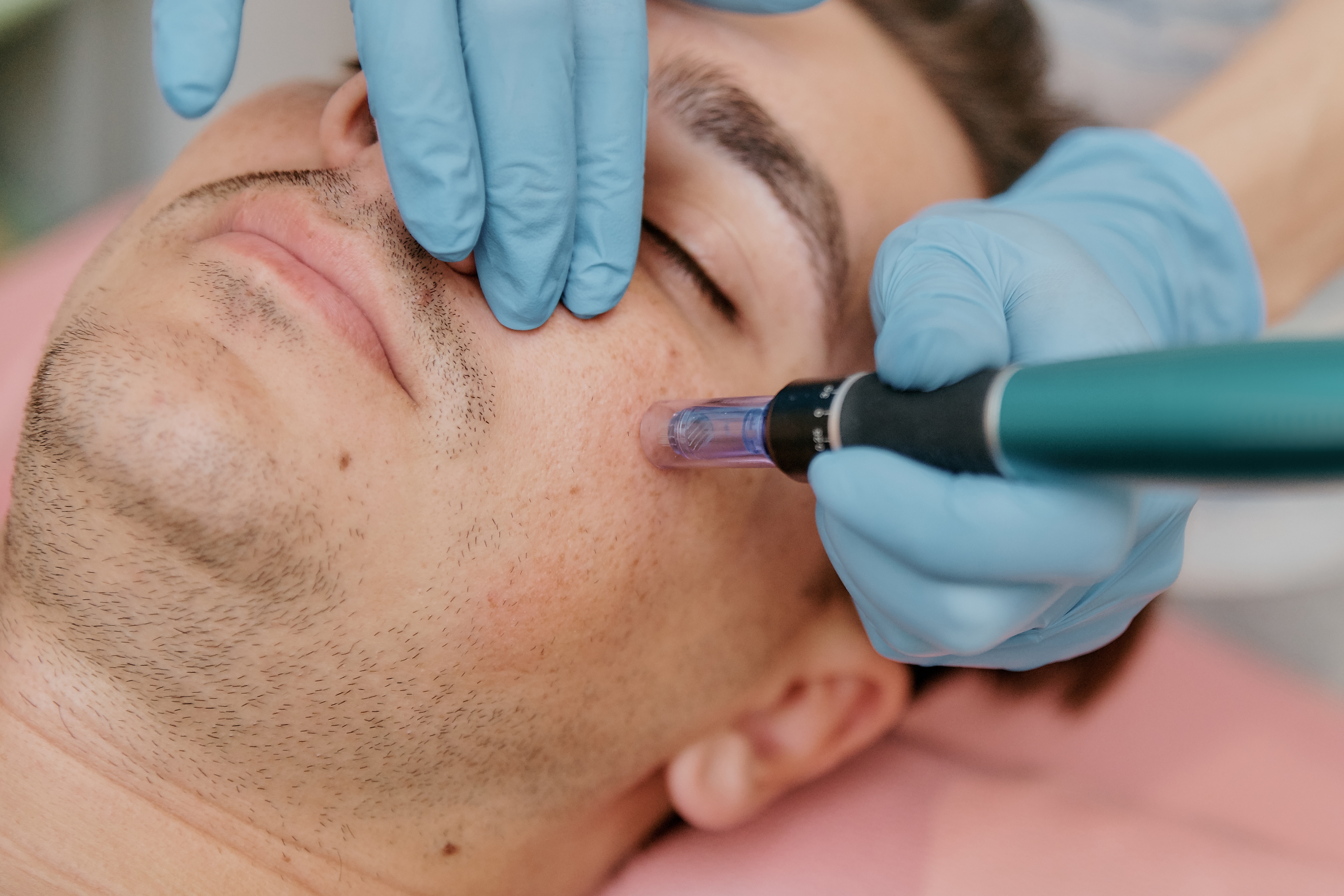
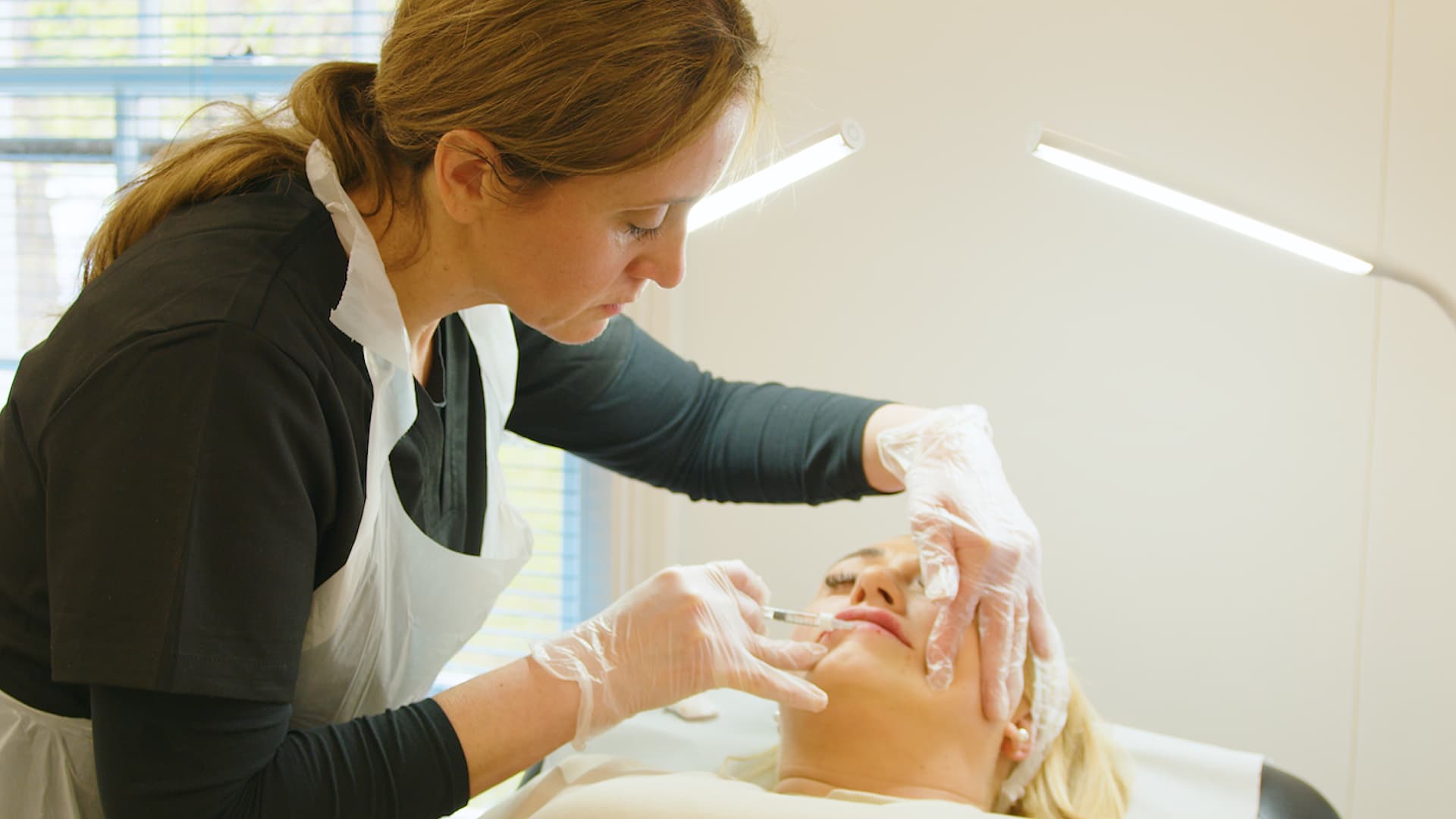
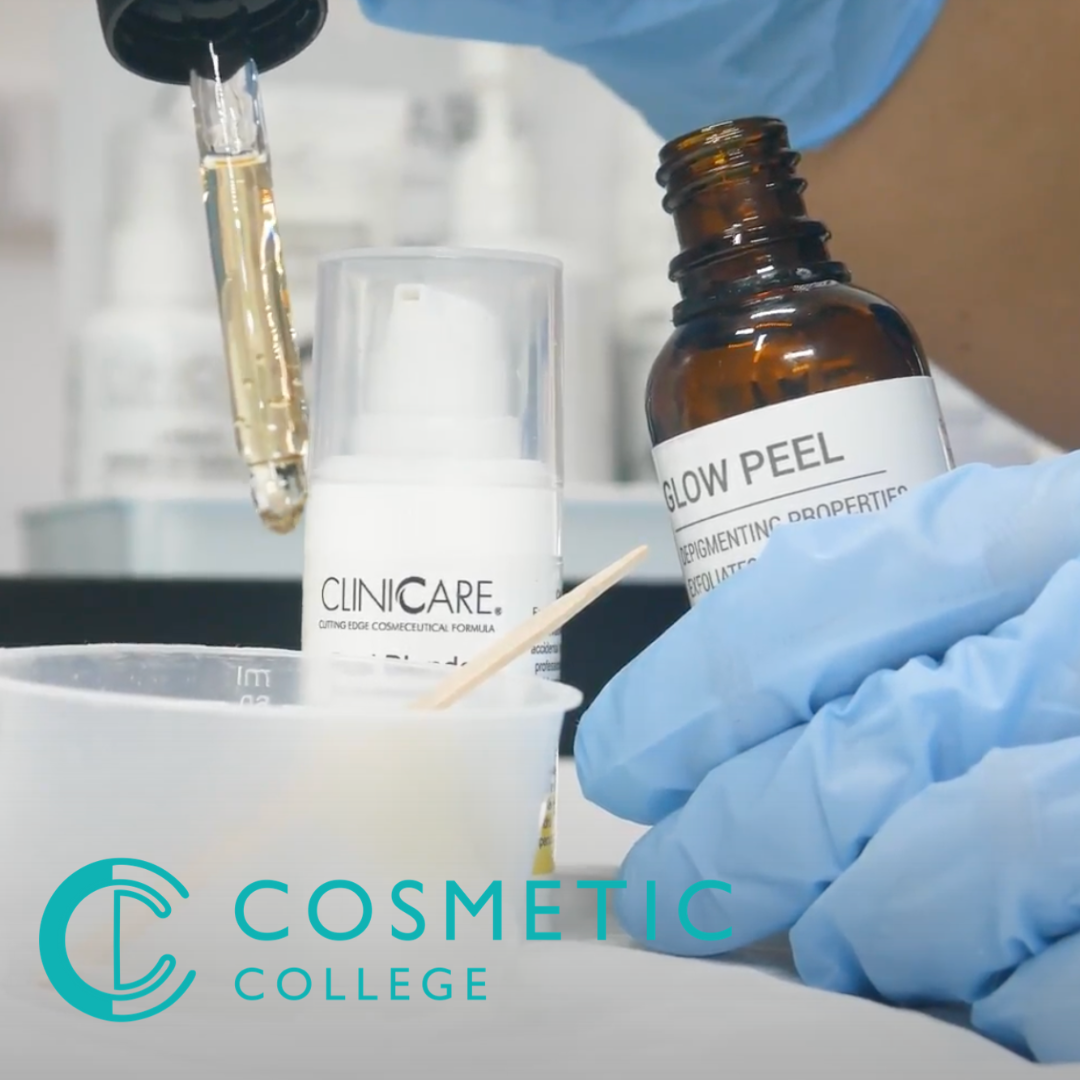
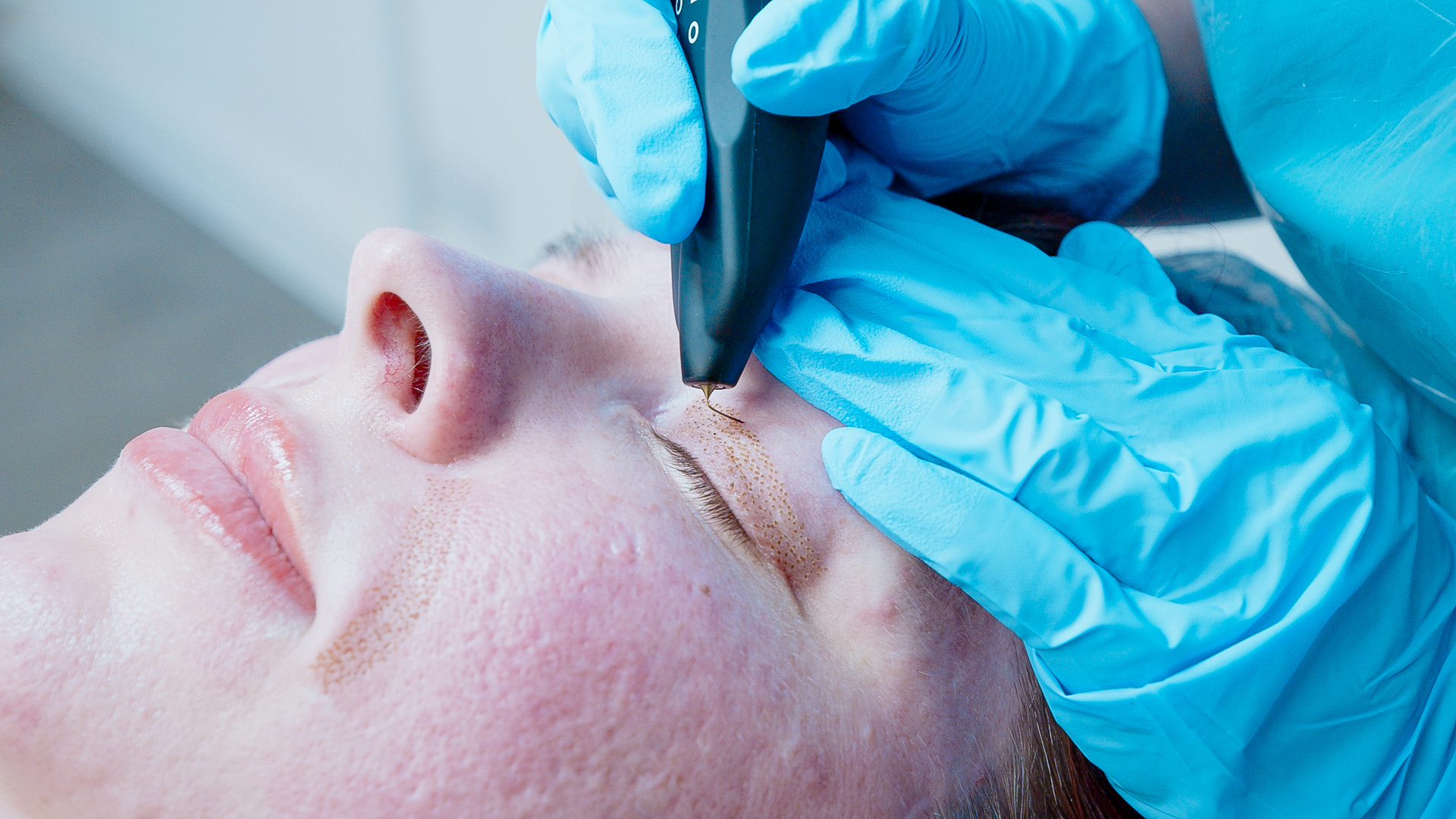
- Professional-grade equipment available: laser/IPL machines (for Level 4), microneedling devices (for Level 5), dermal filler demonstration models (for Level 7)
- Sterilisation facilities (autoclave or equivalent) meeting health and safety standards
- Properly equipped anatomy and physiology resource area with models, diagrams, reference materials
Live Model Availability:
- Scheduled access to live models throughout your practical training (not just video demonstrations)
- Real-world diversity in model skin types, conditions, concerns (different ethnicities, ages, skin conditions)
- Safe, professional environment for practising on live clients with informed consent
- Feedback mechanism from models on your consultation skills and treatment safety
- Supervised assessment opportunities with qualified assessors observing your techniques
Practical Training Structure:
- Balanced blended learning: 60% online theory, 40% in-person practical days
- Scheduled, commitment-based practical blocks (not ad-hoc or on-demand only)
- Small group sessions (6-12 learners maximum) for hands-on training
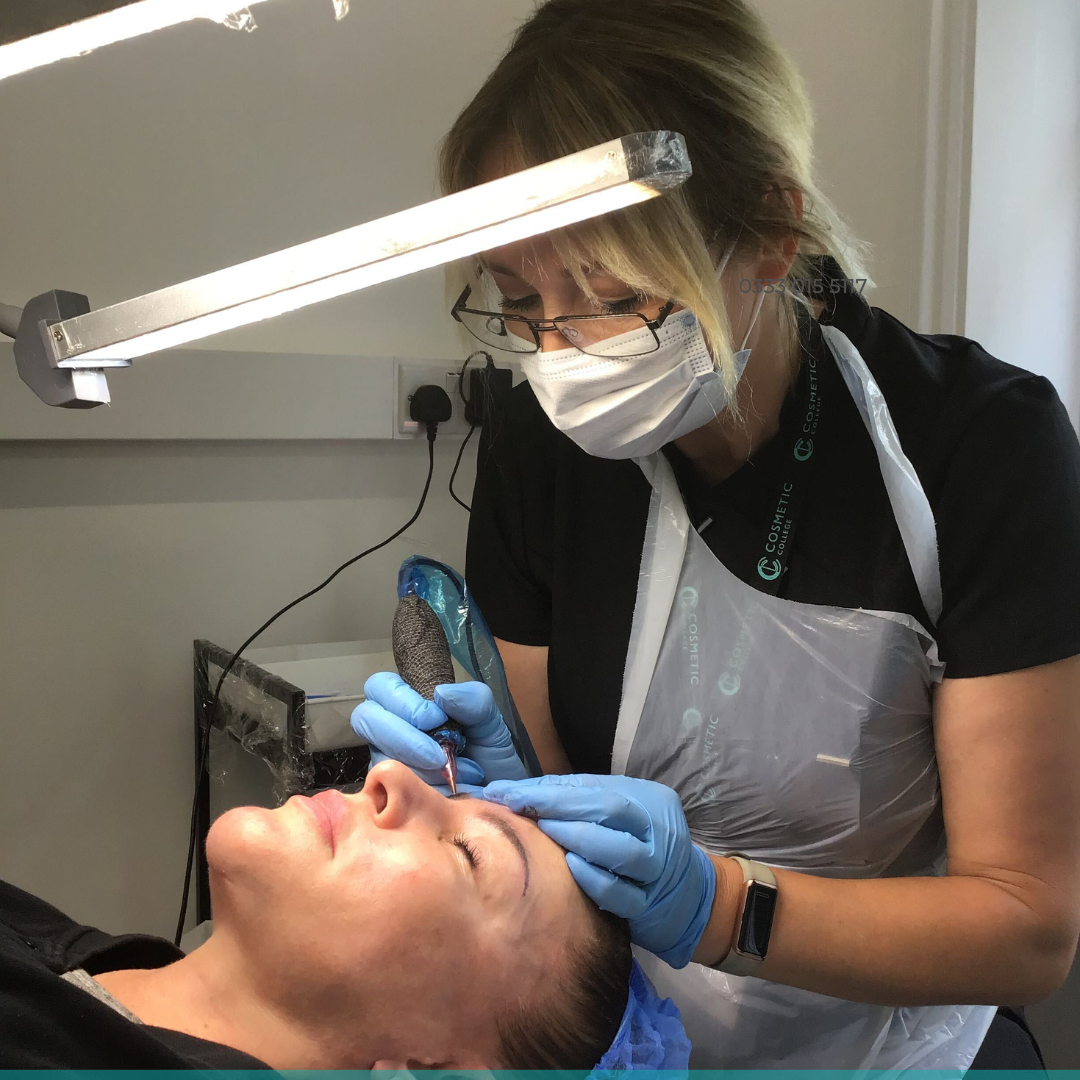
- Supervised practice time where you deliver treatments under trainer observation and feedback
- Progressive complexity: basic techniques → supervised practice → live model assessment
Practical Location & Convenience:
- Central London location with public transport access (significant time saving vs. commuting from suburbs)
- Reliable, consistent timetable (not frequently cancelled or rescheduled practical days)
- Flexibility options: weekend blocks, weekday evenings, or intensive daytime programmes depending on your schedule
- Clear parking information if required, or proximity to tube/bus stations
- Climate control and professional facility standards
Admissions & Support:
- Initial consultation clarifying your experience, goals, and realistic progression timeline
- Written confirmation of RQF level outcomes and treatment scope you'll achieve
- Transparency about assessment criteria and what happens if you don't meet standards
- Career guidance: support in finding clinic placements or freelance opportunities post-qualification
- Insurance guidance: clarity on professional indemnity requirements and provider recommendations
Route fit matters more than convenience
A nearby location is helpful, but route fit drives long-term results. Compare how each VTCT beauty training provider supports:
- Entry requirement matching aligned to RQF levels
- Progression sequencing from Level 3 through Level 7
- Schedule realism for practical and assessment milestones
- Insurance alignment and compliance readiness
- Live model training and realistic earning potential guidance
Use the training calendar, Pathway to Aesthetics, and callback consultation to validate this before enrolling.
Insurance, professional body registration, and London market positioning
London aesthetics practitioners face specific competitive and regulatory pressures that make provider selection particularly important:
Insurance Requirements in London:
- London clinics and premium private practices almost universally require professional indemnity insurance as an employment condition
- Insurance premiums in London may be slightly higher (£150-£350/year) due to higher claim costs in the capital
- VTCT-qualified practitioners access standard insurance rates; practitioners without regulated qualifications face higher premiums or rejection
- Many high-end London clinics specifically advertise "VTCT-qualified team" to clients, making unregulated qualifications a competitive disadvantage
Professional Body Recognition in London:
- London practices are more likely to seek JCCP and Save Face registration than regional clinics, positioning these as market differentiators
- CPSA registration becomes increasingly important as London aesthetics market matures toward regulatory compliance
- Practitioners with professional body registration can charge 10-15% premium pricing in competitive London market
- Client confidence in London is higher when practitioners display professional body memberships and certifications
London Market Salary Impact:
- VTCT-qualified practitioners in London earn 20-30% more than regional equivalents due to higher client demand and premium pricing
- A Level 3 practitioner in London: £35,000-£50,000/year (vs. £28,000-£45,000 regionally)
- A Level 5 practitioner in London: £65,000-£95,000/year (vs. £50,000-£80,000 regionally)
- A Level 7 specialist in London: £90,000-£150,000+/year (vs. £75,000-£120,000+ regionally)
- This premium reflects higher treatment pricing (chemical peels £120-£250 in London vs. £80-£200 regionally) and client volume from affluent areas
Choosing a London provider for market positioning:
- Ensure the provider is experienced in London market dynamics and can advise on pricing, clinic positioning, and client acquisition
- Verify they offer advanced business support beyond just qualifications (clinic setup, marketing, financial planning)
- Check if they have connections with London clinics for placement or freelance opportunities post-qualification
- Consider whether the provider's location puts you in a network with other qualified practitioners for referrals and collaboration
VTCT course options available in London
London-based providers should offer clear pathways across all four regulated VTCT levels:
| Level | Course Title | Duration | Delivery Format | When to Enrol | Investment Range |
|---|---|---|---|---|---|
| 3 | Certificate in Access to Aesthetic Therapies | 4-6 weeks | Blended (online + 8-12 practical days) | Beginner entry point | £1,500-£2,500 |
| 4 | Certificate in Advanced Aesthetic Therapies for Skin | 8-12 weeks | Blended (online + 12-20 practical days) | After Level 3 or prior healthcare experience | £2,500-£4,000 |
| 5 | Certificate in Non-Surgical Aesthetic Procedures for Skin | 8-12 weeks | Blended (online + 12-20 practical days) | After Level 4, or concurrent with Level 4 in some cases | £3,000-£5,000 |
| 7 | Diploma in Non-Surgical Aesthetic Injectable Procedures | 6-12 months | Blended (online + 20-30 practical days + live model assessments) | After Level 3-5 foundation, or relevant healthcare background | £5,000-£8,000 |
Realistic London progression timelines:
- Rapid pathway (12-16 months): Level 3 (4-6 wks) → Level 4 (8-12 wks) → Level 5 (8-12 wks) = beginner to advanced skin practitioner earning £50,000-£80,000/year
- Complete pathway (18-24 months): Add Level 7 (6-12 months) = specialist earning £75,000-£120,000+/year
- Flexible spacing (18-30 months): Spread qualifications with 4-8 week clinic experience between levels, building real client portfolio and income
What to verify with London providers:
- Exact practical delivery dates (not just "8-12 weeks" but specific start/completion dates)
- Frequency of practical days (weekly commitments vs. intensive blocks suitable for London commuters)
- Live model availability within London (reduces commute, ensures real-world training)
- Assessment timing: when can you sit exams relative to practical completion
- Cost breakdown: course fees, assessment fees, any hidden costs (registration, certification)
- Post-qualification support: clinic partnerships, freelance placement assistance, business guidance
Common provider-selection mistakes
- Picking by price only (lowest cost providers often have inadequate practical training, leading to low assessment pass rates and poor earning potential post-qualification)
- Ignoring progression beyond the first course (choosing Level 3 provider without checking if they offer Level 4-7, forcing you to switch providers and lose continuity)
- Skipping admissions conversations (enrolling without clarifying your background, timeline, and realistic career path leads to mismatched expectations and slower progress)
- Not checking practical facility quality (online-heavy training reduces live model experience, affecting confidence and client outcomes post-qualification)
- Assuming location proximity trumps route quality (a central London provider with poor Level 7 facilities is worse than a slightly further but quality-focused provider)
If you are uncertain about sequence, use Pathway to Aesthetics and the course quiz to clarify your ideal progression before comparing providers.
FAQ
How do I compare VTCT training London providers fairly? Create a standardised evaluation checklist including: (1) RQF accreditation evidence and quality assurance reporting; (2) progression pathways offered (Level 3-7 completeness); (3) practical facility quality and live model availability; (4) scheduled practical delivery dates and assessment timelines; (5) post-qualification support (clinic placements, insurance guidance, business setup help); (6) cost transparency (full cost breakdown, no hidden fees); (7) admissions process quality (do they validate your route fit or just take your money?). Score each provider on these criteria rather than price alone. Request references from recent graduates and ask about their earning reality 6 months post-qualification.
Should I choose a VTCT provider based on the first course only? No. Most learners perform better with a full route plan confirmed in advance. Verify the provider offers all four VTCT levels (3, 4, 5, 7) before enrolling, ensuring progression continuity. A typical profitable pathway is Level 3 (£28,000-£45,000/year) → Level 4 (£45,000-£75,000/year) → Level 5 (£50,000-£80,000/year) over 18-24 months. Changing providers between levels adds time, costs, and breaks learning continuity. See VTCT Level 3 Access to Aesthetics Requirements UK and map your 12-month progression before choosing.
Can I change my VTCT training route later if needed? Sometimes, but route changes can add 4-8 weeks and £1,000-£2,000 in unexpected costs due to repeated modules or assessment scheduling delays. Early planning with thorough admissions conversations reduces this risk significantly. If your goals change, most reputable providers will advise alternative sequences within their own offering before requiring a switch. Insurance recognition may be affected if you mix regulated (VTCT) with unregulated qualifications, so clarify this in admissions.
What is the first action before paying a deposit to a London provider? Book a callback or initial consultation. Confirm: (1) Your eligibility (experience level, background, entry point); (2) Realistic route sequence (Level 3 → 4 → 5 vs. Level 3 → 5 only vs. full pathway to Level 7); (3) Schedule fit (can practical days work around your work/life commitments?); (4) Insurance alignment (are their graduates insurable? Do they provide insurance guidance?); (5) Earning expectations (realistic income trajectory at each stage); (6) Payment terms (can you pay per level or is full upfront required?). Use the course match quiz to clarify your route before this conversation.
What should I know about London VTCT provider licensing readiness? The UK Health and Care Act 2022 establishes framework for aesthetic practitioner licensing expected 2026-2027. Ensure your chosen London provider's VTCT qualifications will satisfy future regulatory requirements. Key safeguards: (1) All courses are Ofqual-regulated on the RQF; (2) Professional body recognition (JCCP, CPSA, Save Face) aligns with licensing standards; (3) Assessment includes practical competence, not just knowledge; (4) Insurance requirements are met; (5) Providers offer continued support for licensing compliance. See Aesthetics Licensing UK 2026: What Qualifications You Need for full compliance and regulation preparation guidance. Unregulated CPD-only providers may not satisfy future licensing, potentially requiring re-qualification.
Editorial Standards
Author
Cosmetic College Editorial Team
Aesthetic Education Editorial Team
Cosmetic College specialists and admissions advisers produce this content to help learners choose regulated progression routes and make safer, better-informed training decisions.
Review cycle
Published: 12 January 2026
Last reviewed: 12 January 2026
Reading time: 9 min
Sources and References
- VTCT courses hubcosmetic.college
- training calendarcosmetic.college
- Pathway to Aestheticscosmetic.college
- callback consultationcosmetic.college
- the course quizcosmetic.college
- VTCT Level 3 Access to Aesthetics Requirements UKcosmetic.college
- Aesthetics Licensing UK 2026: What Qualifications You Needcosmetic.college