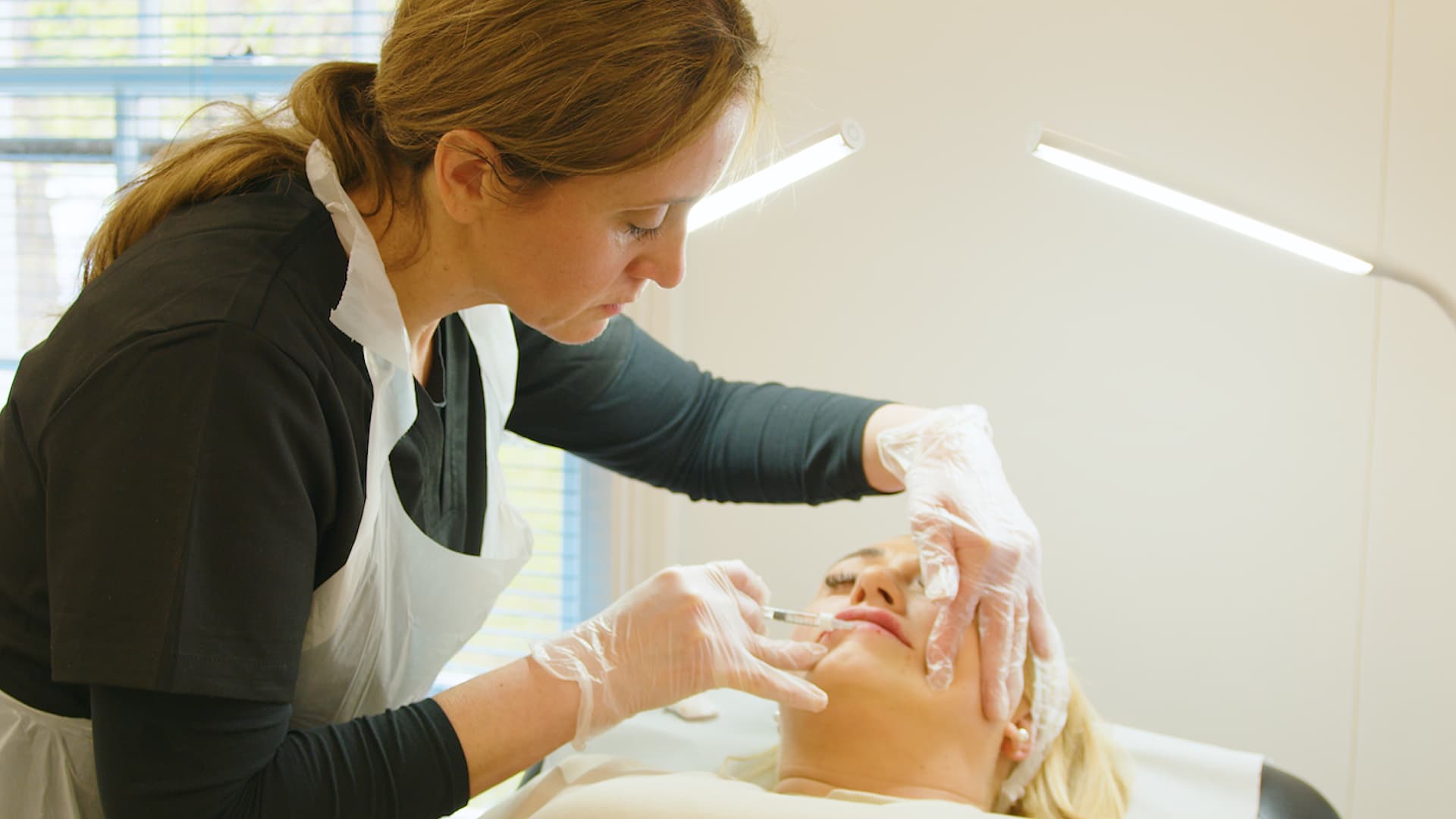

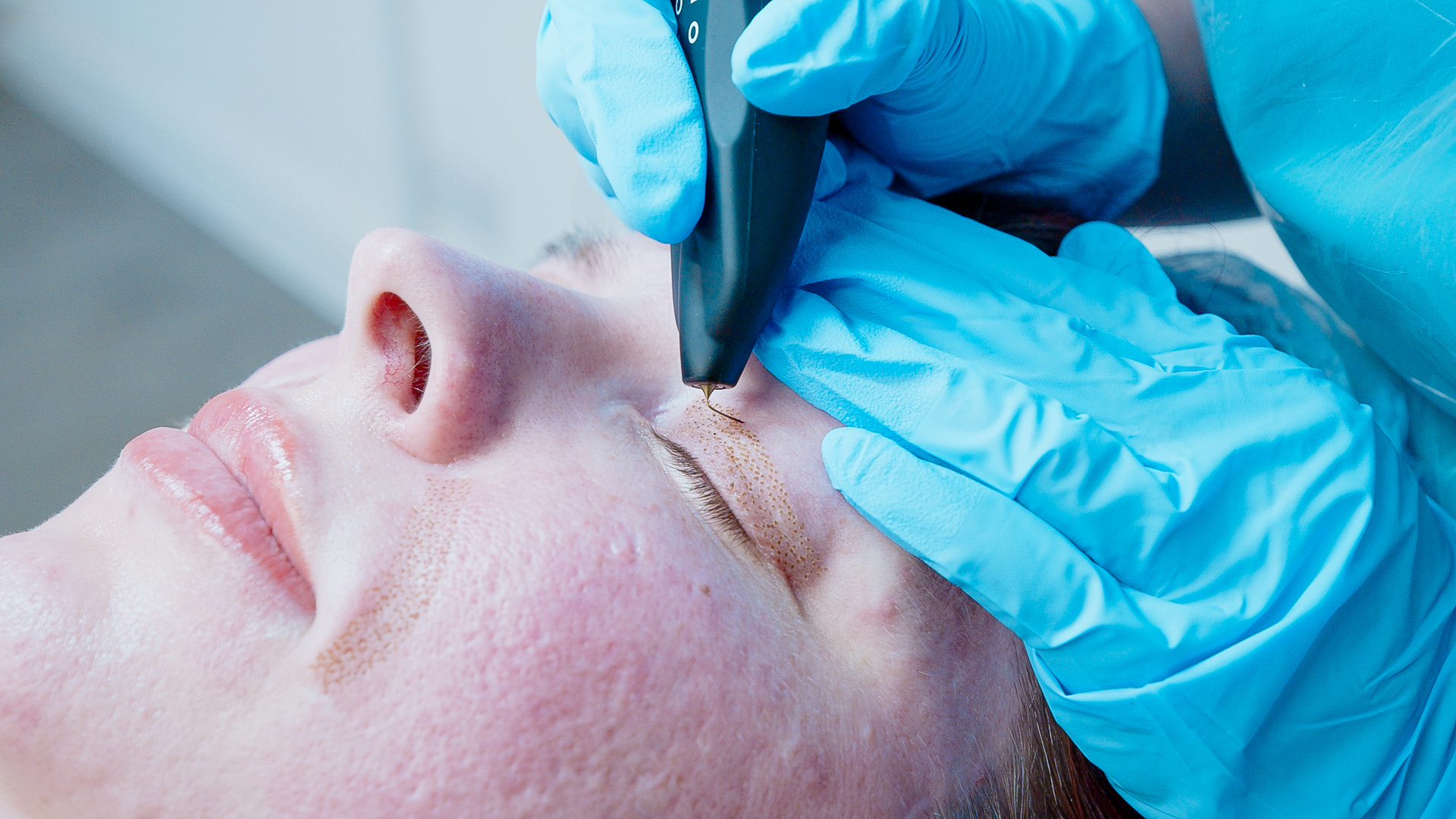
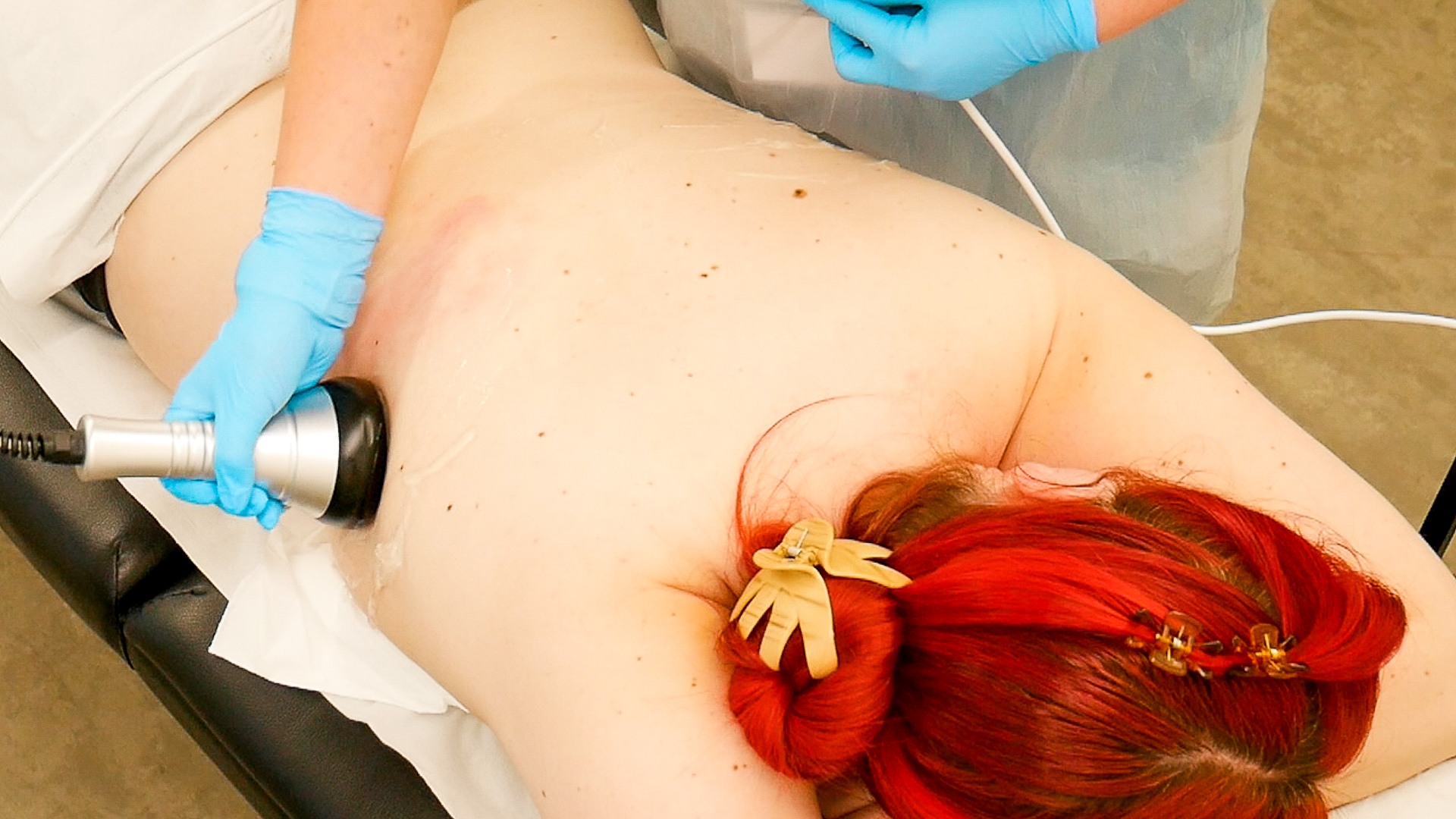









This VTCT pathway planner 2026 helps you choose a progression path based on your starting profile and treatment goals.
Step 1: Pick your starting profile
Choose the line that best matches you:
- Beginner with no aesthetics qualification
- Beauty professional seeking regulated progression
- Medic or clinician entering aesthetics expansion
Step 2: Match profile to route
| Profile | Recommended first step | Typical next progression |
|---|---|---|
| Beginner | Level 3 Access | Level 4, then advanced route |
| Beauty professional | Level 4 route | Level 5 or laser specialisation |
| Medic/clinician | Route assessment call | Pathway toward advanced injectable progression |
Step 3: Choose your 12-month objective
Select one primary objective:
- Build advanced skin service capability
- Build laser service capability
- Build toward advanced injectable positioning
Then map courses accordingly using:
Pathway options at a glance
Here are three realistic 6–18-month pathways that practitioners commonly follow, with estimated timelines and treatment scope unlocked at each stage.
Pathway 1: Skin Specialist Route (6–9 months)
Target: Become a confident advanced skin practitioner with laser and injectable skin treatments
| Phase | Qualification | Duration | Key treatments unlocked | Estimated investment |
|---|---|---|---|---|
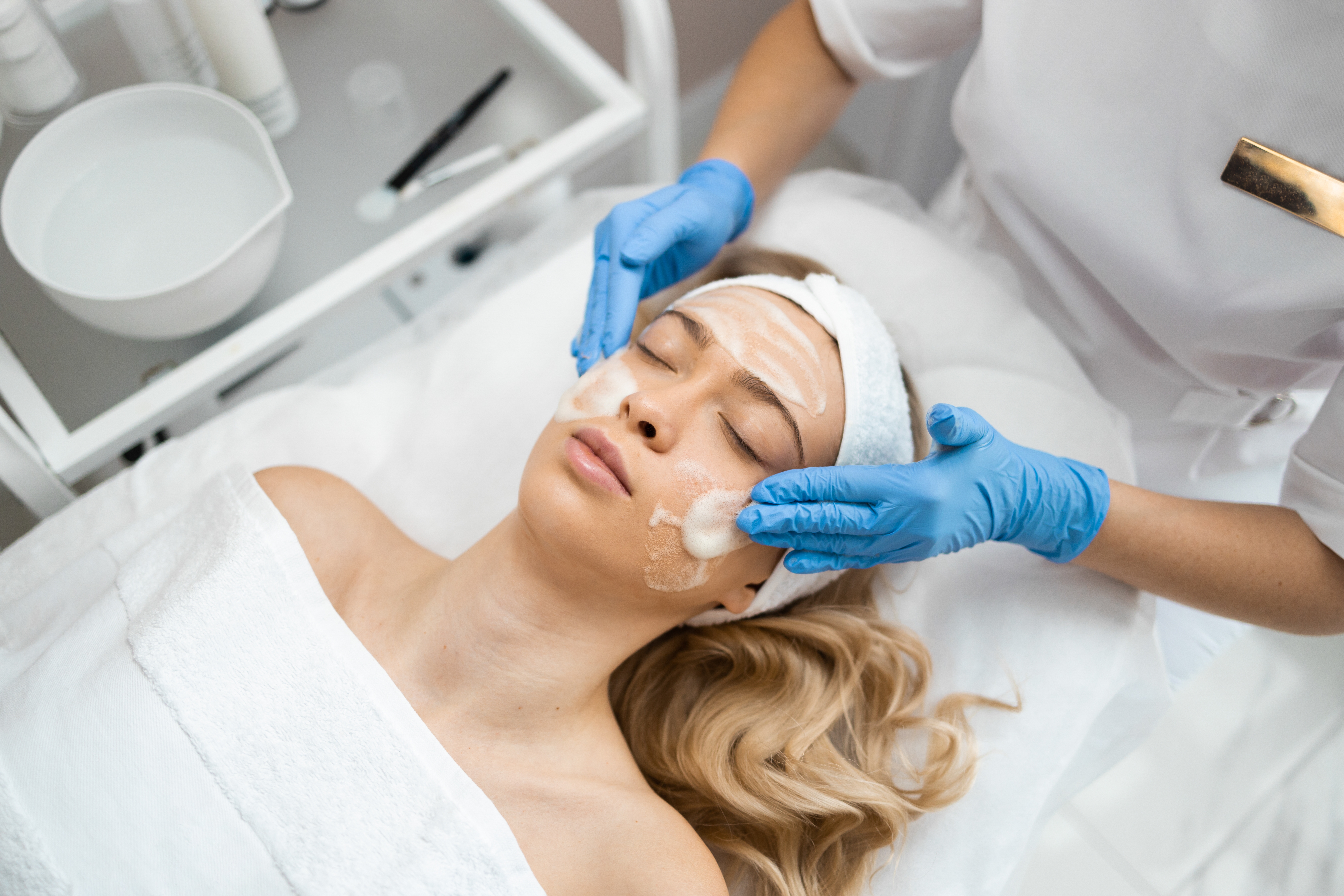
| 1 | Level 3 (Access to Aesthetics) | 4–6 weeks | Basic facials, consultations, skin analysis, manual therapies | £1,500–£2,000 |
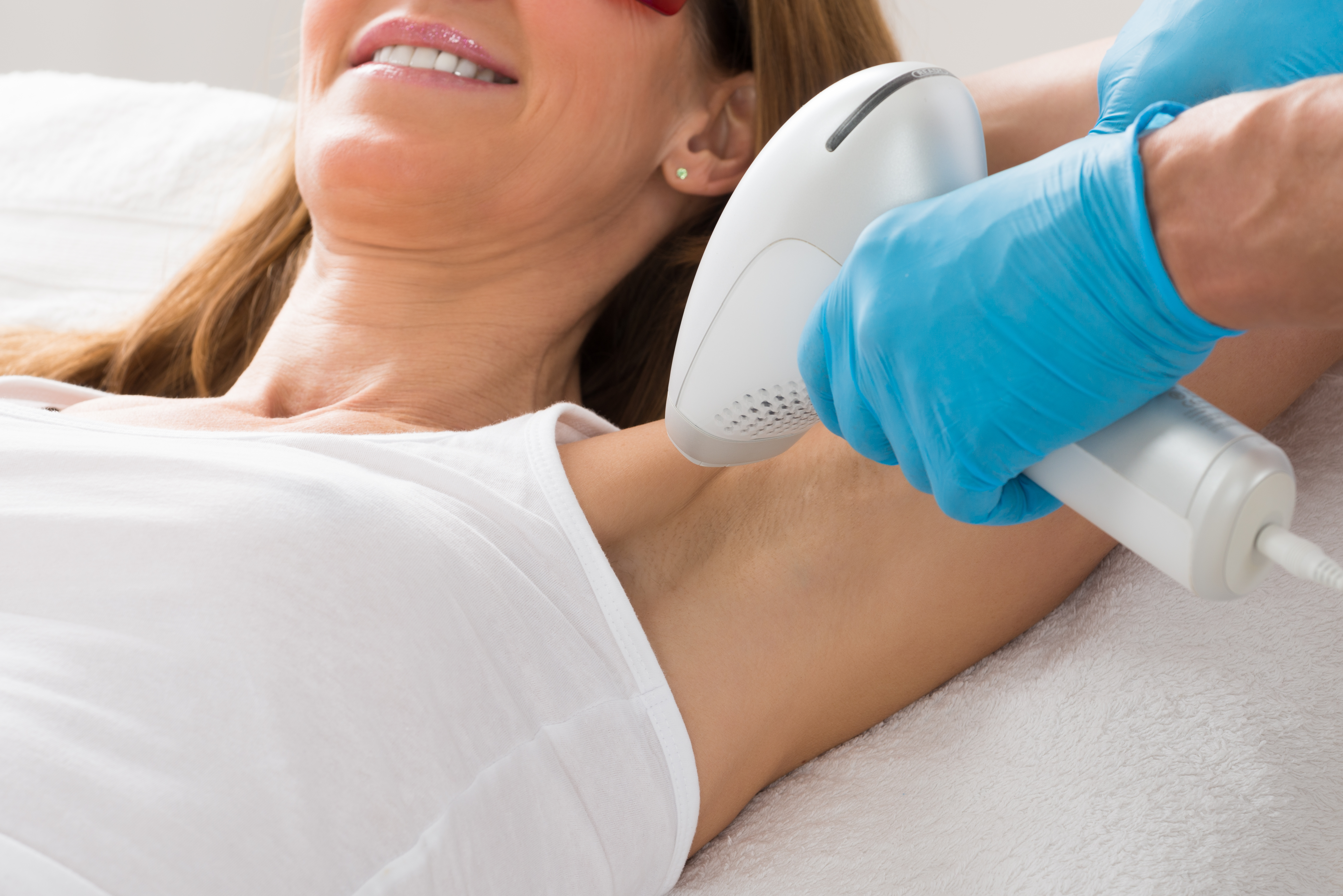
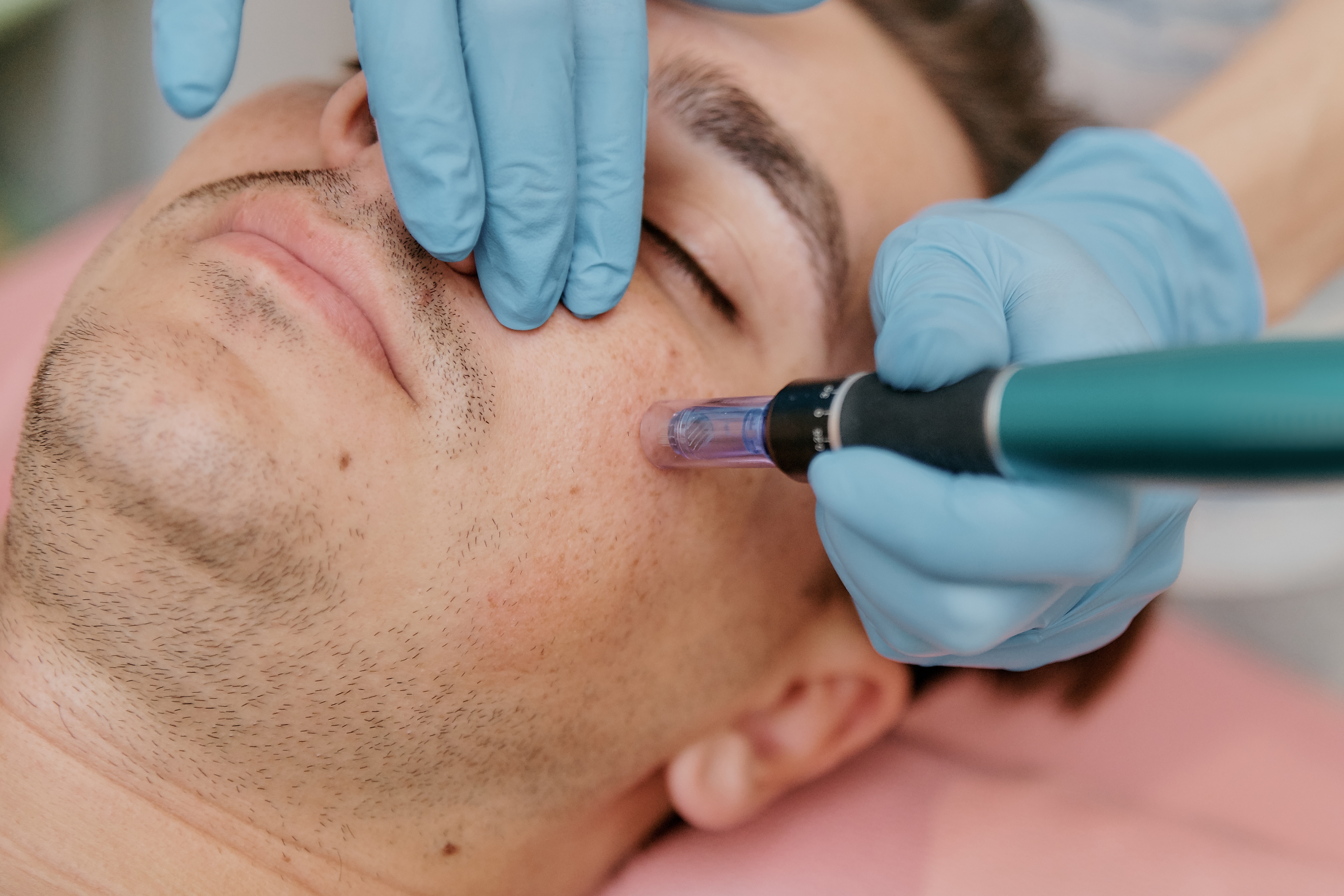
| 2 | Level 4 (Non-Surgical Aesthetic Procedures) | 8–12 weeks | Laser hair removal (£50–£150/area), IPL, advanced facials, chemical peels (£80–£200), microneedling | £2,500–£4,000 |
| 3 | Level 5 (Advanced Skin Procedures) | 8–12 weeks | Skin boosters (£200–£350), mesotherapy (£150–£300), advanced microneedling with RF, professional peels | £3,000–£5,000 |
| Total timeline | 6–9 months | Skin-focused scope, no injectables | £7,000–£11,000 |
Commercial outcome: After this pathway, you can confidently deliver £150–£350/session skin treatments and build strong repeat bookings. Annual income potential: £45k–£70k assuming 15–18 billable hours/week.
Pathway 2: Injectable Practitioner Route (12–18 months)
Target: Build full scope from foundation through advanced injectables (fillers, botulinum toxin)
| Phase | Qualification | Duration | Key treatments unlocked | Estimated investment |
|---|---|---|---|---|
| 1 | Level 3 (Access to Aesthetics) | 4–6 weeks | Foundation skin knowledge, consultation, basic treatments | £1,500–£2,000 |
| 2 | Level 4 (Non-Surgical Aesthetic Procedures) | 8–12 weeks | Laser, IPL, advanced skincare, light-based therapies | £2,500–£4,000 |
| 3 | Level 5 (Advanced Skin Procedures) | 8–12 weeks | Skin boosters, mesotherapy, advanced microneedling, professional peels | £3,000–£5,000 |
| 4 | Level 7 (Diploma in Injectable Procedures) | 6–12 months (concurrent with CPD) | Dermal fillers (£200–£400), botulinum toxin (£150–£300/area), advanced facial anatomy, pharmacology | £5,000–£8,000 |
| Total timeline | 12–18 months | Full advanced scope: skin + injectables | £12,000–£19,000 |
Commercial outcome: After this pathway, you unlock premium positioning with the highest-earning services. Practitioners with Level 7 typically see 70%+ repeat booking rates due to maintenance needs. Annual income potential: £75k–£120k+ assuming 15–20 billable hours/week with strong package uptake.
Pathway 3: Laser Specialist Route (8–12 months)
Target: Become expert in laser and light-based treatments with supporting skin services
| Phase | Qualification | Duration | Key treatments unlocked | Estimated investment |
|---|---|---|---|---|
| 1 | Level 3 (Access to Aesthetics) | 4–6 weeks | Foundation knowledge, consultation standards, safety principles | £1,500–£2,000 |
| 2 | Level 4 (Non-Surgical Aesthetic Procedures) | 8–12 weeks | Laser hair removal (high volume), IPL photorejuvenation, light therapy systems, basic skin treatments | £2,500–£4,000 |
| 3 | Level 5 (Advanced Skin Procedures) | 8–12 weeks | Laser skin resurfacing, advanced peels (£80–£200), microneedling with RF, skin boosters for post-laser care | £3,000–£5,000 |
| Extended specialism | Tattoo Removal Certification (5–10 working days) | 1–2 weeks (can overlap) | Laser tattoo removal (£80–£250/session), Q-switched Nd:YAG, picosecond lasers | £1,000–£2,500 |
| Total timeline | 8–12 months | Laser-focused with tattoo removal premium | £8,000–£13,500 |
Commercial outcome: Laser specialists command strong margins (£80–£150/session laser hair removal at high utilization). Tattoo removal adds premium positioning (£80–£250/session, typically 6–12 sessions per client). Annual income potential: £55k–£85k assuming 18–20 billable hours/week with strong package sales.
What each qualification unlocks commercially
Understanding what you can charge at each qualification level helps you choose the right progression:
| Qualification level | Treatment scope | Typical pricing | Repeat booking rate | Annual income (15–20 hrs/week) |
|---|---|---|---|---|
| Level 3 only | Basic facials, manual therapies, light consultations | £30–£80/session | 30–40% | £28k–£40k |
| Level 4 | Laser hair removal, IPL, chemical peels, microneedling | £60–£200/session | 45–55% | £42k–£65k |
| Level 5 | Advanced skin (boosters £200–£350, mesotherapy £150–£300) | £150–£350/session | 55–65% | £55k–£80k |
| Level 7 | Injectables (fillers £200–£400, anti-wrinkle £150–£300/area) | £150–£400/session | 65–75% | £75k–£120k+ |
Key pattern: Repeat booking rate increases with qualification level because higher-value treatments (especially injectables) require regular maintenance and touchups. This drives both income stability and client lifetime value.
Budget planner by pathway
Total investment differs significantly by pathway. Use this to match your financial capacity to your career goals:
Skin Specialist Budget
- Minimum investment: £7,000 (Level 3+4+5 at lower-cost providers)
- Recommended investment: £11,000 (accounting for quality training and practical)
- Additional operational costs (first 12 months):
- Insurance (professional indemnity): £100–£150/year
- Premises/chair rental: £200–£500/month (or included if salon-based)
- Consumables and products: £400–£800/month
- Total Year 1 setup: £11,000 training + £2,500–£5,000 operating
Injectable Practitioner Budget
- Minimum investment: £12,000 (compressed timeline, lower-cost providers)
- Recommended investment: £19,000 (quality training, good practical, strong assessments)
- Additional operational costs (first 12 months):
- Insurance (professional indemnity + product liability): £250–£400/year
- Filler/botulinum supplier relationships: Variable but typically £500–£1,500 initial stock
- Premises: £200–£500/month
- Consumables: £600–£1,000/month
- Total Year 1 setup: £19,000 training + £4,000–£7,000 operating
Laser Specialist Budget
- Minimum investment: £8,000 (compressed Level 3+4+5 without tattoo removal)
- Recommended investment: £13,500 (including tattoo removal certification)
- Additional operational costs (first 12 months):
- Insurance (professional indemnity + product liability): £150–£250/year
- Laser machine (purchase or lease): £2,000–£15,000 one-time or £300–£800/month lease
- Cooling gel, protective items: £300–£600/month
- Premises: £200–£500/month
- Total Year 1 setup: £13,500 training + £3,500–£8,000 operating + machine cost
Step 4: Validate with admissions
Before enrolling, confirm:
- Entry requirements for your chosen pathway
- Practical availability (some pathways require weekend or intensive blocks)
- Progression sequence (some qualifications have prerequisites)
- Timeline fit with your schedule
- Finance planning (staged payment available for most providers)
Use Request a Callback or the course quiz for fast route matching.
12-month pathway templates by profile
Use these as planning templates and adapt with admissions support.
| Profile | Months 1-4 | Months 5-8 | Months 9-12 |
|---|---|---|---|
| Beginner | Build regulated foundation and core knowledge | Progress to advanced skin route | Prepare next-level specialisation decision |
| Existing beauty professional | Strengthen advanced treatment capability | Add higher-value services | Consolidate outcomes and plan next progression |
| Medic/clinician entering aesthetics | Confirm route positioning and compliance model | Build or refine advanced service delivery | Select focused specialisation path |
The objective is sequencing, not speed. Most learners who commit to a realistic 12-month plan perform better than learners who jump between courses without a defined progression logic.
Route quality checklist before enrolment
- Your next two progression steps are clear, not just your first course.
- Your timeline matches real availability for practical and assessment work.
- Your budget and finance plan support the full route.
- Your intended services align with your planned qualification scope.
- You have a quarterly review point to reassess route fit.
If any item is unclear, pause and validate using Pathway to Aesthetics, the VTCT hub, and the training calendar.
FAQ
Can beginners use this VTCT pathway planner? Yes. It is designed to help beginners select the right first step, typically VTCT Level 3 Access to Aesthetics. All three pathways assume you start from scratch or from Level 3 entry.
Is one VTCT route best for everyone in 2026? No. The best route depends on your background, target services, and licensing readiness. Skin Specialist suits practitioners who want to focus on advanced skincare and lasers (4–6 month decision point). Injectable Practitioner suits those with premium positioning goals (longer timeline but highest earning potential). Laser Specialist suits practitioners who want high utilization and strong margins. See Aesthetics Licensing UK 2026: What Qualifications You Need for compliance context.
Should I plan all VTCT levels at once? Plan your 12-month route first using this planner and the pathway breakdowns above, then review quarterly using Pathway to Aesthetics. Most practitioners find that locking your pathway for 12 months reduces mid-route pivots and avoids wasted training spend.
Can I switch VTCT routes later if needed? Yes, but route changes are easier when built on regulated progression. For example, a Skin Specialist (Level 3+4+5) can add Level 7 later. A Laser Specialist can add skin boosters and mesotherapy. Early admissions consultation reduces this risk and helps you future-proof your choice.
Which pathway has the fastest ROI? Laser Specialist typically has the fastest payback (4–8 weeks of practice at £80–£150/session can cover training costs). Injectable Practitioner has the highest earning potential (£75k–£120k+) but requires 12–18 months investment. Skin Specialist balances timeline and earnings (6–9 months, £45k–£70k).
How much of my pathway can I fund through practice income? Most practitioners stage their pathway: complete Level 3+4 (£4k–£6k), launch earning for 3–4 months, then fund Level 5 from practice margin. This approach reduces cash flow stress and ensures you have real business data before investing in advanced levels. See Finance Options for VTCT Aesthetics Training for staged funding models.
How do I compare VTCT pathways for medics vs non-medics? Non-medics: Follow one of the three pathways above. Medics: You may skip Level 3 and enter at Level 4 with appropriate medical background evidence. Use Pathway to Aesthetics and discuss your profile on a callback.
What is the fastest way to choose my VTCT route now? Take the course match quiz and book an admissions call. Cross-reference against the pathway timelines above (Skin Specialist 6–9 months, Injectable Practitioner 12–18 months, Laser Specialist 8–12 months). See VTCT Training London: Provider Selection Guide for comparing providers.
How detailed should my route plan be before I enrol? At minimum, commit to your primary pathway (Skin, Injectable, or Laser) and lock your Level 3+4 dates. Know your level 5 target and roughly when you'll be ready (3–4 months into Level 4, typically). See VTCT Level 4 vs Level 5 for key comparison questions.
Can I use this planner if I already hold some aesthetics qualifications? Yes. Start from your current level and map the remaining progression. For example, if you hold Level 4, you can either: continue to Level 5 (Skin Specialist completion), or progress toward Level 7 (if eligible, for Injectable Practitioner). See your current position against the three pathways above and plan forward from there.
Which pathway is most likely to be required under future UK licensing? All three pathways are compliant with Ofqual regulations and align with emerging licensing readiness. Injectable Practitioner (Level 7) is often considered safest for licensing because it demonstrates the broadest competency range. However, any pathway completed with clear progression evidence is stronger than isolated training. Plan your pathway as if licensing will require what you're learning now.
Editorial Standards
Author
Cosmetic College Editorial Team
Aesthetic Education Editorial Team
Cosmetic College specialists and admissions advisers produce this content to help learners choose regulated progression routes and make safer, better-informed training decisions.
Review cycle
Published: 13 January 2026
Last reviewed: 13 January 2026
Reading time: 9 min
Sources and References
- Level 3 Accesscosmetic.college
- VTCT hubcosmetic.college
- Pathway to Aestheticscosmetic.college
- Level 7 routecosmetic.college
- Request a Callbackcosmetic.college
- course quizcosmetic.college
- training calendarcosmetic.college
- Aesthetics Licensing UK 2026: What Qualifications You Needcosmetic.college
- Finance Options for VTCT Aesthetics Trainingcosmetic.college
- VTCT Training London: Provider Selection Guidecosmetic.college
- VTCT Level 4 vs Level 5cosmetic.college