












VTCT vs CPD Courses in Aesthetics: Key Differences, Benefits & Career Paths
Choosing between a VTCT qualification and a CPD course is one of the biggest decisions in your aesthetics career. In this guide, we break down the key differences - from regulation and recognition to career impact - to help you decide which route best fits your goals and future opportunities.
Introduction
If you’re thinking about a career in aesthetics, one of the first questions you’ll face is:
Should I study a VTCT qualification or a CPD-accredited course?
At Cosmetic College, we offer both VTCT and CPD-accredited training options - but they serve very different purposes. Understanding the difference is essential to choosing the right pathway for your career goals, whether you want to work in a medical-grade clinic, open your own business, or upskill as a beauty therapist.
What Is a VTCT Qualification?
VTCT (Vocational Training Charitable Trust) is one of the UK’s leading government-approved awarding bodies for beauty, aesthetics, and complementary therapies.
Key Features of VTCT Courses:
- Ofqual-Regulated: VTCT qualifications appear on the Regulated Qualifications Framework (RQF), meaning they are officially recognised by employers, insurers, and regulators.
- Nationally Recognised: Accepted throughout the UK (and internationally through ITEC equivalents).
- Progression Pathway: VTCT qualifications create a clear route for career development - from Level 2 and 3 beauty therapy through to Level 7 aesthetics.
- Mandatory for Licensing (Future Proof): With the upcoming aesthetics licensing reforms, VTCT qualifications will be the gold standard for anyone performing advanced aesthetic procedures such as fillers, toxins, or laser/IPL.
VTCT Detailed Structure and Progression:
VTCT operates on the Regulated Qualifications Framework (RQF) with clearly defined levels:
- Level 2: Beauty Therapy foundations (optional entry point)
- Level 3: Access to Aesthetics (4-6 weeks, £2,000-£3,500 typical cost) - anatomy, physiology, basic consultation, safety
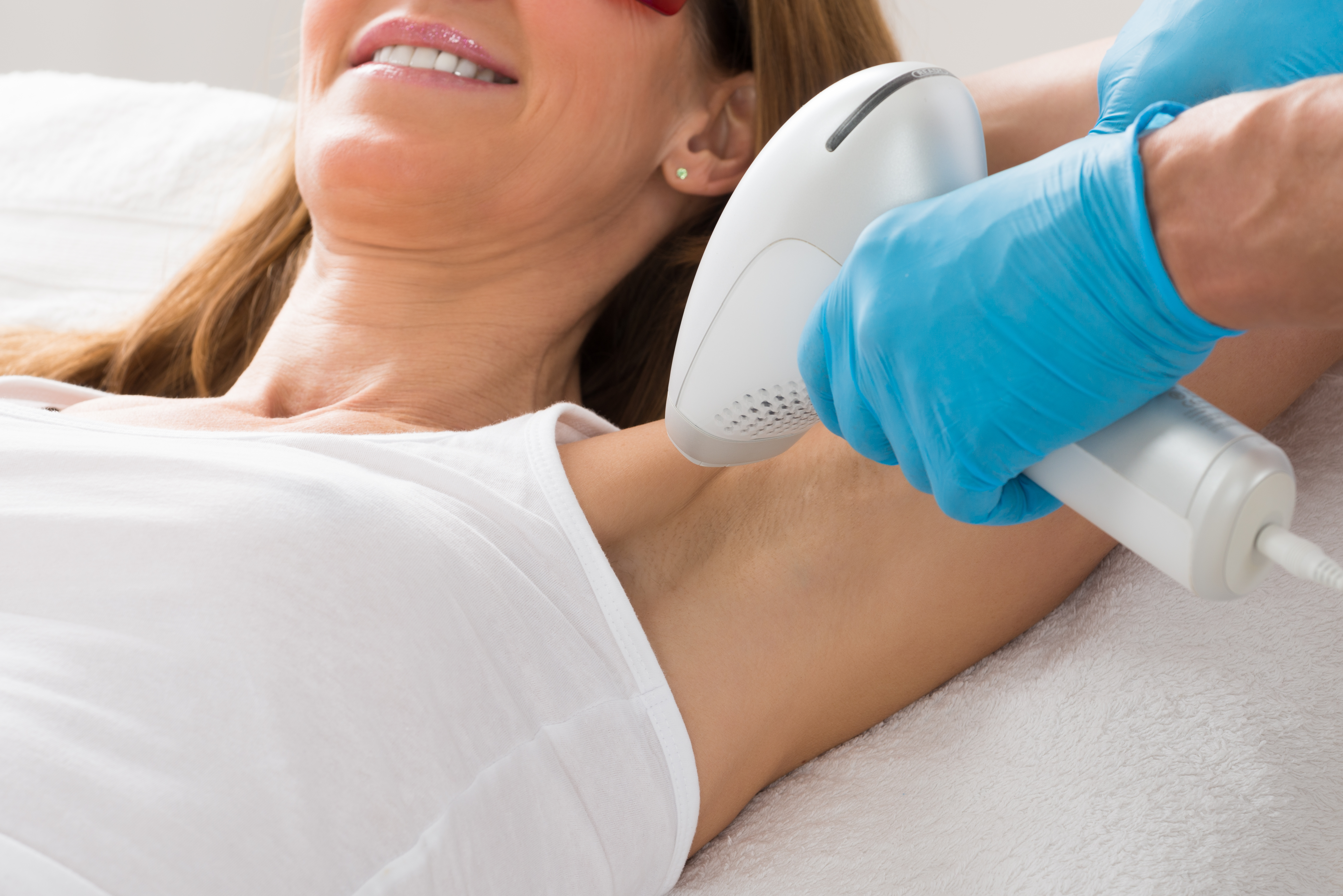
- Level 4: Advanced Aesthetic Therapies for Skin or Laser/IPL Treatments (8-12 weeks, £3,500-£6,000) - laser physics, IPL science, advanced facials, Fitzpatrick classification, tissue interaction
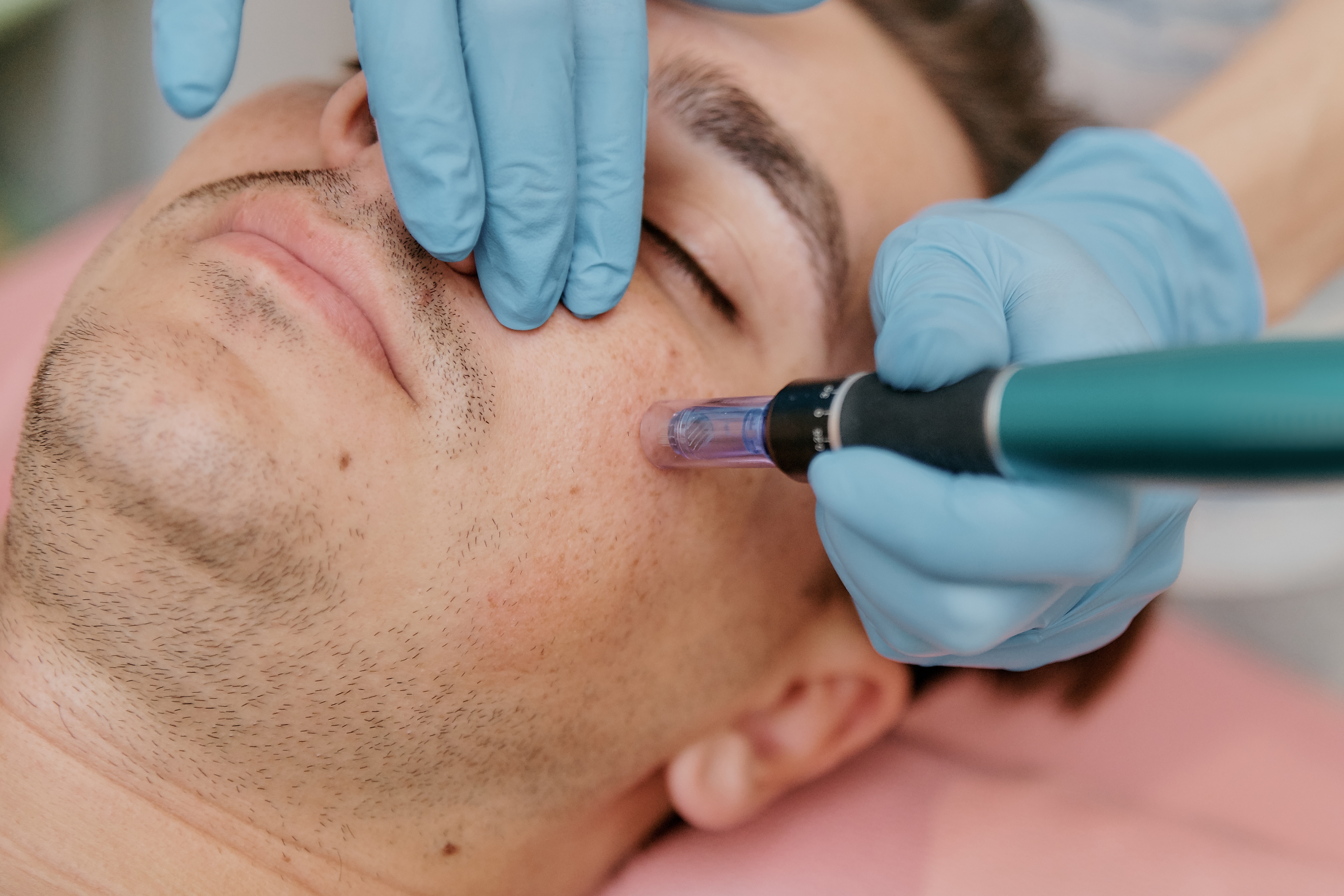
- Level 5: Non-Surgical Skin Procedures or Laser Tattoo Removal (8-12 weeks, £4,000-£7,000) - microneedling (£150-£350/treatment), mesotherapy (£150-£300/treatment), advanced peels (£80-£200), tattoo removal (£300-£800/session)
- Level 7: Diploma in Non-Surgical Aesthetic Injectable Procedures (6-12 months, £8,000-£15,000) - fillers (£200-£400/treatment), anti-wrinkle injections (£150-£300/area), advanced anatomical planning
Key advantage: Each level is legally recognized by insurers (JCCP, CPSA, Save Face), regulators (HCPC alignment expected with UK licensing reforms), and employers. Progression is clear and staggered, allowing practitioners to build capability methodically and earn at each stage.
Cost and time investment: Completing all levels from 3-7 requires 12-18 months and £20,000-£35,000 investment total. However, practitioners generate income at each level (£20,000-£28,000 at Level 3, £35,000-£55,000 at Level 4, £55,000-£85,000 at Level 5), meaning the investment is partially self-funded through earnings.
Regulation and compliance: VTCT qualifications are Ofqual-regulated, meaning they meet UK regulatory standards and will align with the Health and Care Act 2022 licensing reforms expected in 2026-2027. Practitioners holding VTCT Level 5+ qualifications are better positioned for mandatory registration once the licensing scheme launches.
Ideal For:
- Learners who want recognised, career-defining qualifications.
- Those seeking clinic employment or registration with future regulatory bodies.
- Professionals planning to offer injectables, laser, or skin rejuvenation treatments legally and safely.
What Is a CPD Course?
CPD (Continuing Professional Development) courses are short, skills-based training programmes designed to expand your knowledge and techniques.
They are typically accredited by a CPD body (such as The CPD Group or CPD Accreditation Service), rather than regulated by Ofqual.
Key Features of CPD Courses:
- Fast and Flexible: Usually completed in one or two days, often with online learning options.
- Skill-Focused: Ideal for learning specific treatments such as microneedling, skin boosters, PRP, or fat dissolving.
- Insurance-Recognised: CPD courses can be insured through recognised insurers when learners meet entry requirements.
- Low Barrier to Entry: Perfect for qualified therapists or medics looking to expand their treatment menu.
CPD Detailed Structure and Practical Reality:
CPD courses are accredited (not regulated) short skill-building programmes, typically 1-3 days, delivered by training providers accredited by bodies like The CPD Group or CPD Accreditation Service. Common CPD offerings include:
- Single-technique courses: Microneedling basics (1 day, £300-£600), skin boosters (1 day, £400-£700), PRP (1 day, £350-£650)
- Combination bundles: Microneedling + skin care protocols (2-3 days, £800-£1,500)
- Device training: Radiofrequency, ultrasound, LED therapy (1-2 days, £500-£1,200)
- Refresher courses: Hands-on updates on existing qualifications (half-day to 1 day, £150-£400)
Key characteristic: CPD focuses on immediate skill delivery rather than deep theoretical understanding. A learner completes a microneedling CPD course and can perform microneedling within days, but they haven't necessarily studied tissue healing biology, skin barrier function, or advanced contraindication management to the depth required for independent practice in edge cases.
Insurance and regulatory position: CPD courses can be insured through recognized insurers (JCCP, CPSA) provided the practitioner already holds an appropriate base VTCT qualification (typically Level 3 or above). Many insurers accept CPD for specific treatments if the practitioner's base VTCT credential is strong, but some insurers require VTCT credentials matching the treatment scope (e.g., "CPD microneedling only covered if holder has Level 5 or equivalent base credential").
Cost and accessibility: CPD courses cost £300-£1,500 per course and require 1-3 days of time. Total investment to learn multiple techniques (e.g., microneedling, skin boosters, radiofrequency, advanced facials) might reach £4,000-£8,000 across 4-6 courses, but this is over months or years, not a structured progression.
Regulation and compliance: CPD courses are not Ofqual-regulated and do not sit on the RQF. They are recognized by industry bodies and insurers as professional development, but they will not meet the requirements of the Health and Care Act 2022 licensing reforms. Once UK aesthetics licensing launches, CPD-only practitioners may be unable to offer certain treatments without holding underlying VTCT qualifications.
Ideal For:
- Practitioners who already hold a regulated qualification and want to add new skills.
- Those seeking continuous professional growth or refresher training.
- Learners exploring aesthetics before committing to a full VTCT qualification.
VTCT vs CPD: Key Differences
| Feature | VTCT | CPD |
|---|---|---|
| Regulation | Ofqual-regulated | Accredited (not regulated) |
| Recognition | Nationally recognised qualification | Recognised by insurers and industry |
| Course Length | Weeks to months | 1–3 days |
| Career Impact | Enables progression to higher levels | Enhances existing skills |
| Insurance Eligibility | Full qualification required for advanced treatments | Often accepted with prerequisites |
| Future-Proofing (Licensing) | Meets new licensing standards | May not meet future licensing requirements |
Which Qualification Should You Choose?
The right choice depends on where you are in your career journey:
New to Beauty or Aesthetics
Start with a VTCT Level 2 or Level 3 qualification to gain a recognised foundation.
Qualified Beauty Therapist or Medic
Choose VTCT Level 4–7 to progress into aesthetic practice such as skin rejuvenation, injectables, or laser treatments.
Already Qualified and Want to Upskill
Take CPD courses to learn new techniques, improve your confidence, or expand your treatment portfolio.
Planning for the Future
With the UK licensing scheme on the horizon, VTCT qualifications will likely be required for practitioners performing regulated aesthetic treatments. CPD courses will remain valuable for skill enhancement, but not as a standalone pathway for new practitioners.
The Cosmetic College Approach
At Cosmetic College, we help learners design the perfect training pathway - whether that’s:
- A full VTCT-accredited qualification (Levels 2–7).
- A CPD course bundle to refresh or expand your skills.
- Or a combination of both, tailored to your career goals.
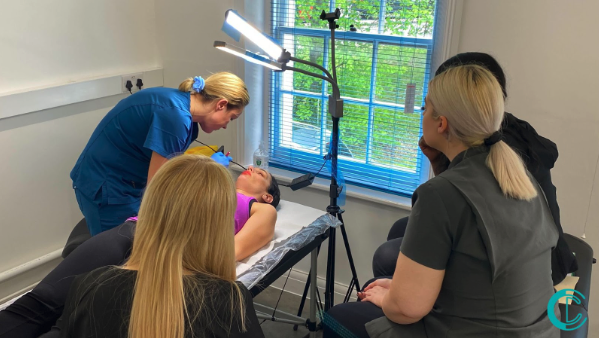
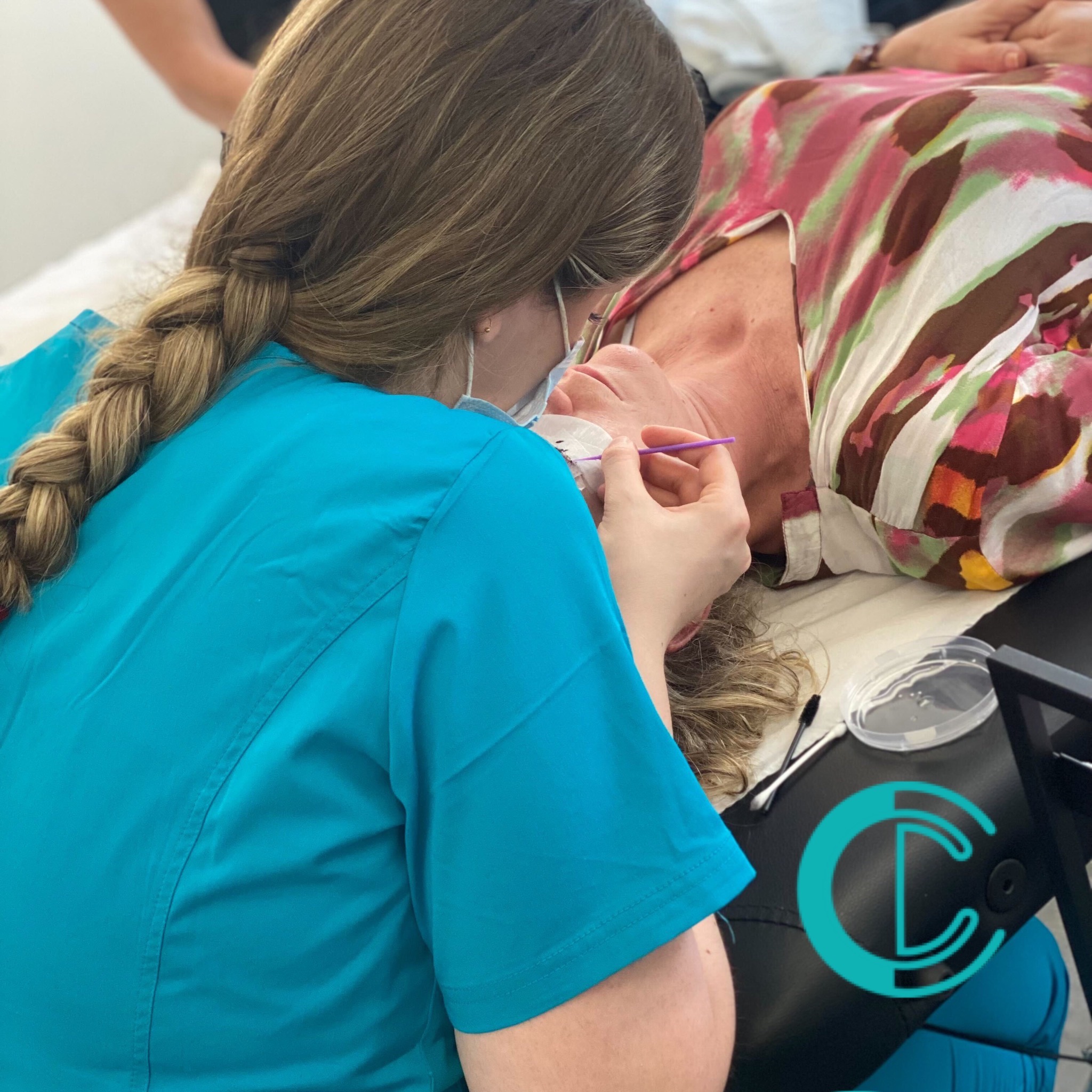
Our expert tutors, live model practice, and advanced e-learning support ensure that every student leaves confident, competent, and industry-ready.
Ready to Take the Next Step?
Whether you're starting your journey or advancing your career, our team can help you find the perfect course aligned to UK licensing and compliance standards.
Explore VTCT courses Explore CPD courses Book a free consultation to plan your pathway Use the course match quiz to find your starting level
For deeper progression planning, see VTCT Training UK: Complete Guide and VTCT Pathway Planner 2026.
Frequently Asked Questions
Is a VTCT qualification better than CPD? They serve different purposes. VTCT qualifications are Ofqual-regulated and ideal for formal career progression and compliance, while CPD courses are best for short skill updates on an existing qualification base. See Aesthetics Licensing UK 2026: What Qualifications You Need for regulation trends.
Do I need a VTCT qualification to perform injectables? Once UK aesthetics licensing takes effect, regulated qualifications like VTCT Level 7 Diploma in Non-Surgical Aesthetic Injectable Procedures will likely be required for injectables. See VTCT Level 5 vs Level 7 Injectables for progression pathways.
Can I get insurance with a CPD course? Yes, provided you already hold an appropriate base VTCT qualification (e.g. Level 3 or above). Always confirm with your chosen insurer. See How to Get Insurance for VTCT Aesthetic Treatments for detailed guidance.
Should I start with VTCT Level 3 or CPD? If you're new to aesthetics, start with VTCT Level 3 Access to Aesthetics to build a regulated foundation. Use CPD to expand after you have a VTCT base qualification.
How does VTCT progression support career planning vs CPD? VTCT offers clear progression through levels (3, 4, 5, 7), creating a defined career pathway. CPD is designed to enhance existing qualifications, not create a standalone career ladder. See VTCT Training UK: Complete Guide for pathway structure.
What's the real-world impact on insurance for CPD-only practitioners? Many insurers will not provide full-scope professional liability coverage for CPD-only practitioners attempting advanced treatments like fillers or laser without corresponding VTCT credentials. For example: a CPD microneedling certificate may be insured at £300-£500/year if the practitioner holds a VTCT Level 3 base credential, but the same practitioner without VTCT certification may be denied coverage entirely or charged £1,000+/year (or refused outright) by stricter underwriters. This creates a financial and liability penalty for CPD-only routes.
Will the Health and Care Act 2022 licensing reforms affect CPD courses? Yes, significantly. Once the UK aesthetics licensing scheme launches (expected 2026-2027), practitioners performing regulated procedures will likely need to hold Ofqual-regulated qualifications (VTCT or equivalent). CPD-only practitioners may be grandfathered into existing permissions if they're already established, but new entrants will face barriers. CPD will remain valuable for supplementing VTCT qualifications, but not as a standalone pathway for new practitioners seeking to offer advanced treatments legally.
Can I combine VTCT and CPD strategically? Absolutely, and this is often the optimal approach. For example: Complete VTCT Level 3 (4-6 weeks, £2,500), then add CPD microneedling course (1 day, £500) while building your client base, then complete VTCT Level 5 (8-12 weeks, £5,000) for deeper credential and broader scope. The CPD fills a gap quickly and cost-effectively, while VTCT provides the regulated foundation and progression pathway. This approach costs less than pure VTCT progression (£7,500 vs. £10,000+) while building a credible credential stack that insurers and future licensing bodies will recognize.
About Cosmetic College
Cosmetic College is a leading UK provider of advanced aesthetics and beauty therapy training, offering both VTCT-regulated qualifications and CPD-accredited short courses.
Our mission is to equip every student with the practical skills, professional knowledge, and confidence they need to thrive in the aesthetics industry.
We are proud to be VTCT-approved and CPD-accredited, delivering exceptional standards of education through expert tutors, small class sizes, and live model experience - ensuring our graduates are confident, compliant, and career-ready.
Editorial Standards
Author
Cosmetic College Editorial Team
Aesthetic Education Editorial Team
Cosmetic College specialists and admissions advisers produce this content to help learners choose regulated progression routes and make safer, better-informed training decisions.
Review cycle
Published: 9 October 2025
Last reviewed: 9 October 2025
Reading time: 9 min
Sources and References
- VTCT vs CPD: Which Aesthetic Qualification is Right for You?images.ctfassets.net
- Cosmetic Collegecosmetic.college
- VTCT (Vocational Training Charitable Trust)vtctskills.org.uk
- VTCT Level 2 or Level 3cosmetic.college
- CPD coursescosmetic.college
- Book a free consultationcosmetic.college
- Use the course match quizcosmetic.college
- VTCT Training UK: Complete Guidecosmetic.college
- VTCT Pathway Planner 2026cosmetic.college
- Aesthetics Licensing UK 2026: What Qualifications You Needcosmetic.college
- VTCT Level 7 Diploma in Non-Surgical Aesthetic Injectable Procedurescosmetic.college
- VTCT Level 5 vs Level 7 Injectablescosmetic.college