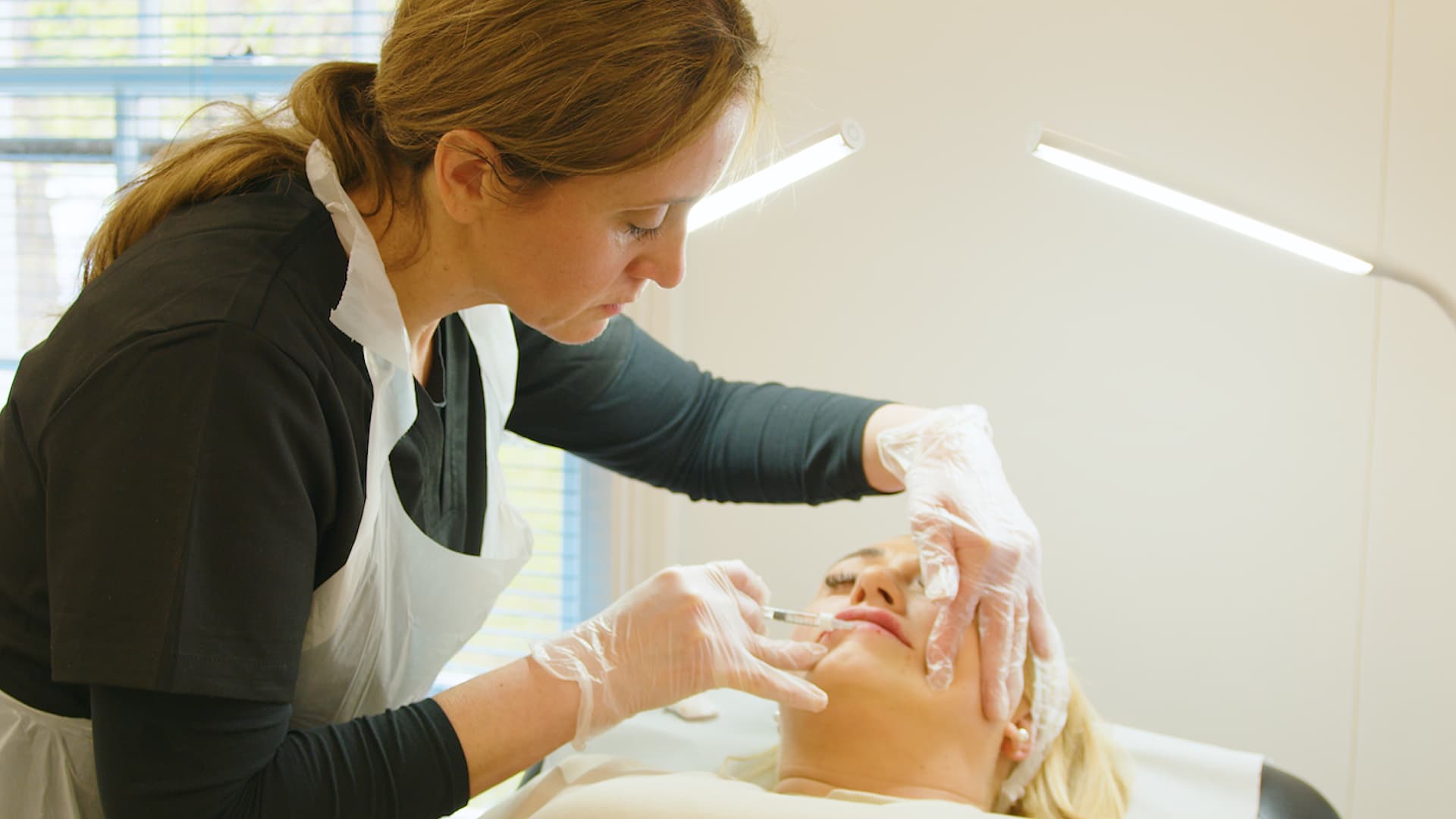

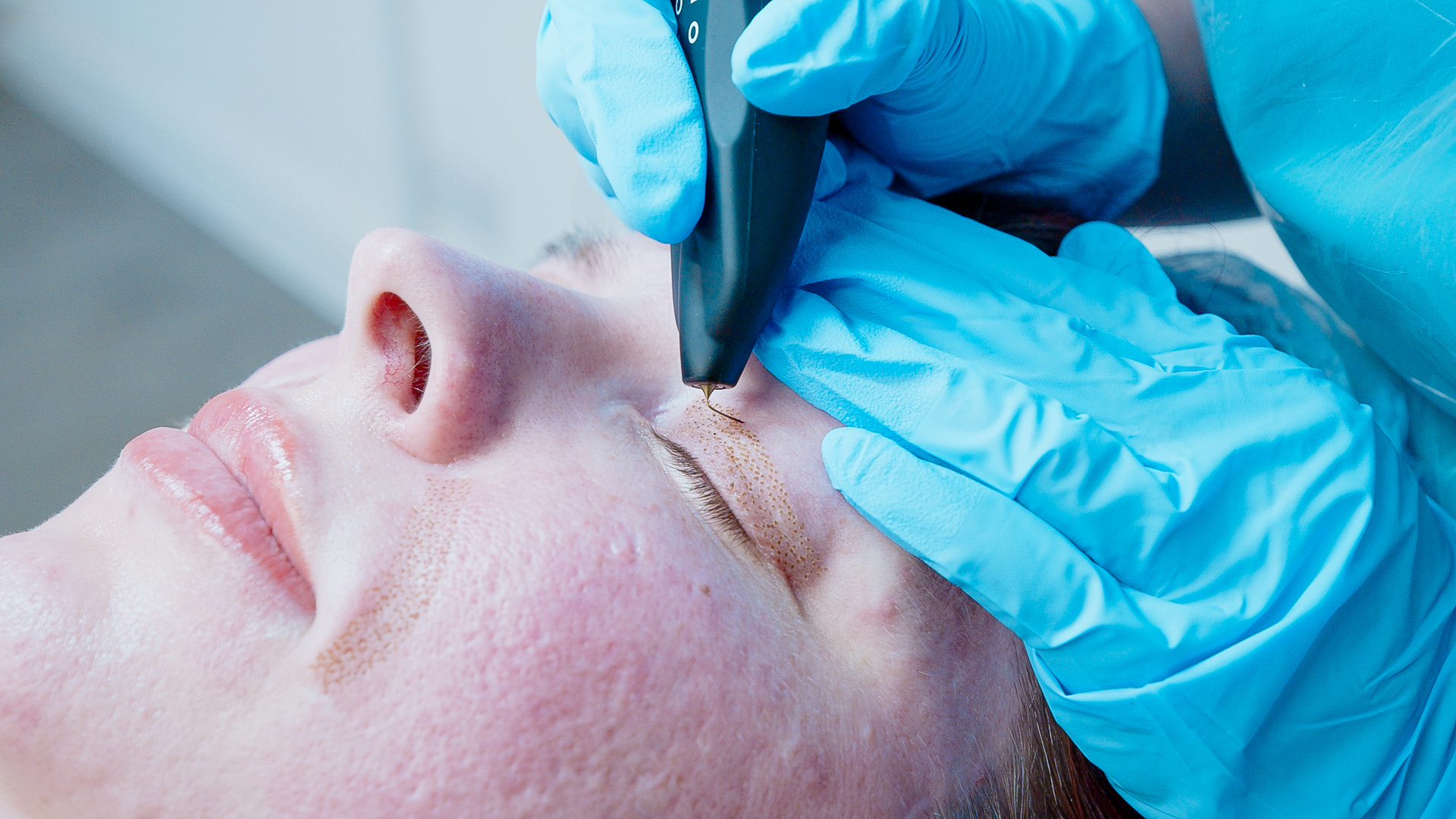
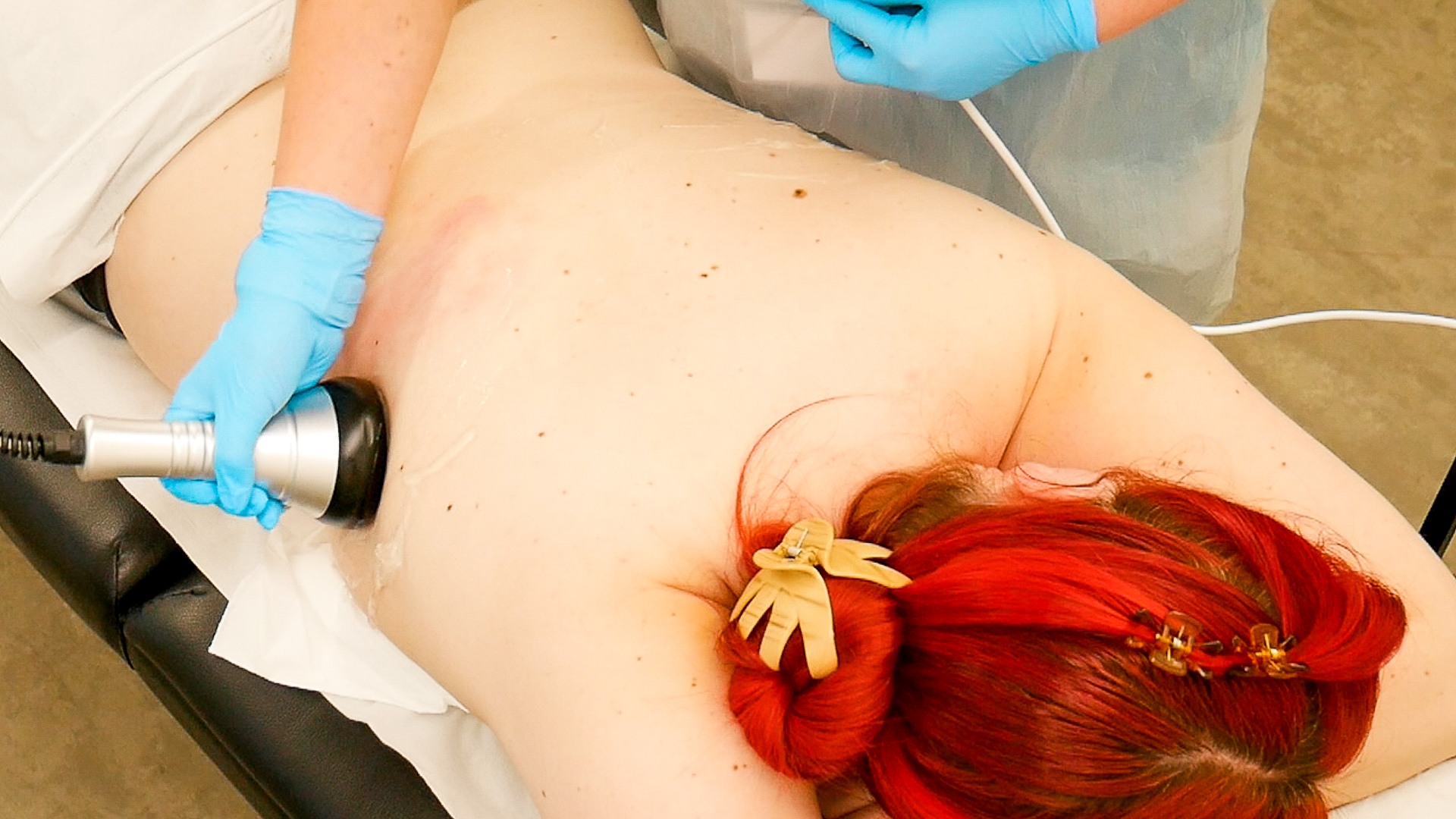








If you are comparing VTCT Level 4 vs Level 5 aesthetics, the key difference is depth of treatment scope and clinical complexity. Level 4 usually establishes advanced skin fundamentals, while Level 5 pushes into more advanced procedure planning and execution.
What Level 4 covers in detail
VTCT Level 4 qualifications (typically spanning 8-12 weeks of blended learning) focus on laser, IPL, and device-based skin treatments combined with advanced consultation and planning skills. The depth of knowledge required to safely deliver these treatments reflects the energy, heat, and tissue interaction involved.
Level 4 core module content:
-
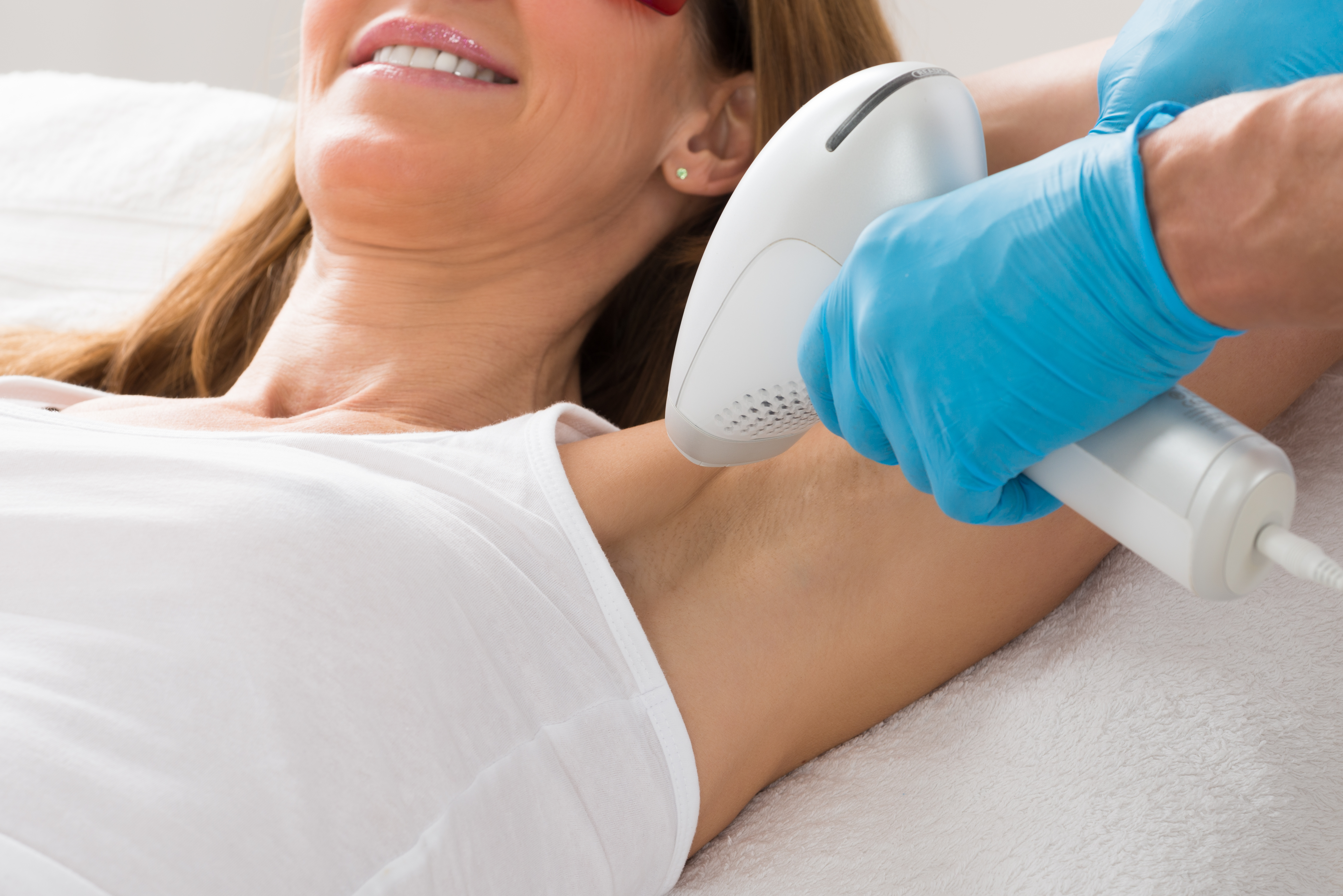
Laser and IPL science - Detailed wavelength study, how different light sources (diode laser, alexandrite, Nd:YAG, IPL) interact with melanin, hemoglobin, and water; understanding fluence, pulse duration, repetition rates, and cooling systems. Learners grasp why certain wavelengths treat hair (hair follicle melanin), while others treat vascular lesions (hemoglobin) or pigmentation.
-
Fitzpatrick classification and skin type assessment - In-depth study of skin phototypes I-VI, understanding how melanin density affects laser safety, absorption rates, and burn risk. Level 4 learners practice assessing clients against the Fitzpatrick scale and adjusting treatment parameters accordingly. This is critical safety knowledge for preventing adverse reactions.
-
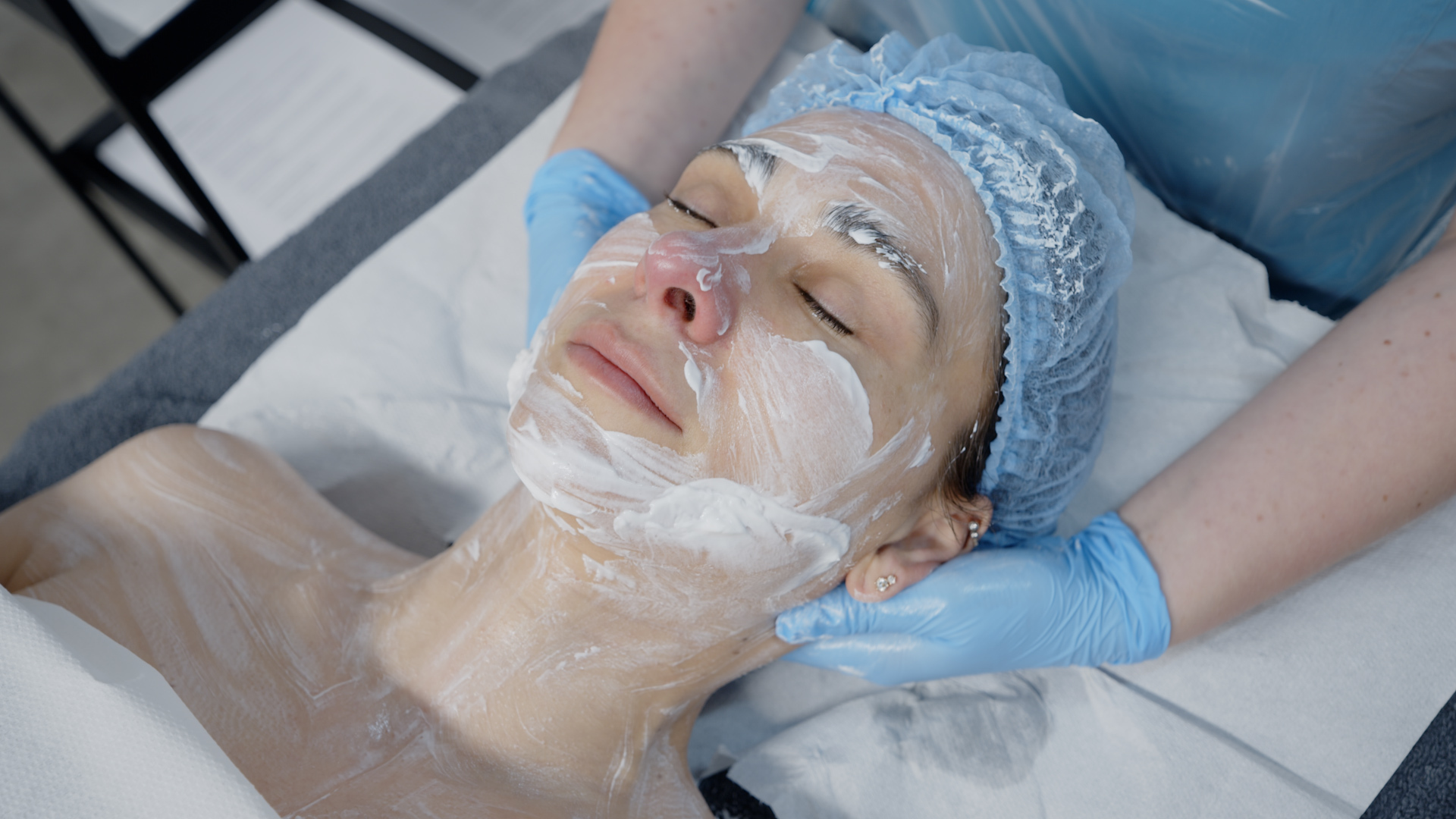
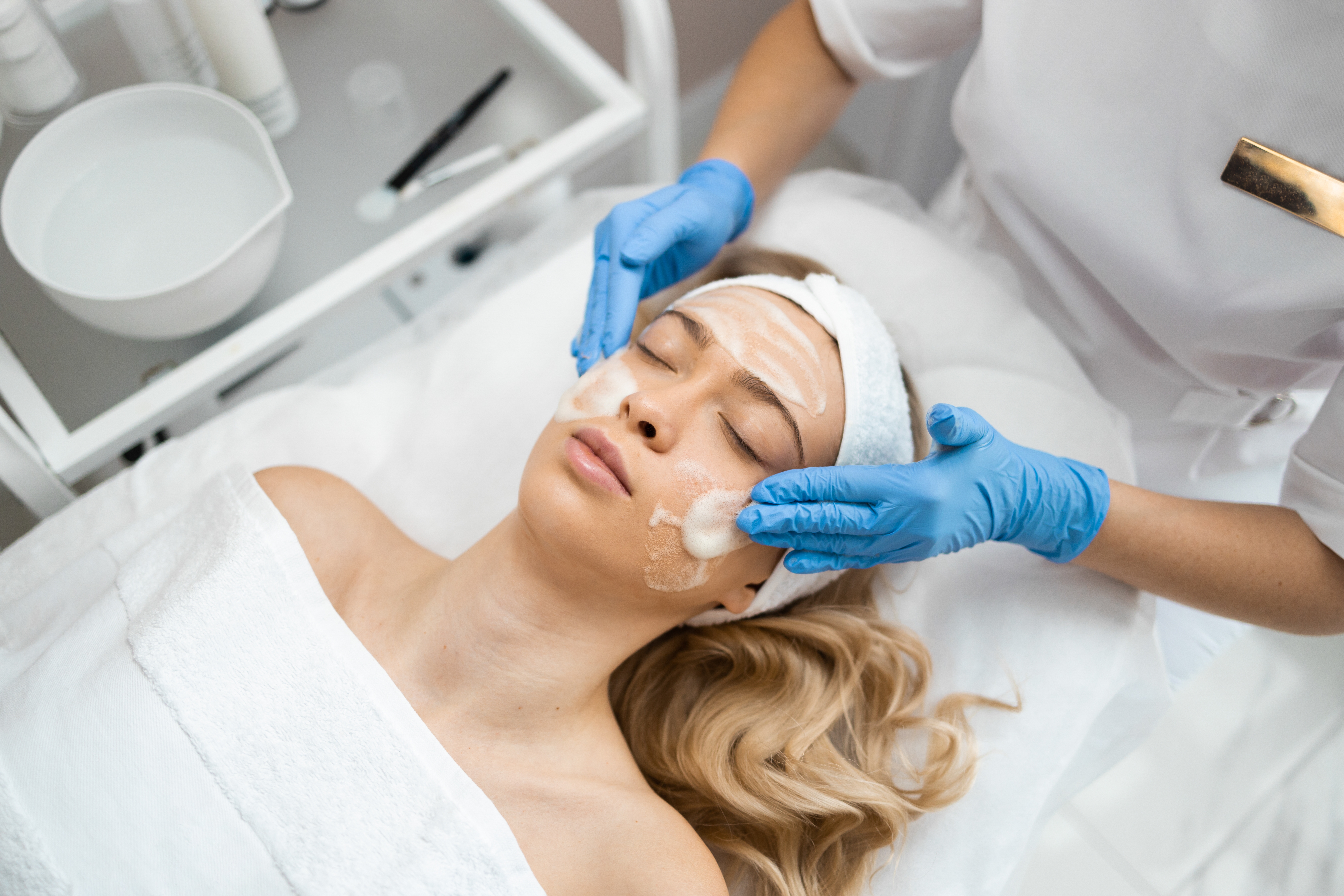
Advanced facial treatments and skin rejuvenation devices - Microdermabrasion, chemical peels (superficial and medium-depth), radiofrequency, ultrasound technology, and combination approaches. Understanding indications (acne, rosacea, pigmentation, texture), contraindications, and client suitability for each device.
-
Treatment planning and parameter selection frameworks - How to choose appropriate settings (wavelength, fluence, pulse width, frequency, cooling) based on skin type, target concern, and client goals. This is decision-making science, not rote settings.
-
Tissue interaction and depth of penetration - Understanding how laser energy is absorbed, scattered, and converted to heat at different depths; why deeper treatments require longer wavelengths; how cooling protects epidermis while treating dermis.
-
Comprehensive consultation protocols - Structured assessment of client suitability, contraindications (including medications like Accutane, photosensitizing drugs), sun exposure history, skin sensitivity, and realistic outcome setting. Documentation and informed consent aligned with professional standards.
-
Safety and hygiene protocols - Laser-specific infection control, electrical safety, eyewear standards, post-treatment care protocols, complication prevention, and incident management.
Level 4 assessment includes:
- 20-30 supervised practical sessions on live models across multiple treatment types
- Independent suitability assessment and treatment delivery demonstrations
- Written case studies (minimum 3-5 treatment cycles documented)
- Theory examination covering physics, anatomy, contraindications, and safety
Treatments Level 4 qualifies you to deliver independently (with appropriate insurance):
- Laser hair removal (£50-£150 per area, full courses typically £200-£600)
- IPL photofacials/skin rejuvenation (£80-£150 per session)
- Advanced facial treatments (£60-£120 per treatment)
- Radiofrequency and ultrasound procedures (£80-£180 per treatment)
The 8-12 week duration allows learners to practice on multiple models across different skin types and contraindication scenarios, building the pattern recognition and decision-making that keeps clients safe and outcomes consistent.
What Level 5 covers in detail
VTCT Level 5 qualifications (also 8-12 weeks, but with higher entry requirements and more advanced clinical complexity) build on Level 4 foundations with injectable-adjacent skills and more advanced procedural techniques. Level 5 splits into two main specializations: non-surgical skin procedures and laser tattoo removal, though practitioners often combine both over time.
Level 5 Skin Procedures core content:
-
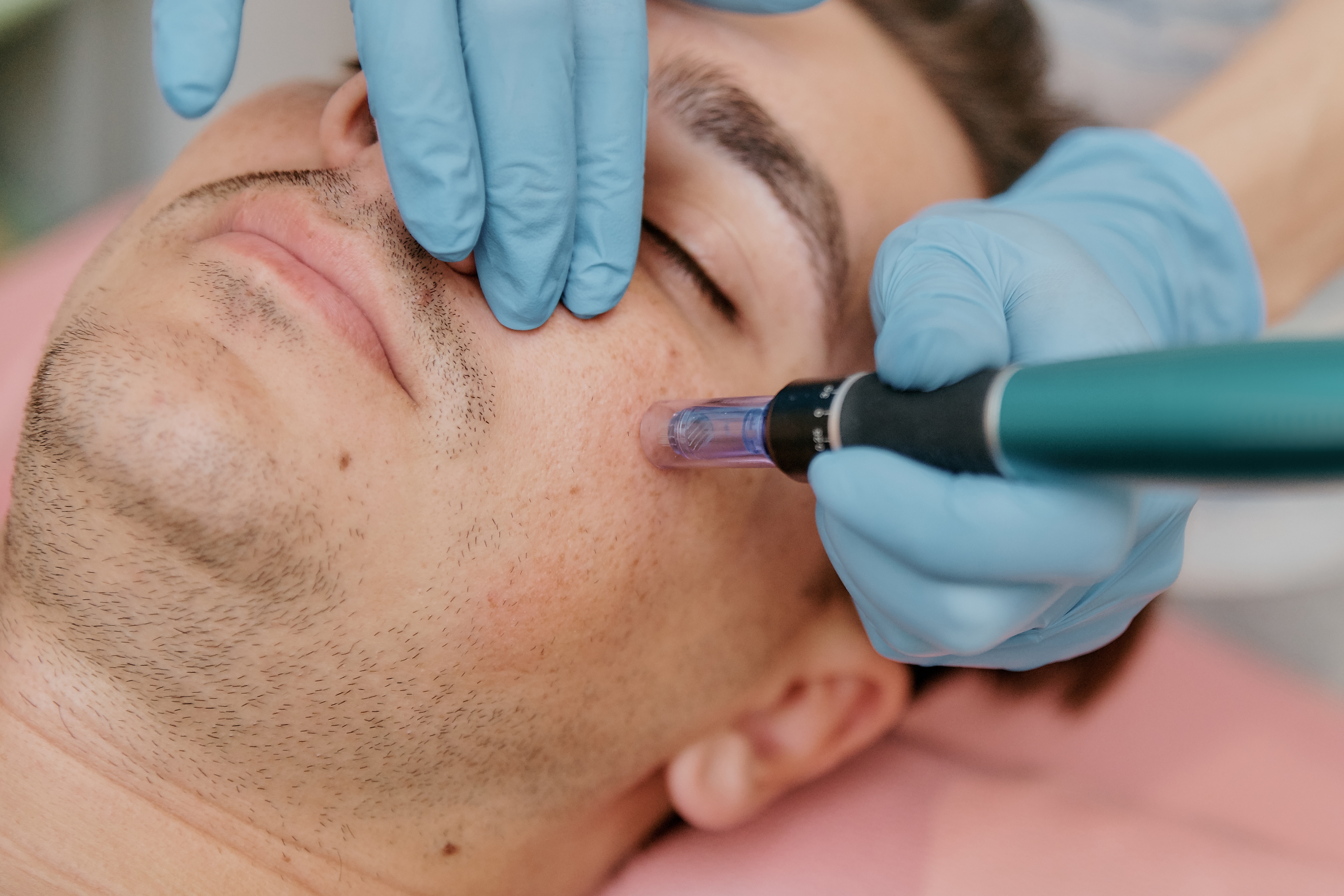
Microneedling science and technique - Understanding collagen induction therapy, needle depth selection (0.5mm-2.5mm depending on indication), skin healing phases, and how to safely treat different skin types. From basic facial microneedling to advanced scarring and pigmentation correction. Learners practice on models and cadaver skin to understand tissue response.
-
Mesotherapy and skin boosters - Understanding ingredient science (hyaluronic acid, amino acids, vitamins, growth factors), injection depth and technique, serial treatment protocols, and managing expectations. This bridges toward injectable knowledge without requiring advanced pharmaceutical training.
-
Advanced chemical peels - Medium-depth peels (TCA, glycolic acid combinations) targeting deeper pigmentation, acne scarring, and texture. Understanding depth penetration, timing, neutralization, and aftercare. This requires more advanced chemistry knowledge than Level 4 facials.
-
Corrective skin protocols - Combining multiple modalities (e.g., microneedling followed by serums, peels combined with post-procedure skincare) for specific concerns like melasma, post-acne scarring, and advanced aging signs.
-
Biological healing and tissue remodeling - Understanding phases of wound healing, collagen remodeling timelines, and how to manage expectations across multiple treatment cycles (typically 4-6 sessions spaced 4-6 weeks apart for full effect).
Level 5 Laser Tattoo Removal core content:
-
Tattoo ink chemistry and laser interaction - Different ink types (organic vs. inorganic), colour-specific wavelengths (1064nm Nd:YAG for black/dark blue, 532nm KTP for red, 785nm for green, etc.), and how laser energy breaks ink particles for macrophage clearance.
-
Advanced laser physics for tattoo removal - Picosecond vs. nanosecond technology, fluence selection, spot size optimisation, and treating resistant inks without causing scarring or hypopigmentation.
-
Skin type considerations in tattoo removal - Treating darker skin types safely, managing hyperpigmentation and hypopigmentation risk, and adjusting protocols for sensitive areas (face, neck, hands).
-
Multi-session planning and realistic expectations - Professional tattoo removal typically requires 8-12 sessions (sometimes more for colored inks), spaced 8-12 weeks apart. Learners understand timeline, cost, and manage client expectations appropriately.
Level 5 assessment includes:
- 25-35 supervised practical sessions (skin procedures and/or tattoo removal)
- Independent demonstration of advanced protocols
- Written case studies (minimum 4-6 documented treatment cycles)
- Theory exam covering advanced biological science, chemistry, and clinical decision-making
Treatments Level 5 qualifies you to deliver independently (with appropriate insurance):
- Microneedling (£150-£350 per treatment depending on depth and area)
- Mesotherapy/skin boosters (£150-£300 per treatment)
- Advanced chemical peels (£80-£200 per peel)
- Laser tattoo removal (£300-£800 per session depending on size and complexity)
Level 5 typically requires either Level 4 completion or equivalent skin knowledge prerequisites, reflecting the higher technical complexity.
Treatment scope and earning comparison
Level 4 treatment menu and typical pricing (UK average):
- Laser hair removal: £50-£150 per area (full leg course: £200-£600)
- IPL photofacial: £80-£150 per session
- Advanced facials: £60-£120 per session
- Radiofrequency: £80-£180 per treatment
A Level 4 practitioner booking 15-20 treatments weekly can realistically generate £30,000-£45,000 annually (Year 1, building client base), scaling to £50,000-£65,000 (Years 2-3) with an established client base and repeat bookings.
Level 5 treatment menu and typical pricing (UK average):
- Microneedling: £150-£350 per session
- Mesotherapy/skin boosters: £150-£300 per session
- Advanced chemical peels: £80-£200 per treatment
- Laser tattoo removal: £300-£800 per session (much higher per-treatment revenue)
A Level 5 practitioner with full scope (skin procedures + tattoo removal) booking 12-18 treatments weekly (lower volume, higher revenue per treatment) can generate £35,000-£55,000 annually (Year 1), scaling to £55,000-£85,000+ (Years 2-3) due to higher treatment value and strong repeat/referral bookings from tattoo removal clients (long-term treatment cycles).
The key difference: Level 4 achieves profitability through higher volume and client acquisition; Level 5 achieves higher margins through higher treatment value and specialist positioning. A practitioner combining both (Level 4 foundations + Level 5 advanced scope) can generate the highest earnings by offering a full service menu that captures different client segments.
Do you need both Level 4 and Level 5?
For most full-scope practitioners targeting premium positioning, yes, both make sense, but the timing depends on your business model:
Clinical approach: Level 4 first (8-12 weeks), build client base and treatment consistency (3-6 months), then Level 5 (another 8-12 weeks). This staged approach means you're not trying to master 8-10 different procedures simultaneously while building a new business. Sequencing protects quality and client safety.
Time and investment efficiency: Completing both qualifications in rapid succession (Level 4, then Level 5 within 3-6 months) allows you to enter the market with full scope immediately and command premium positioning from launch. This works if you have clinic employment secured or sufficient personal capital to sustain lower initial bookings while building reputation.
Single-speciality approach: Some practitioners choose Level 4 only (focusing on laser/device services) or Level 5 tattoo removal only (much higher per-treatment revenue, lower client volume needed). This is valid if your market research shows strong demand for one service and you want to dominate that specialism rather than offer broad scope.
Progression prerequisite reality: Most clinics and insurers expect Level 5 practitioners to have Level 4 or equivalent foundational knowledge. Attempting Level 5 without Level 4 is possible with strong prerequisites, but you'll struggle with insurance acceptance and client confidence relative to competitors with full credentials.
Level 4 in practical terms
A Level 4 route is generally where learners move from foundation knowledge into advanced skin rejuvenation practice.
Common Level 4 outcomes:
- Stronger consultation and treatment planning
- Practical skin-focused procedures under regulated assessment
- Clear progression eligibility toward higher levels
Explore a regulated route here: Level 4 Advanced Aesthetic Therapies for Skin.
Level 5 in practical terms
Level 5 typically builds on Level 4 with broader procedural depth and higher complexity treatment planning.
Common Level 5 outcomes:
- More advanced skin procedure competency
- Stronger positioning for premium treatment offerings
- Better readiness for high-level progression planning
See route options here: Level 5 Non-Surgical Aesthetic Procedures for Skin.
Which level is right for you now
Choose Level 4 first if you:
- Are progressing from Level 3
- Need structured advanced-skin foundation
- Want a staged progression path
Choose Level 5 if you:
- Already meet progression prerequisites
- Need higher treatment complexity in your service mix
- Are planning longer-term progression into advanced routes
If in doubt, use the Pathway to Aesthetics and discuss your exact profile through Request a Callback.
How this affects your long-term route
For many learners, VTCT Level 4 and Level 5 are complementary stages, not either-or endpoints. The right sequence depends on your background, your service goals, and your timeline. Both qualifications sit on the Regulated Qualifications Framework (RQF) and support long-term compliance and insurance readiness.
If injectable progression is part of your plan, read VTCT Level 5 vs Level 7 Injectables: UK Injectable Pathways and review Level 7 Diploma options.
Decision matrix: choose the right level for your current stage
Use this matrix to avoid skipping critical foundations.
| Your current profile | Better immediate choice | Why |
|---|---|---|
| New to advanced skin progression | Level 4 | Builds consultation depth and practical confidence first |
| Already established in advanced skin and ready to widen scope | Level 5 | Expands procedural complexity and service positioning |
| Goal is premium injectables in the longer term | Level 4 then Level 5 (where appropriate) | Creates a safer progression runway toward advanced routes |
| Unsure about prerequisites | Admissions route check first | Prevents avoidable enrolment delays |
In practice, the best outcomes come from route sequencing, not level chasing. A learner who completes the right stage thoroughly tends to progress faster commercially than someone who tries to jump ahead and then backfill missing capability.
Common mistakes when comparing Level 4 and Level 5
- Choosing by title instead of scope: compare what you will be competent to deliver after assessment.
- Ignoring service model: your route should match your intended client base and treatment mix.
- Underestimating timeline load: higher-level progression still requires consistent case and assessment discipline.
- Not planning the next 12 months: one-course decisions create stop-start momentum.
If you want a route mapped to your background, use Pathway to Aesthetics and confirm your progression plan through Request a Callback. You can also align intake timing against the training calendar.
FAQ
Is VTCT Level 5 always better than Level 4? Not necessarily. Level 5 is usually more advanced, but Level 4 is often the required progression base for building capability. See VTCT Level 3 Access to Aesthetics Requirements UK for the full progression ladder.
Can beginners start directly at VTCT Level 5 aesthetics training? Most learners need prerequisite progression through Level 3 and Level 4 first, depending on prior qualifications.
Does VTCT Level 4 include practical training and assessment? Yes. Regulated VTCT routes include assessed practical elements for skin consultation and treatment delivery.
Will VTCT Level 5 improve earning potential compared to Level 4? Significantly. Level 4 practitioners typically earn £30,000-£65,000 annually (depending on volume and pricing). Level 5 practitioners with full scope earn £45,000-£85,000+ due to higher treatment values (microneedling £150-£350, tattoo removal £300-£800) versus Level 4 services. The highest earners combine both levels strategically.
What's the biggest earning difference between Level 4 and Level 5? Treatment value per session. A Level 4 laser hair removal session might generate £80-£150 income; a Level 5 tattoo removal session generates £300-£800 per session. Fewer sessions weekly at Level 5 pricing can match or exceed Level 4 earnings from higher volume. This changes your business model from "maximize client volume" to "maximize per-appointment revenue and client lifetime value."
Can I earn more with Level 4 only if I optimise pricing and volume? Yes, but you'll need significantly higher client volume (20-30 treatments weekly). Level 5 achieves similar earnings with 12-18 treatments weekly through higher per-treatment value. Level 5 also builds stronger client loyalty (tattoo removal clients commit to 8-12 sessions over 12-18 months, not one-off hair removal treatments).
How do I choose between Level 4 and Level 5 quickly? Take the course match quiz and book a callback with admissions. Ask about your timeline for progressing through both versus specialising in one.
Where can I compare all VTCT skin and aesthetics options? Use the VTCT course hub to browse all regulated levels and specialisms.
Can I treat Level 4 and Level 5 as one combined learning plan? Yes. Many practitioners perform better when they plan both as a staged growth pathway. See VTCT Training UK: Complete Guide.
What is the fastest safe decision process? Define your 12-month service goals, check prerequisites, use Pathway to Aesthetics, then lock the route with admissions.
Editorial Standards
Author
Cosmetic College Editorial Team
Aesthetic Education Editorial Team
Cosmetic College specialists and admissions advisers produce this content to help learners choose regulated progression routes and make safer, better-informed training decisions.
Review cycle
Published: 15 January 2026
Last reviewed: 15 January 2026
Reading time: 10 min
Sources and References
- Level 4 Advanced Aesthetic Therapies for Skincosmetic.college
- Level 5 Non-Surgical Aesthetic Procedures for Skincosmetic.college
- Pathway to Aestheticscosmetic.college
- Request a Callbackcosmetic.college
- VTCT Level 5 vs Level 7 Injectables: UK Injectable Pathwayscosmetic.college
- Level 7 Diploma optionscosmetic.college
- training calendarcosmetic.college
- VTCT Level 3 Access to Aesthetics Requirements UKcosmetic.college
- course match quizcosmetic.college
- VTCT course hubcosmetic.college
- VTCT Training UK: Complete Guidecosmetic.college