









This UK aesthetic treatment pricing benchmark 2026 helps practitioners set pricing with stronger logic instead of copying competitors blindly. Your pricing power is directly linked to your aesthetics training UK qualifications and the scope of treatments you can deliver safely and compliantly.
Pricing tiers by positioning
| Positioning tier | Typical context | Common pricing behaviour |
|---|---|---|
| Entry-market | New practitioner, low authority | Discount-led and unstable margins |
| Growth-market | Better outcomes and retention | Value-based pricing with moderate margin |
| Premium-market | Advanced scope and stronger brand | Outcome-led pricing with stable margin |
What should influence your pricing
Strong pricing decisions consider:
- Qualification depth and treatment complexity
- Local demand and positioning, not just local average
- Consultation quality and conversion confidence
- Repeat booking behaviour and retention economics
Why progression affects pricing power
As your route progresses, your treatment scope and authority generally improve.
Useful route pages:
Related guides for pricing strategy:
Treatment pricing by category (2026 benchmark)
Here's how UK aesthetic practitioners typically price services by category. These ranges reflect London and Southeast positioning; regional variations apply (see regional pricing section below).
| Treatment | Typical range | Common factors affecting price |
|---|---|---|
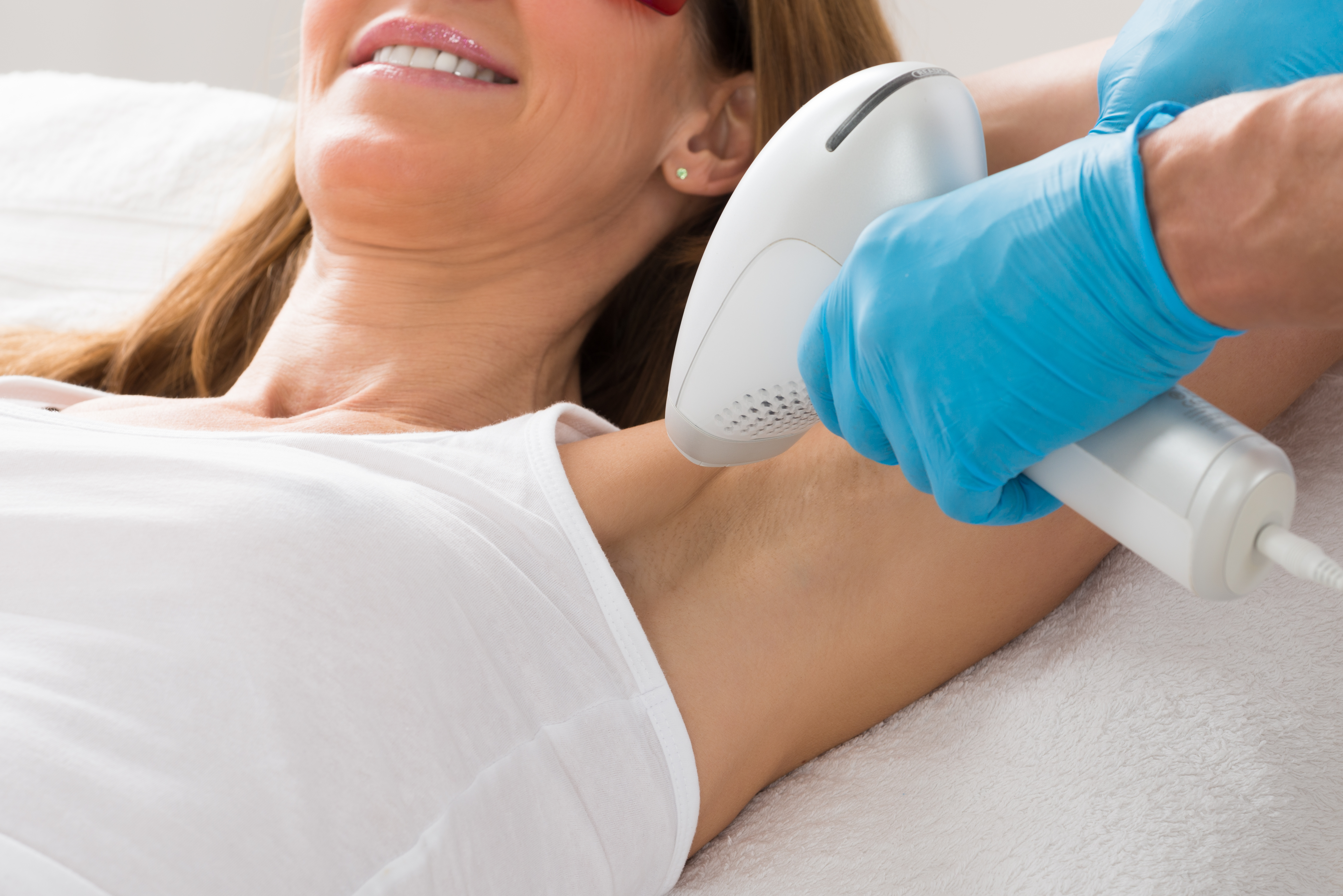
| Laser hair removal (per area: underarm, leg section, bikini) | £50–£150 per session | Body area size, session frequency, package bundling |
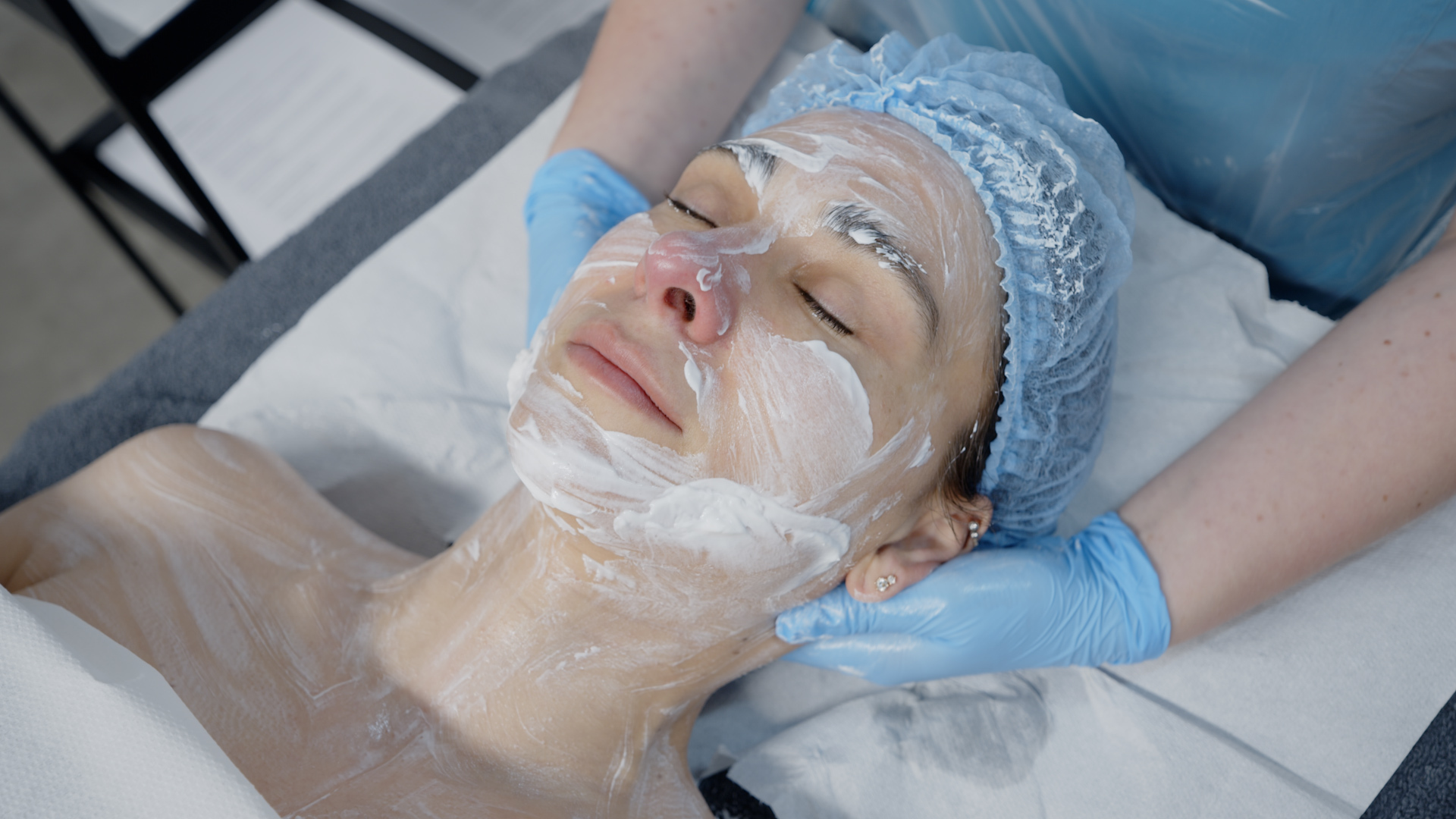
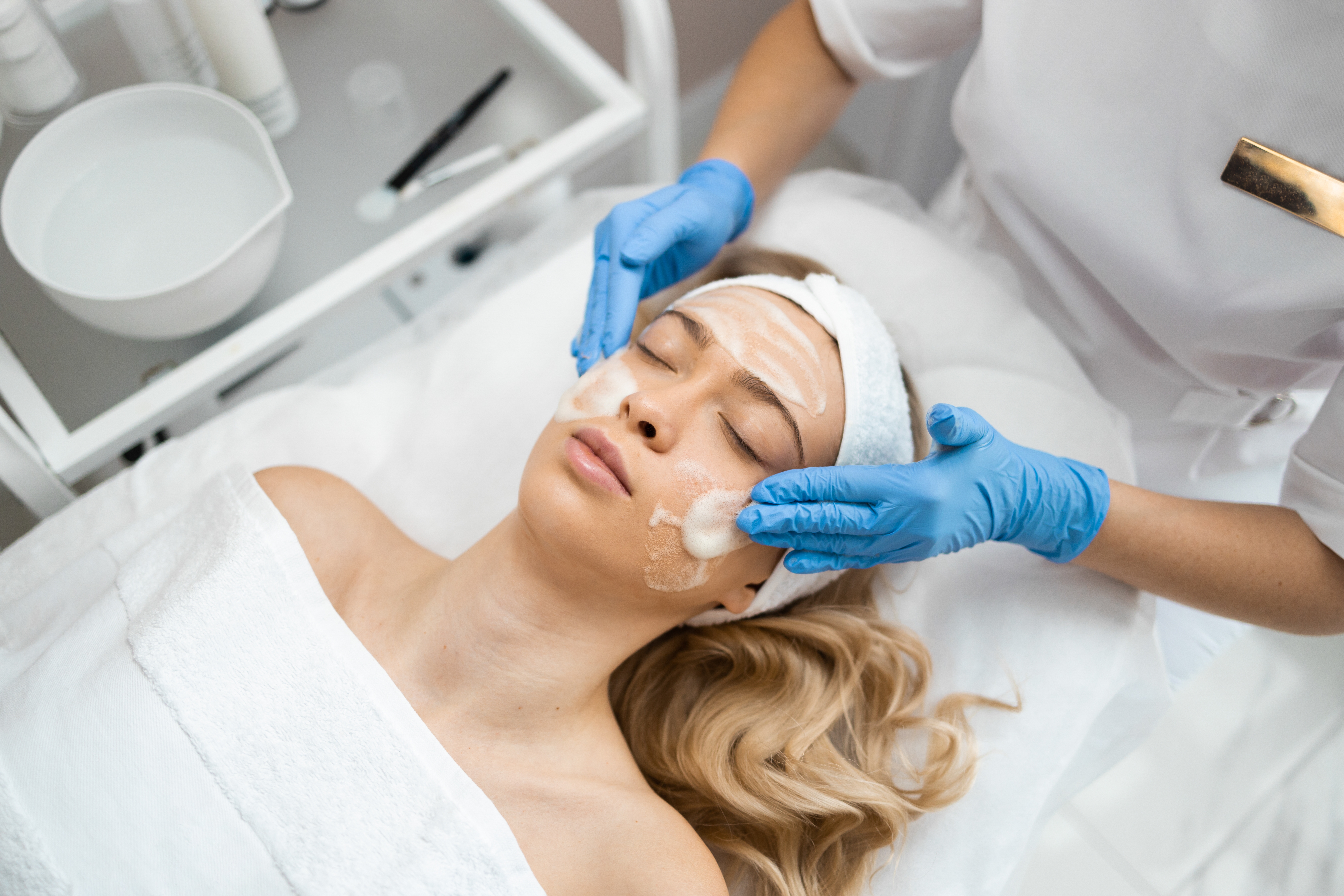
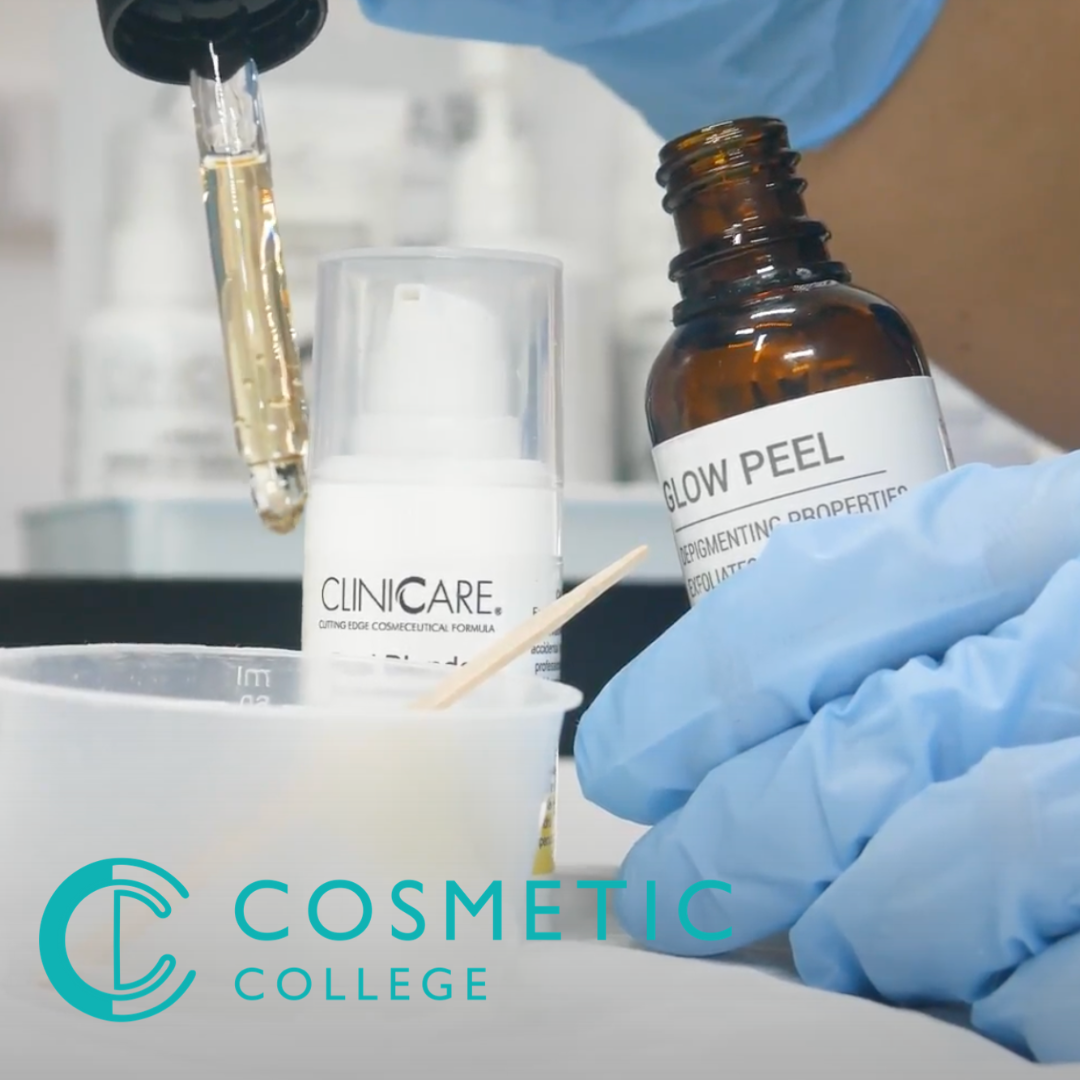
| Chemical peels (superficial to medium) | £80–£200 per session | Peel strength, skin type, aftercare requirements |
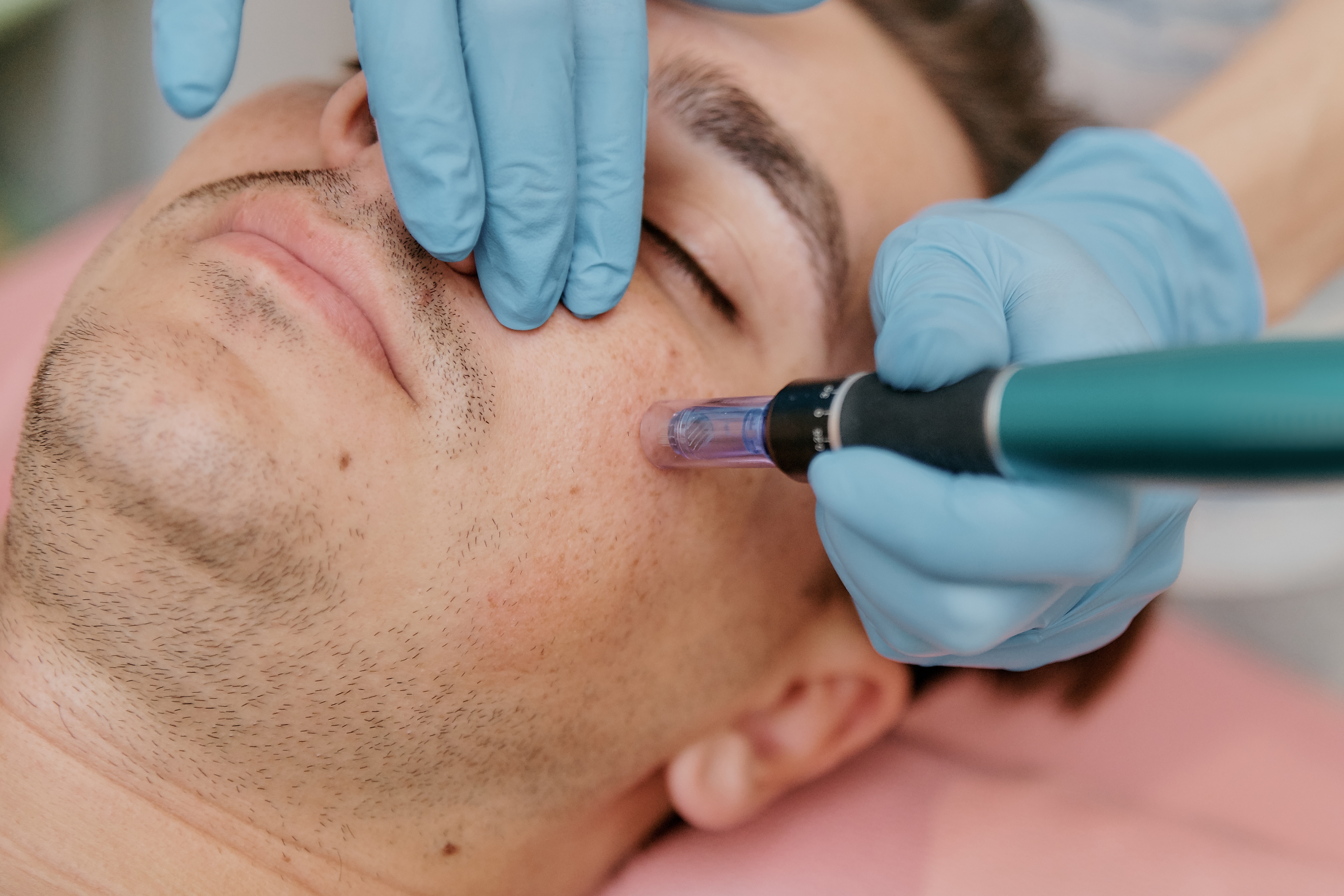
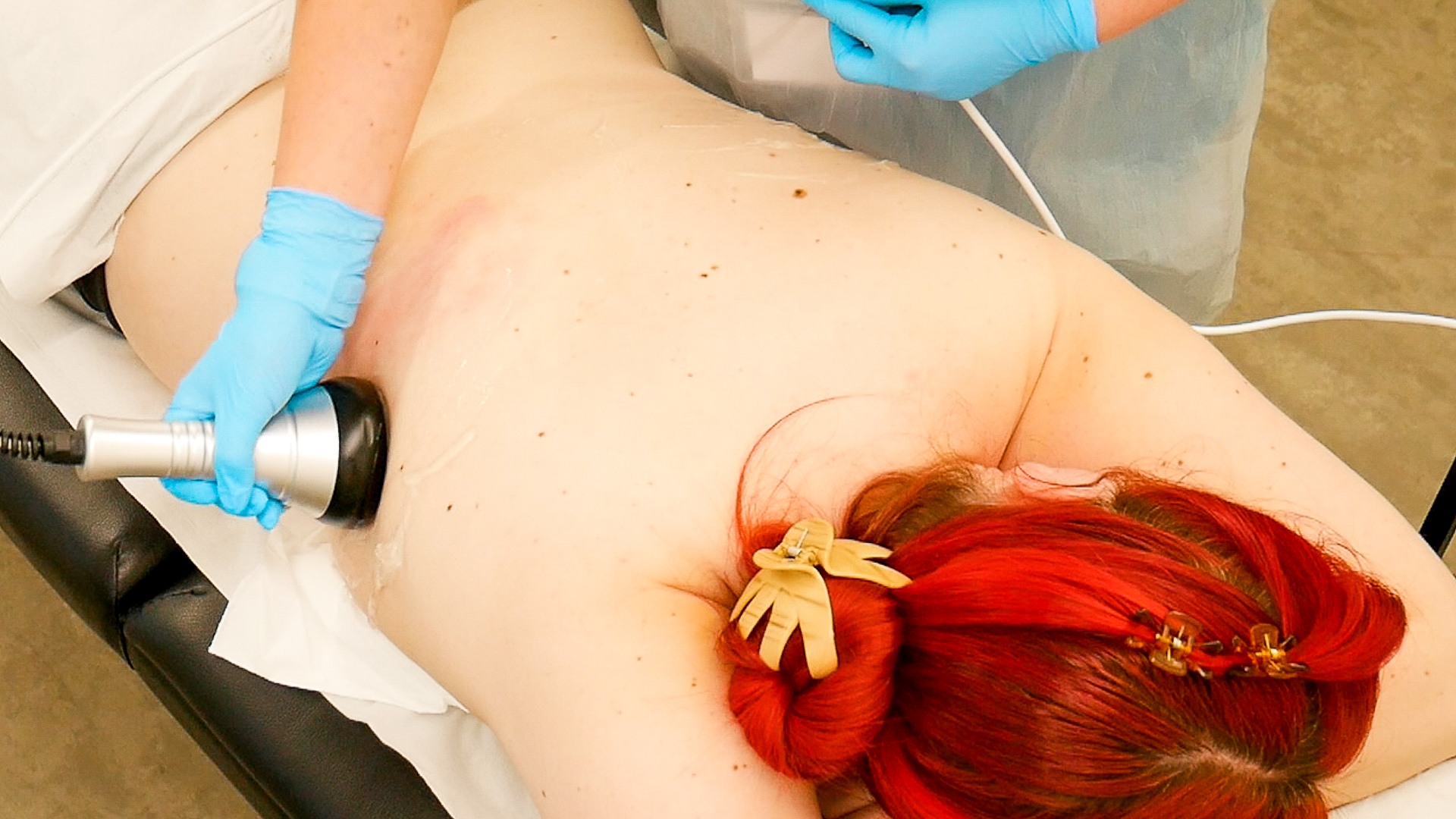
| Microneedling with serum | £150–£350 per session | RF vs mechanical, needle length, serum used, face vs body |
| Mesotherapy (skin boosters, vitamins) | £150–£300 per session | Product type, injection points, follow-up protocol |
| Skin boosters (hyaluronic acid, amino acids) | £200–£350 per session | Product brand, area treated, depth of infiltration |
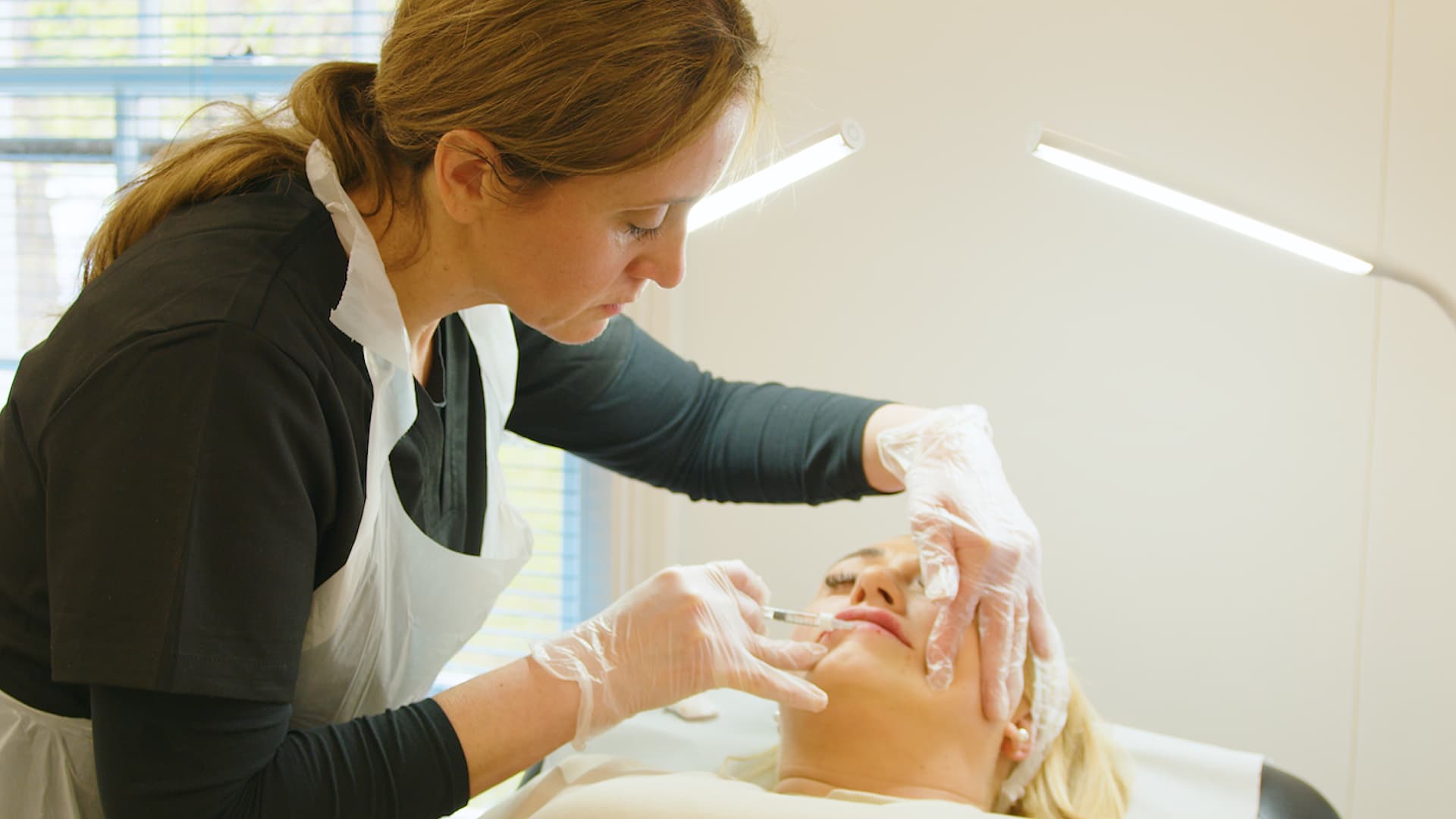
| Dermal fillers (lips, cheeks, nasolabial) | £200–£400 per session | Product ml volume, area scope, brand tier |
| Lip fillers (enhancement or augmentation) | £200–£350 per session | Volume, technique (injector skill premium), product |
| Anti-wrinkle injections (per area: forehead, crows feet, frown) | £150–£300 per area | Unit volume, provider expertise, package deals for multiple areas |
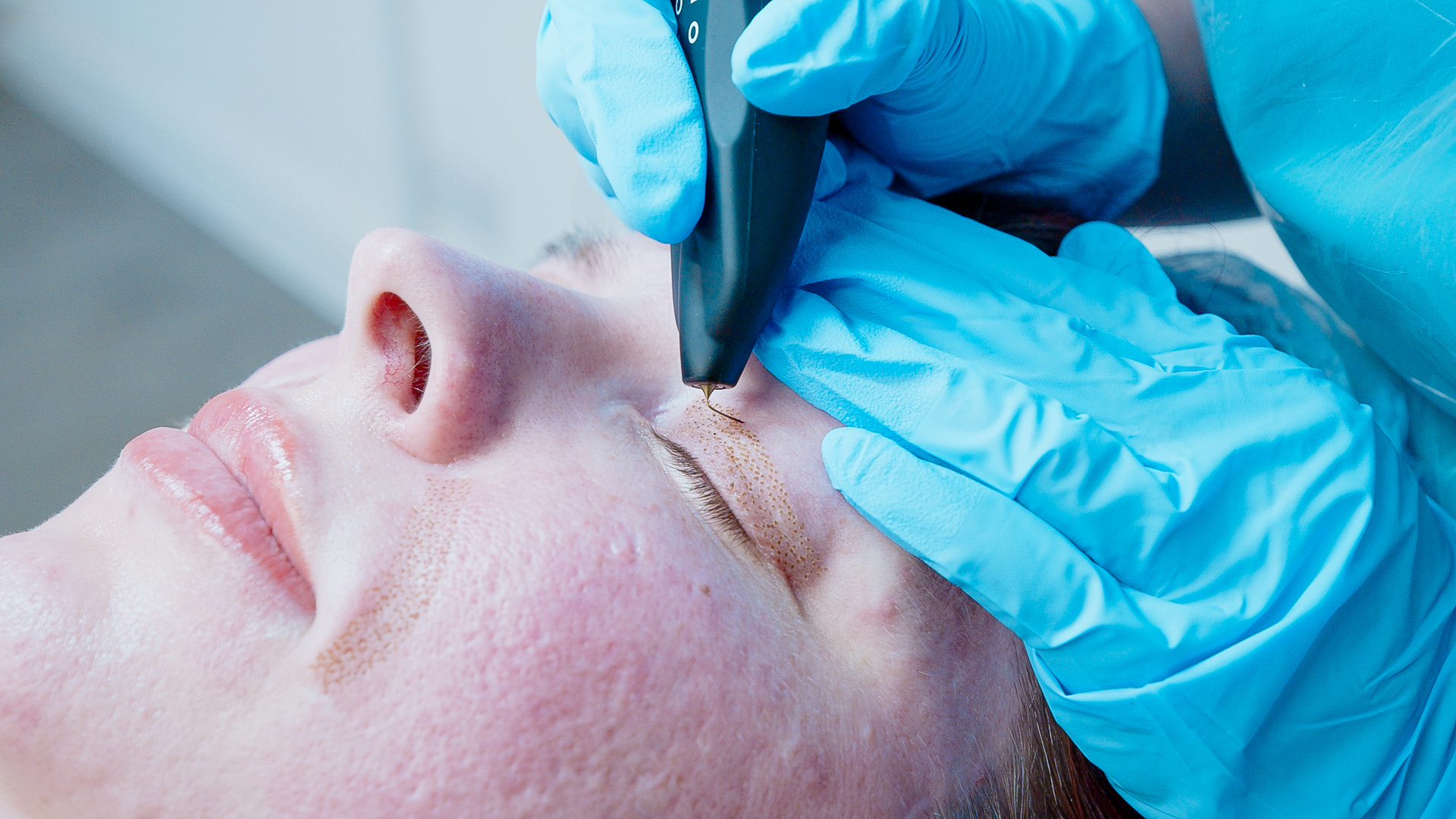
| Tattoo removal (per session, per cm²) | £80–£250 per session | Laser type (Q-switched Nd:YAG vs picosecond), ink colour, tattoo age |
Notes on this table:
- Prices exclude advanced clinician markup (medical professionals often price 10–20% higher).
- Regional variation: London typically adds 20–30% premium; Southeast above national average; Midlands and North more competitive but with lower ceiling.
- Repeat booking discounts (10–15% package prices) are common but should not erode base margin significantly.
- Insurance and consumables are approximately 15–25% of treatment revenue.
How qualification level affects pricing power
Your VTCT qualification progression directly influences which treatments you can legally deliver and how confidently you can price them.
Level 3 (Certificate in Access to Aesthetic Therapies):
- Scope: Basic skin treatments, light facials, manual therapies, some light-based devices under supervision
- Typical pricing: Entry-market positioning, £30–£80 per treatment
- Pricing risk: Limited treatment scope compresses margins; low authority means discount dependency
Level 4 (Certificate in Non-Surgical Aesthetic Procedures):
- Scope: Laser and IPL treatments, advanced facials, chemical peels, microneedling, light therapy systems
- Typical pricing: Growth-market positioning, £60–£200 depending on treatment
- Pricing advantage: Laser treatments (£50–£150/area) provide better margins than basic facials; repeat booking potential higher
Level 5 (Certificate in Advanced Non-Surgical Aesthetic Procedures for Skin):
- Scope: Advanced microneedling with radiofrequency, mesotherapy, advanced chemical peels, skin boosters, advanced consultation
- Typical pricing: Growth to premium positioning, £150–£350 per treatment
- Pricing advantage: Higher-value treatments (£200–£350 skin boosters, £150–£300 mesotherapy) support premium positioning; higher client lifetime value
Level 7 (Diploma in Non-Surgical Aesthetic Injectable Procedures):
- Scope: Dermal fillers, botulinum toxin, advanced anatomy, pharmacology, complex facial assessment
- Typical pricing: Premium-market positioning, £150–£400 per treatment area for injectables
- Pricing advantage: Injectables command highest margins (£200–£400 fillers, £150–£300 anti-wrinkle per area); best repeat booking and package upsell potential
Key insight: Practitioners with Level 3 alone typically operate in £28k–£45k earnings range (foundation stage). Level 4–5 practitioners reach £45k–£75k (growth stage). Level 7 practitioners often reach £75k–£120k+ (advanced stage), assuming 15–20 billable hours weekly.
Pricing by region
UK aesthetic pricing varies significantly by region, driven by local demand, client income levels, and competitor density.
| Region | Typical positioning vs national average | Common service mix |
|---|---|---|
| London (central and South) | +20–30% premium | High-value injectables, advanced skin, laser hair removal packages |
| Southeast (commutable to London) | +10–15% above national average | Balanced mix of skin and injectables, strong repeat bookings |
| South Coast (Brighton, Southampton) | At national average to +10% | Strong demand for laser and skin treatments, price-sensitive clients |
| Midlands | -5 to +5% vs national average | Competitive on skin treatments, growing injectable demand |
| North (Manchester, Leeds, Newcastle) | -10 to 0% vs national average | Price-competitive but lower ceiling for premium services |
| Scotland (Edinburgh, Glasgow) | Varies widely; city premium | Similar to Southeast in major cities, lower in smaller towns |
Practical guidance:
- Do not automatically match London prices if you are in the Midlands or North. Instead, anchor your pricing to local competitor positioning and your own qualification scope.
- Use these regional patterns as context only. Your local demand, client quality, and retention ability matter more than regional averages.
- Premium practitioners in lower-cost regions often outperform average practitioners in expensive regions through better margins and operational efficiency.
A simple pricing review cycle
Run this monthly:
- Review booked-to-enquiry conversion
- Review repeat booking ratio
- Review margin by treatment category
- Adjust price or package logic with evidence
If you need route and service mix guidance, request a callback or take the course quiz.
Pricing guardrails by clinic maturity
| Clinic stage | Pricing objective | Operational focus |
|---|---|---|
| Early stage | Protect margin while building trust | Strong consultation quality and realistic launch pricing |
| Growth stage | Move from discount dependency to value-based pricing | Service bundling, retention, and rebooking consistency |
| Established stage | Defend premium position with clear outcomes | Experience design, selective offers, and capacity control |
The goal is not to be the cheapest option in your area. The goal is to align price with outcomes, safety, and treatment experience. Practitioners with progression-backed capability can usually defend stronger pricing because they communicate scope and expected outcomes more clearly.
90-day pricing optimisation plan
- Week 1-2: Audit margin by treatment category and identify low-margin offers.
- Week 3-4: Improve consultation scripts to strengthen value communication.
- Week 5-8: Test offer structure (single session vs package) with clear outcome framing.
- Week 9-12: Refine pricing using demand, retention, and margin evidence.
Use VTCT route progression, Pathway to Aesthetics, and training course calendar as strategic context: stronger capability usually unlocks better pricing confidence and less discount pressure.
Margin calculation by treatment and qualification
Here's how to estimate your likely gross margin (before overheads) at different qualification levels:
Example 1: Laser Hair Removal (Level 4)
- Typical client price: £100/underarm session
- Consumable cost (cooling gel, protective items): ~£3
- Machine operation cost (depreciation, maintenance per session): ~£8
- Gross margin per treatment: £89
- If you deliver 10 treatments/week: ~£890/week = ~£46k annual (gross margin, before overheads)
Example 2: Skin Booster Mesotherapy (Level 5)
- Typical client price: £250/session
- Product cost (hyaluronic acid booster serum): ~£35
- Needle and consumables: ~£5
- Gross margin per treatment: £210
- If you deliver 12 treatments/week: ~£2,520/week = ~£131k annual (gross margin, before overheads)
Example 3: Anti-Wrinkle Injection - Single Area (Level 7)
- Typical client price: £200 per area
- Product cost (botulinum toxin per unit): ~£3–£5 per unit × 20 units = ~£80
- Needle and consumables: ~£2
- Gross margin per treatment: £118
- If you deliver 8 treatments/week (averaging 2–3 areas per client): ~£944/week = ~£49k annual (gross margin, before overheads)
- Note: Level 7 practitioners typically see higher repeat bookings and average order value (3+ areas), which can increase weekly margin to £1,800+ for experienced practitioners
Key insight: Gross margin alone does not equal take-home income. You must subtract premises rent, insurance (£100–£300/year), CPD, staff (if applicable), and marketing. Most established practitioners keep 40–55% of gross margin as net income after all overheads.
FAQ
Should I always match local competitors on price? No. Match your pricing to your positioning, outcomes, and route depth.
Can low pricing hurt long-term growth? Yes. It can compress margins and make scaling harder.
What usually improves pricing confidence? Clear treatment outcomes, better consultations, and stronger progression credentials.
Does training progression affect what I can charge? Often yes, because scope and perceived expertise increase.
Where can I map progression options? Use Pathway to Aesthetics, VTCT courses, and review aesthetics career pathway UK.
How can I choose my next training step? Book a callback and plan your route.
How often should I change treatment prices? Only when your data supports it. Review monthly, but adjust deliberately rather than frequently.
Can higher prices reduce bookings? They can if value communication is weak. However, practitioners who improve consultation quality, show clear before-and-after results, and communicate outcome expectations typically retain clients even after modest price increases. Premium positioning usually reduces price-shopping behaviour.
What is the typical insurance cost impact on my pricing? Professional indemnity insurance costs £100–£300/year for established practitioners (increasing with treatment scope and claims history). Budget this as approximately 2–4% of annual gross margin, and do not try to recover it via individual treatment surcharges; instead, factor it into your pricing strategy holistically.
Editorial Standards
Author
Cosmetic College Editorial Team
Aesthetic Education Editorial Team
Cosmetic College specialists and admissions advisers produce this content to help learners choose regulated progression routes and make safer, better-informed training decisions.
Review cycle
Published: 20 January 2026
Last reviewed: 20 January 2026
Reading time: 8 min
Sources and References
- All aesthetics coursescosmetic.college
- VTCT coursescosmetic.college
- Level 5 skin routecosmetic.college
- Level 7 injectables diplomacosmetic.college
- UK Aesthetics Salary Benchmark 2026cosmetic.college
- Aesthetics Training Finance UK: Budget and Cash-Flow Planningcosmetic.college
- callbackcosmetic.college
- course quizcosmetic.college
- Pathway to Aestheticscosmetic.college
- training course calendarcosmetic.college
- aesthetics career pathway UKcosmetic.college