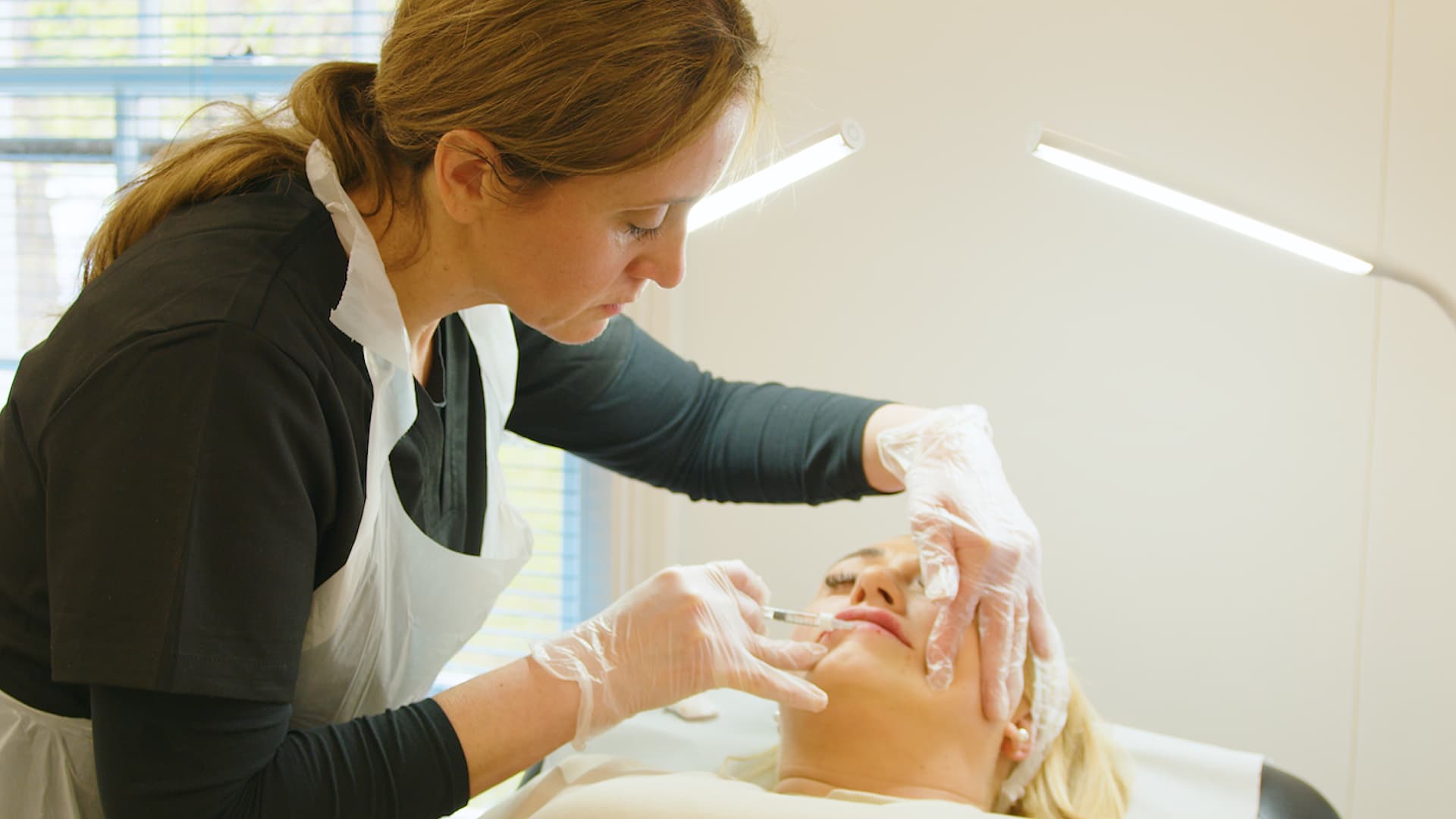



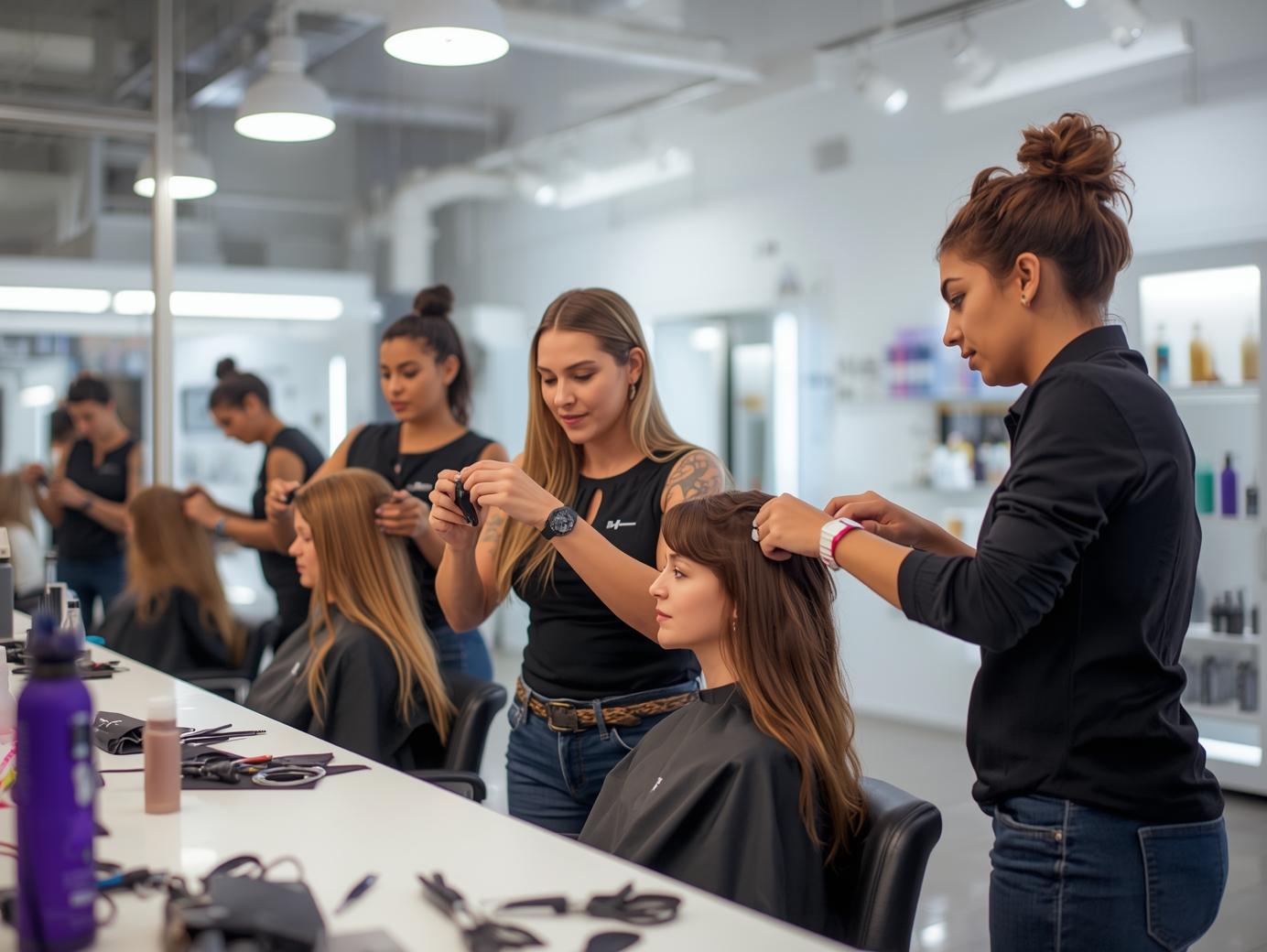

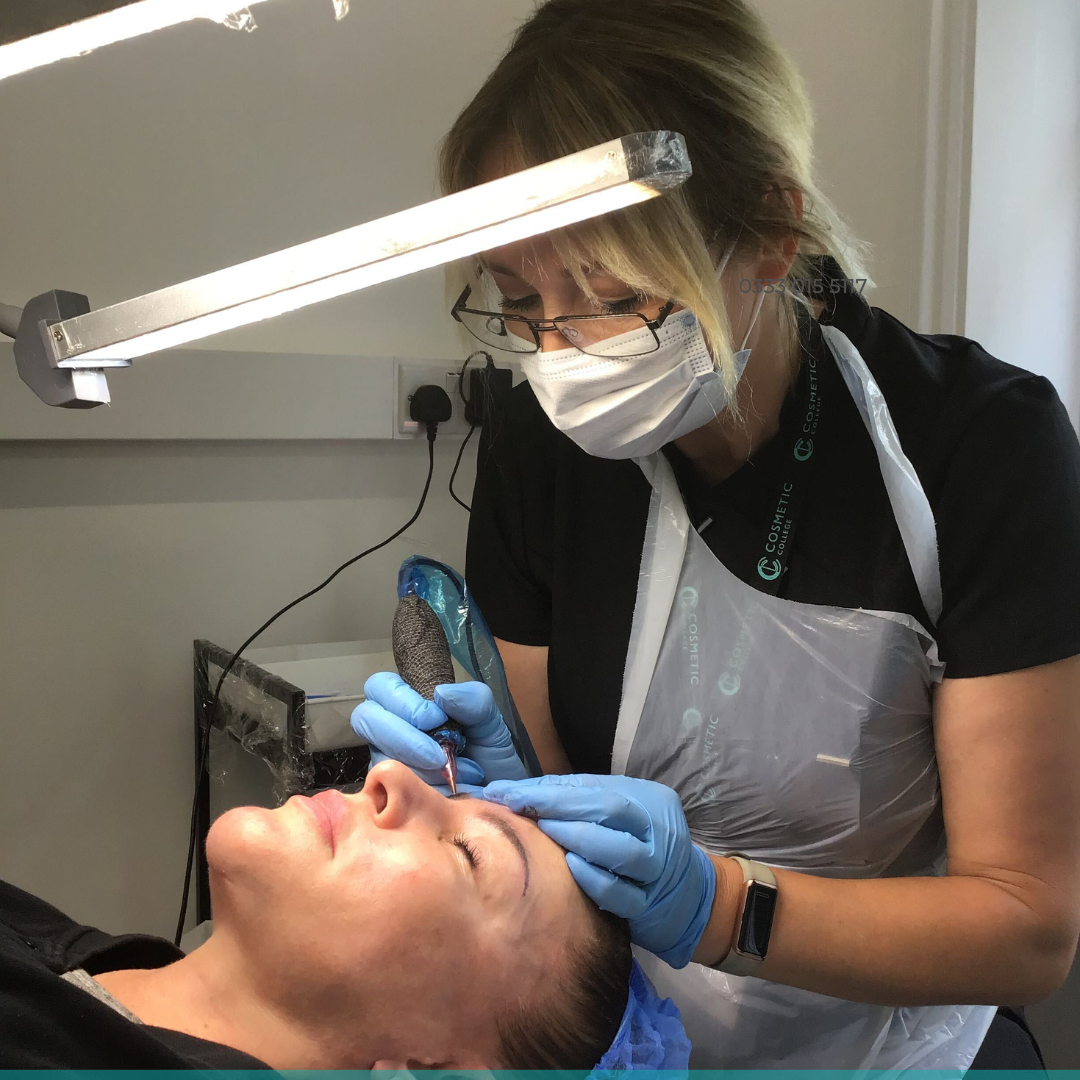
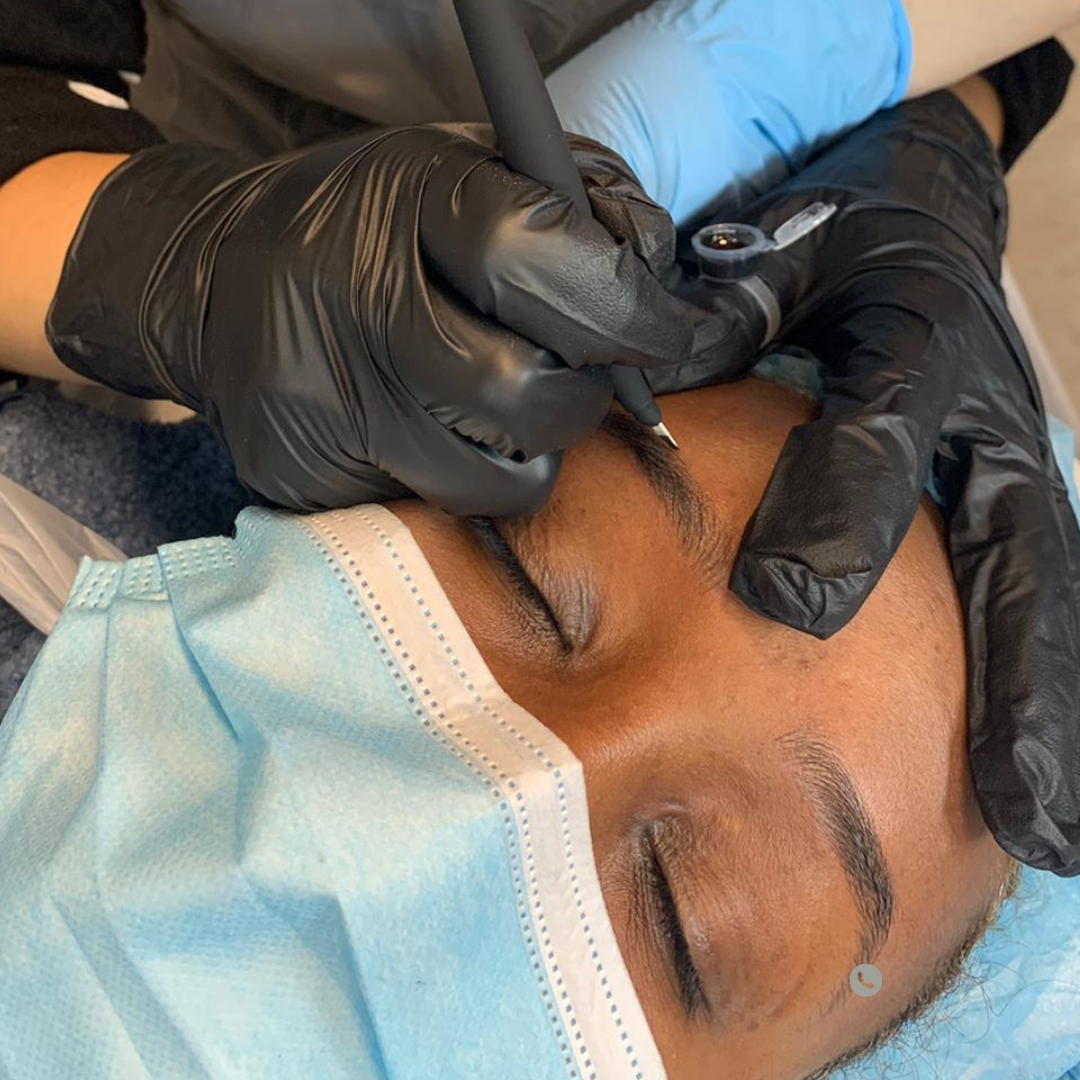
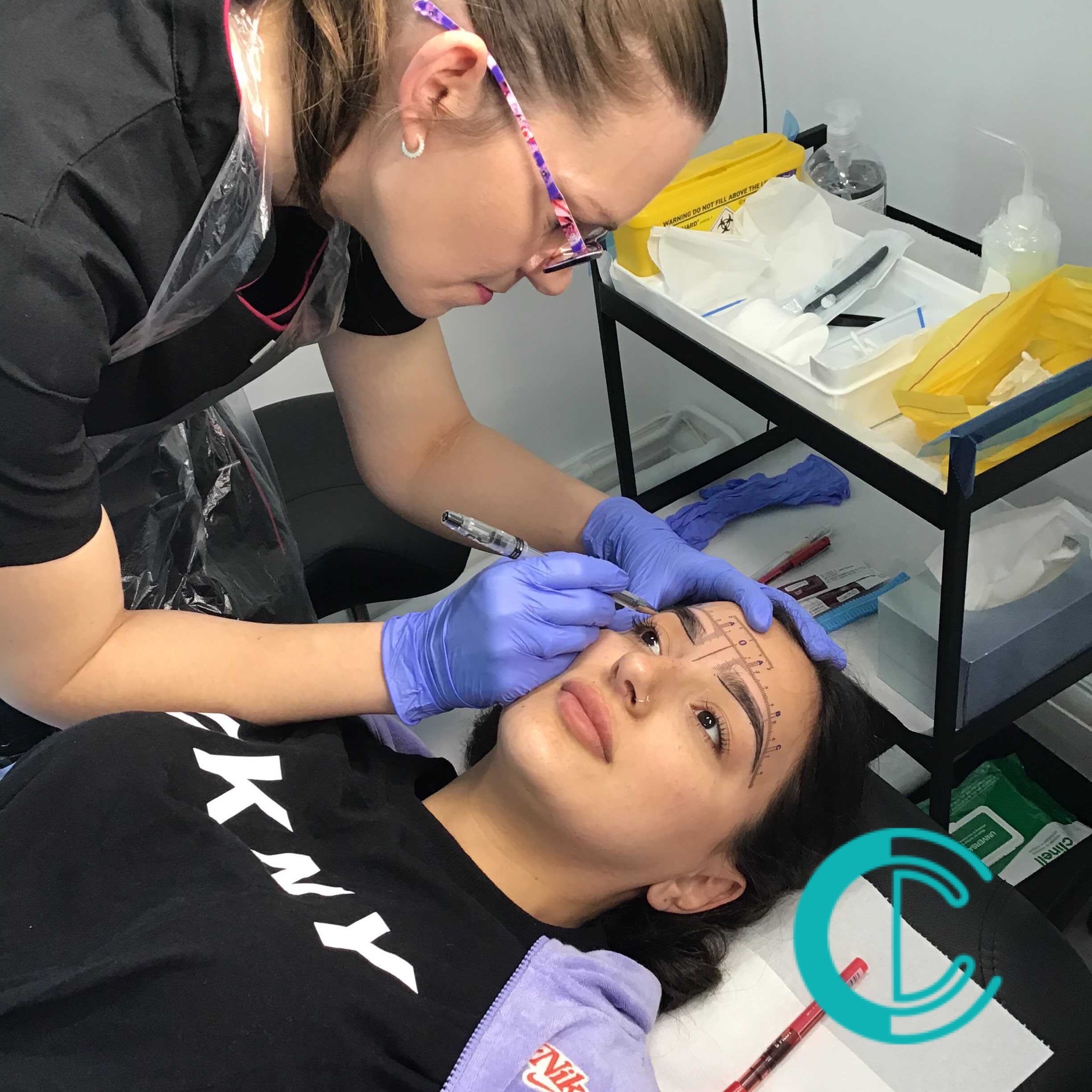
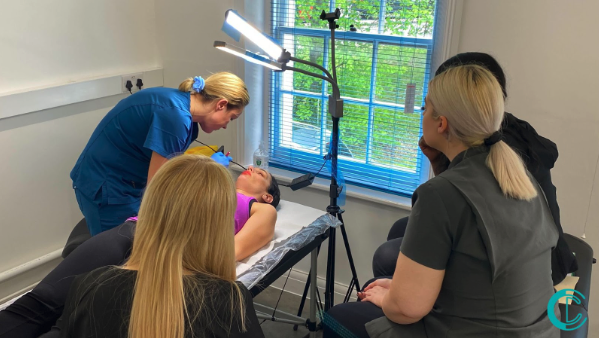
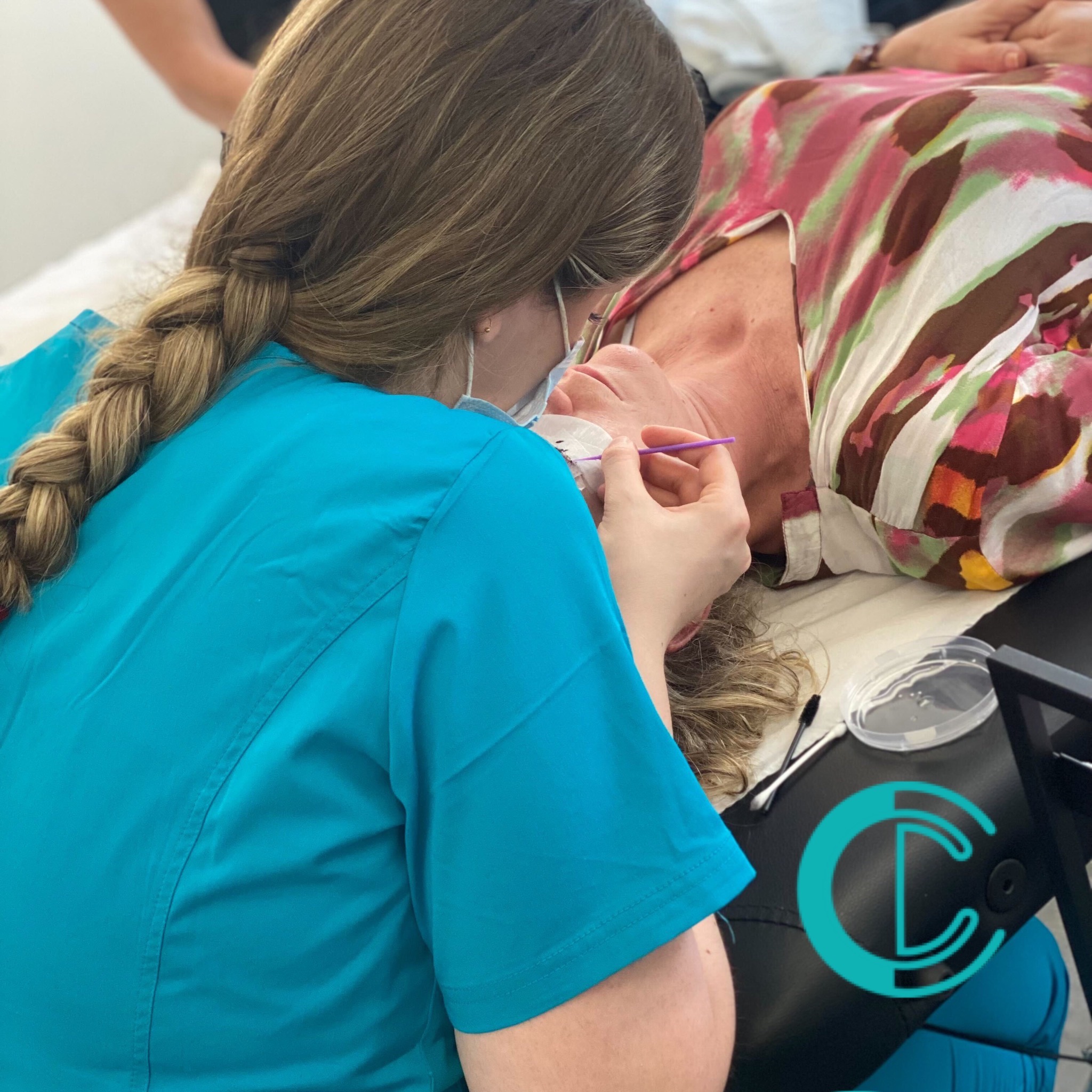


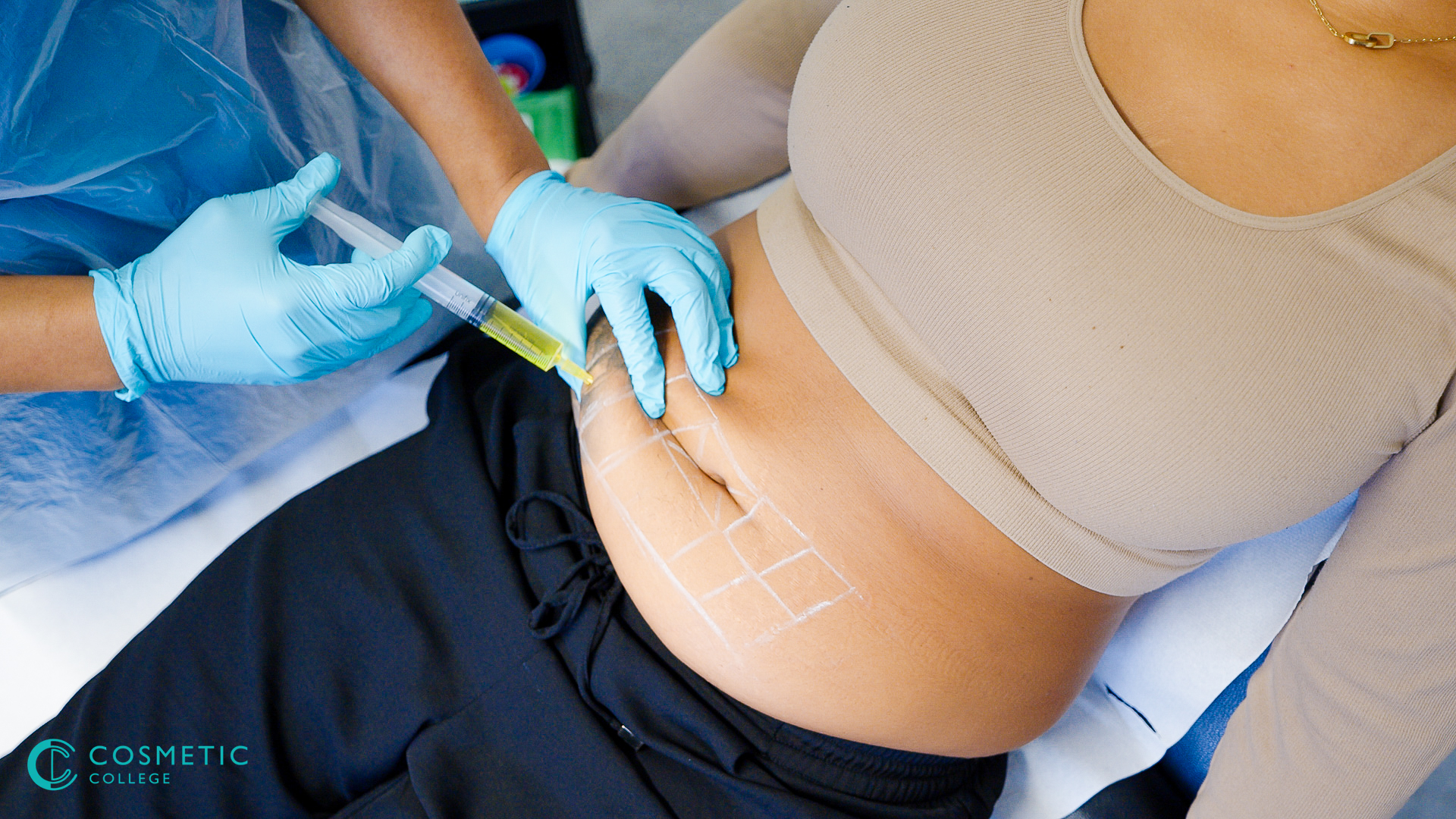
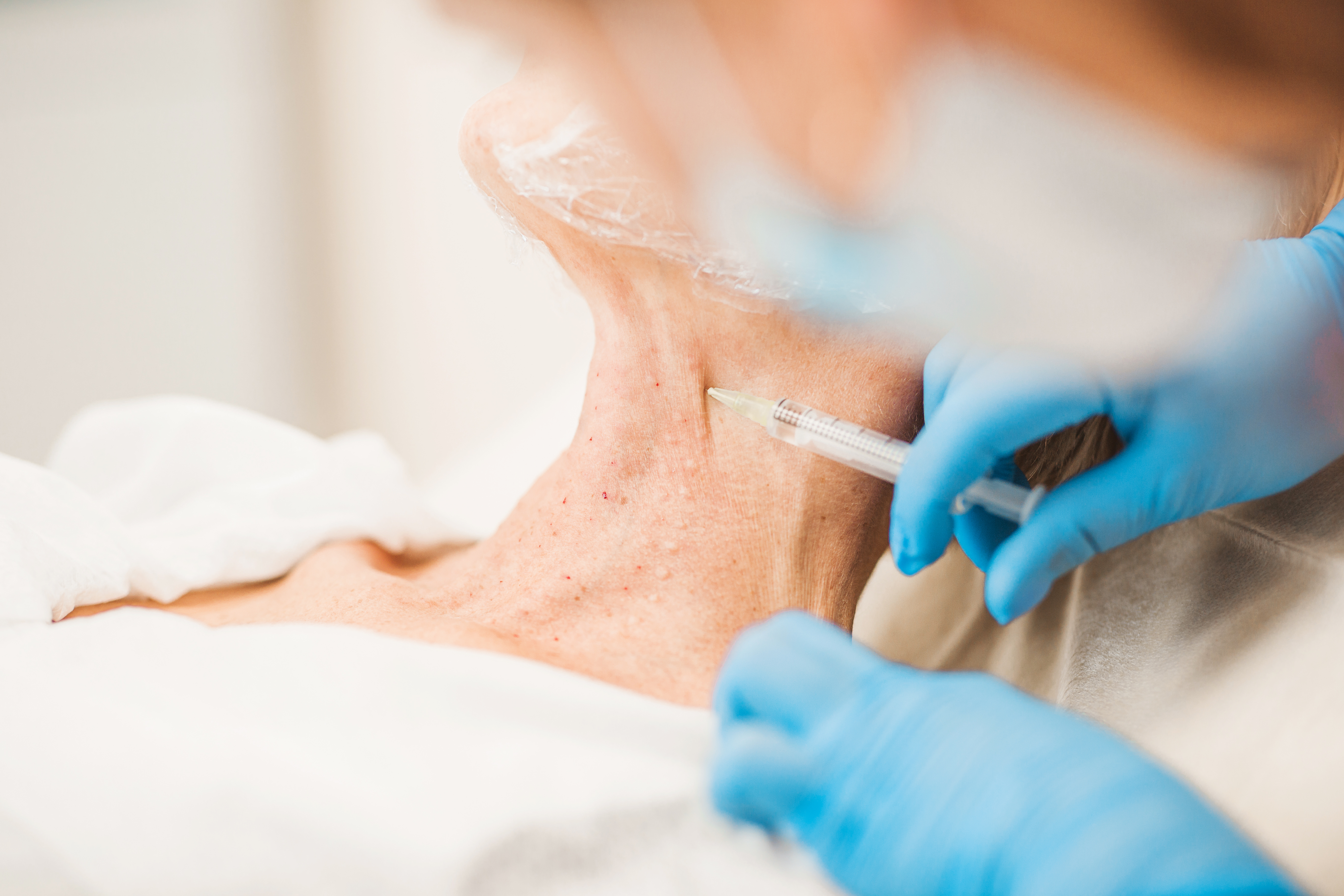



If you are searching for lip filler training uk, you should choose a route based on progression quality, not just short-term price. Quality lip filler training combines live model practice with strong anatomy and complication management standards.
The strongest first step is mapping your complete progression route before buying any single course. Use Pathway to Aesthetics and then compare VTCT Level 7 Diploma in Non-Surgical Aesthetic Injectable Procedures progression options.
What good route planning looks like
Good route planning usually includes:
- A clear progression path from foundation to advanced injectables
- Tutor-supervised practical delivery
- Consultation, consent, and complication awareness standards
- Insurability and compliance alignment
Before enrolling, compare your options across VTCT courses and review likely progression into Level 7 injectables.
Typical qualification pathway (UK)
| Stage | Purpose | What to verify |
|---|---|---|
| Foundation route | Build consultation and skin knowledge | Entry criteria and practical depth |
| Intermediate progression | Expand treatment competence | Tutor feedback and assessment quality |
| Advanced injectables | Train for broader injectable scope | Standards, governance, and progression support |
If you are comparing routes today, check upcoming dates on the training calendar and align course timing to your work and clinic plan.
What lip filler training involves
Professional lip filler training goes far beyond "inject filler and hope." Comprehensive programmes cover anatomy, product knowledge, injection techniques, aesthetic principles, and complication management.
Lip Anatomy Essentials
The lips are anatomically complex, and understanding structure is critical for natural-looking results:
- External anatomy: Vermilion border (definition line), philtrum (vertical groove above upper lip), Cupid's bow (shape of upper lip peak), commissures (lip corners)
- Internal anatomy: Orbicularis oris muscle (circular muscle controlling lip shape and movement), buccinator (cheek muscle affecting lip position), muscle insertions affecting smile dynamics
- Vascular anatomy: Labial arteries (branches off facial arteries), superficial vs. deep facial planes, danger zones for injection (avoid major vessels to prevent vascular occlusion)
- Nerves and sensation: Buccal and mental nerves providing sensation; understanding nerve pathways prevents motor nerve damage affecting smile and speech
- Proportions and aesthetics: Ideal lip dimensions (1:1.6 upper to lower ratio), optimal lip volume for face shape, how smile and rest state appearance differ
Product Selection and Characteristics
Hyaluronic acid (HA) fillers are standard for lips. Different products offer distinct properties:
- Viscosity grades: Low-viscosity products (like Juvéderm Ultra) flow smoothly, ideal for subtle enhancement and natural look. High-viscosity products (like Voluma) provide structure and lift, ideal for dramatic enhancement and definition
- Cross-linking ratios: Higher cross-linking = longer-lasting (12-18 months) but may feel less natural. Lower cross-linking = shorter duration (6-9 months) but softer feel. Choose based on client expectations
- Particle size: Smaller particles distribute evenly for subtle results; larger particles provide structure for defined lip borders
- Longevity expectations: Educate clients that lip fillers typically last 6-12 months (shorter than cheek/chin fillers) due to high mobility and muscle movement
- Reversibility: HA fillers can be dissolved with hyaluronidase if over-filled or complications arise; communicate this confidence builder to clients
Injection Techniques
Multiple techniques exist; competence requires mastery of at least two:
- Linear threading: Single needle entry with product deposited in a line as needle is withdrawn. Ideal for subtle augmentation and natural enhancement. Faster, fewer needle passes, less trauma
- Serial puncture (depot technique): Multiple small injections placed using repeated needle entry points. Ideal for defined lip borders and structured augmentation. More time-intensive but provides excellent control and definition
- Fanning technique: One needle entry with product fanned outward in multiple directions. Ideal for lip corners and volume distribution. Advanced technique requiring good spatial awareness
- Micro-droplet technique: Very small amounts injected superficially for fine line correction. Ideal for lip lines (perioral wrinkles) without visible swelling
Competent practitioners should understand which technique suits which goal and client anatomy.
Aesthetic Principles and Treatment Planning
Knowing anatomy and technique isn't enough; aesthetic judgment determines client satisfaction:
- Face shape analysis: Oval faces suit balanced enhancement; square faces benefit from softened corners; long faces need width not length; round faces benefit from definition
- Lip shape analysis: Thin lips need volume; asymmetrical lips need strategic placement to balance; inverted lips benefit from border definition
- Age-appropriate enhancement: Younger clients (20s-30s) usually want subtle enhancement (0.5-1ml); mature clients (40+) want visible anti-aging effect (1-2ml)
- Movement and dynamics: Watch client smile, speak, rest state. Fillers must preserve natural lip movement - overfilled lips look static
- Smile line: Enhancement affects smile appearance; understand how volume affects expression before injecting
Consultation and Consent Protocols
Professional training includes structured communication frameworks:
- Before consultation: Review client photos, note symmetry concerns, identify unrealistic expectations
- During consultation: Use mirror for client self-assessment, discuss goals (subtle vs. dramatic), show examples of similar face shapes, assess lip baseline and proportions
- Informed consent: Discuss realistic outcomes, duration (6-12 months), aftercare (ice, avoid extreme heat/cold for 48 hours), potential swelling (peaks day 2-3, resolves week 1), possible asymmetry requiring revision
- Photo documentation: Before photos (multiple angles), immediately after, week 1 follow-up, month 1 check-in
- Managing expectations: Lip enhancement looks dramatic immediately post-treatment due to swelling; final result visible after 2 weeks as swelling subsides
Aftercare and Complication Prevention
Training emphasizes prevention and early management:
- Immediate post-injection care: Apply ice (15 mins on, 15 mins off for 2 hours), avoid touching lips, avoid talking/eating for 3-4 hours if possible (reduces movement)
- First 48 hours: Avoid extreme heat (saunas, hot yoga), extreme cold (ice cream), alcohol (increases bleeding), strenuous exercise (increases blood flow and swelling)
- Expected swelling: Normal peak is 24-72 hours post-injection; typically resolves by day 7. Educate clients to expect visible swelling and plan accordingly
- Complications: Cold sore reactivation (common due to needle trauma; prophylactic antivirals recommended if history exists), allergic reaction (rare but requires hyaluronidase reversal), vascular occlusion (emergency requiring urgent hyaluronidase)
- Follow-up protocol: 2-week follow-up appointment to assess final result and make minor adjustments if needed (additional small amounts of filler may be injected if client desires more volume after swelling resolves)
Earning potential from lip filler treatments
Understanding revenue models helps you position lip fillers strategically within your practice.
Treatment Pricing
Typical UK pricing ranges:
- London/premium clinics: £250-£400 per syringe (0.5-1ml)
- Regional UK: £200-£300 per syringe
- Initial treatment: 1-2 syringes (£200-£600 typical)
- Follow-up treatments (6-12 months): Usually 1 syringe (£200-£350)
Most clients require 1-1.5 syringes initially and 1 syringe for maintenance every 6-12 months.
Client Lifetime Value
Lip fillers create exceptional repeat revenue:
- Year 1 client value: Initial treatment (1.5 syringes, £300-£600) + 6-month follow-up (1 syringe, £200-£350) = £500-£950 per client
- Year 2+: Maintenance treatment every 6-12 months = £200-£350/client/year, indefinite
- Referral premium: Lip filler clients have extremely high referral rates (40-50% of new clients come from lip filler client referrals)
- Lifetime value: A single lip filler client can generate £2,000-£5,000+ over 5 years through repeat treatments and referrals
Volume and Time Requirements
Lip fillers are time-efficient relative to revenue:
- Treatment time: 15-30 minutes per client (including consultation)
- Volume at capacity: 8-15 lip filler clients/week = 120-180 clients/year
- Revenue at capacity: 180 clients × £400 average = £72,000/year from lip fillers alone (if full-time dedicated to injectables)
Positioning lip fillers in your practice
Smart practitioners position lip fillers strategically:
- Starter injectable service: Lip fillers are less intimidating than anti-wrinkle for clients new to injectables; they're an entry point to broader injectable services
- Upsell opportunity: Clients coming for facials/skin treatments can be introduced to lip enhancement; many convert
- Highest-margin add-on: After building client base with Level 3-4 treatments (facials, laser), offering Level 7 injectables including lip fillers increases average treatment value from £150 to £300-£400
- Referral driver: Visible lip enhancement generates high referral volume (friends notice immediately); lip filler clients become your best marketers
Year 1-2 earning trajectory from lip fillers specifically:
- Month 1-3: 2-5 lip filler clients/month (building reputation), £500-£2,000 revenue/month
- Month 4-12: 8-15 lip filler clients/month (repeat clients + referrals established), £2,000-£6,000 revenue/month
- Year 2+: 12-20 lip filler clients/month (high repeat/referral rate), £3,000-£8,000 revenue/month
- Many advanced practitioners report lip fillers generate 30-40% of their injectable revenue; at premium pricing with high volume, some earn £40,000-£60,000 annually from lip fillers alone
Lip filler within the Level 7 Diploma
Lip augmentation is a core component of VTCT Level 7 Diploma in Non-Surgical Aesthetic Injectable Procedures, not a standalone skill. Understanding how it fits in the broader curriculum helps you plan your Level 7 progression.
Level 7 Curriculum Structure
The VTCT Level 7 Diploma covers:
- Foundational knowledge: Advanced facial anatomy (all facial planes, nerves, arteries), pharmacology of HA fillers and botulinum toxin, tissue interaction at microscopic level, contraindications and medications affecting filler safety
- Botulinum toxin procedures: Forehead lines, crows feet, bunny lines, brow lift, neck bands, gummy smile - approximately 40% of Level 7 content
- Dermal filler procedures (including lips): Lips, cheeks, nasolabial folds, jawline, chin, tear trough - approximately 50% of Level 7 content
- Complication management: Vascular occlusion, allergic reaction, infection, asymmetry, granuloma - approximately 10% of Level 7 content
Lip-specific content within Level 7
Lip fillers typically represent 10-15% of Level 7 practical sessions:
- Lip anatomy deep-dive (1-2 sessions)
- Product selection and technique demonstrations (2-3 sessions)
- Live model lip filler practice (3-5 practice sessions)
- Aesthetic principles and before/after analysis (1-2 sessions)
- Complication scenarios and management (1 session)
- Assessment and portfolio completion (1-2 sessions)
Prerequisites for lip filler competence within Level 7
Most providers expect you to:
- Complete foundational injectable anatomy before lip-specific modules
- Demonstrate safe injection technique on practice models before live model work
- Show understanding of vascular anatomy and complication risks
- Build lip filler portfolio (typically 5-10 documented cases with before/after photos)
Progression support within Level 7
Quality Level 7 providers offer:
- Structured progression from anti-wrinkle (simpler, lower risk) to fillers (more technical)
- Lip fillers often taught mid-way through Level 7 (after anti-wrinkle competence established)
- Live model access for multiple practice sessions with tutor feedback
- Portfolio support to help document your cases professionally
- Aftercare teaching to ensure you can guide clients through swelling and follow-up
Integrating lip fillers with other injectable services
By Level 7 completion, you'll offer integrated services:
- Anti-wrinkle first appointments: Clients book for forehead/crows feet, then discuss lip enhancement
- Combination treatments: Anti-wrinkle + lip fillers in single session = £400-£700 treatment value
- Seasonal trends: Lip fillers peak pre-holiday/wedding season; anti-wrinkle demand steadier year-round
- Client retention: Offering full injectable menu (anti-wrinkle + multiple filler areas) increases repeat rate and client lifetime value
How to compare providers for lip filler training
Use this checklist:
- Is route progression clearly documented?
- Is practical training tutor-supervised?
- Are consultation and risk-management standards explicit?
- Is admissions support available before payment?
- Are next-step pathways explained after completion?
For personalised route advice, book a callback.
Common mistakes to avoid
- Choosing a route with no clear progression path toward VTCT Level 7
- Prioritising cost only and ignoring practical standards (live model training)
- Not checking insurability implications before enrolment
- Booking without validating your medium-term service goals and prerequisites
- Selecting courses without JCCP/CPSA or Ofqual-regulated standards
Review advanced dermal filler complications training to understand what higher-level preparation looks like, and compare qualification levels in VTCT Level 5 vs Level 7 Injectables.
FAQ
Is lip filler training in the UK suitable for beginners?
Lip filler training entry suitability depends on your existing background and the provider's entry criteria. Non-medics usually need foundation training first; review dermal filler entry requirements. Specifically: (1) If you have medical background (nurse, doctor, dentist): you may access Level 7 directly with some providers. (2) If you have Level 3 aesthetics background: you can progress to Level 4-5, then Level 7 injectables. (3) If you're a complete beginner: start Level 3, progress through Levels 4-5, then enrol Level 7 for lip fillers. Most UK professionals recommend the full progression (Levels 3-7) rather than jumping to injectables alone - you'll understand client safety, realistic expectations, and broader treatment context that makes you a better practitioner.
Do I need VTCT Level 7 Diploma for every lip filler route?
Not every route is identical. Match course level to your treatment scope, industry standards (JCCP/CPSA), and long-term practice plans. Level 7 is highest-regulated option for injectables and recommended for:
- Practitioners seeking professional body membership (JCCP, CPSA, Save Face)
- Practitioners wanting insurance recognition and premium coverage
- Practitioners building premium clinic reputation
- Practitioners working in London/high-competition markets
Alternative routes exist (independent lip filler courses, 1-3 day training), but these lack Ofqual recognition and won't substitute for Level 7 if you want regulatory recognition or transition to clinic ownership later. If you want maximum flexibility and professional credibility, VTCT Level 7 Diploma is the standard.
How do I compare two lip filler training providers properly?
Compare practical supervision (live model training), route clarity toward Level 7, progression support, Ofqual regulation, and industry standard alignment - not headline price alone. Use this checklist: (1) Live model training: Does the course include supervised practice on real clients? (video demos alone is insufficient for injectables). (2) Route clarity: Does the provider explain how this course fits into your broader career pathway? (3) Tutor credentials: Do tutors have minimum 3-5 years injectable practice experience? (4) Assessment standards: How are you assessed as competent? (written exam, practical demo, portfolio review?). (5) Insurance recognition: Do they provide documentation insurers recognize? (6) JCCP/CPSA alignment: Are protocols aligned with professional body standards? (7) Post-course support: Do they offer follow-up feedback or complications support?
Can I plan lip filler progression before I enrol?
Yes. Start with Pathway to Aesthetics to map your route, then speak to admissions about your specific prerequisites. A typical pathway: (1) Month 1-2: Complete Level 3 if beginner. (2) Month 3-5: Complete Level 4 (laser/advanced facials). (3) Month 6-8: Complete Level 5 (skin procedures) or defer to year 2. (4) Month 9-14: Complete Level 7 Diploma, including lip filler module. (5) Month 15+: Treat lip filler clients, build portfolio, deepen expertise. This 12-14 month progression ensures you have adequate foundation before injecting injectables and understand client anatomy and risk management thoroughly.
Where can I see available dates for lip filler training?
Use the training course calendar. Filter by Level 7 Diploma dates in your region. Note that Level 7 typically has fewer start dates than Level 3-4 (maybe 4-6 intakes per year vs. 12+ for foundational courses); book early to secure your preferred date. Many providers offer waiting list notification if your preferred date is full.
What should I do next?
Shortlist routes aligned with best dermal filler training provider standards, validate progression fit, then request a callback. Action steps: (1) Use Pathway to Aesthetics to confirm your goal (lip fillers as primary service vs. part of broader aesthetics). (2) Check training calendar for Level 7 start dates. (3) Request callback to discuss: your background, current training level, lip filler-specific goals, timeline, and best pathway. (4) Ask provider about their lip filler-specific support (live model volume, portfolio guidance, complication management training). (5) enrol and commit to the timeline.
How much do lip fillers cost to offer as a business?
Initial investment: £2,000-£8,000
- Filler product inventory (initial stock): £2,000-£5,000 (typically 10-20 syringes to start)
- Syringes, needles, consumables: £200-£500
- Professional liability insurance (lip injectables): £200-£300/year
- Training (Level 7 Diploma): £5,000-£8,000
Ongoing costs per treatment:
- Filler cost: £20-£50 per syringe (wholesale cost)
- Needles/consumables: £2-£5 per treatment
- Total material cost: £25-£60 per treatment
Revenue per treatment: £200-£400 (client price) Margin per treatment: £140-£350 (margin of 70-87%)
This is one of the highest-margin services in aesthetics - you can reach profitability on lip fillers within 10-15 treatments (£2,000-£6,000 investment recovered in 2-3 months if treating regularly).
How realistic is £40,000-£60,000 annual earnings from lip fillers alone?
Very realistic with the right setup. Calculation: 15 lip filler clients/month × 12 months = 180 clients/year. Average treatment value £350 = £63,000 annual revenue. Subtract material costs (15 clients/month × £40 materials cost = £7,200/year) = £55,800 net from lip fillers. Add professional fees (commission or rent), and you keep £35,000-£50,000 as income. This assumes: (1) You're experienced (Level 7 competent with repeat clients). (2) You're in a location with demand (London premium clinics, major cities). (3) You're full-time focused on injectables. (4) You have strong referral network (most lip filler clients are referrals). Regional practitioners or part-time practitioners would see 5-10 clients/month = £12,000-£25,000 annual from lips alone. Most practitioners position lip fillers as part of broader injectables (anti-wrinkle + fillers across face), generating £75,000-£120,000+ annually combined.
Can I specialise only in lip fillers or must I learn other injectables?
You can specialise, but it's not recommended for long-term career sustainability. Reasons to learn broader injectables: (1) Client retention: Lip clients often want anti-wrinkle, cheek fillers, jawline definition. Offering full menu increases client lifetime value. (2) Revenue stability: Lip fillers alone may generate seasonal fluctuations (higher demand pre-summer/holidays). Anti-wrinkle is steadier year-round. (3) Insurance requirements: Most insurers expect comprehensive injectable knowledge, not specialisation in one area. (4) Professional development: Learning anti-wrinkle first teaches core injection principles that improve your lip filler technique. (5) Market positioning: Broad expertise commands higher pricing and client trust than narrow specialisation.
How do anti-wrinkle and lip fillers compare in difficulty and demand?
Anti-wrinkle difficulty: Lower (forehead, crows feet, bunny lines have lower complication risk; large muscle groups = more forgiveness for minor placement errors) Anti-wrinkle demand: Moderate-to-high (40-50% of injectable clients want this) Lip filler difficulty: Higher (smaller anatomy, high vascularity, muscle movement affects result, more swelling/bruising expected) Lip filler demand: Very high (80-90% of injectable clients ask for this; high referral generator)
Most practitioners offer anti-wrinkle first (builds core skill, establishes client base), then add lip fillers after 6-12 months practice. This sequence improves your lip technique and ensures you have satisfied anti-wrinkle clients to introduce to lip services.
What's the lifespan of a lip filler client relationship?
Exceptional - potentially indefinite with excellent results and client care. Typical lifecycle:
- Initial treatment: Month 1 (1-2 syringes)
- First follow-up: Month 7-8 (1 syringe maintenance)
- Ongoing maintenance: Every 6-12 months indefinitely (1 syringe per treatment)
- Service expansion: Many clients progress to anti-wrinkle, cheek fillers, skin treatments after lip experience
- Referral generation: ~40-50% of lip clients refer friends, effectively doubling client base
A single lip client can generate £3,000-£5,000+ revenue over 5-10 years through repeat treatments and referrals. This is why lip fillers are considered the "gateway injectable" - they create long-term client relationships.
Should I do advanced complications training after Level 7?
Recommended, especially for lip fillers. Lip injection complications (cold sore reactivation, vascular occlusion due to high vascularity, migration) are more common than other injectables. After 12 months Level 7 practice, take advanced complications training (£1,500-£2,500) focused specifically on injectable complications. This: (1) Reduces complication rates in your practice. (2) Improves insurance positioning. (3) Allows you to correct complications from other practitioners' work (premium service). (4) Builds client confidence and reputation for safety. Most London practitioners with mature injectable practices have complications training; increasingly expected as professional standard.
Editorial Standards
Author
Cosmetic College Editorial Team
Aesthetic Education Editorial Team
Cosmetic College specialists and admissions advisers produce this content to help learners choose regulated progression routes and make safer, better-informed training decisions.
Review cycle
Published: 21 January 2026
Last reviewed: 21 January 2026
Reading time: 15 min
Sources and References
- Pathway to Aestheticscosmetic.college
- VTCT Level 7 Diploma in Non-Surgical Aesthetic Injectable Procedurescosmetic.college
- VTCT coursescosmetic.college
- training calendarcosmetic.college
- callbackcosmetic.college
- advanced dermal filler complications trainingcosmetic.college
- VTCT Level 5 vs Level 7 Injectablescosmetic.college
- dermal filler entry requirementscosmetic.college
- best dermal filler training provider standardscosmetic.college