









If you are planning career progression after VTCT Level 4, your next move should match both your treatment goals and your long-term business model. The Level 4 Certificate in Laser and Intense Pulsed Light (IPL) Treatments gives you a foundation in laser hair removal training, but the right next step depends on whether you want to deepen laser services, expand skin treatments, or move toward injectables.
What Level 4 qualifies you to offer and earn from
The VTCT Level 4 Certificate in Advanced Aesthetic Therapies for Skin or Laser/IPL Treatments positions you to independently deliver (with appropriate insurance) a defined menu of device-based and light-energy treatments. Understanding this scope is critical to realistic earnings planning.
Level 4 treatment scope and typical UK pricing:
-
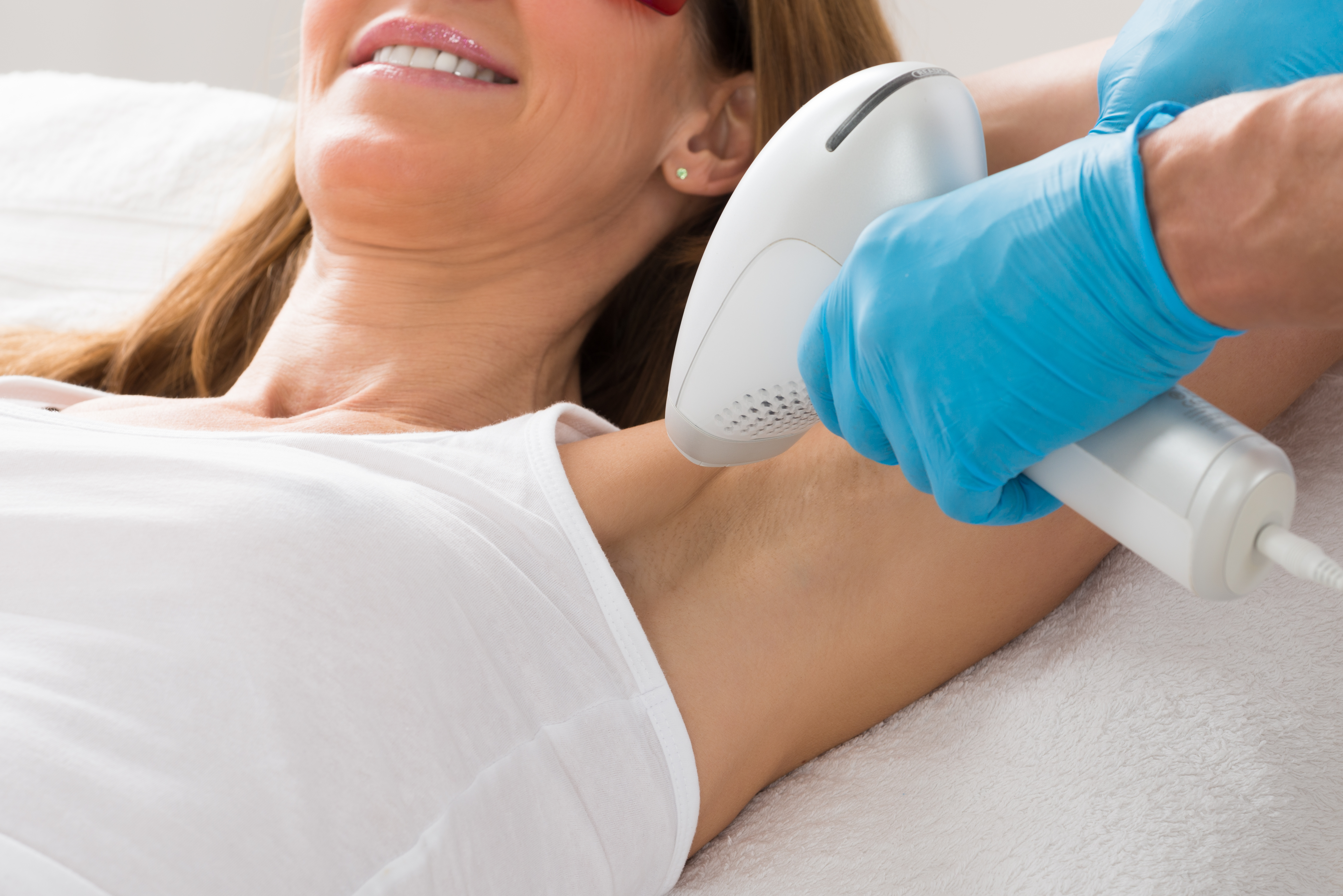
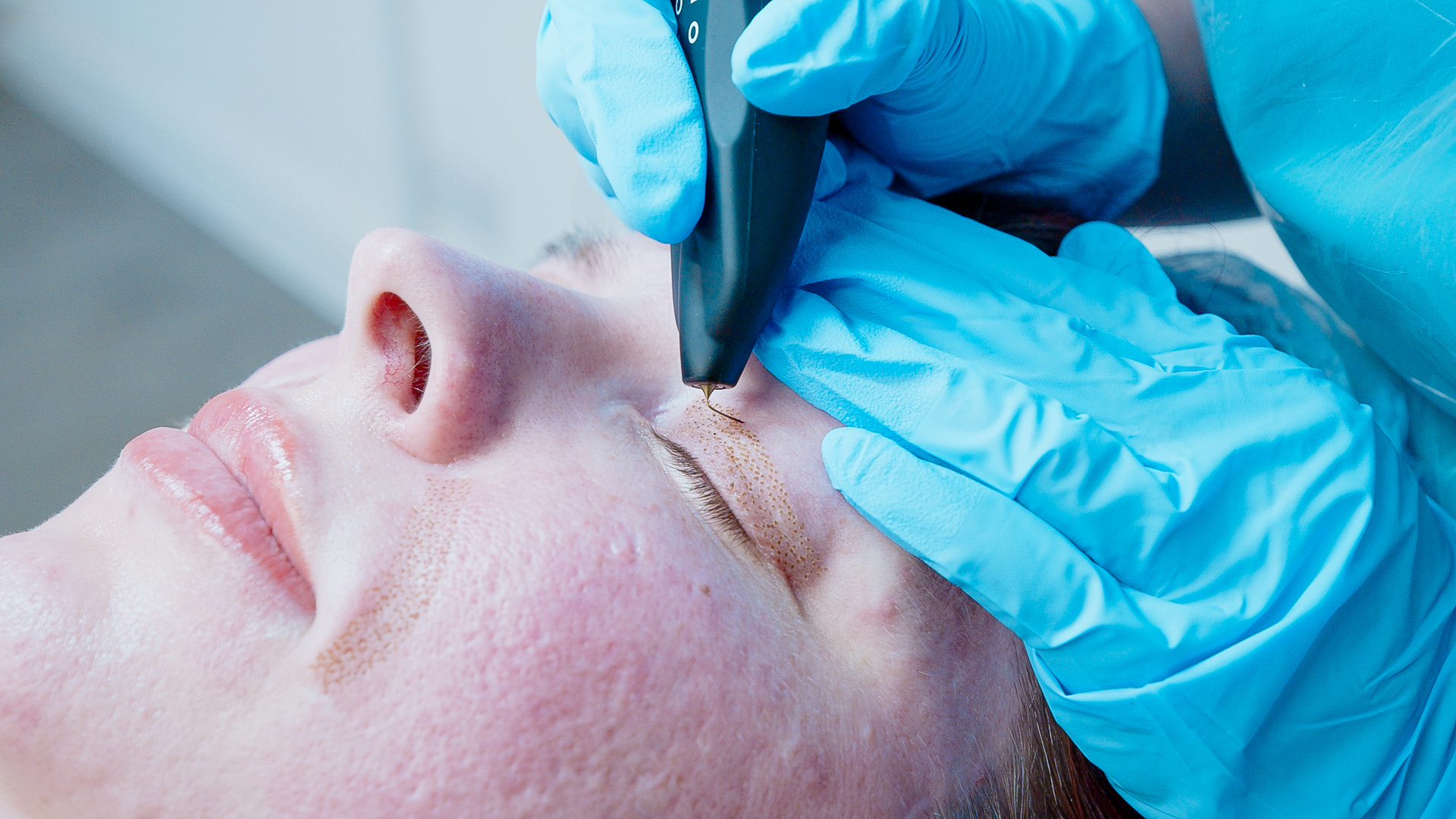
Laser hair removal - £50-£150 per area depending on size (full face, underarms, bikini line, legs). Full treatment course typically 6-8 sessions spaced 6-8 weeks apart, so full course revenue per client: £200-£600 per area (e.g., full legs across 6 sessions = £300-£900).
-
IPL photofacial and skin rejuvenation - £80-£150 per session, typically 4-6 sessions for maintenance of results, so £320-£900 per client per cycle (3-6 months between cycles).
-
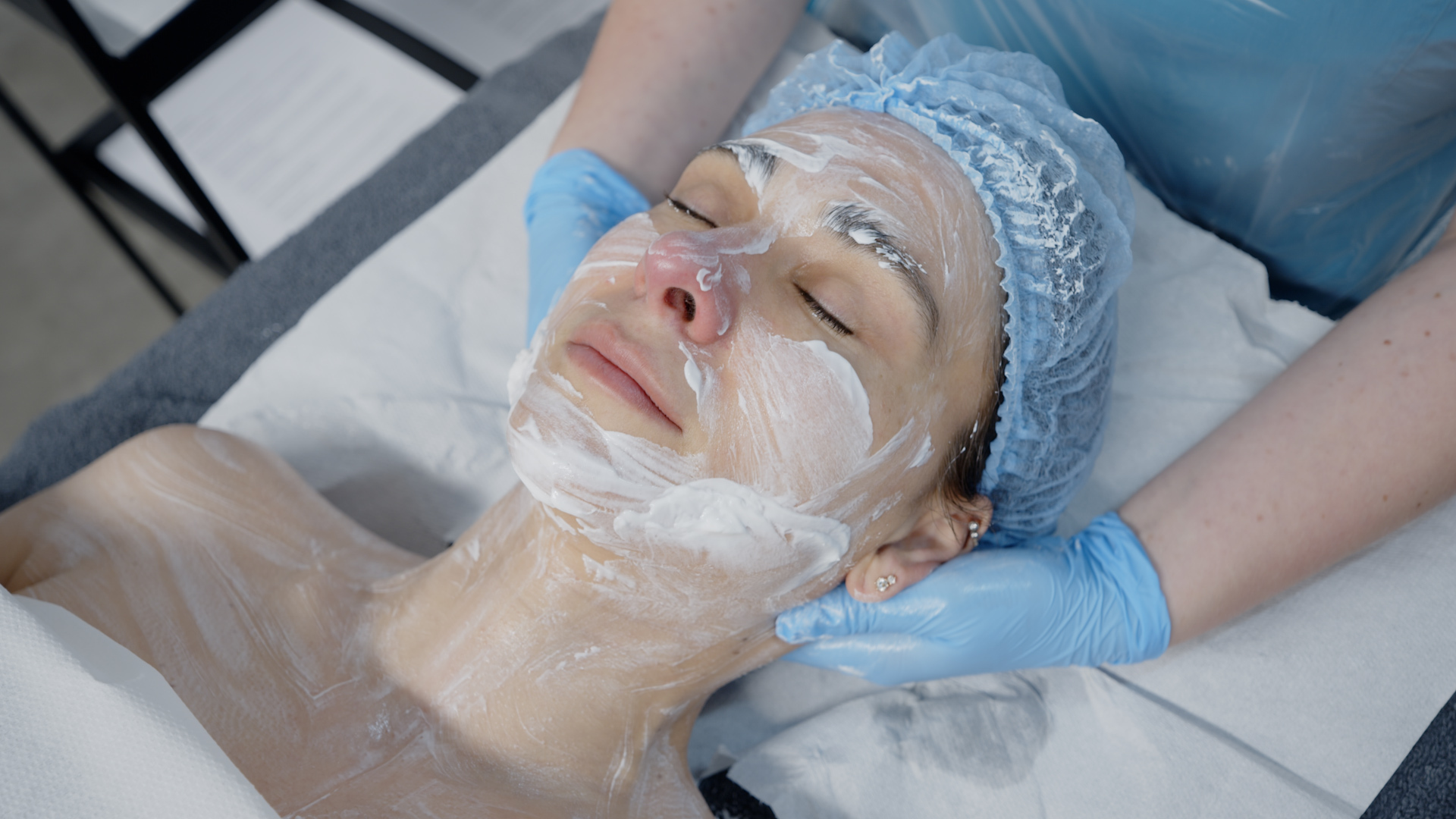
Advanced facial treatments - £60-£120 per session, often booked as 4-week or monthly maintenance for established clients.
-
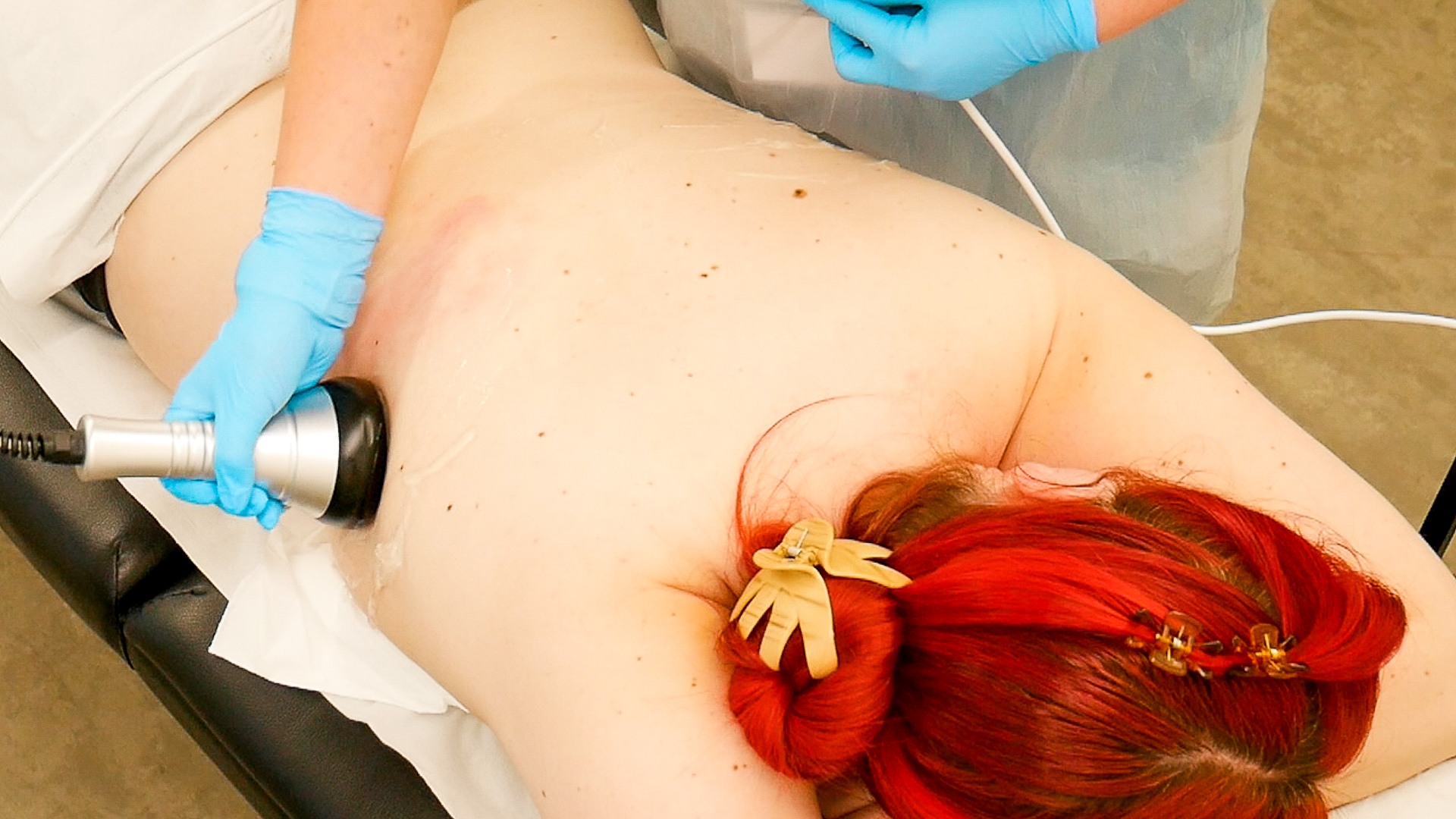
Radiofrequency and ultrasound skin tightening - £80-£180 per session, typically 6-8 sessions for visible results, so £480-£1,440 per treatment course per client.
-
Intense Pulsed Light (IPL) vascular and pigmentation treatments - £100-£150 per session, typically 3-4 sessions, so £300-£600 per treatment course.
Realistic treatment volume and weekly earning:
A Level 4 practitioner booking consultations strategically typically performs:
- Foundation level (Year 1, building from zero): 8-12 treatments weekly = £400-£1,500/week revenue (before costs) = £20,000-£78,000 annually (but realistically £28,000-£45,000 after room rental, insurance, product costs, and assuming gradual client acquisition)
- Growth level (Years 2-3, with established client base): 15-25 treatments weekly = £750-£3,000/week revenue = £39,000-£156,000 annually (realistically £45,000-£75,000 after business costs, assuming you're not running a full-service clinic but rather operating as an employed or room-renting practitioner)
- Advanced level (Years 3+, premium positioning and diversified service mix): 18-30+ treatments weekly = £1,000-£3,500/week revenue = realistically £55,000-£120,000+ depending on your business model (employment vs. self-employed, room renting vs. clinic ownership, pricing strategy)
Insurance costs at Level 4: Professional liability insurance for laser/IPL treatments typically costs £150-£300 per year, a modest cost relative to treatment revenue.
Business model impact on earnings:
- Clinic employment: Fixed salary (typically £28,000-£45,000 Year 1, scaling to £45,000-£65,000 Years 2-3) - predictable but earnings-capped by clinic salary structures
- Room rental/independent: Keep 60-80% of treatment revenue after room rental (typically £300-£800/month in cities, £150-£400 regionally) - higher earning potential but business risk (slow client buildup, client acquisition costs)
- Clinic partnership/ownership: Keep 100% of treatment revenue minus operational costs (rent, utilities, staff, marketing, insurance) - highest earning potential (£75,000-£120,000+) but highest capital requirement and business risk
For more detail on what Level 4 covers, see our VTCT Level 4 comprehensive guide.
What Level 4 already gives you
The VTCT Level 4 positions you with advanced practical skill in laser and IPL treatments, strong consultation depth, and Ofqual-regulated credibility for insurance and client confidence. The next question is whether to deepen laser services, expand broader skin procedures, or prepare for advanced injectable progression.
Three progression routes after Level 4: detailed analysis
Route A: Level 5 Skin Procedures (Microneedling, Mesotherapy, Advanced Peels)
Level 5 Skin Procedures (8-12 weeks, £4,000-£7,000 investment) expands your treatment scope from laser/device-focused toward more advanced dermal therapies and injectables-adjacent procedures.
What you'll offer after Level 5 skin:
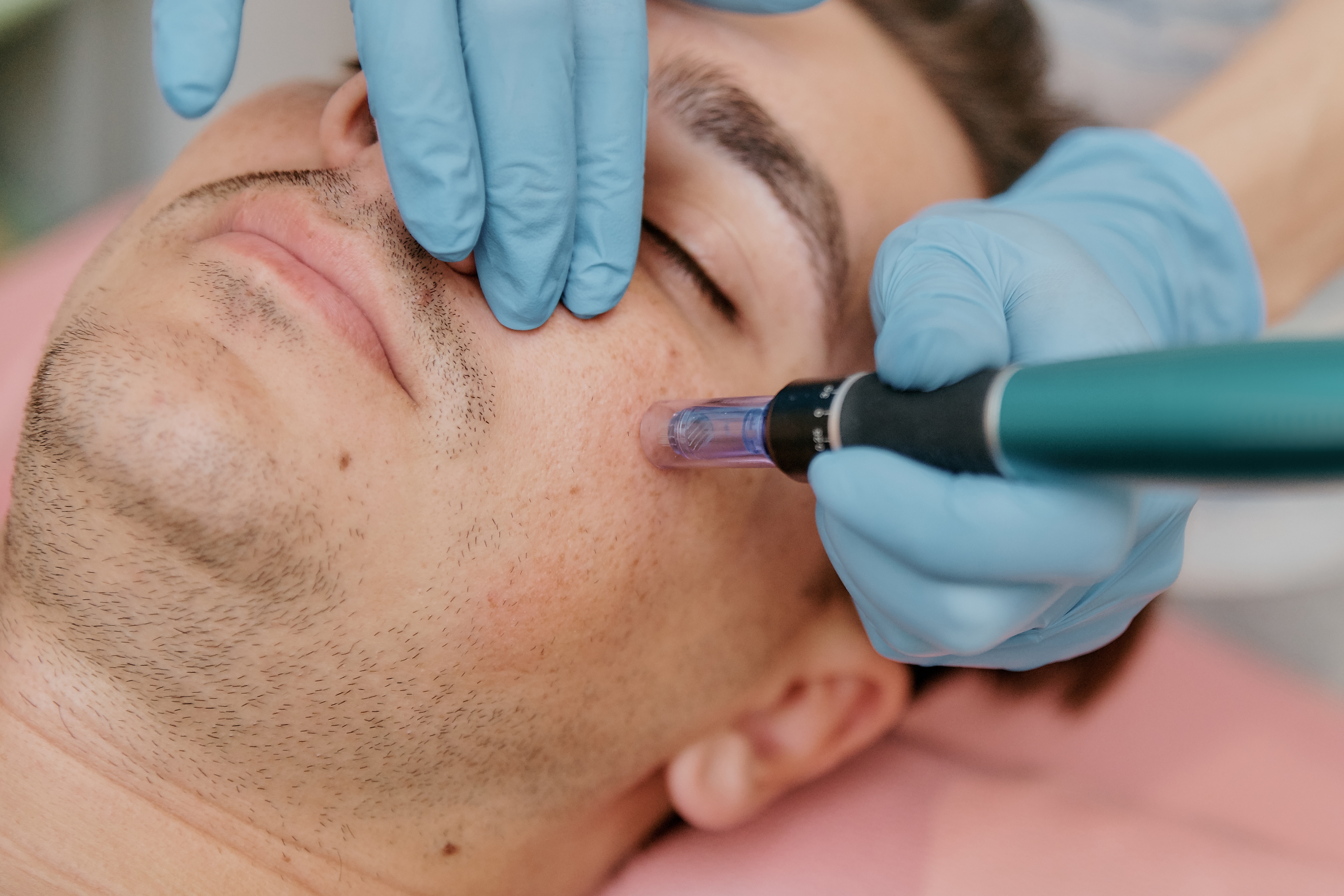
- Microneedling - £150-£350 per treatment depending on depth (0.5mm-2.5mm) and area size. Typically 4-6 treatments spaced 4-6 weeks apart for full effect, so £600-£2,100 per client per treatment cycle.
- Mesotherapy/skin boosters - £150-£300 per treatment, typically 3-4 sessions for maintenance, so £450-£1,200 per cycle.
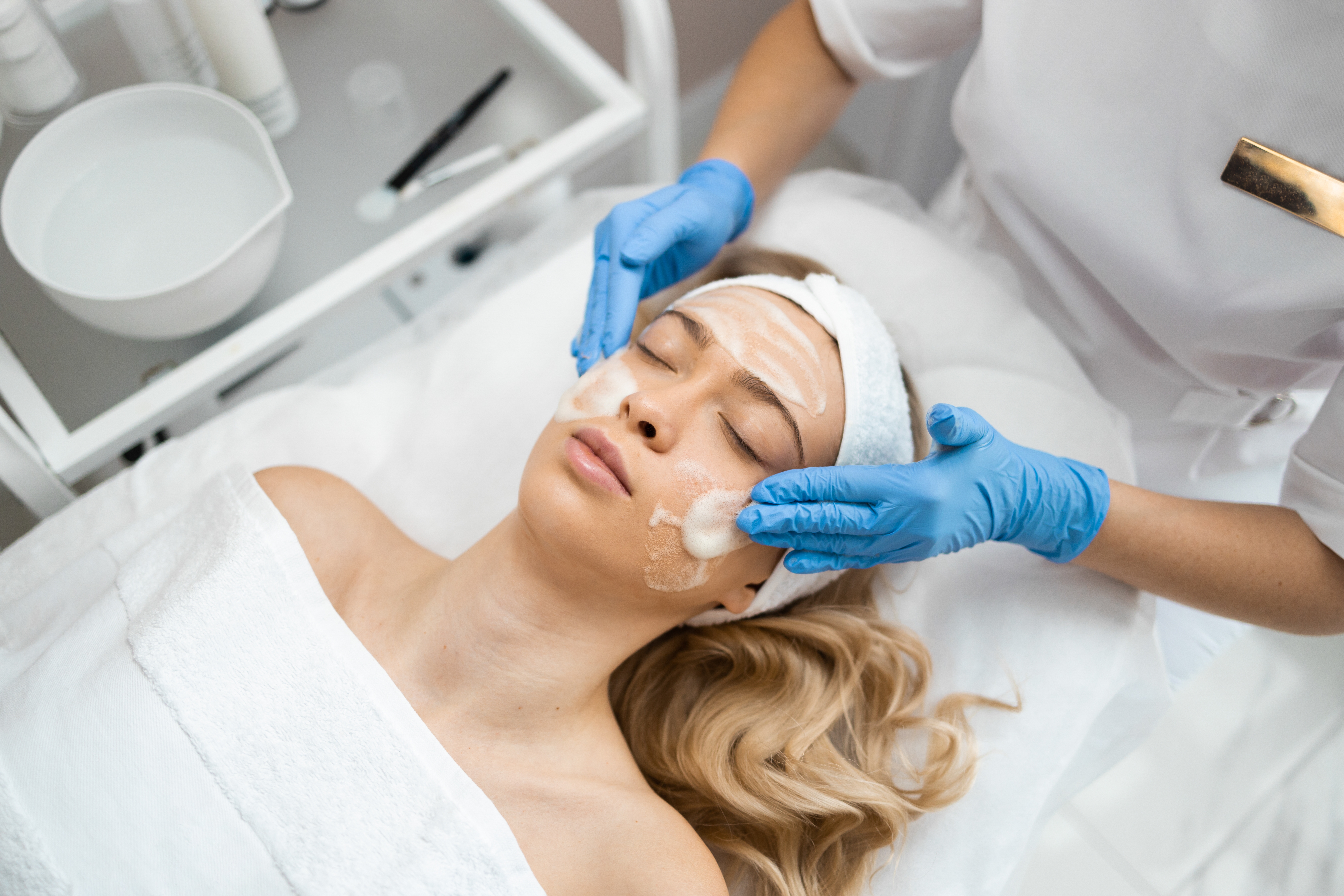
- Advanced chemical peels - £80-£200 per peel depending on depth (superficial vs. medium-depth). Typically 4-6 peels for progressive skin improvement, so £320-£1,200 per cycle.
Earning trajectory with Level 5 skin:
- Year 1 after Level 5: £35,000-£55,000 (lower treatment volume ~12-15 weekly, but higher per-treatment value)
- Years 2-3: £50,000-£75,000 as you build a loyal client base doing multi-session treatment cycles (microneedling and peels create predictable rebooking patterns)
Key advantage: Microneedling and peel clients typically commit to 4-6 sessions over 4-6 months, creating predictable recurring revenue and strong client lifetime value. You're transitioning from one-off laser hair removal appointments toward premium aesthetic improvement programmes.
Best fit profile: Practitioners who want to move away from hair removal (more commoditized, price-sensitive) toward skin improvement (more premium positioning, higher margins, stronger client loyalty).
Explore Level 5 skin options.
Route B: Level 5 Laser Tattoo Removal specialisation
Level 5 Laser Tattoo Removal (5-10 days intensive, £3,000-£5,500 investment) is a much faster qualification pathway than full Level 5 skin, but it unlocks extremely high per-treatment value.
What you'll offer after tattoo removal Level 5:
- Laser tattoo removal - £300-£800 per treatment session depending on tattoo size, colour complexity, and location. Most tattoos require 8-12 sessions spaced 8-12 weeks apart, so total client revenue per tattoo: £2,400-£9,600 per tattoo removal client over 12-18 months.
Earning trajectory with tattoo removal:
- Year 1 after Level 5 tattoo: £40,000-£65,000 (smaller treatment volume ~8-12 weekly, but extraordinarily high per-treatment revenue: £300-£800 vs. £50-£150 for laser hair removal)
- Years 2-3: £60,000-£100,000+ as you build a reputation for tattoo removal and capture referrals from satisfied clients undergoing multi-session treatment cycles
Key advantage: Tattoo removal creates the highest per-treatment revenue in aesthetics (£300-£800/session) and the longest client commitment (8-12 sessions over 12-18 months = one tattoo removal client generates more revenue than 10-15 hair removal clients). This dramatically improves your business model: you need far fewer clients to reach profitability.
Best fit profile: Practitioners who want maximum earning potential with minimal client volume (perfectionists who enjoy depth over breadth, or practitioners with limited room capacity who want to maximize per-square-foot revenue).
Explore Level 5 laser tattoo removal.
Route C: Full Progression Toward Level 7 Injectables
For practitioners targeting the highest earning potential and premium market positioning, a planned progression from Level 4 → Level 5 (skin or tattoo) → Level 7 (injectables) creates a complete clinical offering.
Level 7 injectable scope (after 6-12 months additional training):
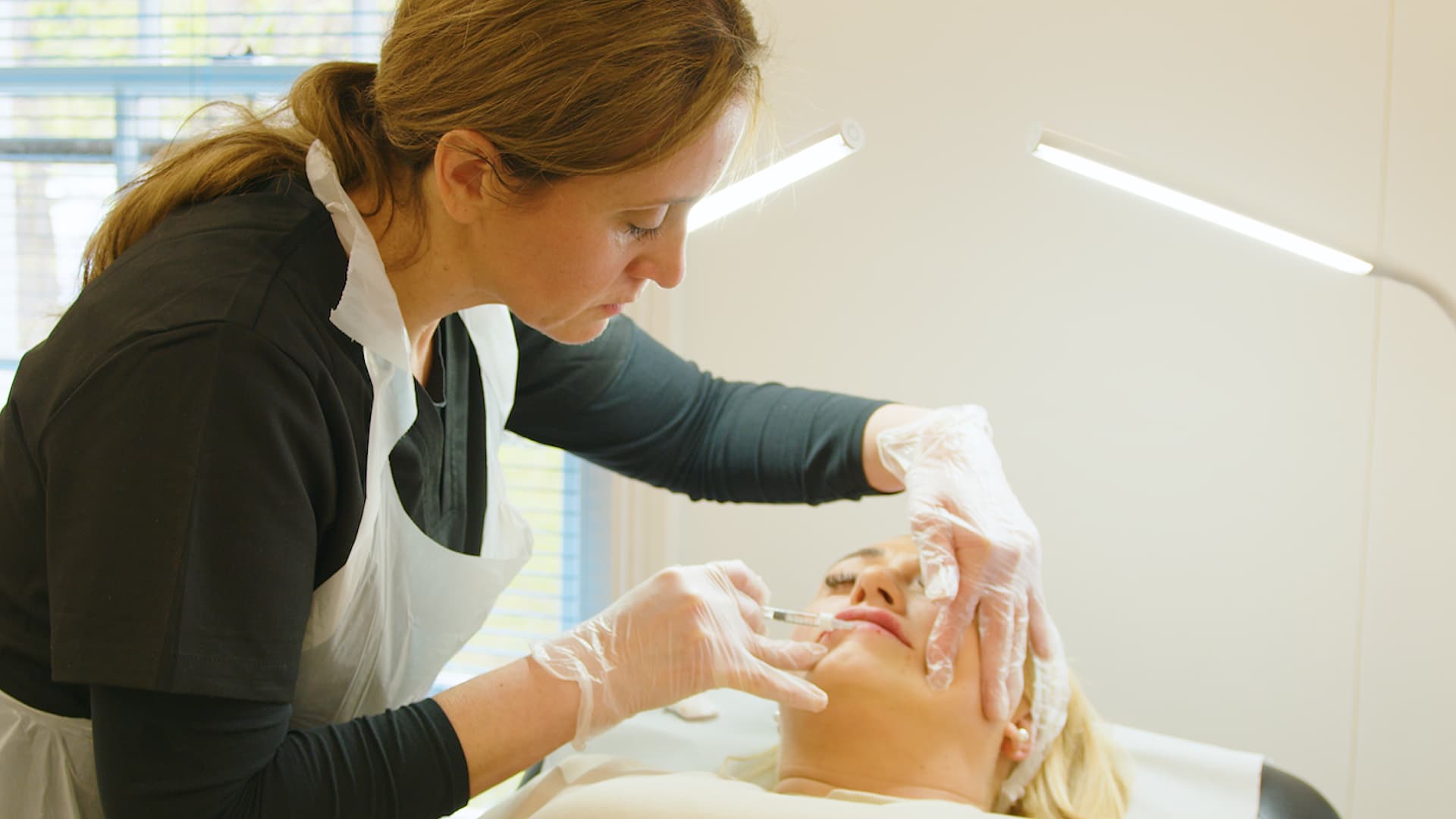
- Dermal fillers - £200-£400 per 0.5ml syringe, typically 1-3 syringes per client per session, so £200-£1,200 per appointment. Popular areas: lips (1-2 syringes), cheeks (1-3 syringes), chin (0.5-1 syringe). Annual maintenance: 2-4 appointments = £400-£4,800 per client per year.
- Anti-wrinkle (botulinum toxin) injections - £150-£300 per area (forehead, crow's feet, frown lines typically £150-£200 each), commonly 2-3 areas per client = £300-£900 per appointment. Annual maintenance: 3-4 appointments = £900-£3,600 per client per year.
Three-level earning trajectory (Level 4 → Level 5 → Level 7):
- After Level 4 (Month 0): £28,000-£45,000 annually (foundation earnings, laser/IPL focus)
- After Level 5 addition (Month 6-12): £45,000-£75,000 (expanded scope, higher treatment values)
- After Level 7 addition (Month 18-30): £75,000-£120,000+ (premium injectables create highest margins and client loyalty; established practitioners often cap at 60-80 clients with 4-6 appointments/year each = £240,000-£480,000 potential revenue, minus business costs = £100,000-£200,000 net possible, though most reach £75,000-£120,000 sustainably)
Full three-level cost and timeline:
- Level 4: 8-12 weeks, £3,500-£6,000
- Level 5: 8-12 weeks (or 5-10 days for tattoo), £3,000-£7,000
- Level 7: 6-12 months, £8,000-£15,000
- Total: 18-36 months, £14,500-£28,000 investment
This is significant investment, but it creates a practitioner capable of offering nearly the full scope of non-surgical aesthetics, supporting premium pricing and strong market positioning.
Use Pathway to Aesthetics to map your specific progression timeline and VTCT Level 7 options for injectable qualification details.
How to choose correctly
Use this quick framework:
- What services do you want to monetize in 12 months?
- Which route best matches your current level and confidence?
- Which progression path supports safe, insurable growth?
For route planning support, book a callback or take the course quiz.
Career pathway scorecard (Level 4 onward)
| Pathway | Best fit profile | Expected benefit | Primary watch-out |
|---|---|---|---|
| Level 5 skin progression | Practitioners building deeper advanced skin outcomes | Stronger treatment depth and premium service confidence | Requires disciplined practical development |
| Laser pathway expansion | Practitioners with demand for device-led services | Service differentiation and repeat booking potential | Must control consultation quality and case suitability |
| Injectable progression planning | Practitioners targeting high-level injectable positioning | Strong long-term authority potential | Progression prerequisites and timeline complexity |
Use this scorecard with your local demand profile. The right route is the one that matches both your capability trajectory and your target client mix, not just the one with the highest perceived prestige.
12-month growth milestones after Level 4
- Quarter 1: Choose one core route and lock training timeline.
- Quarter 2: Standardize consultations and treatment documentation.
- Quarter 3: Improve pricing confidence and service mix quality.
- Quarter 4: Decide next qualification move based on demand and outcomes.
If you need to compare route timings, use the training calendar and validate sequence choices through Pathway to Aesthetics.
FAQ
Is Level 5 always the best next step after Level 4? Not always. Level 5 skin expands scope broadly (microneedling, peels, mesotherapy). Level 5 tattoo removes offers extreme per-treatment revenue but narrower scope. Choose Level 5 skin if you want a full-spectrum practitioner; choose tattoo removal if you want maximum earning with fewer clients. Many practitioners eventually do both.
What's the earning difference between Level 5 skin and Level 5 tattoo removal? Level 5 skin: ~£50,000-£75,000 annually (15-20 treatments/week at £150-£350/treatment). Level 5 tattoo: ~£60,000-£100,000+ (8-12 treatments/week at £300-£800/treatment). Per-treatment revenue is 2-3x higher for tattoo, but total earning depends on your client volume capacity and market demand. Practitioners in larger markets often succeed with both.
Can I move from Level 4 toward injectables later? Yes, absolutely. Level 4 → Level 5 (either skin or tattoo) → Level 7 (injectables) is the standard progression. Most practitioners spend 6-12 months at each level building client base and competency before progressing. Rushing to Level 7 without Level 5 foundation often creates overwhelm and lower-quality injectable outcomes.
How do I avoid choosing the wrong next course? Map your goals first and validate the route with admissions.
Where can I compare all progression options? Use VTCT courses hub and Pathway to Aesthetics to visualize the full learning map.
Can I speak to someone before enrolling? Yes, use Request a Callback to discuss your specific progression goal with admissions.
How do I decide between laser tattoo removal and Level 5 skin if both are attractive? Choose based on your strongest demand opportunity in the next 12 months and your readiness to execute. Laser tattoo removal is often faster to profitability, while Level 5 skin opens broader treatment scope. See our laser course price guide to compare investment.
Can I change pathways later without losing momentum? Yes, if you keep route planning intentional and avoid isolated one-off decisions. Most practitioners plan 12-24 months ahead once they've established their Level 4 base. Shifting from tattoo focus to skin focus (or vice versa) after Level 5 is possible but means building different client bases and marketing approaches.
What's the fastest path to highest earning after Level 4? Fastest to profitability: Level 5 tattoo removal (5-10 days training, back to earning within weeks with £300-£800/session revenue). Sustainable highest earning: Level 5 skin + tattoo + planning toward Level 7 injectables (creates full-scope premium practitioner earning £75,000-£120,000+). Choose tattoo if you want rapid ROI; choose skin+progression if you want long-term career building. Use Pathway to Aesthetics to map your specific opportunity and local market demand.
Should I do Level 5 skin before laser tattoo removal? Not necessarily. Your Level 4 laser training already gives you advanced skin and safety knowledge. Many practitioners progress directly to Level 5 tattoo removal if they see strong market demand for it (busy laser clinics often attract tattoo removal referrals). Alternatively, some do tattoo removal first (fast, high revenue), then add Level 5 skin later for broader scope. The order is flexible; plan based on local demand. Check training calendar for availability.
How do I know which progression route to choose? Ask yourself three questions: (1) What treatment demand do you see in your market or clinic? (2) Do you want to earn through volume (Level 5 skin, 20+ clients/week) or higher revenue per client (Level 5 tattoo, 10-12 clients/week)? (3) Do you want to eventually offer injectables (Level 7), or are you happy positioning as a skin/laser specialist? Honest answers to these questions guide the right sequence for your situation.
Editorial Standards
Author
Cosmetic College Editorial Team
Aesthetic Education Editorial Team
Cosmetic College specialists and admissions advisers produce this content to help learners choose regulated progression routes and make safer, better-informed training decisions.
Review cycle
Published: 2 February 2026
Last reviewed: 2 February 2026
Reading time: 10 min
Sources and References
- VTCT Level 4 comprehensive guidecosmetic.college
- Level 5 skin optionscosmetic.college
- Level 5 laser tattoo removalcosmetic.college
- Pathway to Aestheticscosmetic.college
- VTCT Level 7 optionscosmetic.college
- callbackcosmetic.college
- course quizcosmetic.college
- training calendarcosmetic.college
- VTCT courses hubcosmetic.college
- laser course price guidecosmetic.college