










When you search for best dermal filler training uk, treat it as a route decision, not a one-course decision.
The best provider for you is the one that aligns with your progression goals, practical standards, and long-term treatment plan.
The 5-point comparison framework
Score each provider against:
- Route clarity from your current level to advanced practice
- Tutor-supervised practical delivery
- Consultation and risk-management standards
- Admissions support before payment
- Realistic progression timelines
Start by mapping your route on Pathway to Aesthetics, then compare course options.
What to look for in practical training quality
Practical training quality separates credible providers from cost-cutting operations. Here's what to evaluate:
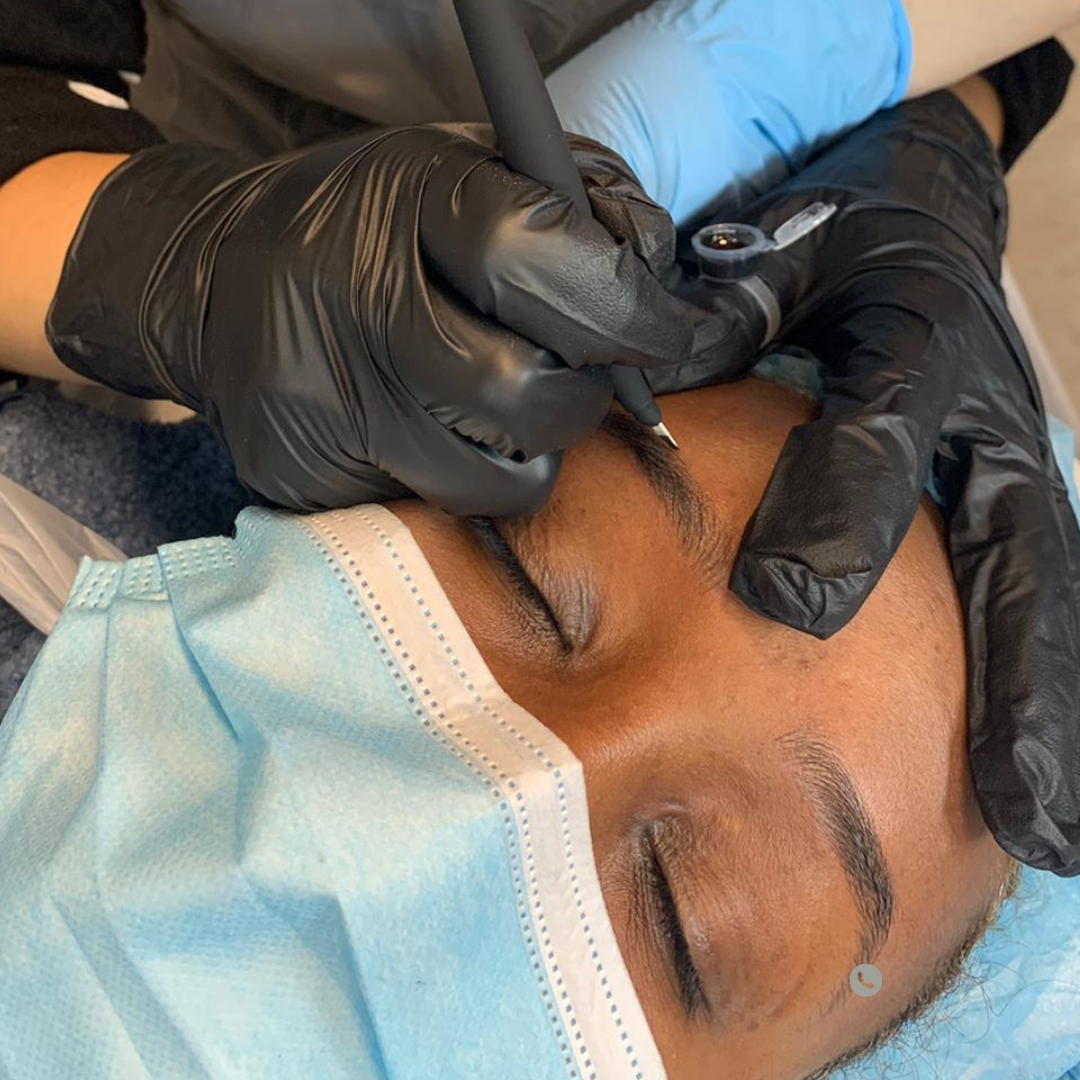
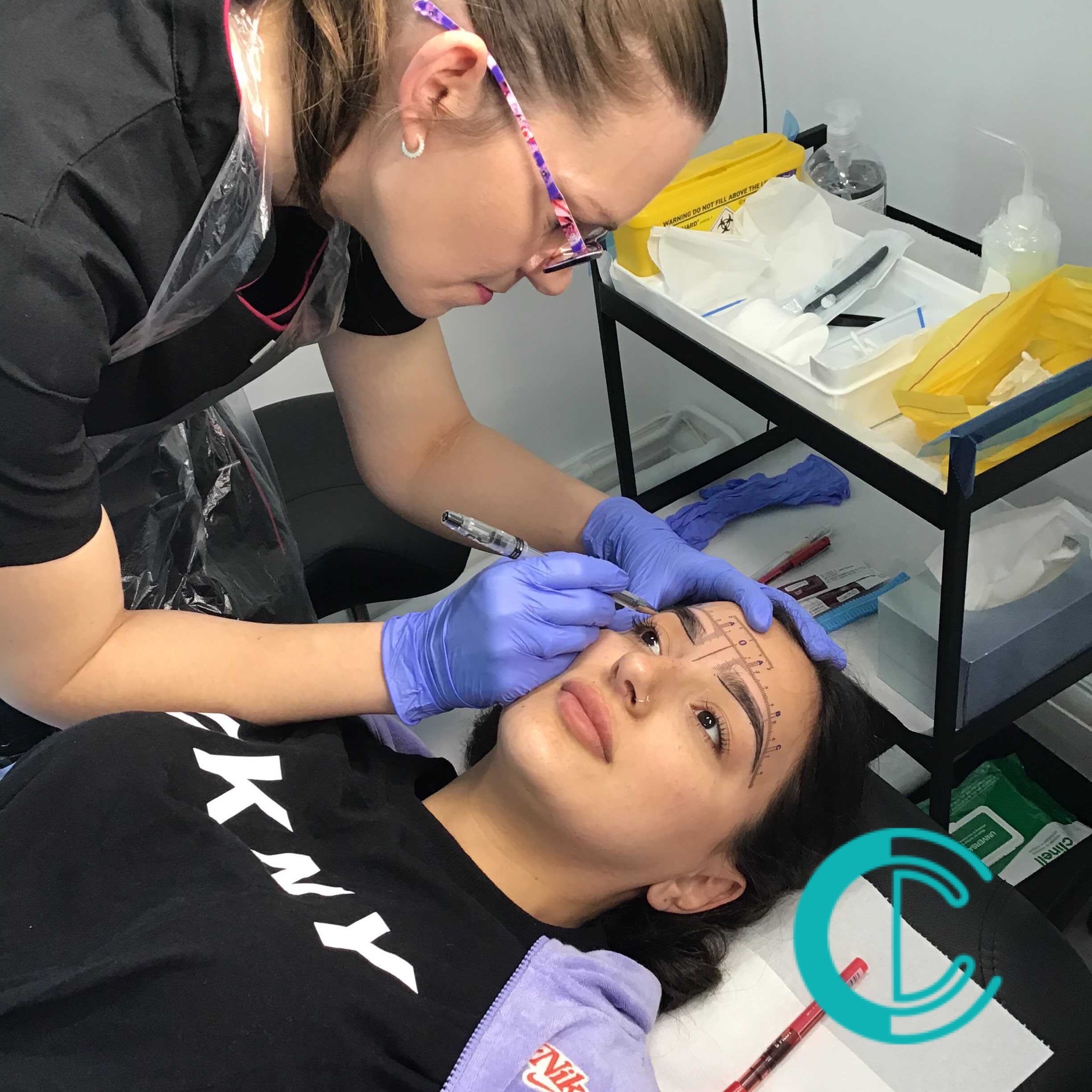
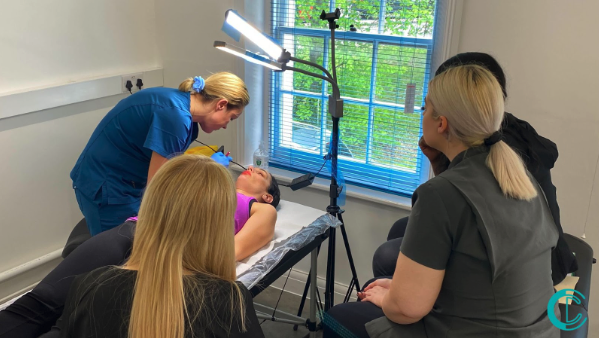
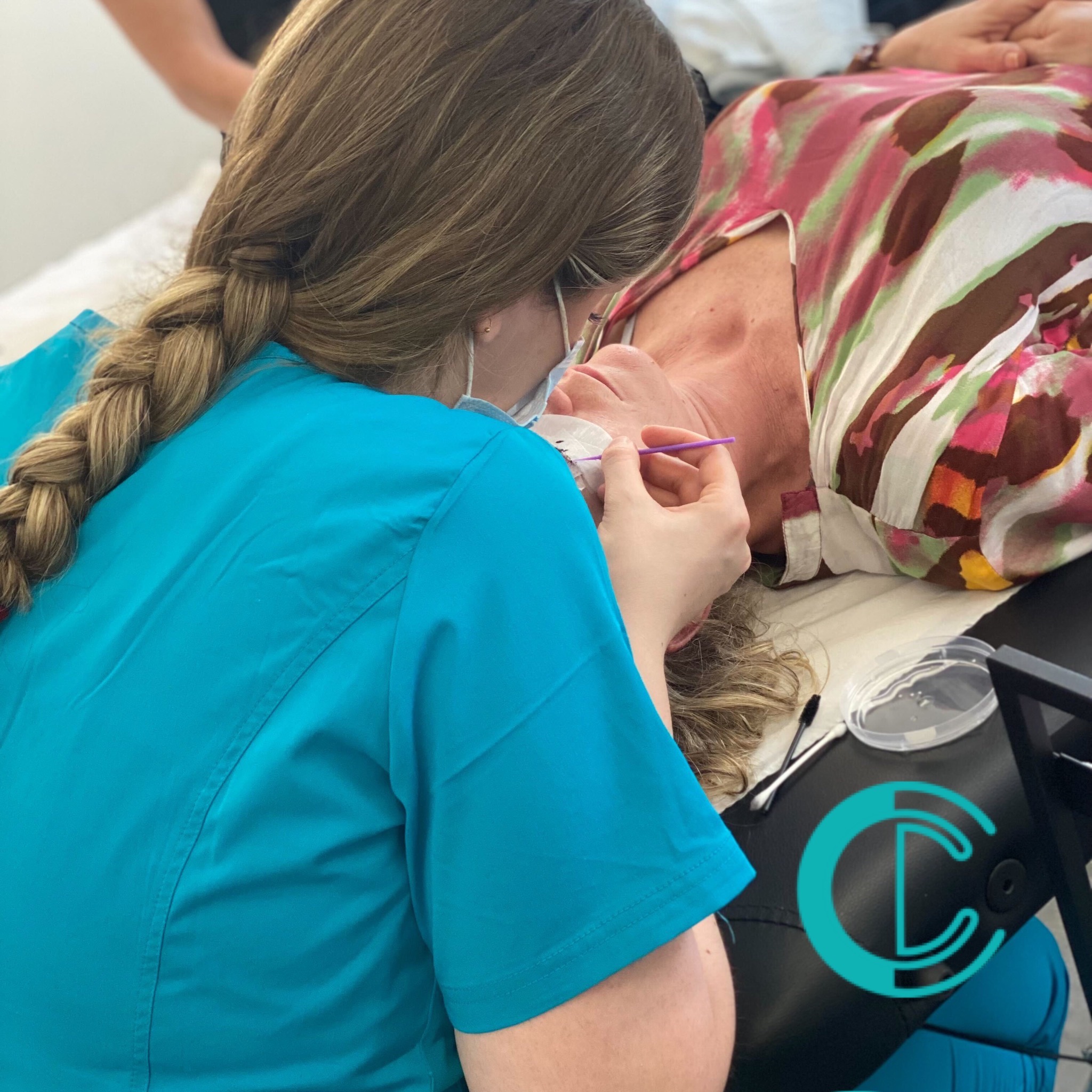
Live Model Sessions:
- Ask: How many scheduled practical days does the course include? (Good: minimum 6-8 days for Level 5, 10-12+ days for Level 7)
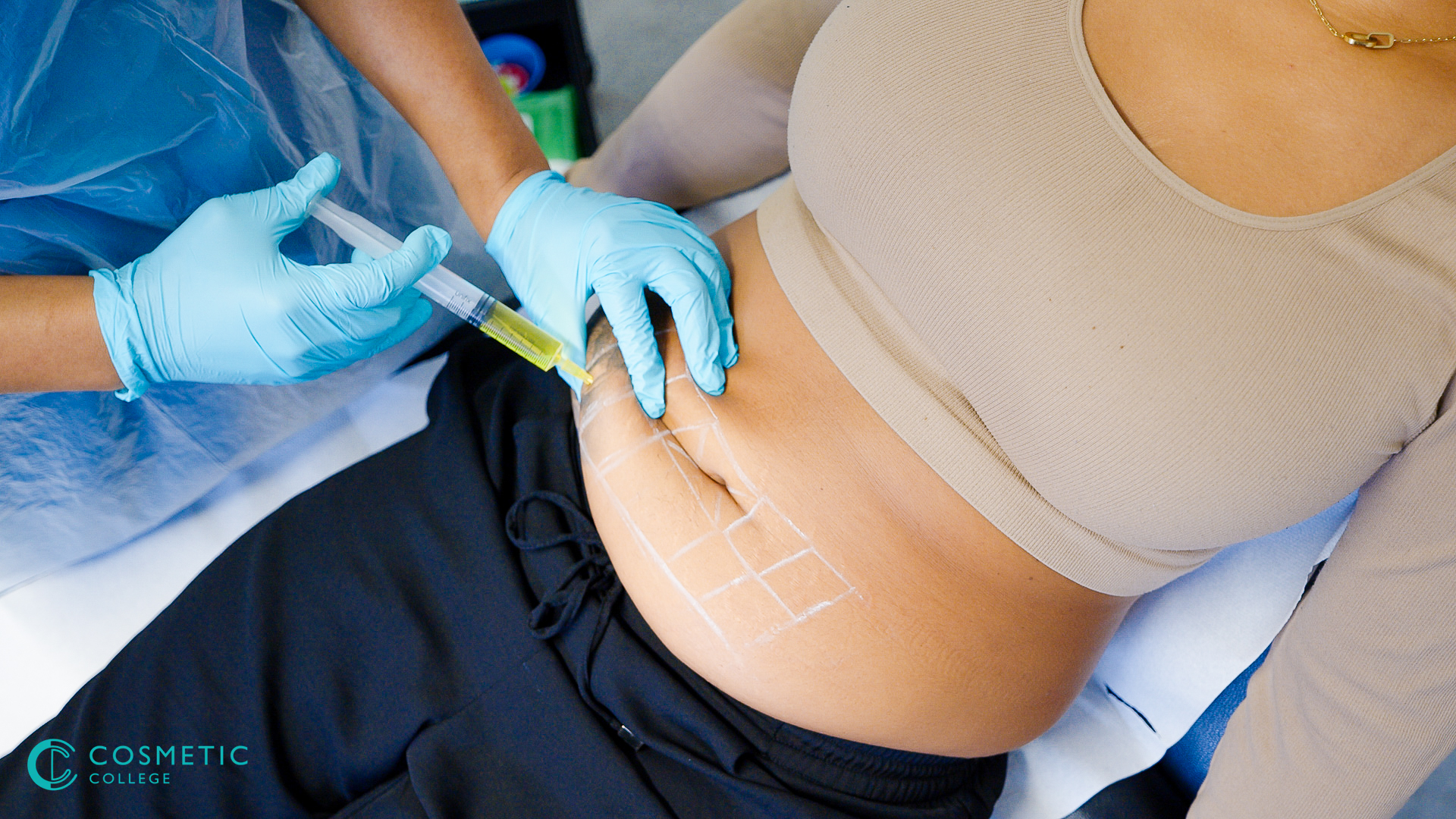
- Ask: Are real volunteer patients used for training, or mannequins/simulations? (Real patients are essential; mannequin-only training is insufficient)
- Ask: What's the tutor-to-student ratio during practical sessions? (Good: 1 tutor per 4-6 students maximum; larger groups mean less individual feedback)
- Ask: Can you observe a practical session before enrolling? (Many providers allow observation to assess teaching quality)
Anatomy Labs:
- Does the provider include dedicated anatomy practical sessions with models, slides, and demonstration? (Not just theory lectures)
- Are there opportunities to practice anatomy identification on models, prosthetics, or cadaver materials?
- Can you access anatomy references (images, videos, models) during and after training for reference?
Complication Emergency Protocols:
- Ask: What emergency training is included? (Vascular occlusion management, hyaluronidase administration, anaphylaxis protocols)
- Ask: Are there mock emergency scenario drills where you practice responding to complications?
- Ask: Does the provider teach you how to recognize early warning signs (blanching, delayed pain, skin discoloration) and respond in real-time?
- Verify: Does the provider train you on hyaluronidase injection technique and protocols for safe administration?
Product Range Training:
- Does the course cover multiple HA filler brands and their unique properties?
- Are you trained on filler selection logic: why use one product vs another based on rheology, cross-linking, and target area?
- Does the course include training on non-HA alternatives (if offering Level 7 scope)?
- Are you provided with product samples, technical data sheets, and manufacturer training materials?
Assessment and Feedback:
- How is practical competence assessed? (Tutor observation, video review, documented patient feedback)
- What happens if you don't demonstrate competence in a practical session? (Good providers allow re-practice and re-assessment, not just pass/fail)
- Are you given detailed feedback on your technique during practical sessions, or just an end-of-course grade?
- For Level 7: What's the portfolio assessment process? (Do you get detailed feedback on your documented cases before final submission?)
Red flags in practical training:
- Course offered entirely online with no supervised in-person practical component
- "Practical day" that lasts only 4-6 hours (insufficient time for meaningful skill development)
- Tutor-to-student ratios larger than 1:8 during injection practice
- Claims that you'll be "injection-ready" after fewer than 8 supervised practical sessions
- No mention of live model training or only mannequin/simulation practice
- No complication management or emergency protocol training included
Qualification depth vs marketing claims
Prioritise evidence over claims:
- Are qualification outcomes clearly defined and Ofqual-regulated?
- Is progression into VTCT Level 7 Diploma in Non-Surgical Aesthetic Injectable Procedures clearly explained with prerequisites?
- Can the provider explain next steps after completion and progression timelines?
- Is there a structured route for staged growth through VTCT options?
- Is live model training included with feedback-led supervision?
- Are standards aligned with JCCP/CPSA industry bodies and Health and Care Act 2022 requirements?
Decision table you can use immediately
| Decision area | Strong signal | Weak signal |
|---|---|---|
| Progression | Clear next-step mapping | No structured progression |
| Practical quality | Supervised practical learning | Mostly theory-led claims |
| Route fit | Admissions checks suitability | Generic one-size advice |
| Planning support | Clear date and pacing guidance | Push to buy immediately |
Timeline planning and conversion readiness
Use available date visibility to keep progression realistic. Check training dates and avoid overloading your timeline.
For direct support comparing routes, request a callback.
Red flags when comparing dermal filler providers
Beyond the positive indicators above, watch for these warning signs that suggest a provider prioritizes cost over safety:
Qualification and Accreditation Red Flags:
- Offers "dermal filler certification" or "diploma" that isn't VTCT-accredited or Ofqual-regulated
- Can't provide evidence of VTCT registration or Ofqual qualification numbers
- Advertises "Level 7 equivalent" or "diploma substitute" instead of actual VTCT accreditation
- Claims their course "covers all you need to know about injectables" in one compressed module
- No clear pathway from their course to professional body registration (JCCP/CPSA) or Save Face register
Practical Training Red Flags:
- Entire course delivered online with no in-person component
- "Practical day" that's actually just video demonstration without hands-on practice
- Claims you'll be competent after 1-2 days of training
- No mention of supervised live model training or only optional practical components
- Tutor-to-student ratios during practical of 1 tutor per 12+ students
- Doesn't include emergency protocol training or complication management drills
Business and Transparency Red Flags:
- Pressure to enrol immediately ("limited spaces," "offer expires soon")
- Reluctance to answer questions about entry requirements, timeline, or progression
- No clear explanation of what happens after course completion (progression pathway missing)
- Payment required before you've spoken to admissions staff or confirmed suitability
- Testimonials or reviews that seem generic or don't mention specific learning outcomes
- No clear cancellation or refund policy, or unreasonably restrictive terms
Insurance and Regulatory Red Flags:
- Provider can't explain insurance readiness or doesn't mention it at all
- Claims their qualification is "insurance-approved" but provides no evidence
- No discussion of JCCP/CPSA professional body alignment or registration support
- Provider has no liability insurance or can't provide proof
- Can't explain Health and Care Act 2022 implications or licensing reforms
Cost Red Flags:
- Significantly cheaper than competitors without clear explanation of value difference
- Hidden fees (assessment fees, portfolio submission fees, re-assessment costs) that only appear after enrolment
- Payment in full required upfront with no installment option or flexible payment
- "Money-back guarantee" that has unrealistic conditions or is practically impossible to claim
Professional Conduct Red Flags:
- Tutors without relevant VTCT qualifications or professional body membership
- High tutor turnover or complaints about tutor quality on independent review sites
- Lack of student support (no admissions, no progression guidance, minimal tutor availability)
- Poor communication with students (slow email responses, no clear point of contact)
- Marketing that makes unrealistic claims about earning potential or job outcomes
The best providers are transparent, answer questions thoroughly, provide evidence of accreditation, include meaningful practical training with reasonable class sizes, and clearly explain progression pathways and insurance readiness. If a provider is evasive on any of these fronts, it's a sign to look elsewhere.
FAQ
Is the most expensive dermal filler training provider always the best?
No. Best fit depends on progression quality, practical standards (live model training), Ofqual regulation, and route alignment - not price alone. However, be skeptical of significantly cheaper providers: if a Level 7 Diploma costs £2,500 while competitors charge £5,000, ask why. Often the difference is in practical training quality, tutor expertise, or accreditation depth. Good value is a provider with proven VTCT accreditation, meaningful supervised practical sessions (10+ days minimum for Level 7), transparent progression mapping, and reasonable class sizes. A well-structured Level 5 at £1,800 is better value than a poorly-delivered "Level 7 equivalent" at £1,200.
What is the biggest mistake when comparing dermal filler providers?
Choosing by headline price alone without mapping long-term progression needs, checking Ofqual regulation, understanding entry requirements, or evaluating practical training quality. Non-medics especially fall into this trap: they find a "Level 7 in 8 weeks for £1,500" and enrol without realizing it's not VTCT-accredited, won't be insured, and won't count toward professional body registration. By the time they discover this, they've lost money and months of time. Start with Pathway to Aesthetics to understand your realistic timeline and progression needs, then compare providers against this framework rather than just shopping by price.
Should I compare VTCT Level 5 and Level 7 dermal filler paths?
Yes, definitely. Level 5 offers scope for dermal fillers with limited advanced cases; Level 7 offers full independent scope including complex multi-area restoration. Read VTCT Level 5 vs Level 7 Injectables before deciding your progression strategy. Consider: Will you work independently or under medical supervision? Do you want full scope or are you fine with straightforward lip/cheek fillers? Level 7 takes 6-12 months longer but commands higher earnings (£75,000-£120,000+ vs £45,000-£75,000 at Level 5) and offers greater professional credibility as Health and Care Act 2022 licensing reforms tighten.
Can I compare dermal filler routes without committing to a course?
Yes, absolutely. Start with Pathway to Aesthetics for free route mapping based on your background and goals. Request admissions advice before payment - a good provider will spend time understanding your background and goals, not just try to sell you a course immediately. Use the framework in this article to score providers on route clarity, practical depth, Ofqual accreditation, and progression support. Only once you've compared 2-3 providers and confirmed route fit should you commit financially.
How can I reduce risk before enrolling in dermal filler training?
(1) Use this structured provider checklist to score candidates on practical training quality, VTCT accreditation, and progression mapping; (2) Confirm route fit and prerequisites in writing before payment - ask for written confirmation of your specific entry point and pathway to Level 7; (3) Review dermal filler entry requirements specific to your background and ask whether your provider conducts prior learning assessment; (4) Verify insurance implications: will your qualification be insurable? Can the provider explain this?; (5) Watch for red flags (online-only courses, unrealistic timelines, pressure to pay immediately, evasiveness on accreditation).
What is the next action to find the best dermal filler training?
(1) Clarify your 12-24 month goals: Are you aiming for Level 5 or Level 7 scope? Can you commit 12-18 months to progression? (2) Use Pathway to Aesthetics to map your likely starting point based on prior background; (3) Shortlist 2-3 providers that offer VTCT-accredited pathways aligned with your goals; (4) Compare these providers using this checklist framework: score each on route clarity, practical training quality (ask about tutor ratios, live model days, emergency protocols), Ofqual accreditation evidence, JCCP/CPSA alignment, and next-step progression mapping; (5) Request a callback and have a detailed conversation about your specific entry point, realistic timeline, and insurance readiness before committing; (6) Only enrol once you have written confirmation of entry requirements, progression pathway, practical delivery details, and insurance/regulatory alignment.
Editorial Standards
Author
Cosmetic College Editorial Team
Aesthetic Education Editorial Team
Cosmetic College specialists and admissions advisers produce this content to help learners choose regulated progression routes and make safer, better-informed training decisions.
Review cycle
Published: 3 February 2026
Last reviewed: 3 February 2026
Reading time: 8 min
Sources and References
- Pathway to Aestheticscosmetic.college
- VTCT Level 7 Diploma in Non-Surgical Aesthetic Injectable Procedurescosmetic.college
- VTCT optionscosmetic.college
- training datescosmetic.college
- callbackcosmetic.college
- VTCT Level 5 vs Level 7 Injectablescosmetic.college
- dermal filler entry requirementscosmetic.college