












If you are evaluating advanced dermal filler complications training, prioritise governance and clinical decision quality, not just treatment volume.
For most practitioners, this is a progression step after solid injectable foundations. Map your route first with Pathway to Aesthetics, then compare advanced options.
Why complications training matters
Advanced complications training supports:
- Better risk recognition and escalation decisions
- Stronger consultation and consent processes
- Safer treatment planning within your scope of practice
- Better long-term professional confidence
If your current route plan is unclear, start with VTCT progression options and then review the VTCT Level 7 Diploma in Non-Surgical Aesthetic Injectable Procedures. Review dermal filler entry requirements to confirm prerequisites.
Provider checklist for advanced dermal filler complications training
Use this framework when comparing advanced injectable courses:
| Area | What strong delivery looks like |
|---|---|
| Governance standards | Alignment with JCCP/CPSA standards and Health and Care Act 2022 requirements |
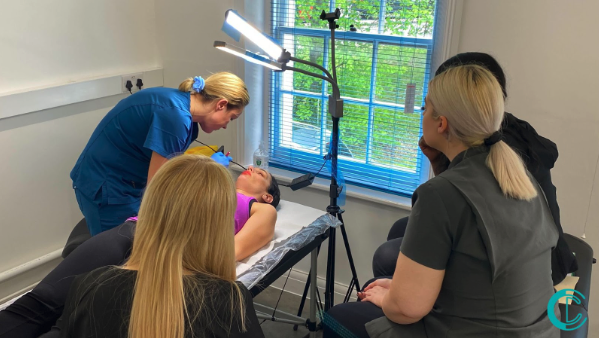
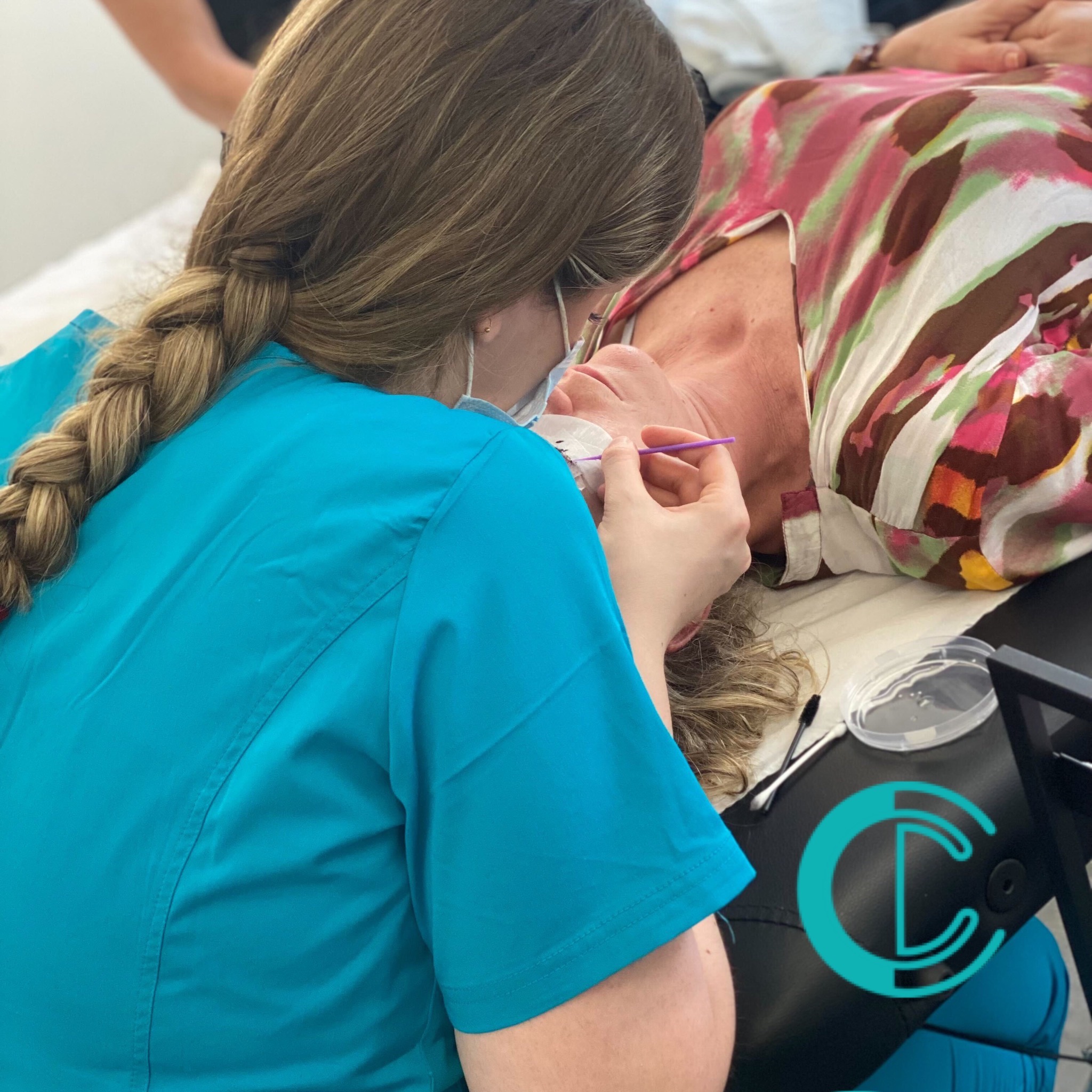
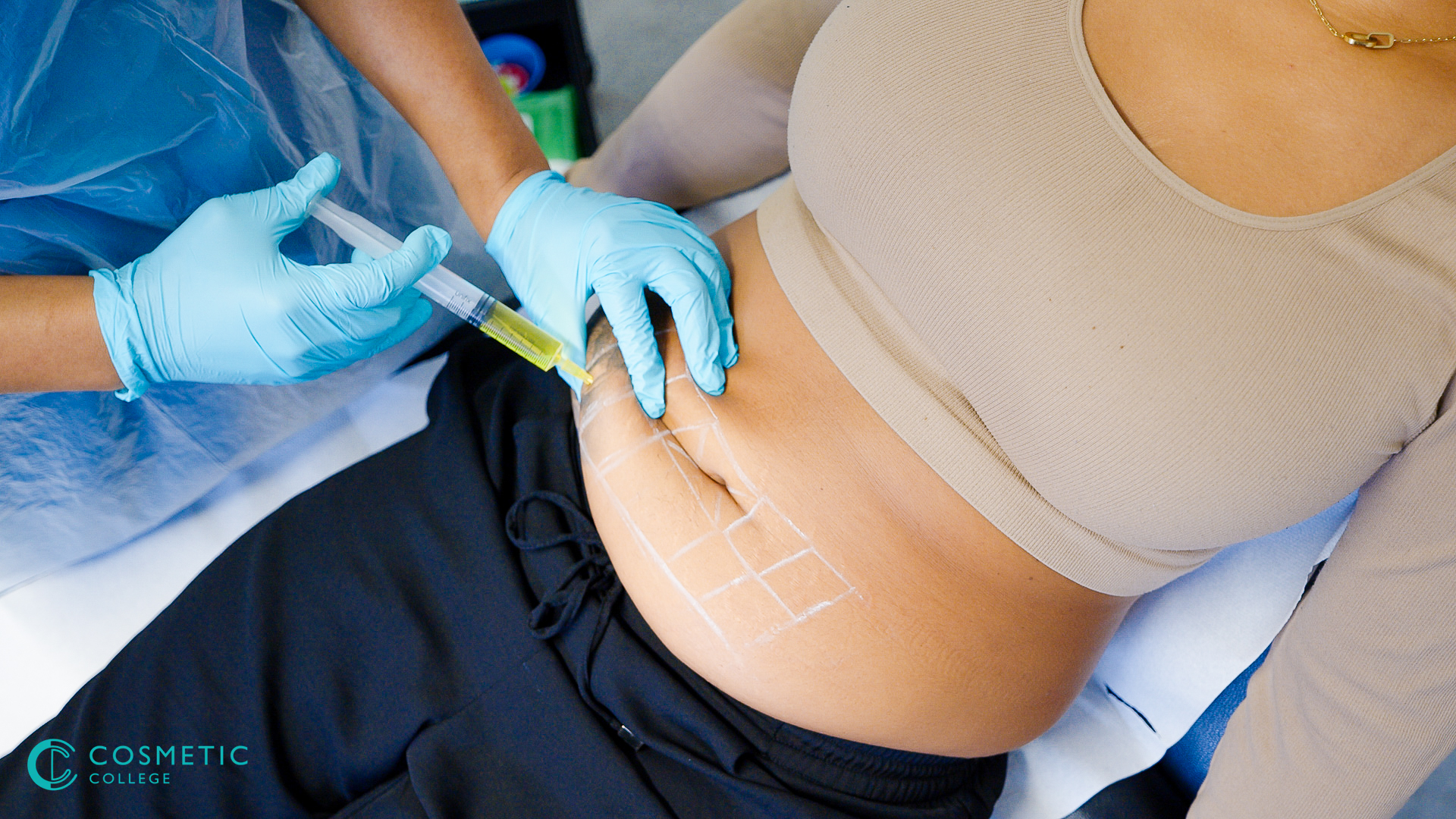
| Practical delivery | Supervised, feedback-led sessions with live model training |
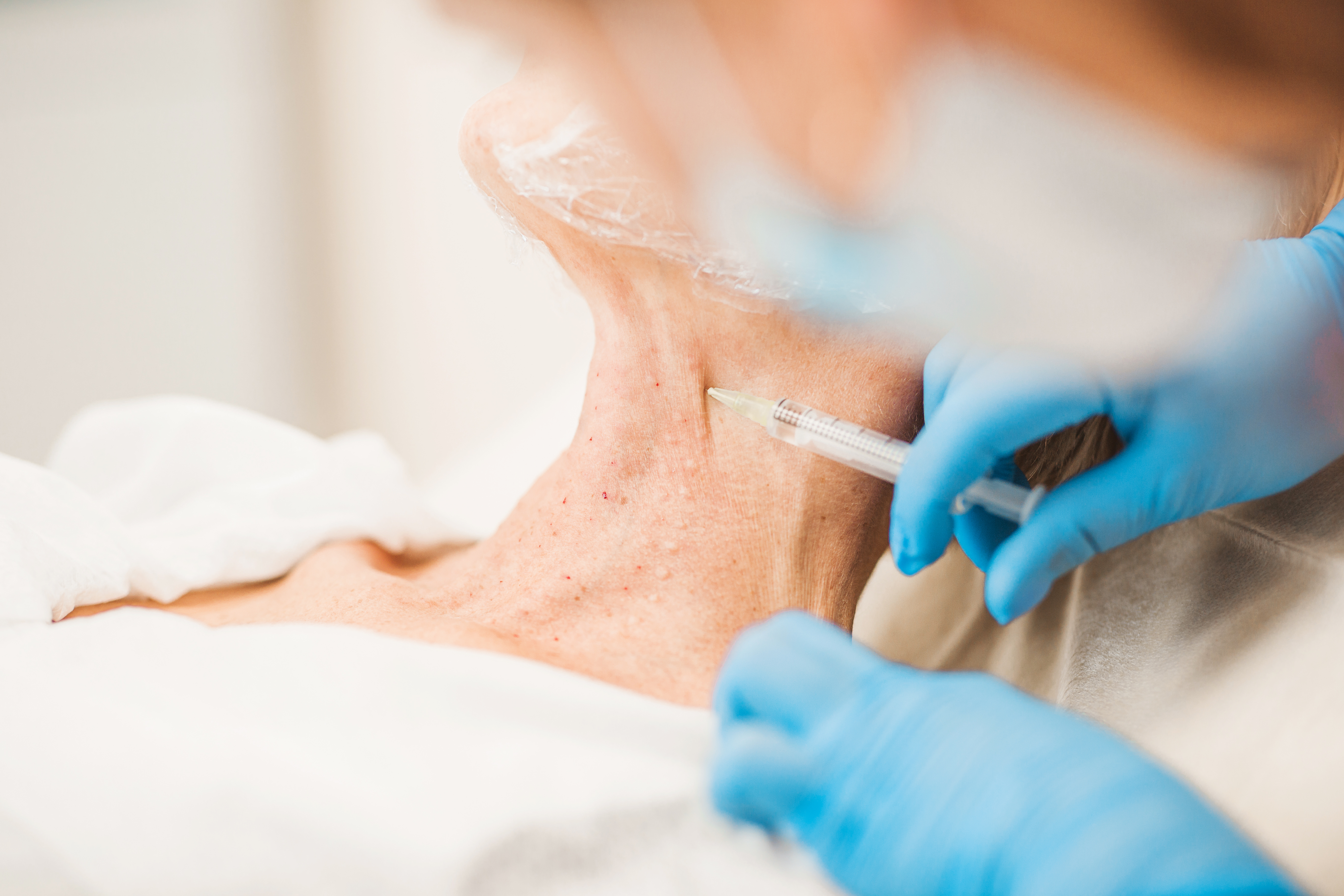
| Complication management | Structured vascular occlusion, allergy, and emergency protocols |
| Escalation teaching | Structured complication recognition and referral pathways |
| Progression support | Clear pathway to VTCT Level 7 Diploma and service implementation advice |
You can also pressure-test your route with a callback consultation.
What complications training covers
Advanced complications training goes beyond basic injectable technique and focuses on recognizing, managing, and preventing adverse events. A strong programme covers these core areas:
Vascular Occlusion Recognition and Management
- Anatomy of facial blood vessels (arteries, veins) and injection danger zones
- Early signs of vascular occlusion: blanching, pain, tissue discoloration, sensory changes
- Immediate protocols: hyaluronidase injection techniques, dosing, timing, monitoring
- When to escalate to emergency services (central retinal artery occlusion, internal carotid dissection)
- Post-event follow-up and documentation requirements
Hyaluronidase Protocols
- Product characteristics: concentration, dilution ratios, injection depth
- Indications: aesthetic correction of overfilled areas, vascular occlusion management, granuloma dissolution
- Dosing standards: baseline dose (600 IU) vs. escalation protocols, repeat treatment timing
- Technique: infiltration vs. blanching test injection, monitoring patient response
- Record-keeping requirements for insurance and regulatory compliance
Allergic Reaction and Sensitivity Management
- Immediate vs. delayed hypersensitivity presentations
- Product reactions vs. preservative sensitivities vs. needle reactions
- Treatment protocols: antihistamines, epinephrine, corticosteroids, timing of intervention
- Anaphylaxis recognition and emergency response (airway, breathing, circulation)
- Client communication: pre-treatment screening, informed consent, post-treatment monitoring
Nodule and Granuloma Treatment
- Histological types: early inflammatory nodules vs. late granulomas
- Recognition timing: immediate post-injection swelling vs. delayed granuloma (weeks-months)
- Treatment options: intralesional steroid injection, hyaluronidase dissolution, observation protocols
- Risk factors: product type (particulate vs. non-particulate), volume, placement depth, client immune status
- Long-term management and patient expectations
Infection Control Protocols
- Prevention: sterile technique, hand hygiene, injection site preparation, single-use supplies
- Recognition: signs of infection (warmth, redness, pus, systemic symptoms), timing (24-72 hours typical)
- Management: antibiotics, abscess drainage if needed, when to escalate to emergency care
- Regulatory reporting: incident documentation, potential infection notifications to clients
- Insurance implications: prevention documentation as defense against claims
Asymmetry and Over-Correction Management
- Identification: comparing baseline symmetry, recognizing technique-related vs. anatomical asymmetry
- Correction strategies: strategic placement in follow-up appointments, hyaluronidase spot-dissolving, teaching clients regarding natural variation
- Client communication: realistic expectations, improvement timeline, when revision is appropriate
- Documentation: before/after photos, written client acknowledgment of asymmetry discussions
Advanced Anatomy and Product Knowledge
- Deep facial planes (SMAS, periosteum, neurovascular bundles)
- Facial proportions and balance assessment
- Product characteristics: viscosity grades, cross-linking ratios, longevity expectations, tissue interaction
- Placement depth decision-making (dermal vs. subcutaneous vs. bone) based on anatomy and product type
Why this matters for insurance and practice
Insurance companies increasingly require complications training competence and documented evidence in claims defense. Understanding why this training is essential:
Insurance Requirements: Professional indemnity policies for Level 7 practitioners often mandate documented complications training or advanced qualifications. Some insurers offer premium discounts (10-15%) for practitioners who hold formal complications training credentials. Claims involving complications (vascular occlusion, allergic reaction, infection) are more likely to succeed if you can demonstrate you followed recognized protocols and held formal training.
JCCP and CPSA Standards: Professional bodies like JCCP (Cosmetic Surgery Peer-to-Peer Support) and CPSA (Cosmetic Practitioners Standards Authority) increasingly expect practitioners to understand complication management as part of professional standards. Practitioners with documented complications training are viewed more favorably in peer reviews and complaint investigations.
Regulatory Landscape: The Health and Care Act 2022 (implementation ongoing) will introduce mandatory practitioner licensing. Complications training will likely become a baseline requirement for regulatory sign-off. Practitioners with formal training are better positioned for smooth transition to new licensing requirements.
Client Protection and Liability Defense: If a client experiences a complication, demonstrating that you recognized it early and followed established protocols significantly strengthens your legal and insurance position. "I didn't know what to do" is indefensible; "I recognized vascular occlusion and administered hyaluronidase within 2 minutes per my training protocol" demonstrates competence.
Practice Reputation: Clients increasingly research practitioner training and credentials. Marketing that you hold advanced complications training builds trust and justifies premium pricing. Some London and city-centre clinics now require all injectables practitioners to hold formal complications training as a minimum.
Who should take complications training and when
Ideal Candidates:
- Practitioners who have completed VTCT Level 7 Diploma and want to deepen complication management skills
- Practitioners with 12-24+ months Level 7 practice experience seeking advanced skills
- Practitioners working in premium clinics/clinics owned by medical professionals where complications training is expected
- Practitioners planning to offer advanced services (corrections of other practitioners' work, expert witness preparation)
- Practitioners seeking professional body membership requiring complications credentials
Prerequisites Usually Required:
- Minimum 6-12 months Level 7 injectable practice experience
- Current professional indemnity insurance covering injectables
- Clean incident record (no previous complication claims)
- Admissions interview to confirm baseline injectable competence
Timing Considerations:
- Best taken after 12 months Level 7 practice (you'll recognize complications from your own experience)
- Can be concurrent with Level 7 if practitioner has medical background (nurse, doctor)
- If complications arise in your practice before formal training, consider urgent enrolment (many providers offer intensive short courses)
Not Recommended If:
- You haven't completed Level 7 or equivalent injectable foundation training
- You're still in your first 6 months of injectable practice (focus on fundamentals first)
- You're unclear whether you'll continue practicing injectables (take if committed to the pathway)
Insurability and compliance alignment
Training decisions should align with your insurance and professional obligations. Review practical insurance planning in How to Get Insurance for VTCT Aesthetic Treatments.
Practical progression sequence
- Confirm your current injectable baseline.
- Identify the gaps in risk-management and escalation confidence.
- Select an advanced route with clear governance outcomes.
- Align training timeline with your clinic rollout.
- Reassess pathway with admissions before booking further modules.
Check availability on the training calendar and keep your route paced for safe implementation.
FAQ
Is advanced complications training only for very experienced dermal filler injectors?
It is usually a progression step after foundational injectable training, but suitability depends on your current route and practical background. The ideal timing is 12-24 months post-Level 7 certification when you've encountered real-world scenarios. However, practitioners with medical backgrounds (nurses, doctors) and strong anatomy foundations can take complications training concurrent with or immediately after Level 7. Prerequisites should be confirmed with admissions - they'll assess your baseline competence.
Does advanced complications training replace foundational dermal filler training?
No. Advanced complications training works best when built on solid baseline injectable competencies, which is why reviewing dermal filler entry requirements is essential. If you haven't completed Level 7 or equivalent (4-6 weeks minimum of injectable-specific training), advanced complications training won't be accessible or useful. The protocols taught assume you understand basic injection anatomy, product characteristics, and technique - complications training builds on those foundations with problem-solving and escalation protocols.
Should I check insurance coverage before enrolling in advanced training?
Yes. Training scope decisions should be aligned with insurability. Review how to get insurance for VTCT aesthetic treatments before progression. Some insurers offer reduced premiums (10-15% discount) for practitioners with formal complications training credentials - check if your insurer recognizes the course provider. If your current policy doesn't cover complications management, some insurers will add it as a bolt-on for £50-£100 additional annual premium. Contact your insurer with the complications course details (provider, duration, content) before enrolling.
How do I choose between two advanced dermal filler courses?
Compare governance quality (JCCP/CPSA alignment), supervision standards (live model training), complication management protocols, and progression support toward VTCT Level 7. Specifically ask: (1) Is the course aligned with JCCP/CPSA professional standards? (2) Are complications covered through live case studies or simulation? (3) What's the tutor-to-student ratio? (4) Does the provider give you a completion certificate recognized by insurers? (5) What's the cost and does it include follow-up support? (6) Do they document your training formally for regulatory/insurance purposes? Cheaper courses sometimes skip live model training and instead use videos or simulations - less valuable than hands-on practice.
Can I plan advanced complications training as part of a full pathway?
Yes. Use Pathway to Aesthetics for structured route planning and admissions guidance. A realistic pathway might be: Level 3 (Month 1-2), Level 4 (Month 3-4), Level 5 (Month 5-6), Level 7 (Month 7-12), Advanced Complications (Month 18-24 after 12 months practice). Alternatively, if you're specialist in injectables only: Level 7 (Month 1-6), Advanced Complications (Month 12-18 after 6 months practice). Scheduling 6-12 months between Level 7 completion and complications training is ideal - you'll have real-world experience to contextualize the protocols.
What is the safest next step for advanced dermal filler progression?
Review your baseline using our provider checklist, shortlist options, and request a callback. Specifically: (1) Confirm you've completed Level 7 or equivalent (get written confirmation from admissions); (2) Identify how many injectable clients you've treated (aim for 50+ fills, 100+ anti-wrinkle injections minimum); (3) Review any incident log - have you documented concerns, complications, or client queries you've encountered? (4) List 2-3 complications course providers; (5) Ask each provider about their insurance recognition and JCCP/CPSA alignment; (6) Book callback consultations to validate prerequisites and timeline; (7) enrol when you have 12+ months Level 7 experience.
How much does advanced complications training cost?
Typical cost: £1,500-£3,500 depending on duration (1-5 days) and format. Short intensive courses (2-3 days, full-time): £1,500-£2,500. Longer programmes (1-2 weekends per month over 3-6 months): £2,000-£3,500. Some providers offer payment plans. Cost is usually lower than Level 7 Diploma (£5,000-£8,000) because it's specialised, not foundational. Compare cost against insurer discount (10-15% saving on annual premiums) and client premium positioning (some practitioners raise prices £50-£100 per treatment after advanced complications training, ROI in 12-18 months).
What qualifications/certifications do I receive?
Most complications training courses offer: Certificate of Completion (recognized by provider), documentation for insurance purposes (letter confirming you completed specific modules), and potentially continuing professional development (CPD) credits toward JCCP/CPSA membership requirements. Ask if the course is formally recognized by JCCP, CPSA, or Save Face - recognition strengthens insurance backing and professional credibility. VTCT doesn't offer a formal Level 7+ complications qualification yet, but Level 7 Diploma itself is the gold standard, and complications training is an "add-on" specialisation.
If I had a complication before training, does that affect eligibility?
Likely not. Complications training is often enrolled because you've experienced a complication and want to improve. Insurers view post-incident training positively (shows commitment to prevention). However, if the complication resulted in a significant claim or client injury, some providers may require admissions interview to confirm you're safe to train further. Be transparent with admissions - they'll advise whether prerequisites are met. In fact, practitioners who've had minor complications often benefit most from advanced training (you recognize the scenarios taught).
Will complications training help with insurance claims if something goes wrong?
Yes, significantly. If a complication occurs and a client claims compensation, demonstrating that you: (1) held formal complications training, (2) followed recognized protocols (vascular occlusion recognition, hyaluronidase protocols), (3) documented your actions, (4) communicated risks pre-treatment - all strengthen your legal defense. Insurers are more likely to defend and settle claims favorably if you demonstrate competence. Without complications training, insurers may deny cover or reduce settlement if they argue negligence.
Should everyone with Level 7 take complications training?
It's increasingly recommended but not yet mandatory. However: (1) If you work in premium London/city clinics: expected/required. (2) If you're sole trader seeking professional development: highly recommended (25-50% of Level 7 practitioners now do it). (3) If you want six-figure income/specialist reputation: essential. (4) If you're in regional markets with low injectable demand: lower priority. By 2026-2027, complications training may become a professional standard; practitioners without it may find insurance harder to obtain or premiums increase. It's a smart investment sooner rather than later.
Editorial Standards
Author
Cosmetic College Editorial Team
Aesthetic Education Editorial Team
Cosmetic College specialists and admissions advisers produce this content to help learners choose regulated progression routes and make safer, better-informed training decisions.
Review cycle
Published: 10 February 2026
Last reviewed: 10 February 2026
Reading time: 10 min
Sources and References
- Pathway to Aestheticscosmetic.college
- VTCT progression optionscosmetic.college
- VTCT Level 7 Diploma in Non-Surgical Aesthetic Injectable Procedurescosmetic.college
- dermal filler entry requirementscosmetic.college
- callback consultationcosmetic.college
- How to Get Insurance for VTCT Aesthetic Treatmentscosmetic.college
- training calendarcosmetic.college
- provider checklistcosmetic.college